Playa Hermosa (Jacó).
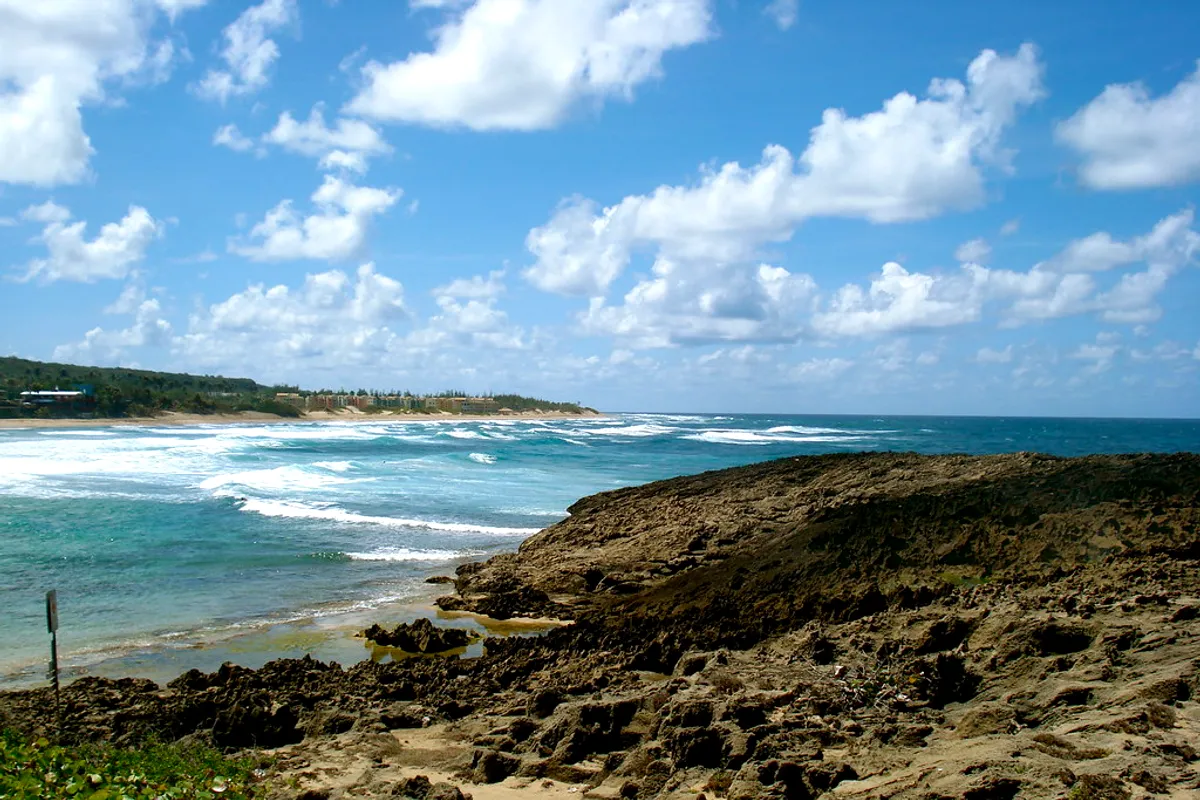
Playa Hermosa is a long black-sand beach a few minutes south of Jacó on Costa Rica's Pacific coast, and the waves there are faster and more hollow than at the popular beginner beach next door. Wikipedia says Hermosa has pipes and a beach break and that it is for experienced surfers only. Surf-Forecast describes it as an exposed beach break with lefts and rights, and warns of dangerous rip currents. If you are choosing between Jacó for lessons and Hermosa for barrels, the difference in skill required is large.
- Level
- Advanced
- Direction and bottom
- Both · Sand
- Best swell
- W to SW groundswell
- Best wind
- NE offshore
- Best tide
- Depends on the bank; many prefer mid to high
- Best months
- Dec, Jan, Feb, Mar, Apr
- Size
- Waist-high to double overhead; barrels from chest-high
- Hazards
- Dangerous rip currents, Shallow banks, Crowds, Hot sun, Black sand underfoot at midday
What makes it hollow
The beach is steep, and swell arrives from deep water with little warning. That creates waves that stand up quickly and throw a thick lip, often into a barrel. The sandbanks shift, so the best peak changes with the season and the swell. Surf-Forecast shows both lefts and rights, and lists several nearby spots such as The Tree, Gully's and Perro Fino within three kilometres.
The page gives the best swell direction as west and the best wind as north-east offshore. The ideal combination is a west swell and offshore wind in the morning. Because the wave is shallow, its size can be deceptive: a wave that looks waist-high from the beach can hit the sand with significant force.
Seasons and the rainy season
The statistics on Surf-Forecast show January as the best month for clean surf, with clean conditions about 33 percent of the time, blown out about 23 percent and too small about 44 percent. That reflects the dry season when winds are calmer and swells are smaller. The big south and south-west swells that bring the largest waves usually arrive in the wetter months, when afternoon winds and rain can complicate sessions.
Water temperature is high, at around 30 degrees Celsius on the page, so most surfers wear a rash vest. The sun and heat are intense, and dehydration is a real risk. Surf in the early morning when possible, drink plenty of water and avoid the midday sun.
Who should not surf Playa Hermosa
Playa Hermosa is not for beginners or for intermediates who are still working on duck dives and late takeoffs. Rip currents are described on Surf-Forecast as dangerous, and the waves can break onto shallow sand with force. Users on the page rate the difficulty at 4.1 and the crowd at 3.3, which suggests a competitive lineup at good times.
If you want a gentle introduction to surfing in the area, Jacó beach is a safer choice, with several schools and shops that rent equipment, according to Wikipedia. Do not enter the water at Hermosa without checking the conditions and the rip locations, and do not surf alone. Swimmers should avoid the surf zone when waves are large. Lifeguard coverage varies, so do not assume there is help nearby.
Getting there and watching
Jacó lies about 100 kilometres from San José, a little under two hours via Route 34 according to Wikipedia. Surf-Forecast lists San José Juan Santamaría International at about 64 kilometres in a direct line and the Quepos airfield at about 54 kilometres. Playa Hermosa is about five minutes from Jacó, and taxis or hire cars are the usual way to get there.
The beach is long and flat, so you can watch from the sand or from the road. Look for the places where waves are breaking cleanly, and notice where surfers paddle out and where they exit. Do not leave valuables on the beach or in an unattended car. The sand is black and can be very hot at midday, so wear sandals.
Alternatives
Surf-Forecast lists Jaco Beach, Roca Loca, Gully's and Perro Fino within about three kilometres. These offer a mix of beach and reef breaks with easier conditions on some days. The Jacó destination guide covers lessons and lodging.
Heat, sun and safety on the sand
Playa Hermosa is hot, and the black sand absorbs heat so that it can burn bare feet by midday. Bring sandals, high-factor sunscreen and plenty of water, and aim to surf early. Check the tide and the rip locations before entering the water, and keep an eye on where you are drifting along the beach. Do not leave valuables in a parked car or on the sand. If you are travelling with non-surfers, the beach at Jacó is better for swimming, and the town has cafés and shops. Consider travel insurance that covers surfing and medical treatment, as private care can be expensive.
The ocean off Jacó, by month
| J | F | M | A | M | J | J | A | S | O | N | D | |
|---|---|---|---|---|---|---|---|---|---|---|---|---|
| Swell, m | 1.0 | 1.1 | 1.1 | 1.3 | 1.4 | 1.5 | 1.4 | 1.4 | 1.5 | 1.4 | 1.3 | 1.0 |
| Period, s | 12 | 13 | 13 | 14 | 14 | 14 | 14 | 13 | 14 | 13 | 13 | 13 |
| Water, °C | 29 | 29 | 29 | 30 | 29 | 29 | 29 | 29 | 29 | 28 | 28 | 28 |
Open-ocean ERA5 medians, not wave size at the break. Sources.
Questions about Playa Hermosa (Jacó)
Is Playa Hermosa good for beginners?
No. Wikipedia says its breaks are for experienced surfers only, and Surf-Forecast warns of dangerous rips. Jacó beach is better for learning.
When is the best time to surf?
The dry season, from about December to April, has offshore mornings, while bigger swells often come later in the year.
How far is it from San José?
Jacó is about 100 kilometres from San José, a little under two hours, and Hermosa is about five minutes further.
Is the beach crowded?
Surf-Forecast describes it as sometimes crowded, so allow for competition on good days.
What time of day is best for surfing Hermosa?
Early morning, when the wind is usually lighter and the heat less intense. Surf-Forecast shows north-east offshore winds as ideal, and the sand can be very hot at midday. Check the tide and rips before going out, and avoid surfing alone on bigger days.
Check a live forecast and local advice before paddling out. Heavy waves injure and kill experienced surfers.