Why surf in Costa Rica
Costa Rica has a long Pacific coastline facing west and south-west, exposed to swells from the North and South Pacific, and a shorter Caribbean coast facing east. The Pacific coast receives surf almost every day of the year, with consistent south swells during the Northern Hemisphere summer and north-west swells in winter. The Caribbean coast works mainly in the northern winter, when swells from the Caribbean Sea arrive.
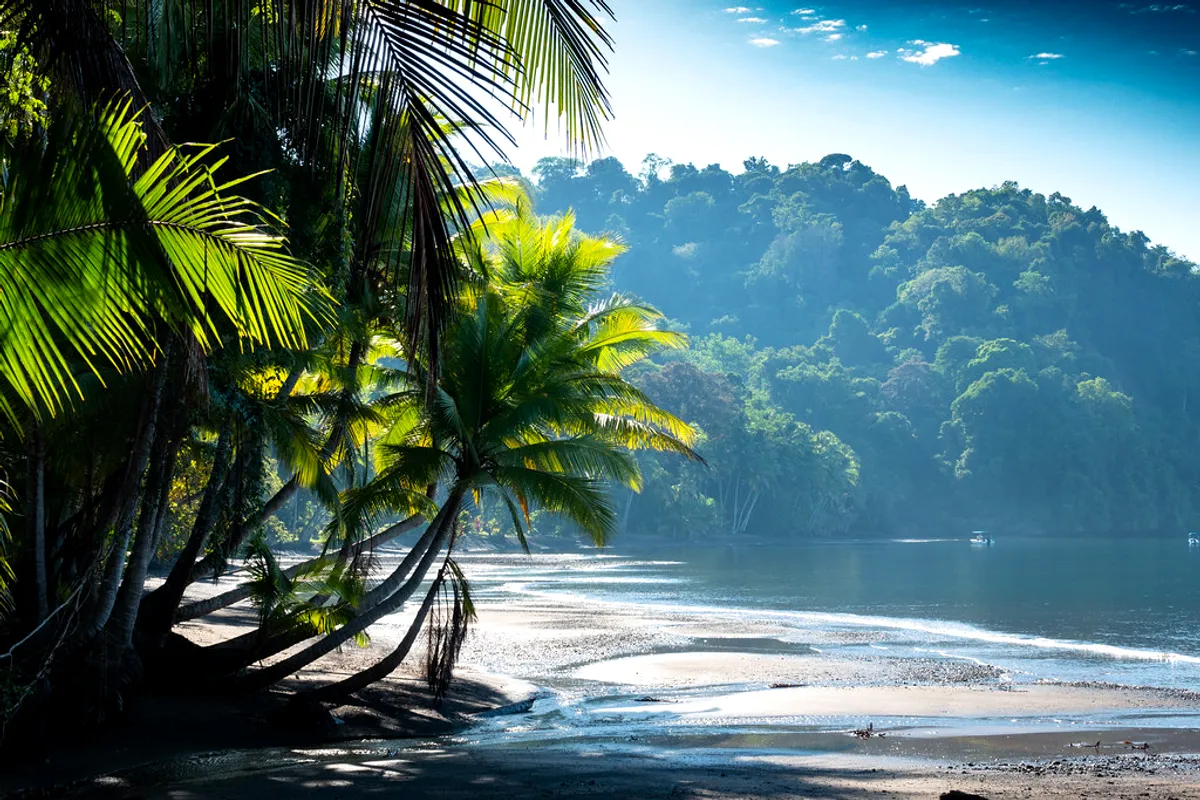
The country is known for its protected nature, with national parks, wildlife refuges and rainforest covering a large part of its territory. Surf towns are often backed by jungle, with monkeys, sloths and tropical birds a common sight. Costa Rica is well set up for tourism, with good infrastructure, a wide range of accommodation and a relaxed, welcoming culture summed up in the phrase pura vida.
Dry season and green season
Costa Rica has two main seasons. The dry season, roughly December to April, brings sunshine and less rain, particularly in Guanacaste in the north-west. Offshore winds are common in the mornings, and waves are generally smaller and cleaner, which suits beginners. It is also the busiest and most expensive time to visit, especially around Christmas, New Year and Easter.
The green season, roughly May to November, brings afternoon rain, lush landscapes and the biggest, most consistent south swells. It suits intermediate and advanced surfers. September and October are usually the wettest months, when some roads become difficult and some businesses close. The Caribbean coast has a different pattern, with its best surf usually from December to March.
Flights, roads and ferries in Costa Rica
Costa Rica has two main international airports: Juan Santamaría near San José, in the Central Valley, and Daniel Oduber Quirós in Liberia, Guanacaste. Liberia is closer to the northern Pacific beaches, such as Tamarindo and Nosara. San José is better for the Central Pacific, South Pacific and Caribbean.
Domestic flights connect San José with small airstrips near many beach towns. Shuttles and private transfers are widely available. Renting a car gives the most freedom, but many roads to beach towns are unpaved and can be rough, especially in the green season, so a 4x4 is often recommended. Public buses are inexpensive but slower.
Planning a Costa Rica surf trip
Many surfers base themselves in one town for a week or more, especially beginners, who benefit from consistent lessons at the same beach. Popular bases include Tamarindo, Nosara, Santa Teresa and Jacó. Intermediate and advanced surfers often road-trip along the Pacific coast, following the swell and visiting several areas.
A common two-week route starts in Liberia, spends time in Tamarindo and nearby beaches, continues to Nosara and Santa Teresa on the Nicoya Peninsula, and finishes in the Central Pacific near San José. Another option focuses on the South Pacific, from Dominical to Pavones, which is quieter and more remote.
Roads can be slow and rough, and some routes require river crossings or ferries, especially on the Nicoya Peninsula. Allow plenty of time for travel, avoid driving at night and check road conditions in the green season. The ferry across the Gulf of Nicoya between Puntarenas and Paquera can save time when travelling between the Central Pacific and Santa Teresa.
Surf camps and schools
Costa Rica has a wide range of surf camps, from budget hostels with daily lessons to luxury retreats with yoga, gourmet food and private coaching. Women-only surf camps, family-friendly camps and surf-and-yoga retreats are common, particularly in Nosara and Santa Teresa.
When choosing a camp or school, ask about instructor certification, the ratio of students to instructors, the beaches used and how lessons are adapted to conditions. Check whether airport transfers, board rental outside lessons and excursions are included. Many camps offer video analysis, which can speed up progress.
Prices are generally higher in the dry season and around holidays. In the green season, many camps offer discounts, and the bigger swells can be ideal for improvers looking to step up, while instructors can still find gentler waves for beginners.
Packing and safety for Costa Rica
The water is warm all year, so a rash vest or surf top is usually all you need. Pack reef-safe sunscreen, a hat, insect repellent and light rain gear in the green season. Reef booties can be useful at rocky or reef breaks.
Rip currents are a serious hazard on many Costa Rican beaches, and lifeguard coverage is limited outside a few popular towns. Learn to recognise rips and surf within your ability. Crocodiles live in some river mouths and estuaries, particularly on the Pacific coast, so avoid surfing near river mouths and follow local signs. Stingrays may rest in the shallows; shuffle your feet when walking in. Petty theft can occur, so do not leave valuables on the beach or in cars.
Wildlife, conservation and etiquette
Costa Rica's protected areas include turtle-nesting beaches where surfing or beach access may be restricted at certain times. Follow local rules and the guidance of rangers. Avoid touching or feeding wildlife, and keep a respectful distance from nesting turtles.
In the water, popular breaks can be crowded, especially in peak season. Wait your turn, respect local surfers and avoid dropping in. Surf schools should keep their groups in beginner areas. Support local businesses and leave the beaches cleaner than you found them.
Combining surf with the rest of the country
Costa Rica is small enough to combine a surf trip with other experiences. Arenal Volcano and its hot springs, the cloud forests of Monteverde, and Manuel Antonio National Park, with beaches, wildlife and trails, are all popular additions. Many visitors split their time between a surf town and an inland destination.
Adventure activities, from zip-lining and white-water rafting to snorkelling and wildlife tours, are widely available. Costa Rican food, from gallo pinto to casados and fresh tropical fruit, is simple and satisfying. The country's commitment to conservation and sustainable tourism is evident in many eco-lodges and protected areas.
Surf regions of Costa Rica
North Guanacaste: Tamarindo and Playa Grande
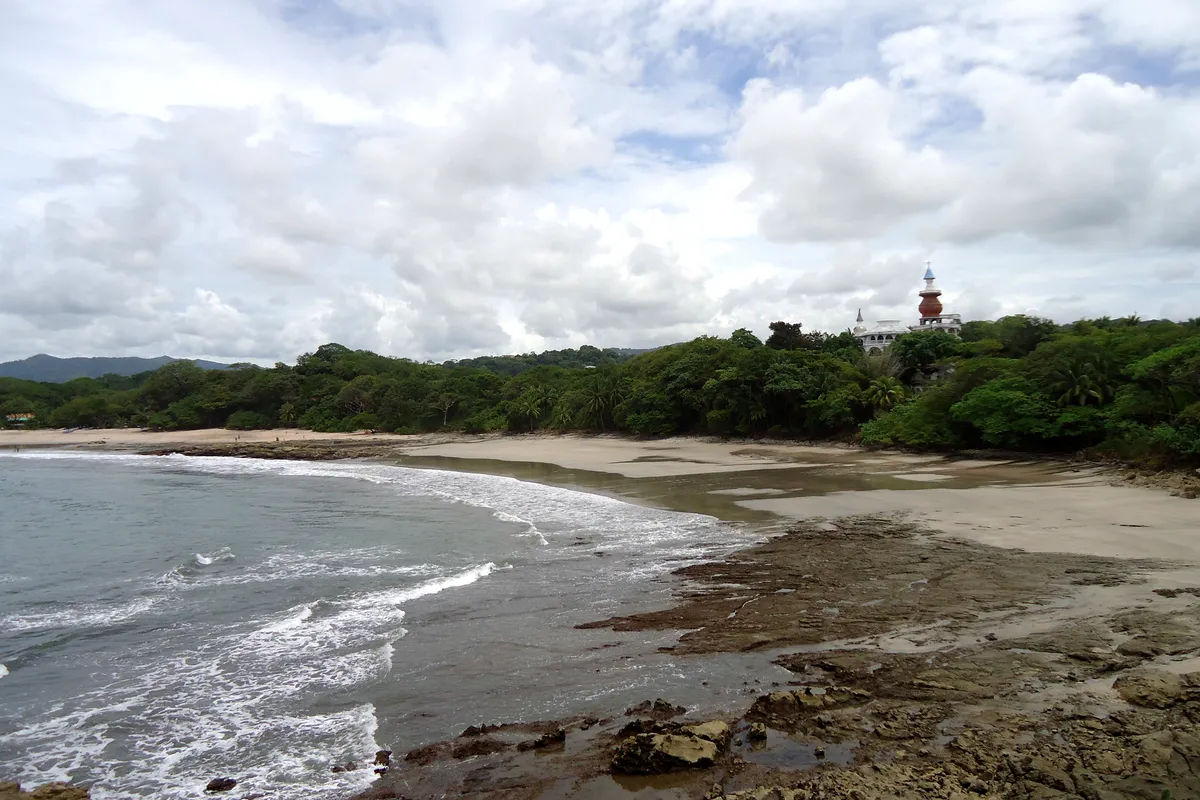
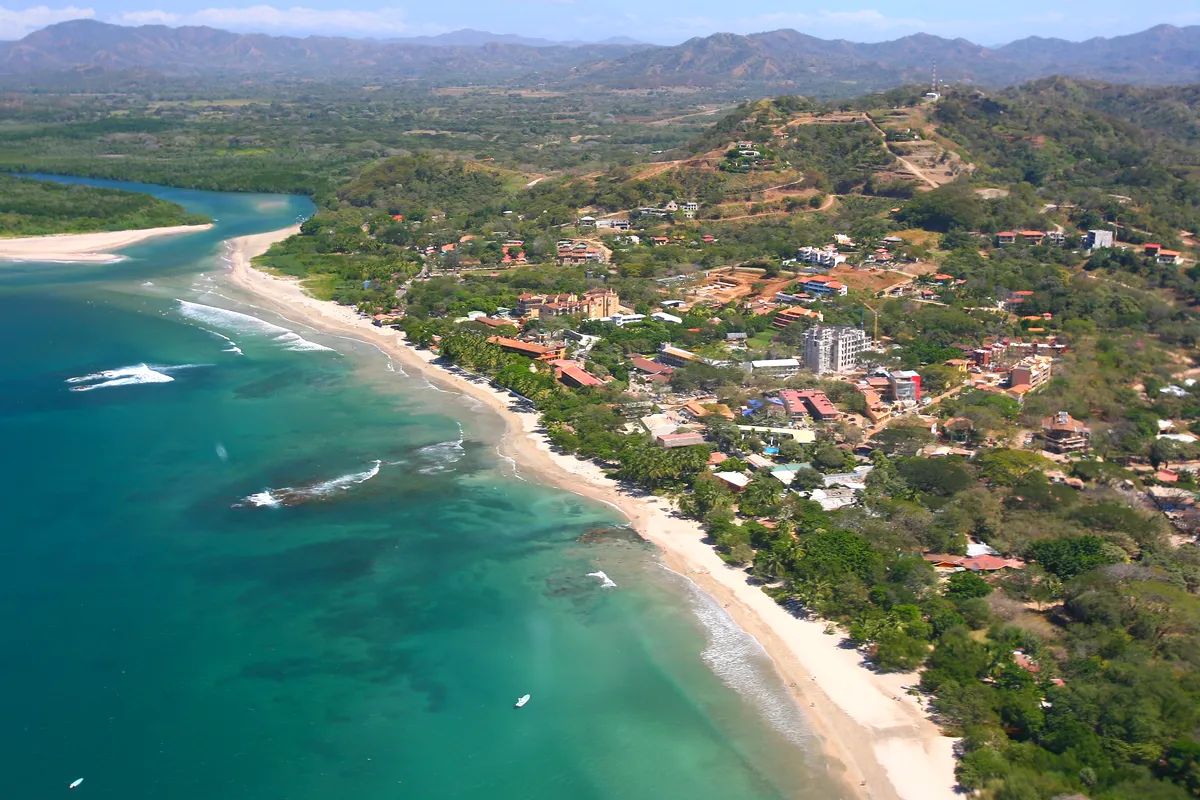
Guanacaste, in Costa Rica's north-west, has some of the country's most popular surf towns. Tamarindo is a lively beach town with gentle beach breaks ideal for beginners, many surf schools and plenty of nightlife. Nearby Playa Grande, part of a national park that protects leatherback turtle nesting beaches, has more powerful beach breaks. Further south, Playa Avellanas and Playa Negra offer quality waves in a more relaxed setting. Witch's Rock and Ollie's Point, inside Santa Rosa National Park in the far north, are famous waves reached by boat.
Known for: Tamarindo, Playa Grande, Playa Avellanas, Playa Negra, Witch's Rock
The Nicoya Peninsula: Nosara and Santa Teresa
The Nicoya Peninsula's Pacific coast has long, consistent beach breaks backed by jungle. Nosara's Playa Guiones is one of the most consistent waves in Central America, with a laid-back, wellness-oriented community. Santa Teresa and Mal País, at the southern tip of the peninsula, have a mix of beach and reef breaks, a bohemian atmosphere and spectacular sunsets.
Known for: Nosara, Playa Guiones, Santa Teresa, Mal País
The Central Pacific: Jacó and Playa Hermosa
The Central Pacific coast is closest to San José, making it popular for weekend trips. Jacó is a busy town with a long beach break suitable for beginners and intermediates. Just south, Playa Hermosa is a powerful beach break that hosts contests and is best for experienced surfers. Boca Barranca, further north near Puntarenas, is known for a very long left-hand river-mouth wave.
Known for: Jacó, Playa Hermosa, Boca Barranca, Esterillos
The South Pacific: Dominical and Pavones
The southern Pacific coast is wilder and less developed. Dominical has a powerful beach break and a relaxed, backpacker-friendly vibe. Further south, Pavones, near the border with Panama, is famous for one of the longest left-hand waves in the world, which needs a big south swell to work. Matapalo, on the Osa Peninsula, offers right-hand points in a remote rainforest setting.
Known for: Dominical, Pavones, Matapalo
The Caribbean coast: Puerto Viejo
Costa Rica's Caribbean coast has a different culture, with Afro-Caribbean heritage, reggae and Caribbean food. Its best-known wave is Salsa Brava at Puerto Viejo, a powerful, shallow reef break that is only for experienced surfers. Playa Cocles nearby has beach breaks that suit a wider range of levels. The best season here is usually December to March, when swells from the Caribbean Sea arrive.
Known for: Puerto Viejo, Salsa Brava, Playa Cocles
Learning to surf in Costa Rica
Costa Rica is one of the most popular places in the Americas to learn to surf. Tamarindo, Nosara's Playa Guiones, Santa Teresa and Jacó all have gentle beach breaks and many surf schools. The warm water makes learning comfortable, and many schools offer packages that include accommodation, lessons and equipment.
The dry season, from December to April, usually brings smaller, cleaner waves that suit beginners. In the green season, bigger swells can make outside breaks challenging, but schools can usually find suitable inside waves.
When choosing a school, ask about instructor qualifications, group size and safety procedures. Learn about rip currents and local hazards, including crocodiles near river mouths. Many surf camps also offer yoga, wildlife tours and other activities.
Surfing in Costa Rica: questions
When is the best time to surf in Costa Rica?
On the Pacific coast, the dry season from December to April brings smaller, cleaner waves that suit beginners, while the green season from May to November brings bigger swells for experienced surfers. The Caribbean coast is usually best from December to March.
Where is the best place to learn to surf in Costa Rica?
Tamarindo, Nosara's Playa Guiones, Santa Teresa and Jacó are all popular learning spots with many surf schools.
Do I need a wetsuit in Costa Rica?
No. The water is warm all year. A rash vest or surf top is useful for sun protection.
Are there crocodiles at Costa Rican surf spots?
Crocodiles live in some river mouths and estuaries on the Pacific coast. Avoid surfing near river mouths, follow local signs and ask local surfers for advice.
Which airport should I fly into for a surf trip?
Liberia is closer to Guanacaste and the northern Nicoya Peninsula. San José is better for the Central Pacific, South Pacific and Caribbean coasts.
Is Costa Rica expensive for surfers?
Costa Rica is more expensive than many Central American countries, especially in popular beach towns during the dry season. Budget options such as hostels and local sodas are available, and prices drop in the green season.
Can I surf in Costa Rica in September and October?
Yes, and the swells are often at their biggest, but these are the wettest months. Some roads become difficult and some businesses close. It suits experienced surfers who do not mind rain and want quieter line-ups.
Is Tamarindo or Nosara better for beginners?
Both are excellent. Tamarindo is livelier, with more nightlife, restaurants and schools in a compact town. Nosara is quieter and more nature-focused, with a long, consistent beach and a strong yoga and wellness scene.
Sources & editorial notes
Country context checked against the sources below. Regional summaries are Book & Surf editorial planning suggestions, not forecasts or safety assessments.