The breaks
Recognised, publicly known surf spots around Puerto Viejo. Suitability depends on the day's swell, wind and tide, so treat the level as a guide, not a guarantee.
| Break | Type | Best for | Notes |
|---|---|---|---|
| Salsa Brava | Right-hand reef | Expert | Heavy, hollow right over shallow coral in front of town, one of Central America's heaviest waves. Shallow at low tide. |
| Playa Cocles | Beach break | Beginner–Intermediate | Jungle-backed beach east of town with consistent peaks, surf schools and some lifeguard cover. Strong rips. |
| Playa Negra | Beach break | Intermediate | Black-sand beach west of town, often less crowded. |
| Punta Uva | Beach | Beginner | Usually calm, better for swimming and snorkelling than surfing. |
Costa Rica's Caribbean side
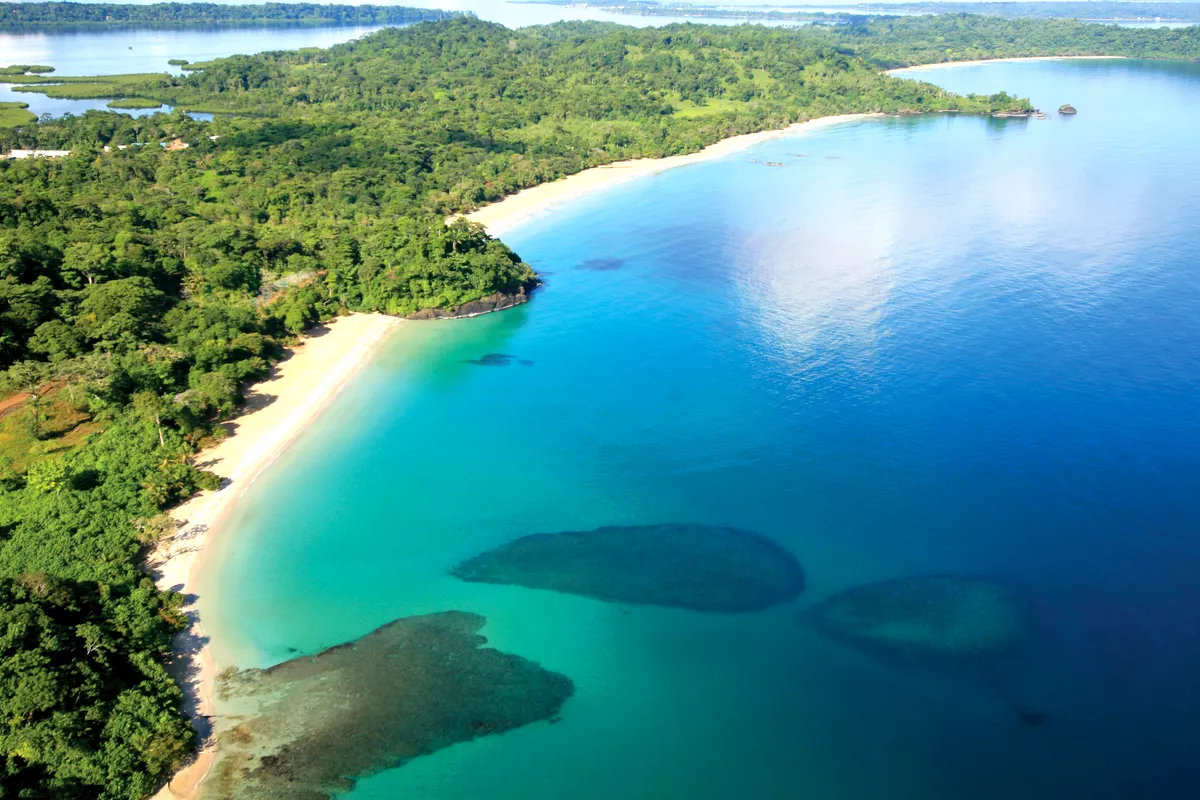
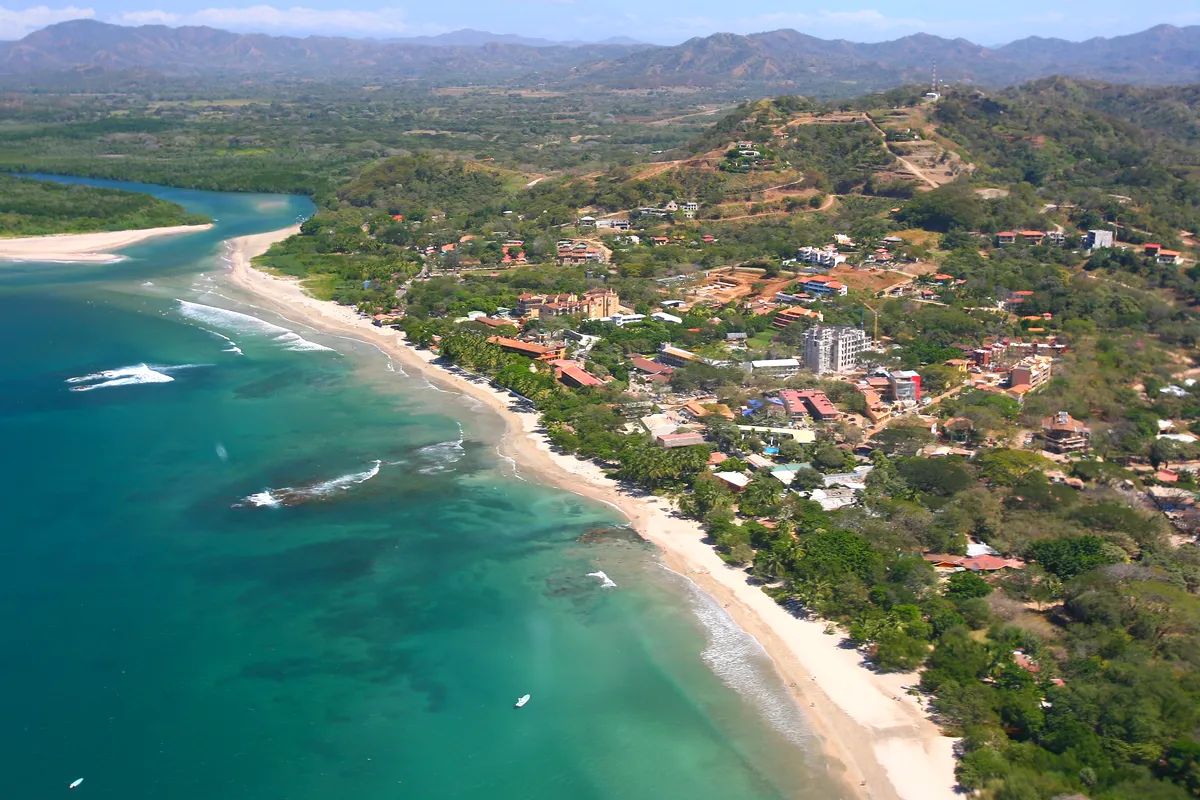
Most surf trips to Costa Rica focus on the Pacific coast, but the Caribbean side offers a very different experience. Puerto Viejo sits in the province of Limón, near the Panama border, where the coast is lined with palm trees, rainforest and coral reefs. The region has a strong Afro-Caribbean heritage, from Jamaican and other Caribbean workers who arrived in the late nineteenth and early twentieth centuries, and its culture, food, music and language set it apart from the rest of the country.
The town is relaxed and colourful, with reggae music, rice and beans cooked in coconut milk and a mix of locals, long-term expats and travellers. Surf is less consistent here than on the Pacific, but when it is on, it can be excellent.
Salsa Brava
Salsa Brava, right in front of the town, is Puerto Viejo's most famous wave and one of the heaviest reef breaks in Central America. It is a powerful right, with a shorter left, breaking over a shallow, sharp coral reef. On a good swell, it produces thick, hollow waves that attract experienced surfers and bodyboarders. The name, meaning angry sauce, gives a sense of its character.
Salsa Brava is strictly for experienced surfers. The reef is very shallow, especially at low tide, and wipeouts can be painful. Watch carefully from the shore, ask locals about the tide and entry point, and wear booties.
Playa Cocles and Playa Negra
A few minutes east of town, Playa Cocles is a long beach break backed by jungle, with consistent peaks that suit beginners and intermediates. It is the most popular surf beach in the area, with surf schools and board rental, and lifeguards on some sections. Rip currents can be strong, so swim and surf with care.
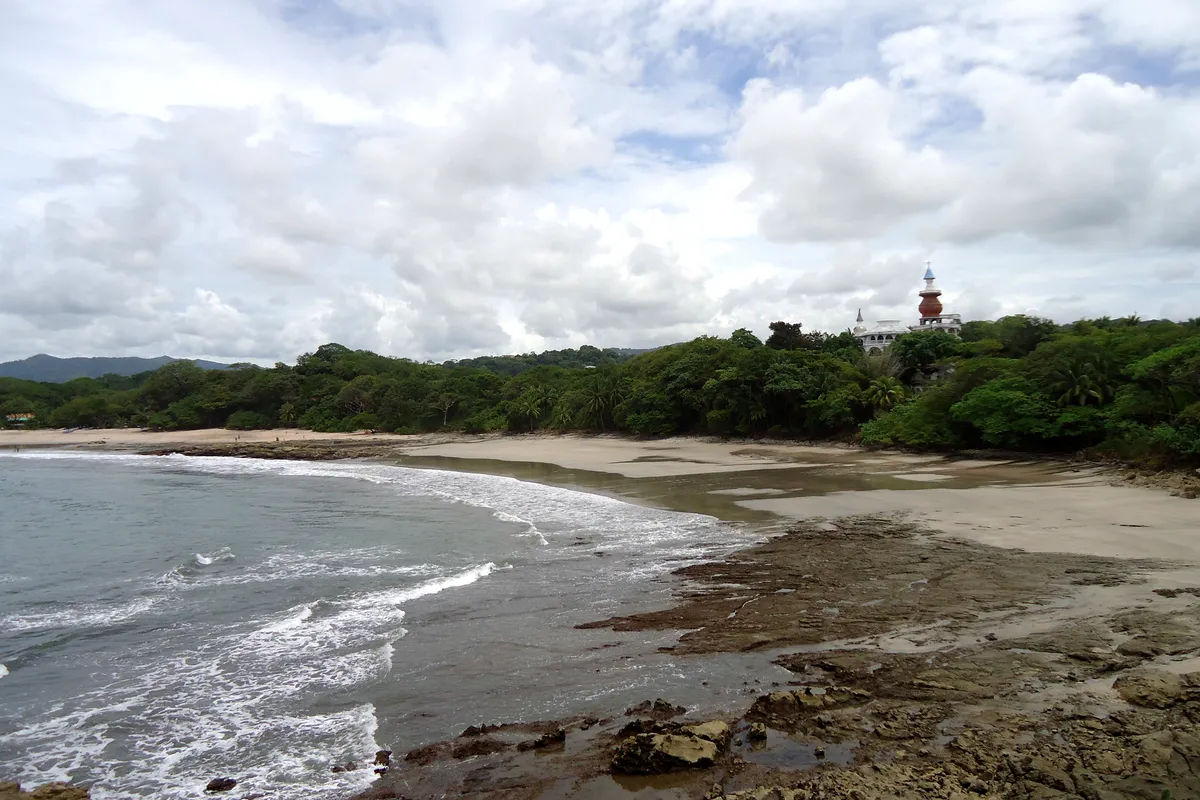
Playa Negra, a black-sand beach just west of town, has beach-break peaks that can be good on the right swell and is often less crowded. Further east, beaches such as Punta Uva and Manzanillo are usually calm and better for swimming and snorkelling.
The Caribbean swell season
Puerto Viejo's surf depends on swells generated in the Caribbean Sea, mainly by winter weather systems and strong trade winds. The best season is usually from December to March, when swells are most frequent. A smaller window sometimes occurs around June and July. Outside these periods, the sea can be flat for long stretches.
The Caribbean side has a different weather pattern from the Pacific, with rain possible throughout the year. September and October, the wettest months on the Pacific, are often among the driest and calmest on the Caribbean.
Getting to Puerto Viejo
Puerto Viejo is roughly four to five hours from San José by road, via Limón, through mountains and lowland plantations. Buses run several times a day, and shuttles and rental cars are available. There is no commercial airport nearby. The road can be affected by weather and roadworks.
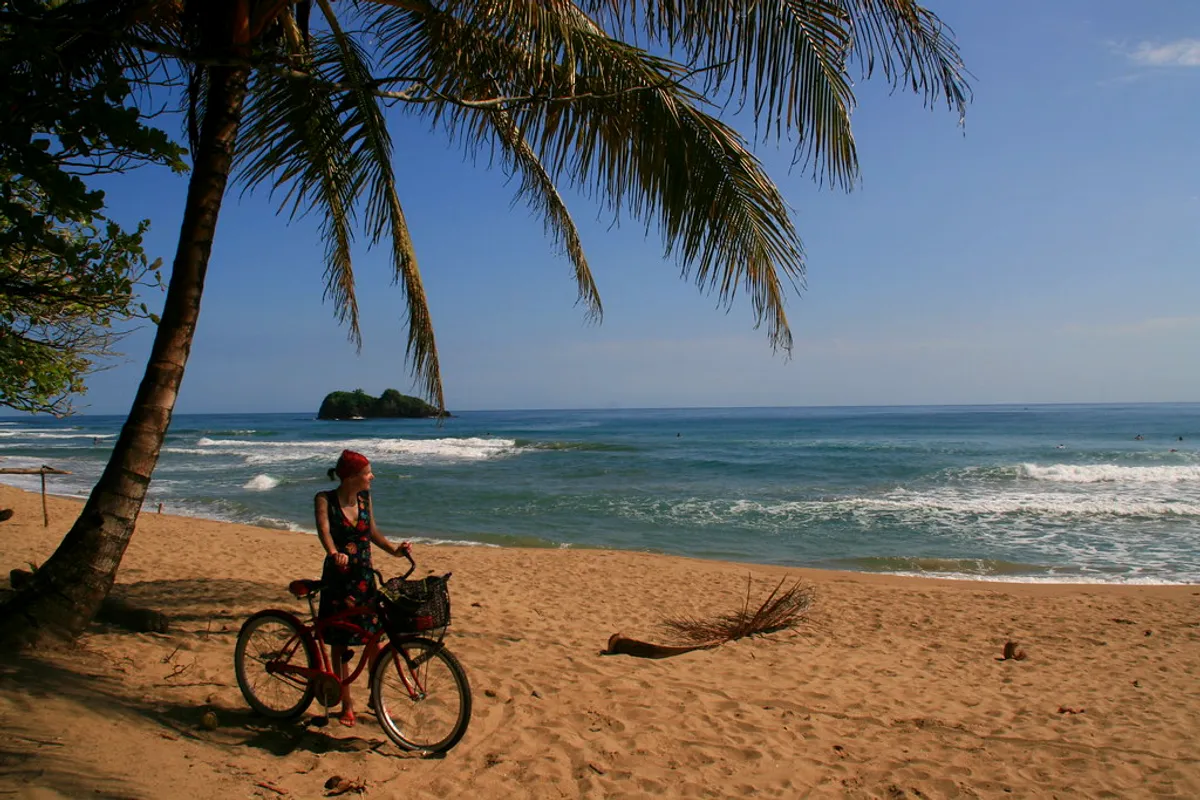
In Puerto Viejo, bicycles are the classic way to get around, and many guesthouses rent them. The coastal road to Cocles, Punta Uva and Manzanillo is flat and scenic.
Where to stay in Puerto Viejo
Puerto Viejo has accommodation for all budgets, from hostels and simple cabinas in town to boutique hotels and jungle lodges along the road to Manzanillo. Staying in town puts you near Salsa Brava, restaurants and nightlife, while Cocles and the beaches further east offer quieter, more natural surroundings.
Cahuita, Manzanillo and wildlife
North of Puerto Viejo, Cahuita National Park protects a coral reef and coastal forest, with easy trails where you can see sloths, monkeys and birds. To the south-east, the Gandoca-Manzanillo Wildlife Refuge protects beaches, wetlands and reefs near the Panama border. Both are excellent on flat days.
The Jaguar Rescue Center, near Playa Chiquita, rehabilitates injured wildlife, and the Bribri Indigenous territories inland offer cultural tours, including visits to cacao farms.
Food and Afro-Caribbean culture
The food in Puerto Viejo reflects its Caribbean roots: rice and beans cooked in coconut milk, rondón seafood stew, patí pastries and jerk chicken, alongside Costa Rican casados and international cuisine. Many locals speak Mekatelyu, a Creole language, as well as Spanish and English. Music, especially reggae and calypso, is part of daily life, and the town has a lively nightlife.
Safety and what to pack
The water is warm year-round, so a rash vest is enough. Bring booties for Salsa Brava, high-protection reef-safe sunscreen, insect repellent and a rain jacket. Petty theft can occur, so lock bikes and do not leave valuables on the beach. Rip currents are common at Cocles; follow lifeguard advice and surf within your ability.
Puerto Viejo or Bocas del Toro?
Puerto Viejo is only a short distance from the Panama border, and many surfers combine it with Bocas del Toro, Panama's Caribbean archipelago, which shares a similar swell season. Bocas has more reef breaks spread across islands, reached by water taxi, while Puerto Viejo offers Salsa Brava and easy beach breaks within cycling distance. Crossing the border at Sixaola is straightforward but check entry requirements.
Reading Caribbean swell on the south coast
Surf on Costa Rica's Caribbean coast is far less consistent than on the Pacific side. Instead of long-period groundswells from distant storms, Puerto Viejo relies on swells generated in the Caribbean Sea itself: strong trade winds blowing across the basin, and cold fronts pushing south from North America in the northern winter. These swells tend to have shorter periods and can arrive and fade within a few days.
That makes flexibility valuable. If you are coming specifically for Salsa Brava, which needs a solid swell to show its full power, plan a longer stay in the December to March window and watch forecasts closely. On smaller days, Playa Cocles and the beaches towards Punta Uva often still have rideable waves, and the reef can be glassy early in the morning before the wind picks up. Locals keep a close eye on the forecast and the line-up fills quickly when a good swell arrives.
Respecting the community
Puerto Viejo's local surfers know Salsa Brava intimately, and the line-up is tight-knit. Wait your turn, avoid dropping in and give locals priority. Out of the water, support local businesses, respect the Afro-Caribbean and Bribri communities and help keep the beaches clean.
Puerto Viejo surf season month by month
A broad planning picture, not a forecast. Swell, wind and water temperature vary from year to year.
| January | Prime season: Caribbean swells are most frequent. Salsa Brava can fire. |
|---|---|
| February | Still good swells and a mix of sun and rain. |
| March | Swells continue but become less frequent late in the month. |
| April | Mostly flat; good for snorkelling and exploring. |
| May | Usually small, with occasional short-lived swells and warm rain. |
| June | A secondary window can bring small swells. |
| July | Occasional trade-wind swells; showers and humid afternoons. |
| August | Often small and variable; a better month for the reef than the waves. |
| September | Often calm and among the drier months on the Caribbean side. |
| October | Calm seas and good snorkelling; little surf. |
| November | Swells start to return late in the month. |
| December | The season begins, with Caribbean swells and holiday visitors. |
Learning to surf in Puerto Viejo
Playa Cocles is the main learning beach, with surf schools offering lessons and board rental. The season, from December to March, brings the most consistent waves, though some days can be too powerful for beginners. Salsa Brava is for experienced surfers only.
Ask schools about instructor qualifications, group sizes and rip current safety, which is especially important at Cocles.
Comparing options across the country? Read our guide to surfing in Costa Rica.
Seasonal notes on this page describe typical patterns, not the conditions on a given day. Use the local forecast, lifeguard advice and a qualified instructor for water-safety decisions, and get a written breakdown of what any surf package includes before paying.
Puerto Viejo surf trip questions
When is the best time to surf Puerto Viejo?
December to March, when Caribbean swells are most frequent. There is sometimes a smaller window around June and July.
What is Salsa Brava?
A heavy, hollow right-hand reef break over shallow coral in front of Puerto Viejo, one of the most powerful waves in Central America.
Is Puerto Viejo good for beginners?
Yes, at Playa Cocles, which has surf schools and gentler days. Salsa Brava is for experts.
How far is Puerto Viejo from San José?
Roughly four to five hours by road via Limón, depending on traffic and road works. Direct shuttles and public buses run from San José.
Can I combine Puerto Viejo with Bocas del Toro?
Yes. Bocas del Toro in Panama is close to the border and shares a similar swell season.
Do I need a wetsuit in Puerto Viejo?
No. The Caribbean water is warm all year, so boardshorts or a swimsuit and a rash vest for sun protection are enough.
How consistent is the surf in Puerto Viejo?
Less consistent than the Pacific coast. Swells are generated within the Caribbean by trade winds and winter cold fronts, so they come in pulses lasting a few days, with flat spells in between, especially outside December to March.
Sources & editorial notes
Destination context checked against the sources below. Base-selection and itinerary suggestions are Book & Surf editorial recommendations. Seasonal windows are broad planning suggestions, not measured forecasts or guarantees.
- Wikipedia: Puerto Viejo de Talamanca ↗
- Wikipedia: Cahuita National Park ↗
- Wikipedia: Gandoca-Manzanillo Mixed Wildlife Refuge ↗
We do not claim to have personally surfed every break. Read our editorial standards.