The breaks
Recognised, publicly known surf spots around Bocas del Toro. Suitability depends on the day's swell, wind and tide, so treat the level as a guide, not a guarantee.
| Break | Type | Best for | Notes |
|---|---|---|---|
| Silverbacks | Right-hand reef | Expert | Powerful right off Isla Bastimentos that can hold big swells, reached by boat. Heavy barrel sections. |
| Carenero | Left-hand reef | Intermediate | Popular left off Isla Carenero, a short water-taxi ride from town. Fast and hollow on bigger swells. |
| Paunch | Reef break | Intermediate | Left and right reef on Isla Colón, suiting intermediates. |
| Dumpers | Reef break | Expert | Heavy, shallow wave on Isla Colón for experienced surfers. |
| Bluff Beach | Beach break | Intermediate–Advanced | Long, wild beach on Isla Colón with powerful, hollow waves and strong currents. |
An archipelago on the Caribbean
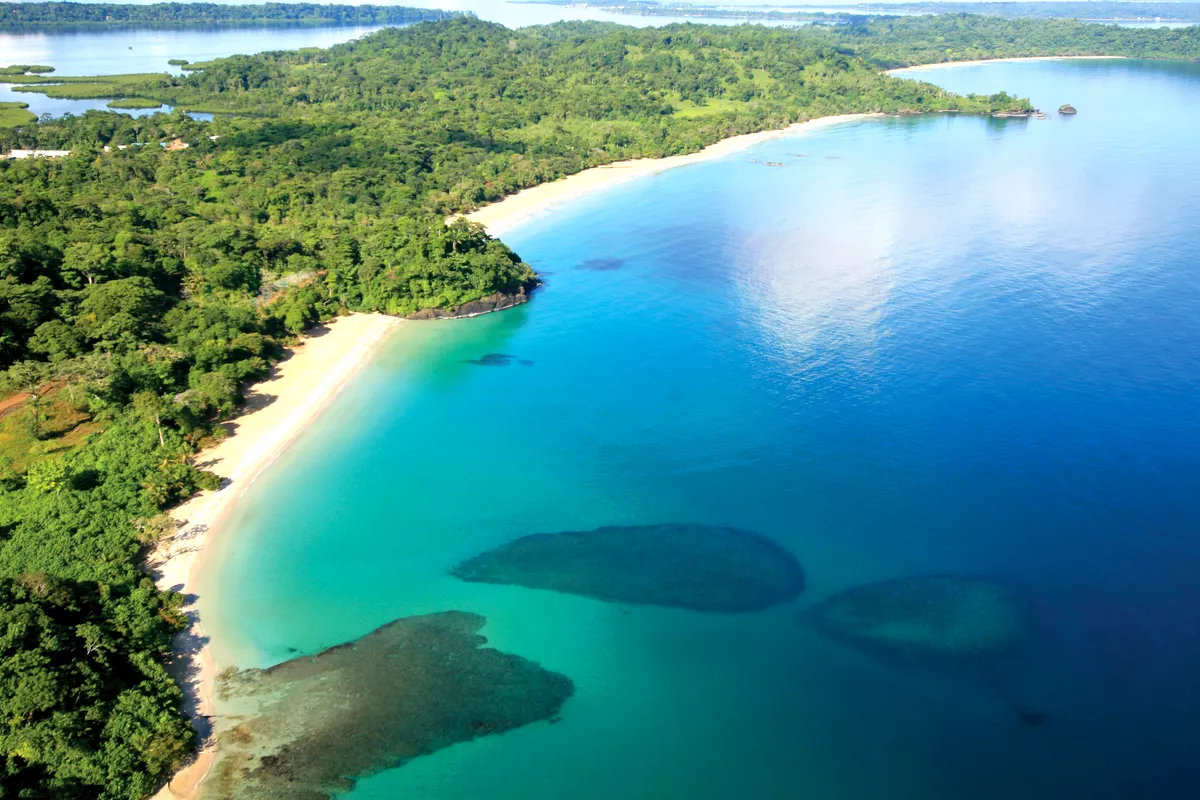
Bocas del Toro is a province of Panama made up of mainland rainforest and an archipelago of islands in the Caribbean Sea. The main island, Isla Colón, is home to Bocas Town, a colourful, laid-back town of wooden buildings on stilts over the water, with restaurants, bars and guesthouses. Nearby islands, including Carenero and Bastimentos, are reached by water taxi in minutes.
The archipelago has a mix of cultures, including Afro-Caribbean communities, the Indigenous Ngäbe people and international residents, and a relaxed, island atmosphere. For surfers, it offers a cluster of reef and beach breaks that come alive when Caribbean swells arrive.
Silverbacks
Silverbacks, off the coast of Isla Bastimentos, is Bocas del Toro's most famous wave: a powerful right-hand reef break that can hold big swells, producing large, steep waves with heavy barrel sections. It breaks far from shore, reached by boat, and is often compared to big-wave spots elsewhere in the world when it is at its best.
Silverbacks is for experienced surfers only. The reef is shallow in places, the waves are powerful and the line-up can be intense on big days. Local boat drivers know the best times and positions.
Carenero and the island reefs
Isla Carenero, a short water-taxi ride from Bocas Town, has a left-hand reef break that suits intermediate surfers on most days and can be fast and hollow on bigger swells. It is one of the most popular waves in the archipelago, thanks to its proximity to town.
Other reefs around the islands work on different swells and winds. Paunch, on Isla Colón, is a reef break with a left and right that suits intermediates, and Dumpers, nearby, is a heavy, shallow wave for experts.
Bluff Beach and the beach breaks
On the east side of Isla Colón, Bluff Beach is a long, wild beach with powerful beach-break waves, reached by road from Bocas Town. It can produce heavy, hollow waves on bigger swells and is better for experienced surfers, though gentler days suit improvers. Strong currents are common.
Red Frog Beach, on Isla Bastimentos, is better known for its tiny red poison-dart frogs and resort than surf, though waves can break there on the right swell.
The Caribbean swell season
Bocas del Toro's best surf season usually runs from December to March, when winter weather systems and strong trade winds in the Caribbean generate swell. There is sometimes a secondary window around June and July. Outside these periods, the sea can be flat for long stretches.
The archipelago is rainy year-round, but September and October are often relatively calm and dry, a good time for diving and snorkelling rather than surfing.
Getting there and water taxis
Bocas del Toro has a small airport on Isla Colón, with flights from Panama City taking about an hour. Alternatively, travellers can drive or take a bus to Almirante on the mainland and catch a water taxi to Bocas Town. Many travellers also arrive overland from Costa Rica, crossing the border at Sixaola and Guabito.
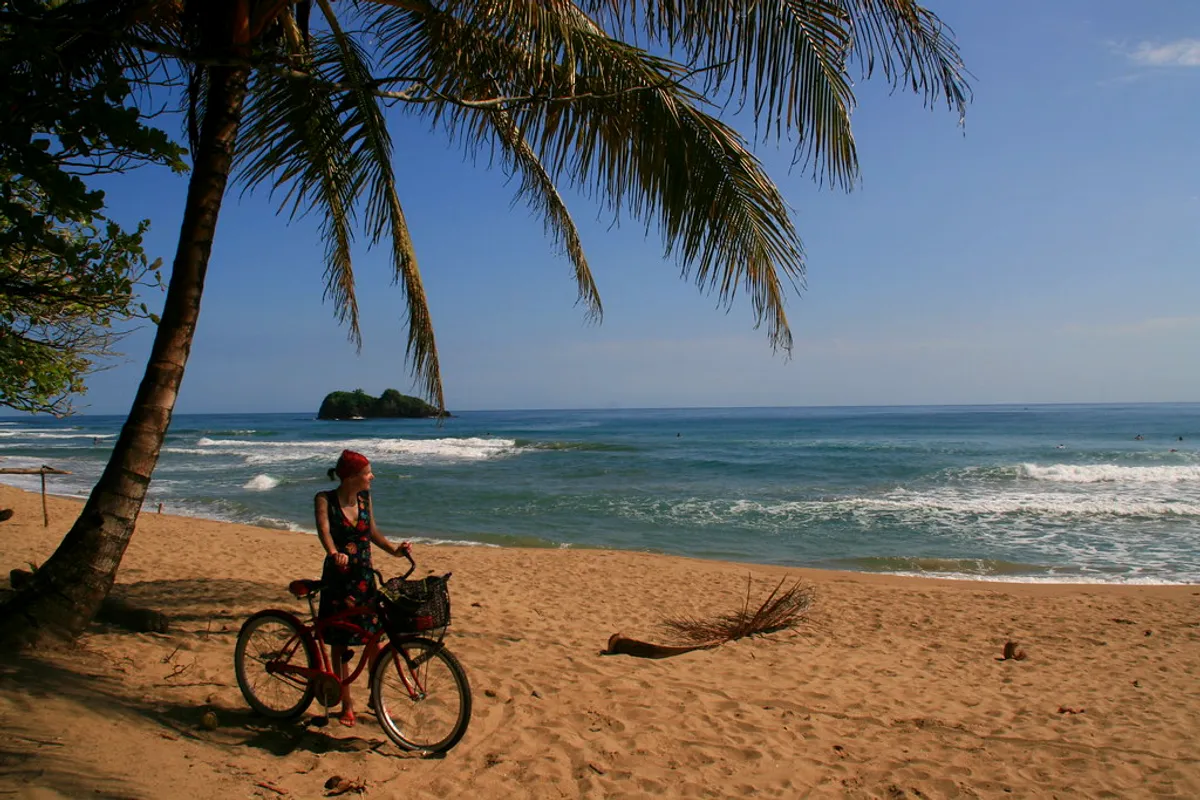
Within the archipelago, water taxis are the main way to get between islands and to surf breaks. Bikes and taxis are used on Isla Colón, including for reaching Bluff Beach.
Where to stay in Bocas del Toro
Bocas Town, on Isla Colón, has the widest choice of accommodation, from hostels to hotels on stilts over the water, along with restaurants, bars and nightlife. Isla Carenero, across a narrow channel, is quieter and close to its reef break. Isla Bastimentos has eco-lodges and resorts in a more natural setting.
Book ahead in peak season, especially around Christmas and New Year.
Bastimentos National Marine Park
Isla Bastimentos National Marine Park, one of Panama's oldest marine parks, protects rainforest, mangroves, coral reefs and beaches where sea turtles nest. Snorkelling trips to the Cayos Zapatilla, two small islands within the park, are popular, as are visits to Starfish Beach on Isla Colón. Dolphins are often seen in the bays.
Food and island culture
Bocas del Toro's food reflects its Caribbean and Afro-Panamanian heritage, with dishes such as rice and beans cooked in coconut milk, fried fish and patacones, and rondón stew. The islands also have a range of international restaurants. Guari-Guari, a Creole language, is spoken in some communities alongside Spanish and English.
Safety and what to pack
The water is warm year-round, so a rash vest is enough. Bring reef booties for the shallow reefs, high-protection reef-safe sunscreen, insect repellent and a rain jacket. Water-taxi rides can be choppy, so protect electronics with a dry bag. Take normal precautions with valuables, particularly in Bocas Town at night.
Boats, swell and timing in the archipelago
Surfing Bocas del Toro is shaped by water taxis as much as by waves. Most breaks, including Carenero and Silverbacks, are reached by small boat, so a typical surf day starts with arranging a ride from the docks in Bocas Town, agreeing on a pick-up time and paddling out from the boat. Drivers who know the reefs will advise on where the swell is best and where to sit safely. Agree prices before setting off and carry cash.
Swells in the archipelago come from within the Caribbean, generated by strong trade winds and by cold fronts moving south in the northern winter. They tend to arrive in pulses of a few days, so the outer reefs can go from flat to powerful and back again within a week. Because the islands face different directions, one break is often working when another is not: Bluff Beach, open to the north-east, picks up more swell than the sheltered reefs, while Carenero and Paunch need a little more size. A stay of a week or two in the December to March window gives the best chance of catching a good run of swell.
Bocas del Toro or Puerto Viejo?
Puerto Viejo, just across the border in Costa Rica, shares a similar swell season and Caribbean culture. Bocas offers more reef breaks spread across islands, reached by boat, and an island-hopping lifestyle, while Puerto Viejo has Salsa Brava and beach breaks within cycling distance. Many surfers combine both on one trip.
Bocas del Toro surf season month by month
A broad planning picture, not a forecast. Swell, wind and water temperature vary from year to year.
| January | Peak swell month: trade-wind and cold-front swells reach the outer reefs most often. |
|---|---|
| February | Reliable pulses of swell; Carenero and Paunch busy, Silverbacks on big days. |
| March | Swells continue early in the month, then fade as the trade winds ease. |
| April | Generally small surf; a good month for snorkelling around the cays. |
| May | Mostly small, with tropical showers; time for island-hopping trips. |
| June | A mid-year window can bring rideable swells to the island reefs. |
| July | Occasional swells from strong trade winds; humid and changeable weather. |
| August | Usually small waves; calm, clear water for diving and the marine park. |
| September | Often calm and among the driest months; excellent visibility underwater. |
| October | Calm seas and little surf; a quiet month for boat trips and wildlife. |
| November | Swells begin to return late in the month as northern fronts arrive. |
| December | The swell season starts, along with busy holiday weeks in Bocas Town. |
Learning to surf in Bocas del Toro
Bocas del Toro's best-known waves are reef breaks for intermediate and advanced surfers, but surf schools offer lessons on gentler reefs and beach breaks on smaller days. Lessons usually include soft-top boards, rash vests and water-taxi transport. Ask about group sizes, instructor experience and which spots are used, and wear booties on reef breaks.
Comparing options across the country? Read our guide to surfing in Panama.
Seasonal notes on this page describe typical patterns, not the conditions on a given day. Use the local forecast, lifeguard advice and a qualified instructor for water-safety decisions, and get a written breakdown of what any surf package includes before paying.
Bocas del Toro surf trip questions
When is the best time to surf Bocas del Toro?
December to March, when Caribbean swells are most frequent. There is sometimes a smaller window around June and July.
What is Silverbacks?
A powerful right-hand reef break off Isla Bastimentos that can hold big swells, Bocas del Toro's most famous wave.
Is Bocas del Toro good for beginners?
Some reefs and beach breaks suit beginners on smaller days with an instructor, but many waves are for experienced surfers.
How do I get to Bocas del Toro?
Fly from Panama City to Isla Colón, about an hour, or travel overland to Almirante and take a water taxi. Many also arrive from Costa Rica via Sixaola.
Do I need a wetsuit in Bocas del Toro?
No. The water is warm year-round. A rash vest protects against sun and reef, and booties help on the shallow breaks.
Can I combine Bocas del Toro with Puerto Viejo?
Yes. Puerto Viejo, in Costa Rica, is close to the border and shares a similar swell season.
How do I get to the surf breaks in Bocas del Toro?
Most reef breaks, including Carenero and Silverbacks, are reached by water taxi from the docks in Bocas Town. Bluff Beach and Paunch on Isla Colón can be reached by bike, taxi or road. Agree boat prices and pick-up times beforehand.
Sources & editorial notes
Destination context checked against the sources below. Base-selection and itinerary suggestions are Book & Surf editorial recommendations. Seasonal windows are broad planning suggestions, not measured forecasts or guarantees.
- Wikipedia: Bocas del Toro Province ↗
- Wikipedia: Isla Bastimentos National Marine Park ↗
- Wikipedia: Isla Colón ↗
We do not claim to have personally surfed every break. Read our editorial standards.