The breaks
Recognised, publicly known surf spots around Santa Catalina. Suitability depends on the day's swell, wind and tide, so treat the level as a guide, not a guarantee.
| Break | Type | Best for | Notes |
|---|---|---|---|
| Santa Catalina (La Punta) | Right-hand reef | Intermediate–Advanced | Long, powerful rights over volcanic rock with hollow sections on solid swells. Strongly tide-dependent; booties useful. |
| Playa Estero | Beach break | Beginner–Intermediate | Sandy beach at a river mouth near the village, with gentler waves used by surf schools. Strong currents near the river. |
| Isla Cébaco | Reef & beach | Intermediate–Advanced | Island south-east of the village with quieter waves, reached by boat. |
| Morro de Puercos | Point & reef | Advanced | Remote coast further south with uncrowded waves for self-sufficient surfers. |
A village at the end of the road
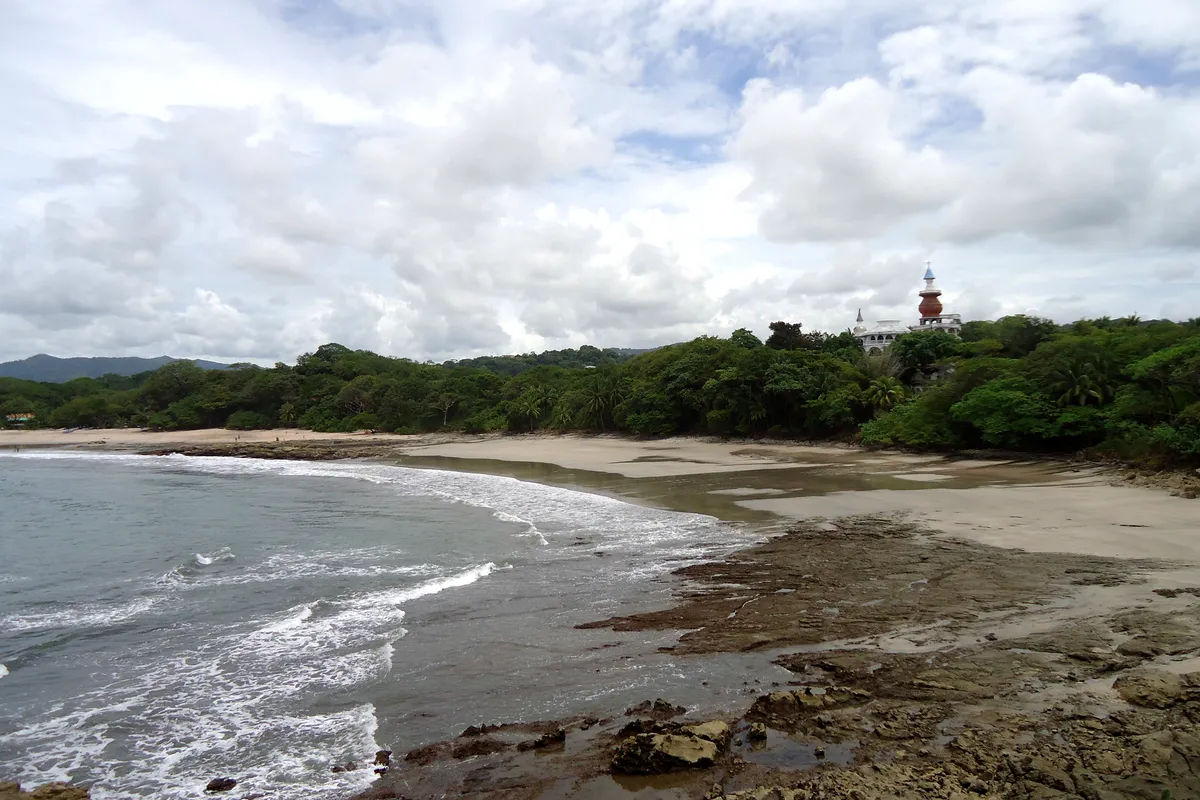
Santa Catalina sits on the Pacific coast of Veraguas, about six hours' drive west of Panama City, at the end of a road that winds through farmland and forest from the town of Soná. Until the 1970s and 1980s, it was a remote fishing village. Then travelling surfers discovered its reef, and word slowly spread about a powerful right-hand wave in a place with few facilities and fewer people.
Today, Santa Catalina has surf camps, dive shops, small hotels and restaurants, but it remains a village rather than a resort. Electricity, internet and services are more reliable than they once were, yet the pace is still slow, and many visitors come for a mix of surfing, diving and simply switching off.
The Santa Catalina reef
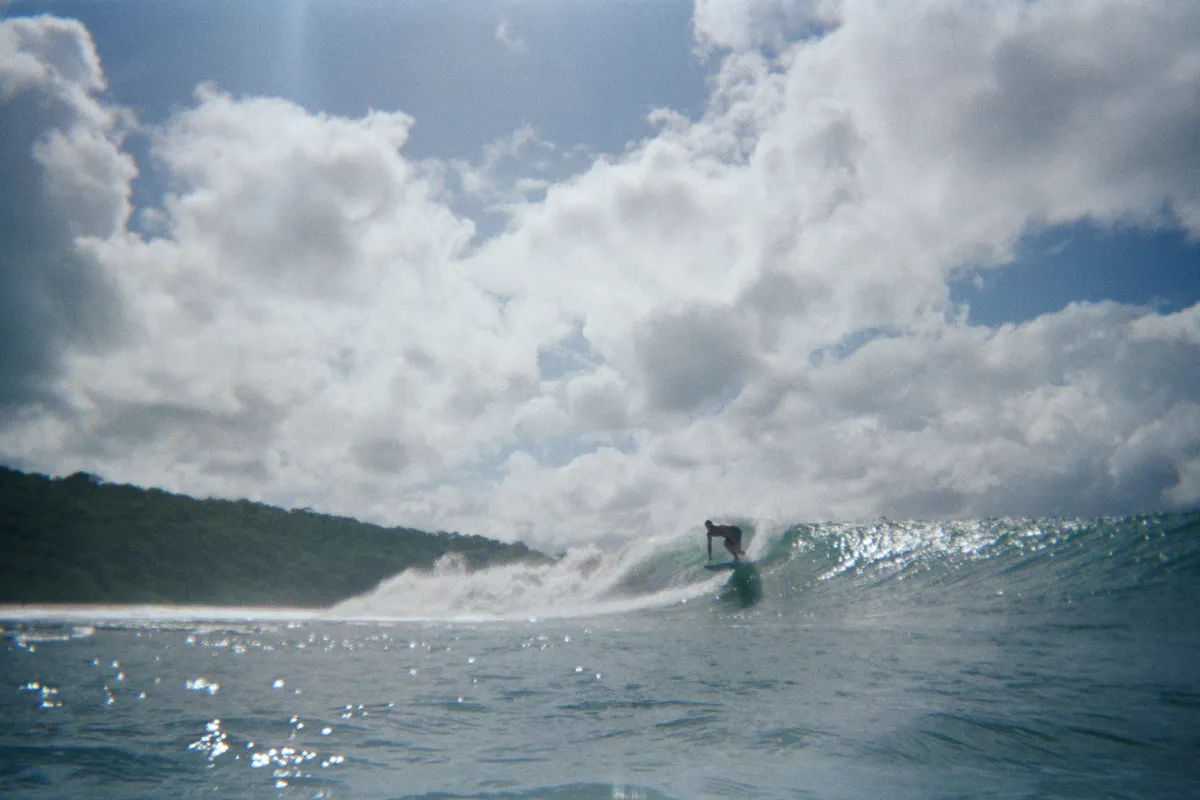
The village's main wave, usually just called Santa Catalina or La Punta, breaks over a volcanic rock reef at the point. On a solid south swell, it produces long, powerful right-hand waves with hollow sections, and it can hold big swells. There is also a shorter left. The reef is shallow in places and covered with sharp rock, so booties are useful.
The wave is strongly affected by the tide. Panama's Pacific coast has a large tidal range, and Santa Catalina is generally considered best on the incoming tide towards high, though the ideal window shifts with swell size. Ask local surfers or your camp about timing before paddling out.
Estero and the beginner beach
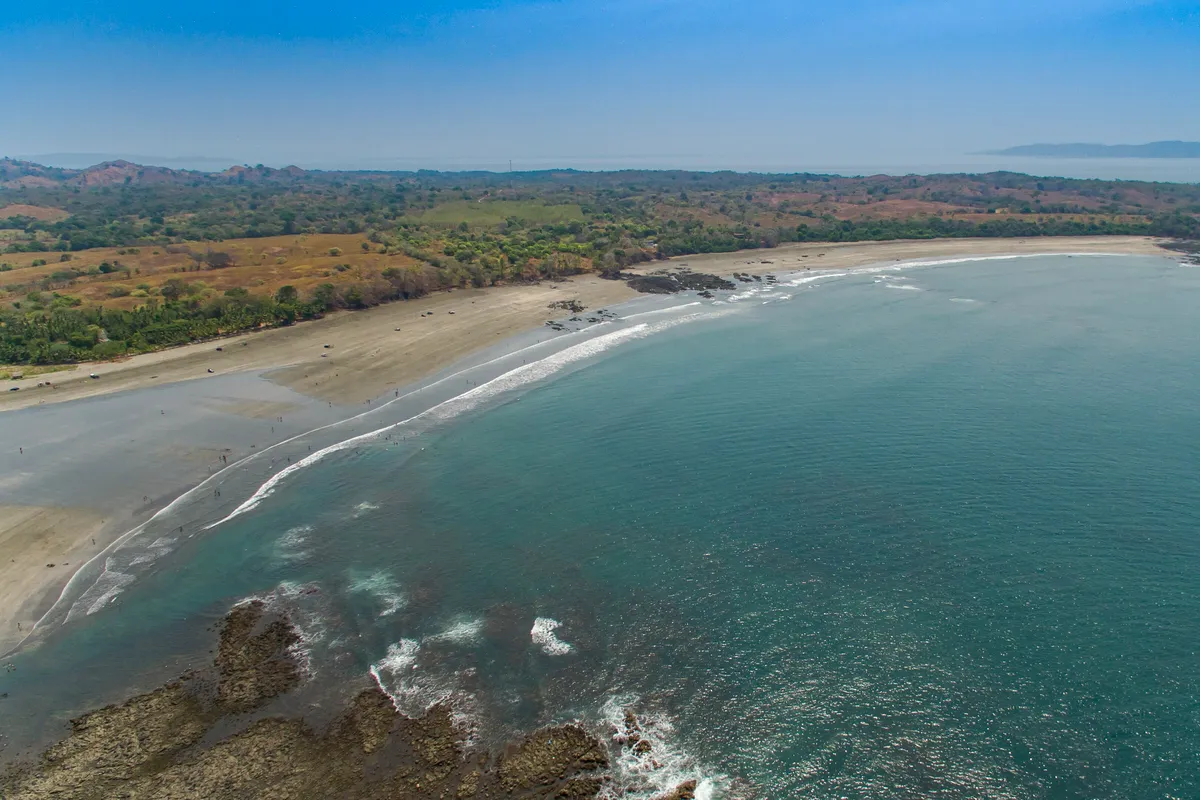
A short walk from the village, Playa Estero is a long, sandy beach at a river mouth, with gentler beach-break waves that suit beginners and improvers. Surf schools teach here, and the softer conditions make it a good alternative on days when the reef is too big or the tide is wrong.
Currents can be strong near the river mouth, particularly on outgoing tides and after heavy rain, so take care and stay within your ability.
Other breaks nearby
The coast around Santa Catalina has several other reef and beach breaks that work on different swells and tides, some reached by boat. Isla Cébaco, south-east of the village, and the coast towards Morro de Puercos have quieter waves for experienced, self-sufficient surfers. Local boat operators and surf camps can arrange trips when conditions suit.
Because conditions change with the tide, many surfers plan two sessions a day: one at the reef on the right tide and another at Estero or a nearby break.
Swell season and tides
The best surf season runs from roughly April to October, when consistent south swells from the Southern Hemisphere arrive. This is the rainy season, with sunny mornings and afternoon storms. The biggest swells usually come in the middle of the season.
From December to March, the dry season brings smaller swells and stronger offshore winds, which suit beginners at Estero. The tidal range on this coast can be several metres, so a tide table is as important as a swell forecast.
Coiba National Park
Santa Catalina is the main gateway to Coiba National Park, a UNESCO World Heritage Site covering Coiba Island and more than thirty smaller islands and surrounding waters. Coiba was once a penal colony, which kept it largely undeveloped, and its forests and reefs are now protected. The park is known for whale sharks, humpback whales in season, dolphins, turtles, reef sharks and huge schools of fish.
Dive shops and boat operators in Santa Catalina run day trips for diving and snorkelling, and some offer overnight stays at the ranger station. Visitors pay a park fee. A flat day spent at Coiba is often a highlight of a trip.
Getting to Santa Catalina
From Panama City, the drive takes about six hours via the Pan-American Highway to Santiago, then south through Soná to the coast. Buses run from Panama City to Santiago and Soná, with connections to Santa Catalina, though the journey is long. Many visitors hire a private shuttle or rent a car. There is no airport in Santa Catalina.
Once in the village, everything is walkable or a short ride away. Boats are used for Coiba and some surf breaks.
Where to stay in Santa Catalina
Santa Catalina has a range of accommodation, from simple hostels and surf camps to boutique hotels and eco-lodges, some overlooking the point. Many offer surf and dive packages. The village is small, so book ahead in peak season.
Services are limited: there are a few small shops and restaurants, and ATMs may not always be reliable, so bring enough cash from Santiago or Soná.
What to pack for Santa Catalina
The water is warm year-round, so a rash vest or surf top is enough. Bring reef booties for the rocky point, high-protection reef-safe sunscreen, a hat and insect repellent, particularly in the rainy season. A basic first-aid kit for reef cuts is essential, as medical facilities are limited.
If you plan to dive or snorkel at Coiba, many dive shops rent equipment, but bring your own mask if you prefer.
Respecting the village and the reef
Santa Catalina's line-up at the point includes local surfers who have ridden the wave for decades. Wait your turn, avoid dropping in and give way to locals. Because the wave can be crowded on good days, early sessions and smaller tides can offer more space.
Out of the water, support local businesses, respect the fishing community and help protect the marine environment by avoiding single-use plastic and following park rules at Coiba.
A week in Santa Catalina
A typical week might include several sessions at the point, timed with the tides, a few sessions at Estero or other nearby breaks, a day trip to Coiba for snorkelling or diving and some time simply relaxing in hammocks. Evenings are quiet, with dinner in small restaurants and early nights before dawn sessions. Many surfers combine Santa Catalina with Playa Venao on the Azuero Peninsula or with a few days in Panama City.
Santa Catalina surf season month by month
A broad planning picture, not a forecast. Swell, wind and water temperature vary from year to year.
| January | Dry season: smaller swells and offshore winds. Good for beginners at Estero and diving at Coiba. |
|---|---|
| February | Still dry and windy, with small waves and clear water for snorkelling. |
| March | End of the dry season. The first south swells may arrive late in the month. |
| April | The south-swell season begins, with good waves and fewer crowds. |
| May | The rainy season starts, bringing consistent swells and afternoon storms. |
| June | Powerful, consistent swells. The point can be excellent on the right tide. |
| July | Peak swell season, with humpback whales arriving near Coiba. |
| August | Still consistent and powerful, with regular rain. |
| September | Good swells and whale-watching season around Coiba. |
| October | The tail of the season, with decent swells and the heaviest rain. |
| November | Rains ease and swells become less consistent. |
| December | Dry season begins, with small waves and sunny days. |
Learning to surf in Santa Catalina
Santa Catalina's reef is for experienced surfers, but Playa Estero is a good place to learn, with sandy, gentler waves near the village. Several surf camps and schools offer lessons there, including soft-top boards and rash vests.
The dry season, from December to March, usually brings smaller swells that suit beginners, while the rainy season can be too powerful at times. Ask schools how they plan lessons around the tides, which strongly affect conditions.
Comparing options across the country? Read our guide to surfing in Panama.
Seasonal notes on this page describe typical patterns, not the conditions on a given day. Use the local forecast, lifeguard advice and a qualified instructor for water-safety decisions, and get a written breakdown of what any surf package includes before paying.
Santa Catalina surf trip questions
When is the best time to surf Santa Catalina?
April to October brings consistent south swells, with the biggest waves in the middle of the season. December to March is smaller and suits beginners.
Is Santa Catalina good for beginners?
The main reef is for experienced surfers, but nearby Playa Estero has gentler waves and surf schools.
How do I get to Santa Catalina from Panama City?
By road, about six hours via Santiago and Soná, by private shuttle, rental car or bus.
What is the best tide for Santa Catalina?
The point is generally considered best on the incoming tide towards high, though the ideal window varies with swell size. Ask locally.
Can I visit Coiba National Park from Santa Catalina?
Yes. Dive shops and boat operators run daily trips for diving and snorkelling, and a park fee applies.
Are there ATMs in Santa Catalina?
ATMs may not always be reliable, so bring enough cash from Santiago or Soná.
Do I need booties in Santa Catalina?
They are useful at the point, which breaks over sharp volcanic rock.
Is Santa Catalina crowded?
The point can be busy on good days, especially in peak season, but the village is small and other breaks nearby are usually quieter.
Sources & editorial notes
Destination context checked against the sources below. Base-selection and itinerary suggestions are Book & Surf editorial recommendations. Seasonal windows are broad planning suggestions, not measured forecasts or guarantees.
We do not claim to have personally surfed every break. Read our editorial standards.