The breaks
Recognised, publicly known surf spots around Popoyo. Suitability depends on the day's swell, wind and tide, so treat the level as a guide, not a guarantee.
| Break | Type | Best for | Notes |
|---|---|---|---|
| Popoyo main reef | Reef break | Intermediate–Advanced | Consistent peak with a fast right and shorter left over rock reef. Crowded in peak season; shallow at lower tides. |
| Outer Reef | Big-wave reef | Expert | Offshore reef that produces large, powerful waves on big south swells. Long paddle or boat access. |
| Playa Santana | Beach & reef | Intermediate | Peaks north of Popoyo that often have fewer people. |
| Guasacate | Beach break | Beginner–Intermediate | Long beach south of Popoyo with gentler inside waves, used by surf schools. |
| Playa Colorado | Beach break | Advanced | Fast, hollow beach break to the north, with access mainly through a private community or by boat. |
Why Popoyo is so consistent
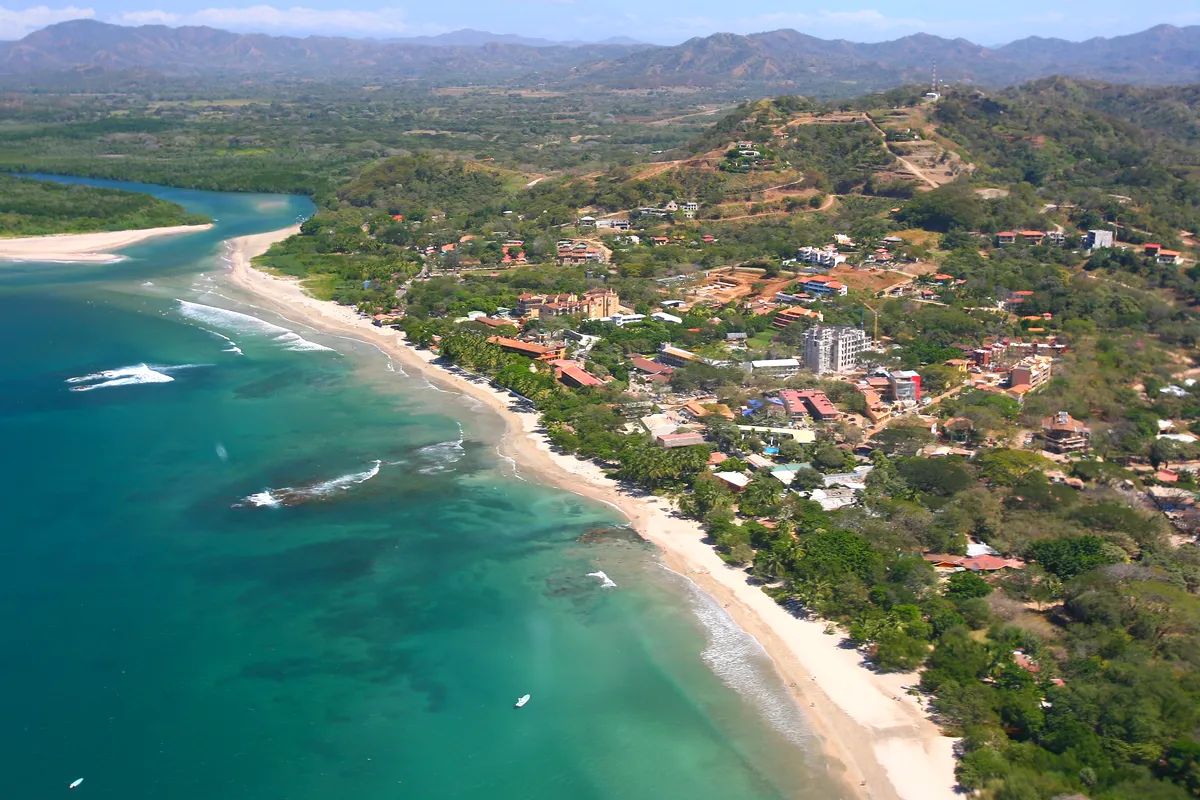
Popoyo sits on the coast of the municipality of Tola, facing south-west into the Pacific. It picks up almost every south swell, and its main wave breaks over a rock reef that turns those swells into a well-defined peak. Behind it, the narrow strip of land between the Pacific and Lake Nicaragua means that trade winds crossing the lake often arrive at the coast as offshore winds, keeping waves clean for much of the day.
That combination of swell exposure and wind has made Popoyo one of the most reliable surf spots in Central America. It has developed from a remote fishing area into a community of surf camps, guesthouses and small restaurants, though it still has a rural, dusty feel.
The main reef
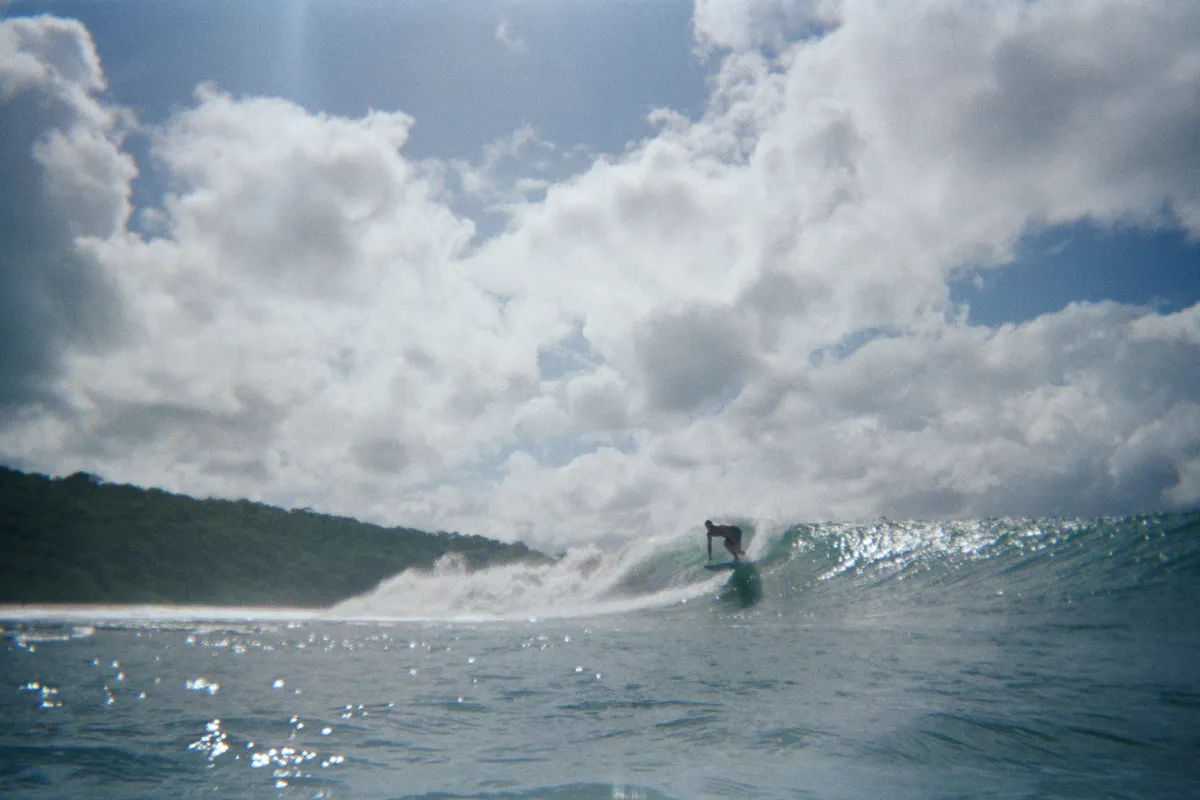
Popoyo's main wave is a reef break that produces a peak with a right and a shorter left. The right is usually the main attraction, offering fast, rippable walls that suit intermediate and advanced surfers. On bigger swells, it can become powerful and hollow. The reef is generally forgiving by reef standards, but rocks and shallow sections at lower tides demand care.
Because it is so consistent, the main reef can get crowded, especially in peak season. Early mornings are usually quieter.
The Outer Reef
Further offshore, the Outer Reef comes alive on big south swells, producing large, powerful waves that attract experienced big-wave surfers. It is reached by a long paddle or by boat, depending on conditions, and should only be attempted by experienced surfers with local knowledge. On big days, it is an impressive sight from the beach.
Playa Santana and Guasacate
North of Popoyo, Playa Santana has a mix of beach and reef peaks that suit intermediate surfers and often has fewer people than the main reef. South of Popoyo, Guasacate is a long beach with gentler waves on the inside, popular with surf schools and beginners.
These beaches give surfers of different levels options, and when the main reef is crowded or too big, they can offer good alternatives.
A day in Popoyo
A typical day in Popoyo starts early. Surfers head out at dawn, when the main reef is clean and less crowded, often with a light offshore breeze already blowing from the lake. Many surf camps serve breakfast after the first session, then take guests to another break, such as Playa Santana or Guasacate, depending on the swell and tide.
The middle of the day is hot, and most people rest in hammocks or by the pool. The offshore wind often holds through the afternoon, so a second session before sunset is common. Evenings are quiet, with dinner at camp or one of the small restaurants, and an early night before the next dawn session.
Playa Colorado and Panga Drops
Further north, Playa Colorado is a quality beach break known for fast, hollow waves, and Panga Drops is a nearby reef. Access is mainly through a private gated community or by boat from other beaches, so check current access arrangements with surf camps before planning a session.
Offshore winds and the seasons
The best surf season runs from roughly March to November. From May to October, the rainy season brings the biggest and most consistent swells, along with afternoon storms. March, April and November often offer good waves with fewer crowds.
From December to February, the dry season brings strong offshore winds and smaller swells. The wind can make paddling into waves difficult, and upwelling can cool the water. It is still a good time for beginners and those who enjoy smaller, clean waves.
Health, water and what to pack
Popoyo is rural, and services are limited. Drink bottled or filtered water, which most camps provide, and bring any medication you need. A basic first-aid kit is essential for reef cuts and scrapes. Pack high-protection sunscreen, a hat, insect repellent and a rash vest, as the sun is intense and offshore winds can make it feel cooler than it is.
ATMs are not always available nearby, so bring enough cash for local purchases. Mobile coverage is generally available but can be patchy. Check your travel insurance covers surfing and medical evacuation.
Getting to Popoyo from Managua
Managua's international airport is roughly two to three hours' drive from Popoyo. Some surfers fly into Liberia in Costa Rica and cross the land border at Peñas Blancas, which can be quicker; check border requirements in advance. Most surf camps arrange transfers.
Roads to Popoyo include unpaved sections, which can be rough in the rainy season. Once there, many places are within walking distance of the beaches, and some camps provide transport to other breaks.
Surf camps and staying in Popoyo
Most visitors stay in surf camps or guesthouses, many of which offer packages including accommodation, meals, guiding and transport. Options range from simple hostels to more comfortable lodges. Facilities in the area are limited, with a few small shops and restaurants, so many camps provide meals.
Book ahead in peak season. Check your government's travel advice before visiting Nicaragua.
Respecting the community
Popoyo's growth has brought opportunities and challenges for the local community. Supporting locally owned businesses, hiring local guides and respecting local customs helps ensure that surf tourism benefits residents. In the water, respect local surfers, wait your turn and avoid dropping in. Keep beaches clean and be mindful of water and waste, as infrastructure is limited.
Popoyo surf season month by month
A broad planning picture, not a forecast. Swell, wind and water temperature vary from year to year.
| January | Dry season: strong offshore winds and smaller swells. Upwelling can cool the water. |
|---|---|
| February | Still windy and small. Good for beginners and clean, small waves. |
| March | The south-swell season begins, with good waves and fewer crowds. |
| April | Consistent south swells and offshore winds. A popular month. |
| May | The rainy season begins, with bigger swells and afternoon storms. |
| June | Consistent, powerful swells and green landscapes. |
| July | Peak season with big swells. The Outer Reef may break. |
| August | Consistent swells and rain. Busy with surf camps. |
| September | One of the wettest months, with powerful swells. |
| October | Still rainy with good swells; roads can be muddy. |
| November | Rains ease and swells remain consistent. A good shoulder month. |
| December | Dry season begins, with strong offshore winds and smaller waves. |
Learning to surf in Popoyo
Popoyo's main reef is for intermediate and advanced surfers, but beginners can learn at Guasacate, where the inside waves are gentler, and at other beaches chosen by surf schools. Many surf camps in Popoyo offer lessons with soft-top boards and rash vests.
The dry season brings smaller swells that suit beginners, though strong offshore winds can make paddling harder. Ask camps about instructor qualifications, group sizes and which beaches they use for lessons.
Comparing options across the country? Read our guide to surfing in Nicaragua.
Seasonal notes on this page describe typical patterns, not the conditions on a given day. Use the local forecast, lifeguard advice and a qualified instructor for water-safety decisions, and get a written breakdown of what any surf package includes before paying.
Popoyo surf trip questions
When is the best time to surf Popoyo?
March to November brings consistent south swells, with the biggest waves from May to October.
Is Popoyo good for beginners?
The main reef is for intermediates and above, but beginners can learn at Guasacate and other gentler beaches with surf schools.
Why are there so many offshore days at Popoyo?
Trade winds crossing Lake Nicaragua reach the Pacific coast as offshore winds, grooming the waves.
How do I get to Popoyo?
Fly to Managua and drive about two to three hours, or fly to Liberia in Costa Rica and cross the land border.
What is the Outer Reef?
An offshore reef near Popoyo that produces large, powerful waves on big south swells, for experienced big-wave surfers.
Do I need a wetsuit in Popoyo?
Usually not, though upwelling in the dry season can cool the water and some surfers wear a spring suit.
Are there ATMs in Popoyo?
Facilities are limited and ATMs may not be available nearby, so bring enough cash. Many surf camps accept card payments for packages.
Is Popoyo crowded?
The main reef can be busy in peak season, especially in the middle of the day. Early mornings and nearby beaches such as Playa Santana are often quieter.
What else is there to do near Popoyo?
Popoyo is quiet, but you can visit the colonial city of Granada, Ometepe Island in Lake Nicaragua or the beaches of San Juan del Sur, each within a few hours by road.
Can I surf Playa Colorado from Popoyo?
Access to Playa Colorado is mainly through a private gated community or by boat. Some surf camps arrange boat trips; check current arrangements before you go.
What is the best month to surf Popoyo?
Many surfers favour April, May or October and November, when swells are consistent and crowds lighter than mid-season.
Sources & editorial notes
Destination context checked against the sources below. Base-selection and itinerary suggestions are Book & Surf editorial recommendations. Seasonal windows are broad planning suggestions, not measured forecasts or guarantees.
We do not claim to have personally surfed every break. Read our editorial standards.