The lake that grooms the waves
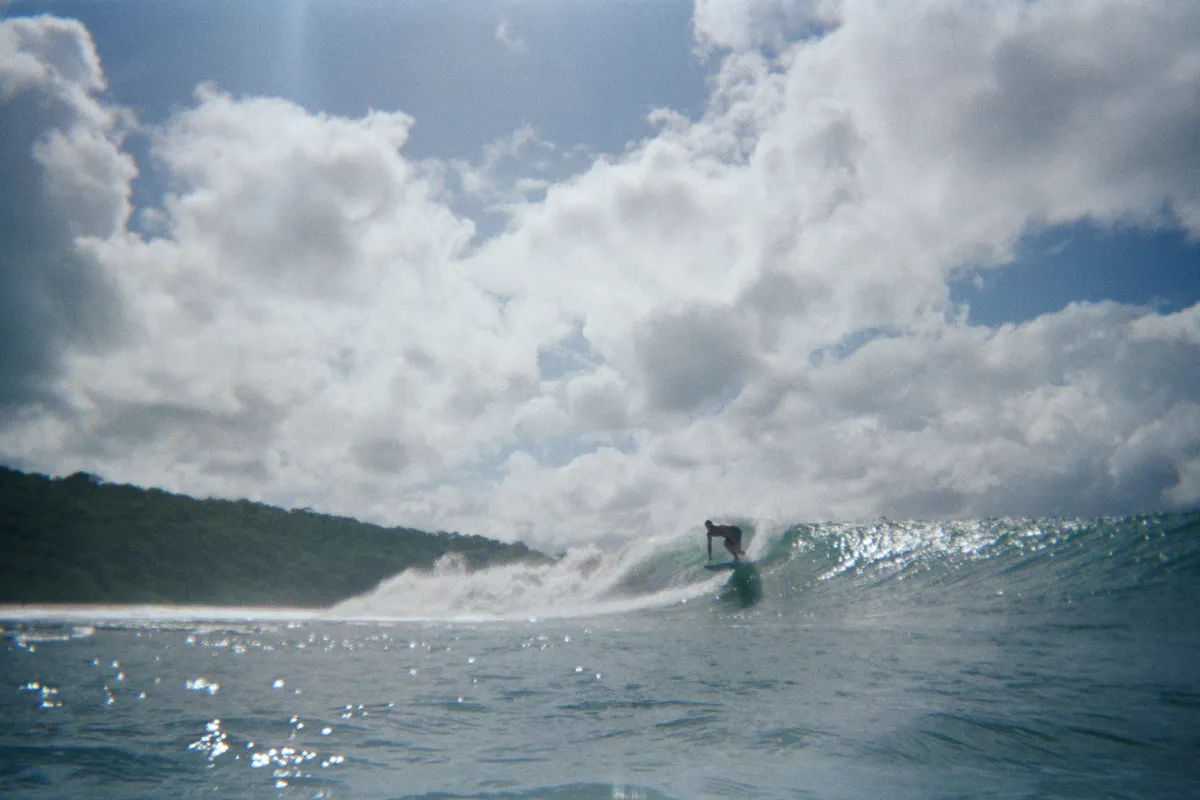
Lake Nicaragua, the largest lake in Central America, lies only a short distance inland from the Pacific coast in the south-west of the country. The trade winds that blow across the lake from the east continue over the narrow isthmus and reach the Pacific as offshore winds. Along the coast of Rivas and Tola, surfers enjoy offshore conditions on a high proportion of days, especially in the dry season, which helps keep waves clean and well shaped throughout the day.
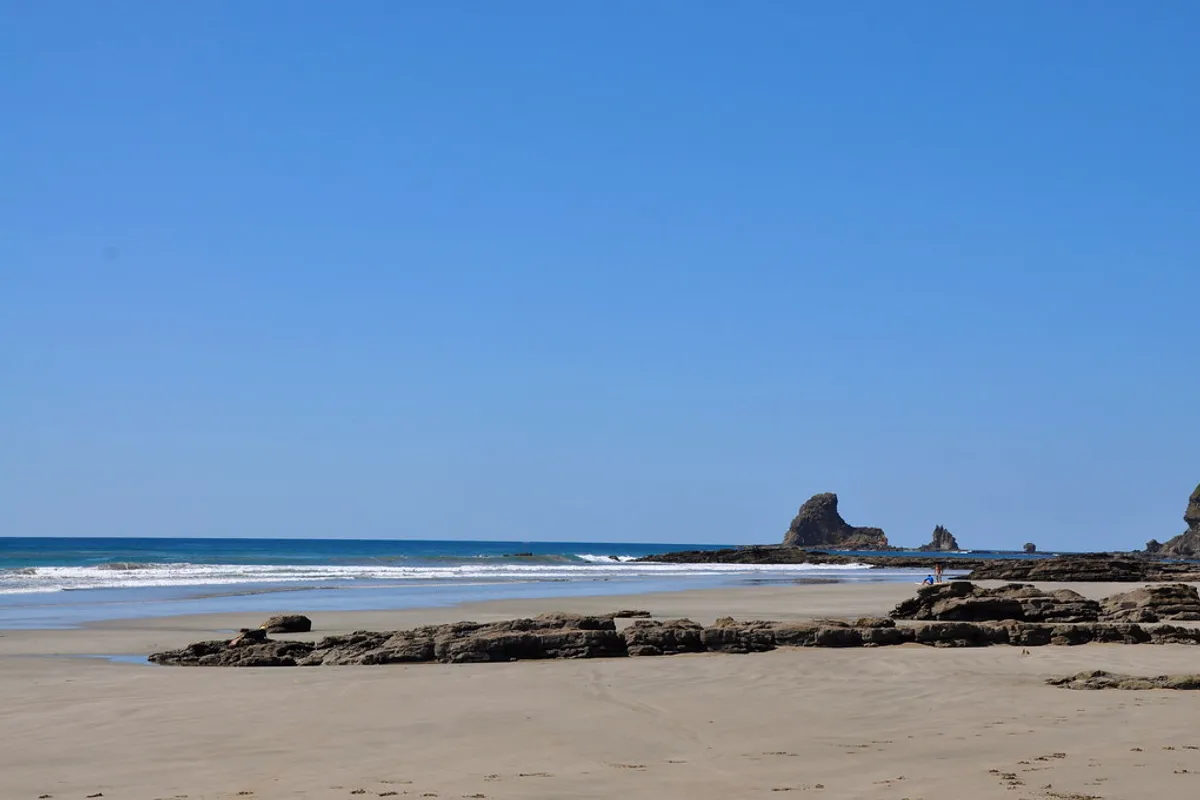
The coast faces south-west into the Pacific and receives consistent south swells, and the water is warm year-round. The result is a coastline of beach breaks, reefs and points that offer quality waves for a wide range of levels.
From remote coast to surf destination
Nicaragua's Pacific coast was largely unknown to travelling surfers until the 1990s, when a handful of adventurous surfers explored its beaches and reefs, discovering consistent waves and offshore winds. Word spread, and surf camps began to open around San Juan del Sur and Popoyo in the 2000s.
Today, the coast has a well-developed network of surf camps, hostels and boutique lodges, while still retaining a rural, uncrowded feel in many places. Surf tourism has become an important source of income for coastal communities, and a growing number of Nicaraguan surfers compete nationally and internationally.
Seasons, swell and wind
The main surf season runs from roughly March to November, when south swells from the Southern Hemisphere are most consistent. From about May to October, the rainy season brings green landscapes, afternoon storms and the biggest swells. March, April and November are popular shoulder months.
From roughly December to February, the dry season brings strong, consistent offshore winds and smaller swells. The winds can be so strong that paddling into waves becomes difficult, and upwelling can make the water noticeably cooler than usual. It is still a good time for beginners and those who enjoy smaller, clean waves.
Upwelling and the dry season
During the dry season, from roughly December to April, the strong offshore winds blowing from Lake Nicaragua push surface water away from the coast. Colder, deeper water rises to replace it, a process called upwelling. As a result, water temperatures on parts of the coast can drop noticeably, sometimes by several degrees, and many surfers wear a spring suit or long-sleeved top.
Upwelling also brings nutrients to the surface, supporting rich marine life. The combination of offshore winds and upwelling makes the dry season distinctive: clean, windy, smaller waves and cooler water.
Travel advice and safety
Nicaragua has experienced political unrest in recent years, and travel conditions can change. Check your government's current travel advice before planning a trip, follow local guidance and register with your embassy if recommended. Most visitors to the surf coast travel without incident, but staying informed is important.
In the water, rip currents and reefs are the main hazards. Lifeguard coverage is limited, so surf within your ability and with others. On land, take normal precautions with valuables and use reputable transport.
Getting there through Managua or Costa Rica
Managua's international airport is the main gateway, with flights from the United States and Central America. The surf coast around San Juan del Sur and Popoyo is roughly two to three hours' drive south. Some travellers fly into Liberia in north-west Costa Rica and cross the land border at Peñas Blancas, which can be quicker for the southern beaches; check border requirements in advance.
Shuttles and private drivers are the easiest way to reach the coast. Many surf camps arrange transfers. Roads to some beaches are unpaved and can be rough in the rainy season, so a 4x4 is useful.
Surf camps and how to choose one
Most visitors to Nicaragua stay in surf camps or lodges, which typically include accommodation, meals, transport to different breaks and surf guiding or lessons. Options range from simple hostels to luxury eco-lodges. Many are located near Popoyo and San Juan del Sur.
When choosing a camp, consider your level, the breaks the camp has access to, whether boat trips are included and how far you will travel each day. Check reviews, ask about instructor qualifications and confirm what is included in the price.
San Juan del Sur in depth
San Juan del Sur, near the Costa Rican border, is a small town in a horseshoe-shaped bay, with fishing boats, a long beach and a large statue of Christ on the hill above. The bay itself rarely has surf, but shuttles run daily to nearby beaches. To the north, Playa Maderas is the most popular surf beach, with consistent, sometimes powerful waves, and Playa Marsella is nearby. To the south, Playa Remanso and Playa Hermosa offer gentler waves suitable for beginners.
The town has restaurants, bars and nightlife, and it is a popular stop for backpackers as well as surfers. It gets busy around Easter and other holidays. Those seeking a quieter stay often choose accommodation near the surf beaches themselves.
Water temperature and what to pack
The water is warm for most of the year, usually in the high twenties Celsius, so boardshorts or a swimsuit with a rash vest are enough. During the dry season, offshore winds can cause upwelling that cools the water, and some surfers wear a spring suit or long-sleeved top.
Pack high-protection reef-safe sunscreen, a hat, insect repellent and reef booties for rocky breaks. Bring a basic first-aid kit, as medical facilities on the coast are limited.
Food, culture and flat days
Nicaraguan food is simple and hearty, with dishes such as gallo pinto, grilled meats, plantains and fresh fish. Surf towns have a mix of local eateries and international cafés.
On flat days, visit the colonial cities of Granada and León, explore Ometepe Island with its twin volcanoes in Lake Nicaragua or hike or sandboard on volcanoes near León. Turtle-nesting beaches, such as La Flor Wildlife Refuge near San Juan del Sur, are also worth visiting with licensed guides.
Planning a Nicaragua surf trip
Most surf trips focus on the south-west coast, with Popoyo and San Juan del Sur as the main bases. Popoyo offers consistent waves for intermediate and advanced surfers, while San Juan del Sur suits beginners and those wanting more nightlife. The northern coast around León and Chinandega is quieter and suits adventurous surfers. Many surfers stay in surf camps that include accommodation, meals, transport and guiding.
Surf regions of Nicaragua
Popoyo and Tola
Popoyo, in the municipality of Tola, is Nicaragua's best-known surf area, with a quality reef break at Popoyo itself, an outer reef that handles big swells, and nearby beaches such as Playa Santana and Guasacate. The area has many surf camps and benefits from frequent offshore winds.
Known for: Popoyo, Outer Reef, Playa Santana, Guasacate
San Juan del Sur
San Juan del Sur is a lively beach town in a sheltered bay, with surf at nearby beaches reached by shuttle, including Playa Maderas, Playa Remanso and Playa Hermosa. Remanso and Hermosa are popular with beginners, while Maderas offers more powerful waves. The town has restaurants, bars and nightlife.
Known for: Playa Maderas, Playa Remanso, Playa Hermosa
Playa Colorado and Panga Drops
North of Popoyo, Playa Colorado is a quality beach break known for hollow waves, with Panga Drops, a reef, nearby. Access to these breaks is mainly through a private gated community or by boat, so check current access arrangements before planning a visit.
Known for: Playa Colorado, Panga Drops
León and Chinandega
The coast near León and Chinandega, in the north-west, has beaches such as Las Peñitas, Puerto Sandino and Aposentillo, with fewer surfers and a more rustic feel. The area is close to volcanoes and the colonial city of León.
Known for: Las Peñitas, Puerto Sandino, Aposentillo
The Caribbean coast
Nicaragua's Caribbean coast, including the Corn Islands, occasionally receives swell from the Caribbean Sea, but it is far less consistent than the Pacific side and much harder to reach. It is better known for diving, fishing and Afro-Caribbean culture.
Known for: Corn Islands
Ometepe and Lake Nicaragua
Lake Nicaragua itself does not have surf, but Ometepe Island, with its twin volcanoes, is a popular rest-day or post-trip destination. Its beaches, forests and hiking trails offer a contrast to the surf coast, and the lake's winds are responsible for the Pacific coast's famous offshores.
Known for: Ometepe
Learning to surf in Nicaragua
Nicaragua has many surf schools and camps, particularly around San Juan del Sur and Popoyo. Beginners often learn at Playa Remanso and Playa Hermosa near San Juan del Sur, or at Guasacate near Popoyo, where waves are gentler. The warm water makes learning comfortable.
The dry season, from December to February, brings smaller swells, which suit beginners, though strong offshore winds can make paddling harder. Ask schools about instructor qualifications, group sizes and transport to beaches.
Surfing in Nicaragua: questions
Why are there so many offshore days in Nicaragua?
Trade winds blowing across Lake Nicaragua continue over the narrow strip of land to the Pacific, creating frequent offshore winds along the south-west coast.
When is the best time to surf in Nicaragua?
March to November brings the most consistent south swells, with the biggest waves from May to October. December to February is smaller and windier.
Is Nicaragua good for beginners?
Yes. Beaches such as Playa Remanso and Playa Hermosa near San Juan del Sur and Guasacate near Popoyo have gentler waves and surf schools.
Is it safe to travel to Nicaragua?
Conditions can change, so check your government's current travel advice. Most visitors to the surf coast travel without incident.
Do I need a wetsuit in Nicaragua?
Usually not. The water is warm, though upwelling in the dry season can make it cooler, and some surfers wear a spring suit.
How do I get to Popoyo?
Fly to Managua and drive about two to three hours, or fly to Liberia in Costa Rica and cross the land border. Many surf camps arrange transfers.
What is there to do on flat days?
Visit Granada and León, explore Ometepe Island in Lake Nicaragua, hike volcanoes or see nesting turtles with a licensed guide.
Is the water cold in Nicaragua?
Mostly not, but during the dry season upwelling can make the water noticeably cooler, and some surfers wear a spring suit or long-sleeved top.
Is San Juan del Sur good for surfing?
The town's bay rarely has surf, but shuttles take surfers to nearby beaches such as Playa Maderas, Playa Remanso and Playa Hermosa.
What currency is used in Nicaragua?
The Nicaraguan córdoba, though US dollars are widely accepted in tourist areas. Bring cash, as ATMs are limited on parts of the coast.
Is Nicaragua expensive?
Nicaragua is generally good value compared with Costa Rica, though surf camps and boutique lodges vary widely in price.
Can I visit Nicaragua and Costa Rica on one surf trip?
Yes. Many surfers fly into Liberia in Costa Rica and cross the land border at Peñas Blancas, combining Guanacaste with Nicaragua's southern beaches.
Sources & editorial notes
Country context checked against the sources below. Regional summaries are Book & Surf editorial planning suggestions, not forecasts or safety assessments.