A coast of right-hand points
El Salvador's coastline runs for around three hundred kilometres along the Pacific, much of it backed by volcanic hills that drop steeply to the sea. Along the stretch west of the port of La Libertad, a series of rocky headlands and river mouths breaks the coast into coves, and many of them produce right-hand point breaks when south swells arrive. The rock and boulder bottoms give the waves shape, and the warm water makes surfing comfortable all year.
The density of quality waves within a short drive is what makes El Salvador special. Within about thirty kilometres, there are long, rippable points, a world-class right that has hosted elite competition, gentle waves for longboarders and powerful river-mouth peaks. In the east, a handful of more remote points see far fewer surfers.
Volcanic rock and why the points work
El Salvador sits on the Pacific Ring of Fire, and its coastline is shaped by volcanic activity. Lava flows and eroded volcanic rock form the headlands and boulder beds that line the coast west of La Libertad. Where rivers come down from the hills, they deposit sand and stones at their mouths, creating sandbars and cobble points.
When long-period south swells arrive from storms in the Southern Ocean, they bend around these headlands and peel along the rock and cobble, producing long right-hand waves. The steep offshore slope means swells arrive with plenty of energy. That combination of geology and swell direction explains why so many of the country's best waves are rights, and why booties are a sensible choice on rocky entries.
Surf City and professional surfing
In recent years, the government has promoted the coast around La Libertad under the name Surf City, investing in roads, promenades and tourism infrastructure. The country has hosted major international events, including the ISA World Surfing Games and elite professional competition at Punta Roca, bringing global attention to its waves.
The promotion has brought more visitors, new hotels and rising land prices, changing small fishing villages into busy surf towns. For travellers, that means better facilities, but also busier line-ups at the most famous breaks, especially during holidays and events.
Line-ups, locals and etiquette
El Salvador's growing popularity means line-ups at the best-known points, especially Punta Roca, El Sunzal and Bocana, can be busy, particularly at weekends and during holidays. A strong community of local surfers rides these waves every day, and many have competed internationally.
Visitors who wait their turn, sit wide when they arrive and avoid dropping in are generally welcomed. At point breaks, where several surfers may be spread along the wave, look down the line before taking off. Surf schools should keep beginners in suitable areas, away from the main take-off zones. Supporting local surf schools, guides and businesses also helps ensure that tourism benefits coastal communities.
El Salvador's dry and green seasons
The main surf season runs from roughly March to October, during the rainy season, when consistent south swells from the Southern Hemisphere arrive. May to September often brings the biggest and most frequent swells, along with afternoon thunderstorms and humid heat. March, April and October are good shoulder months.
From November to February, the dry season brings sunny days, offshore winds and smaller, cleaner swells, which suit beginners and longboarders. This is also the busiest time for tourism, especially around Christmas, New Year and Easter.
Where to base yourself
The La Libertad coast offers several distinct bases within a short drive of each other. El Tunco is the busiest, with hostels, restaurants and nightlife and waves for all levels on its doorstep. El Sunzal, next door, has a few quieter hotels near its long right-hand point. El Zonte is a small village with a relaxed, community feel, popular with long-stay travellers and digital nomads. La Libertad is a working port town close to Punta Roca, with a seafront promenade and fish market.
In the east, Las Flores and Punta Mango have a handful of surf resorts in a remote setting, suiting experienced surfers looking for fewer people. Many visitors split their trip between the La Libertad coast and the east.
Safety and travel advice
El Salvador had a reputation for high crime for many years. Since 2022, a prolonged state of exception and security crackdown have led to a sharp fall in violent crime, and many visitors now report feeling safe on the coast, though the measures have also drawn criticism from human rights organisations. Conditions can change, so check your government's current travel advice before going.
In the water, rocky entries, sea urchins and strong currents at river mouths are the main hazards. Booties are useful at many points. Lifeguard coverage is limited, so surf within your ability and with others.
Getting there and around
El Salvador's international airport, near San Salvador, is about forty-five minutes to an hour from the La Libertad surf coast. It has connections to the United States and the rest of Central America. Many hotels and surf camps arrange transfers.
The coastal highway connects the main surf towns, and buses and taxis are available, though most surfers use shuttles or rental cars. Distances are short: El Tunco, El Sunzal, El Zonte and Punta Roca are all within half an hour of each other.
Money, costs and practicalities
El Salvador uses the US dollar, which makes it straightforward for many visitors. Costs are generally moderate, with guesthouses, hostels and local pupuserías keeping budgets down, while boutique hotels and surf resorts cost more. The country also became known internationally for adopting Bitcoin as legal tender in 2021, and El Zonte, a small surf village, was nicknamed Bitcoin Beach, though the rules around its use have since changed.
The water is warm year-round, so boardshorts or a swimsuit with a rash vest are enough. Pack reef booties, high-protection sunscreen and insect repellent.
Food, volcanoes and flat days
El Salvador's national dish is the pupusa, a thick corn tortilla stuffed with cheese, beans or pork and served with pickled cabbage and tomato sauce, sold everywhere from street stalls to restaurants. Fresh seafood is plentiful on the coast.
On flat days, hike the Santa Ana volcano to its turquoise crater lake, swim in the Tamanique waterfalls near El Tunco, explore the colonial towns along the Ruta de las Flores or visit Joya de Cerén, a UNESCO-listed Maya village preserved under volcanic ash.
Planning an El Salvador surf trip
Most surfers base themselves on the La Libertad coast, in El Tunco, El Sunzal, El Zonte or La Libertad itself, and drive to different points each day. El Tunco suits those who want nightlife and variety, El Zonte a quieter village feel and La Libertad proximity to Punta Roca. For adventurous surfers, the eastern points near Las Flores offer fewer people and a remote atmosphere.
Surf regions of El Salvador
La Libertad and Punta Roca
The port town of La Libertad is home to Punta Roca, a long, powerful right-hand point over rocks and boulders, regarded as El Salvador's best wave and the venue for elite professional competition. The town has a busy fish market, a pier and a renovated seafront.
Known for: Punta Roca, La Paz
El Tunco, El Sunzal and Bocana
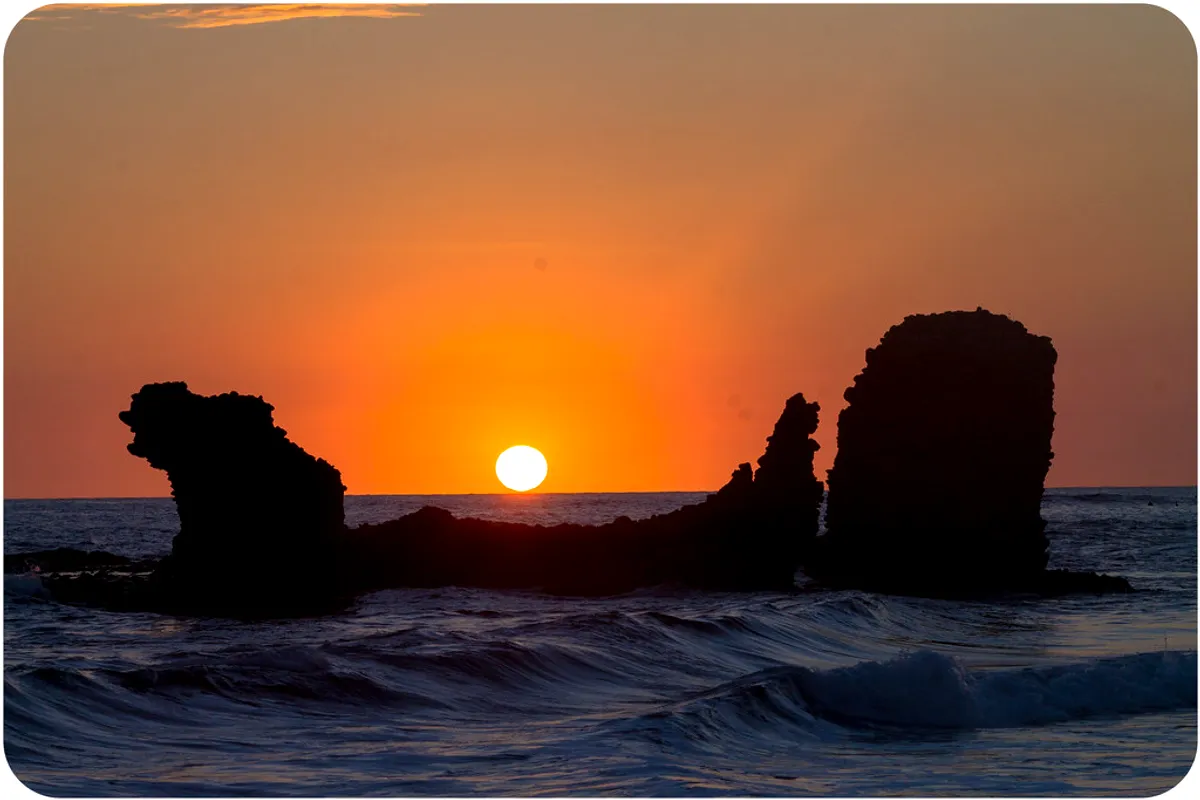
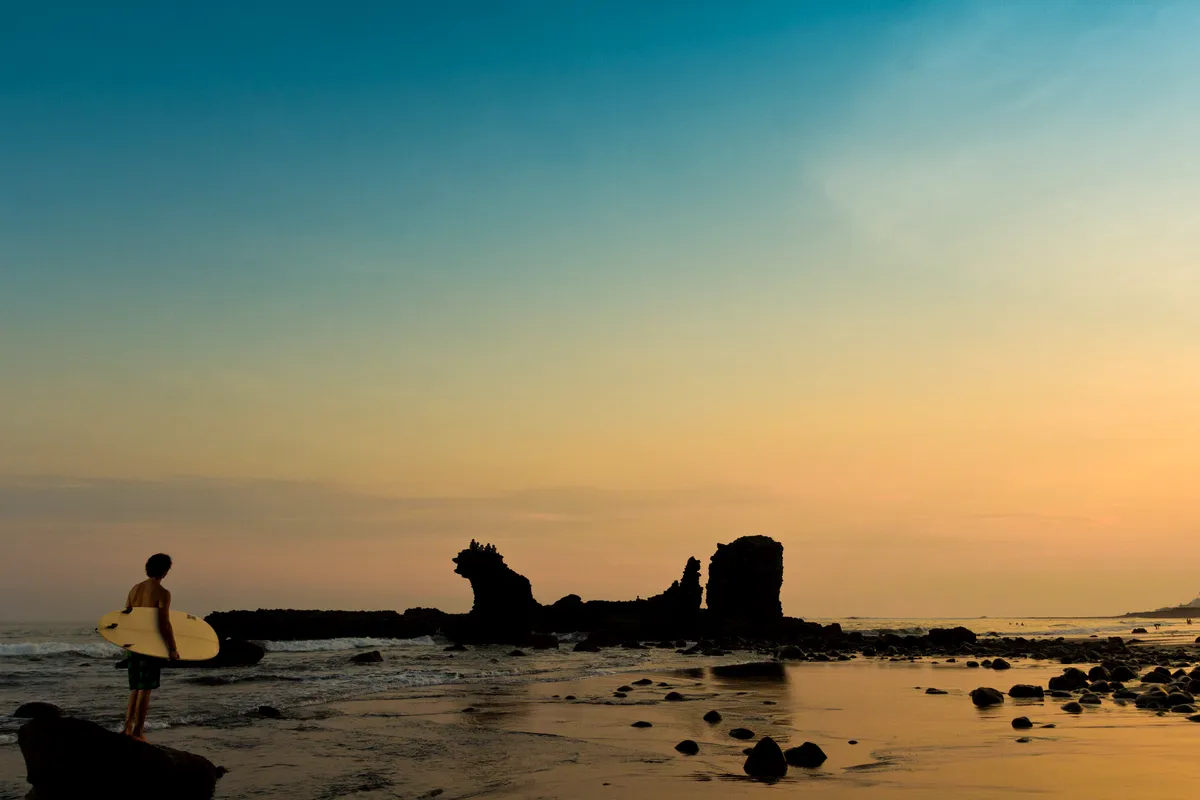
West of La Libertad, El Tunco is the coast's liveliest surf town, with beach breaks around its famous rock and the river-mouth peaks of Bocana. Next door, El Sunzal is a long, gentle right that suits longboarders and improvers on small days and holds bigger swells further out.
Known for: El Tunco, El Sunzal, Bocana, Sunzalito
El Zonte and the western coast
Further west, El Zonte is a small village with a right-hand point at the river mouth and a relaxed, community feel. Beyond it, spots such as Palmarcito and Mizata offer quieter points and beaches for those willing to explore.
Known for: El Zonte, Palmarcito, Mizata
La Libertad port and the eastern edge of Surf City
Just east of Punta Roca, the coast near La Libertad's port and towards the airport has a handful of smaller points and beaches, including breaks that are rarely crowded. They work on specific swells and are best explored with local guidance, as access can be over private land or rocky paths.
Known for: La Libertad port
The eastern coast: Las Flores and Punta Mango
In the east, near San Miguel, Las Flores is a long right-hand point in a remote setting, with a handful of surf resorts. Punta Mango, nearby, is a powerful right reached mainly by boat. The east sees far fewer surfers than the La Libertad coast.
Known for: Las Flores, Punta Mango
The central coast and Costa del Sol
Between the two main surf areas, the long beaches of the Costa del Sol and the estuaries of the central coast are better known for swimming and resorts than surf, though some beach breaks work on the right swell.
Known for: Costa del Sol
Learning to surf in El Salvador
Many of El Salvador's best-known waves are rocky point breaks for experienced surfers, but beginners still have options. El Sunzal's inside sections and some beach breaks around El Tunco and El Zonte are used by surf schools on smaller days. The dry season, from November to February, usually brings the gentlest conditions.
Lessons typically include soft-top boards and rash vests, and many hostels and surf camps offer packages. Ask about group size, instructor experience and which spots are used, and wear booties if recommended for rocky entries.
Surfing in El Salvador: questions
When is the best time to surf in El Salvador?
March to October brings the most consistent south swells, with the biggest waves from May to September. November to February is smaller and cleaner, which suits beginners.
Is El Salvador safe for surfers?
Violent crime has fallen sharply since 2022, and many visitors feel safe on the coast, but conditions can change. Check your government's current travel advice.
What is Punta Roca?
A long, powerful right-hand point over rocks at La Libertad, considered El Salvador's best wave and a venue for elite professional surfing.
Is El Salvador good for beginners?
Many famous waves are for experienced surfers, but El Sunzal's inside sections and beach breaks around El Tunco suit beginners on small days, especially in the dry season.
What currency does El Salvador use?
The US dollar, which has been El Salvador's official currency since 2001, so many visitors do not need to exchange money.
Do I need a wetsuit in El Salvador?
No. The water is warm all year. A rash vest and reef booties are useful.
How far is El Tunco from the airport?
About forty-five minutes to an hour by road, depending on traffic.
Where should I stay for surfing in El Salvador?
El Tunco suits those wanting nightlife and variety, El Zonte a quieter village feel and La Libertad quick access to Punta Roca. The eastern coast around Las Flores is more remote.
What is Surf City El Salvador?
Surf City is the name used by the government to promote the surf coast around La Libertad, including El Tunco, El Sunzal and El Zonte, with investment in infrastructure and tourism.
Sources & editorial notes
Country context checked against the sources below. Regional summaries are Book & Surf editorial planning suggestions, not forecasts or safety assessments.