The breaks
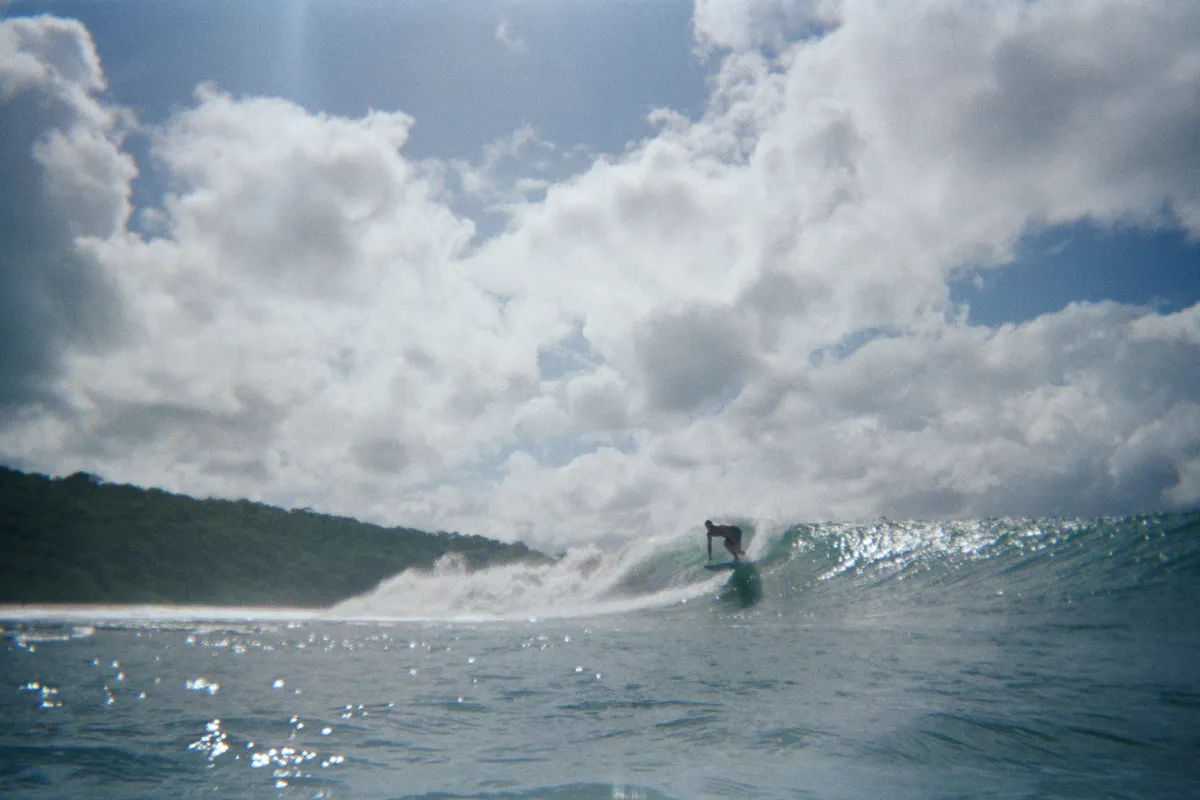
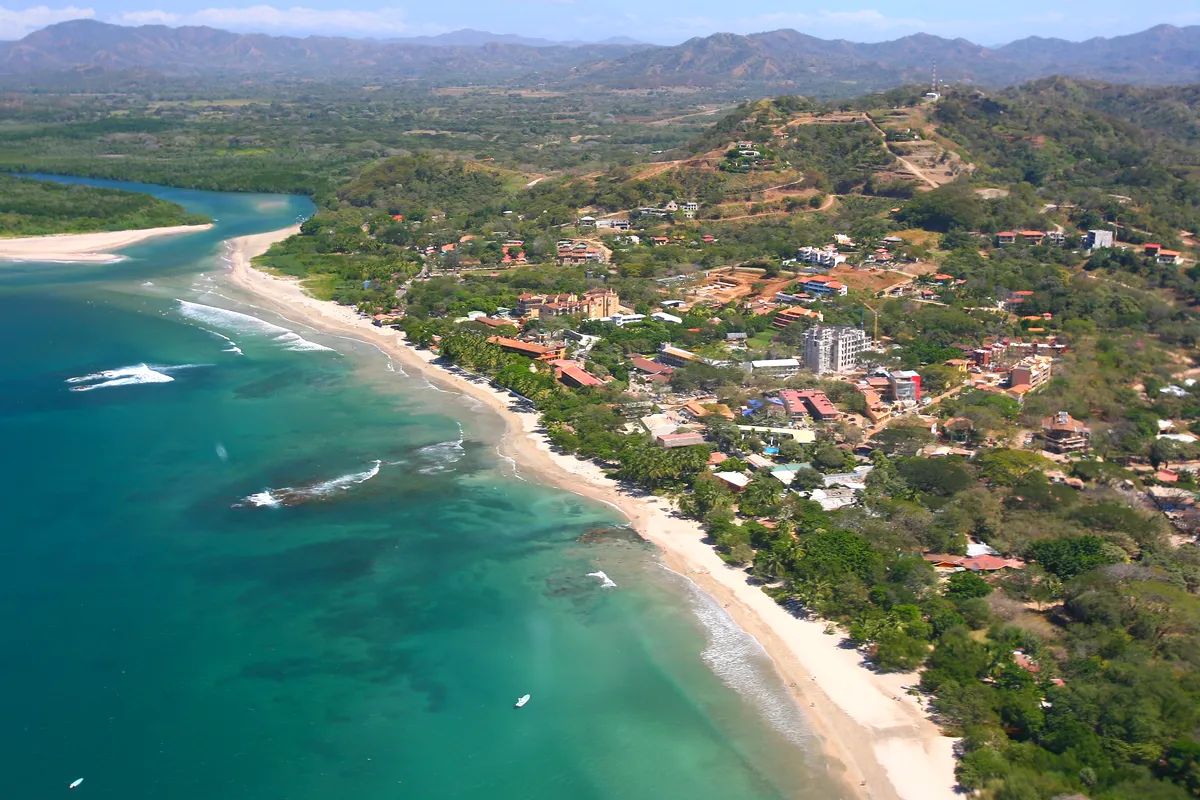
Recognised, publicly known surf spots around El Tunco. Suitability depends on the day's swell, wind and tide, so treat the level as a guide, not a guarantee.
| Break | Type | Best for | Notes |
|---|---|---|---|
| Bocana | River mouth | Intermediate–Advanced | Powerful lefts and rights over sand and stone at the river mouth, fast and hollow on solid swells. Strong currents after rain. |
| El Tunco beach | Beach break | Beginner–Intermediate | Peaks either side of the famous rock, used by surf schools on smaller days. Stony entries; booties help. |
| El Sunzal | Right-hand point | Beginner–Advanced | Long, gentle right next door, great for longboarders on small days and more powerful outside on big swells. |
| Sunzalito | Right-hand point | Intermediate | Small right just west of El Tunco, a fun alternative on the right swell. |
| Punta Roca | Right-hand point | Advanced | El Salvador's best-known wave, in La Libertad about fifteen to twenty minutes away. Long, powerful and rocky. |
| El Zonte | Right-hand point | Intermediate | River-mouth point in a quieter village about twenty minutes west. |
The town and its famous rock
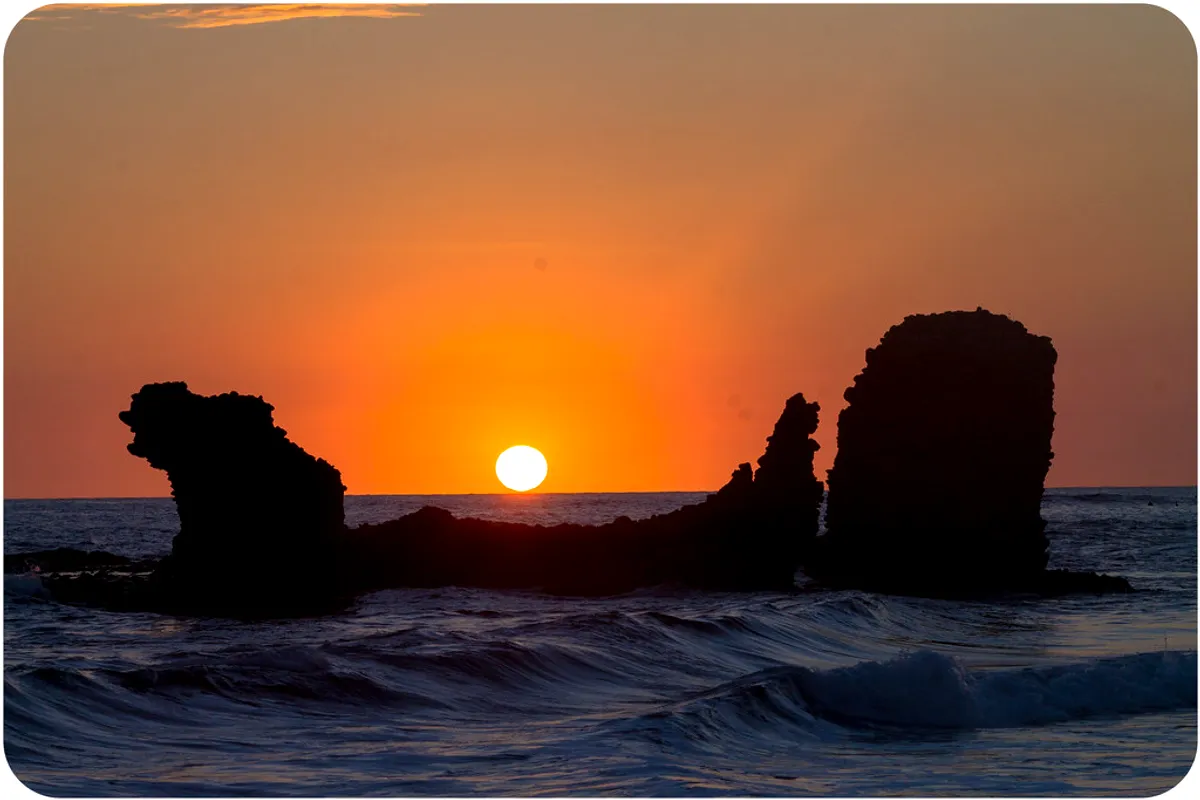
El Tunco takes its name from a large offshore rock, with a hole through it, that locals thought resembled a pig, tunco in local Spanish. At low tide, you can walk out towards it across the stones. The town itself is compact: a few narrow lanes lined with hostels, surf shops, restaurants and bars running down to a black-sand and boulder beach.
Within a few minutes' walk, there are waves for every level, which is why El Tunco became the most popular surf town in El Salvador. It is busy and social, especially at weekends, when visitors from San Salvador arrive for the beach and nightlife. Sunsets behind the rock, with surfers silhouetted in the water, are a nightly ritual.
Bocana and the river mouth
At the eastern end of town, where a small river meets the sea, Bocana produces powerful left and right peaks over a mix of sand and stone. On a solid south swell, it can be fast and hollow, attracting experienced local surfers and bodyboarders. The take-off is close to the rocks, and currents from the river can be strong, especially after heavy rain in the wet season.
Bocana is one of the most consistent waves in the area, which also means it can be crowded. Watch from the beach before paddling out and give local surfers space.
The beach breaks around the rock
Either side of El Tunco's rock, the beach produces peaks that change with the swell and tide. On smaller days, these are good for improvers, and surf schools use the softer sections for lessons. Sunzalito, a small right just to the west, can be a fun alternative on the right swell.
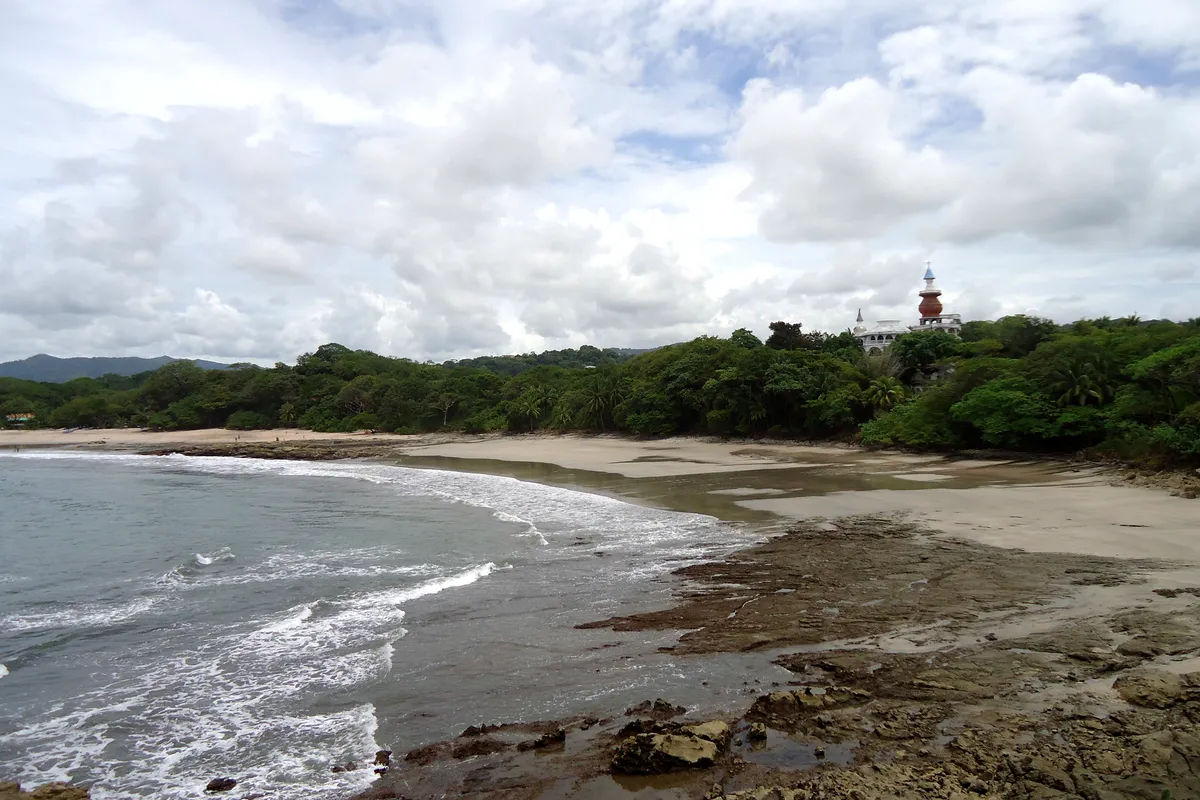
The beach is covered in smooth stones and boulders in places, so entering and leaving the water can be awkward; booties help. As the tide changes, the shape of the waves shifts noticeably.
El Sunzal: the long right next door
A short walk west of El Tunco, El Sunzal is a long, gentle right-hand point that peels along a rocky bottom. On small to medium days, its inside sections are ideal for longboarders, improvers and beginners with instructors, offering long, rolling rides. On bigger swells, the outside peaks become more powerful and suit experienced surfers.
El Sunzal hosted events during the ISA World Surfing Games, and it is one of the most popular waves on the coast. Its wide take-off area helps spread surfers out, but etiquette still matters on busy days.
Punta Roca and El Zonte
About fifteen to twenty minutes east, in the town of La Libertad, Punta Roca is El Salvador's most famous wave: a long, powerful right-hand point over rocks that has hosted elite professional competition. It is for experienced surfers, with a strong local crew and a tricky rock entry.
About twenty minutes west, El Zonte has a right-hand point at a river mouth and a quieter, village atmosphere. Many surfers based in El Tunco take day trips to both, choosing according to the swell and wind.
Seasons and swell
The main surf season runs from about March to October, when south swells are most consistent. The rainy season, from roughly May to October, brings the biggest swells, along with afternoon thunderstorms, humidity and occasional river flooding. March, April and October can offer excellent waves with drier weather.
From November to February, the dry season brings offshore winds, sunshine and smaller swells, ideal for beginners and longboarders. This is also when the town is busiest with tourists.
Where to stay and the nightlife
El Tunco has accommodation for all budgets, from surf hostels and simple guesthouses to boutique hotels with pools overlooking the waves. Staying in town puts you within walking distance of Bocana, the beach breaks and El Sunzal. The town has a lively bar scene, particularly on Friday and Saturday nights, so if you prefer quiet evenings, choose accommodation slightly away from the centre or stay in El Sunzal or El Zonte.
Book ahead around Easter week, known as Semana Santa, and during surf events, when the town fills up.
Getting there
El Salvador's international airport is about forty-five minutes to an hour from El Tunco. Many hostels and hotels arrange shuttles, and taxis and private drivers are available. Buses run along the coastal highway, though they can be slow and crowded with boards.
Once in El Tunco, everything is walkable. Shuttles, taxis and rental cars make it easy to reach Punta Roca, El Zonte and other breaks along the coast.
Safety, health and what to pack
Security in El Salvador has improved significantly in recent years, and El Tunco is popular with international visitors. Take normal precautions, check current travel advice and avoid leaving valuables unattended on the beach.
Pack reef booties for the rocky entries, high-protection sunscreen, a hat and insect repellent, particularly in the rainy season. The water is warm, so a rash vest is all you need. Drink bottled or filtered water and carry some cash, as card payments are not accepted everywhere.
Waterfalls, pupusas and day trips
On a flat day, hike to the Tamanique waterfalls in the hills above El Tunco, where you can swim in natural pools. Further inland, the Ruta de las Flores links colourful colonial towns known for coffee, food markets and weekend festivals. The Santa Ana volcano, with its turquoise crater lake, and Lake Coatepeque, a volcanic crater lake, are popular day trips.
In town, try pupusas, El Salvador's national dish, at local pupuserías, and fresh seafood at the beachfront restaurants.
El Tunco surf season month by month
A broad planning picture, not a forecast. Swell, wind and water temperature vary from year to year.
| January | Dry season: offshore winds, sunshine and smaller swells. Good for beginners and longboarders at El Sunzal. |
|---|---|
| February | Still dry and sunny with small to medium waves. Busy with tourists. |
| March | The south-swell season begins, with consistent waves and dry weather. A great shoulder month. |
| April | Good swells and hot, dry weather. Semana Santa brings big crowds to the beach. |
| May | The rainy season begins, with bigger swells and afternoon storms. |
| June | Consistent, powerful swells. Bocana and Punta Roca can be excellent. |
| July | Peak swell season, with humid heat and regular rain. |
| August | Big, consistent swells; river mouths can flood after heavy rain. |
| September | One of the wettest months, with powerful swells and fewer visitors. |
| October | Swells remain good as the rains ease late in the month. |
| November | The dry season returns, with cleaner, smaller waves. |
| December | Sunny, offshore and busy over the holidays. Small to medium surf. |
Learning to surf in El Tunco
El Tunco has several surf schools that teach on the softer sections of the beach and at El Sunzal's inside, where waves are long and gentle on small days. Lessons usually include soft-top boards and rash vests, and many hostels offer surf packages.
The dry season, from November to February, typically brings the best learning conditions. Ask about instructor experience, group sizes and which spot will be used, and wear booties if recommended for the stony beach. Bocana and Punta Roca are for experienced surfers.
Comparing options across the country? Read our guide to surfing in El Salvador.
Seasonal notes on this page describe typical patterns, not the conditions on a given day. Use the local forecast, lifeguard advice and a qualified instructor for water-safety decisions, and get a written breakdown of what any surf package includes before paying.
El Tunco surf trip questions
Is El Tunco good for beginners?
Yes, on smaller days. Surf schools teach on softer sections of the beach and at El Sunzal next door, especially in the dry season.
When is the best time to surf El Tunco?
March to October brings consistent south swells, with the biggest waves from May to September. November to February is smaller and better for learning.
How far is Punta Roca from El Tunco?
About fifteen to twenty minutes by road, in the town of La Libertad.
Why is it called El Tunco?
The town is named after an offshore rock that locals thought looked like a pig, tunco in local Spanish.
Is El Tunco a party town?
It has a lively bar scene, especially at weekends. Quieter options are available in El Sunzal and El Zonte nearby.
Do I need booties in El Tunco?
They help. The beach has smooth stones and boulders, and many nearby points have rocky entries.
Is El Tunco crowded?
It can be at weekends and during holidays, when visitors arrive from San Salvador. Weekday mornings are quieter, and El Zonte and other nearby points are good alternatives.
What board should I bring to El Tunco?
A shortboard or step-up suits Bocana and Punta Roca, while a longboard or mid-length is ideal for El Sunzal. Board rental is widely available in town.
Sources & editorial notes
Destination context checked against the sources below. Base-selection and itinerary suggestions are Book & Surf editorial recommendations. Seasonal windows are broad planning suggestions, not measured forecasts or guarantees.
- Wikipedia: La Libertad, El Salvador ↗
- Wikipedia: Santa Ana Volcano ↗
- Wikipedia: Juayúa (Ruta de las Flores) ↗
We do not claim to have personally surfed every break. Read our editorial standards.