The breaks
Recognised, publicly known surf spots around Tamarindo. Suitability depends on the day's swell, wind and tide, so treat the level as a guide, not a guarantee.
| Break | Type | Best for | Notes |
|---|---|---|---|
| Playa Tamarindo | Beach break | Beginner–Intermediate | Gentle, consistent sandy waves and one of Central America's most popular learning beaches. Avoid the river mouth (crocodiles). |
| Pico Pequeño | Reef break | Intermediate | Small rocky reef in town producing a right on the right tide. |
| Playa Grande | Beach break | Intermediate–Advanced | Powerful beach break across the estuary in Las Baulas National Marine Park, a protected leatherback turtle nesting beach. |
| Playa Langosta | River mouth & reef | Intermediate–Advanced | Quieter beach south of town with river-mouth and reef waves on the right swell and tide. |
| Playa Avellanas | Beach & reef | Beginner–Advanced | Long beach with several peaks about half an hour south. Relaxed and less crowded. |
| Playa Negra | Right-hand reef | Advanced | Fast, hollow right over reef, attracting experienced surfers. |
Why Tamarindo is a classic first surf trip
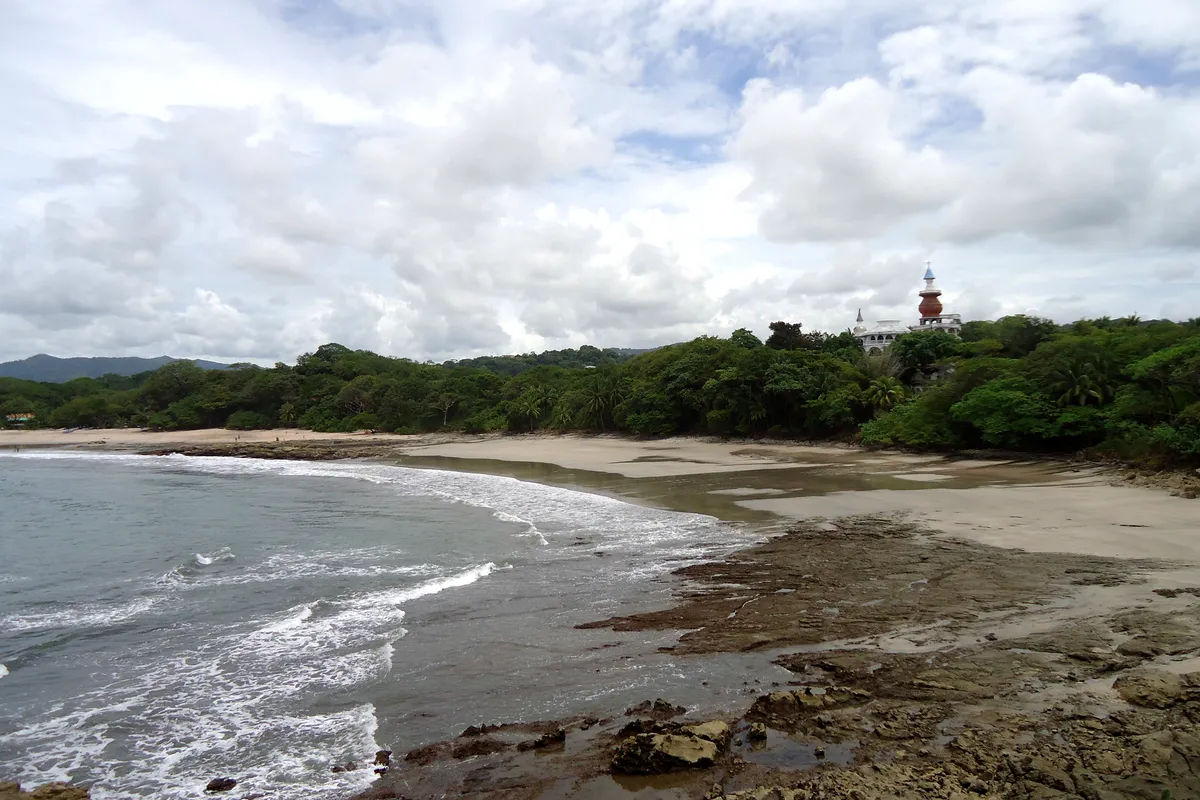
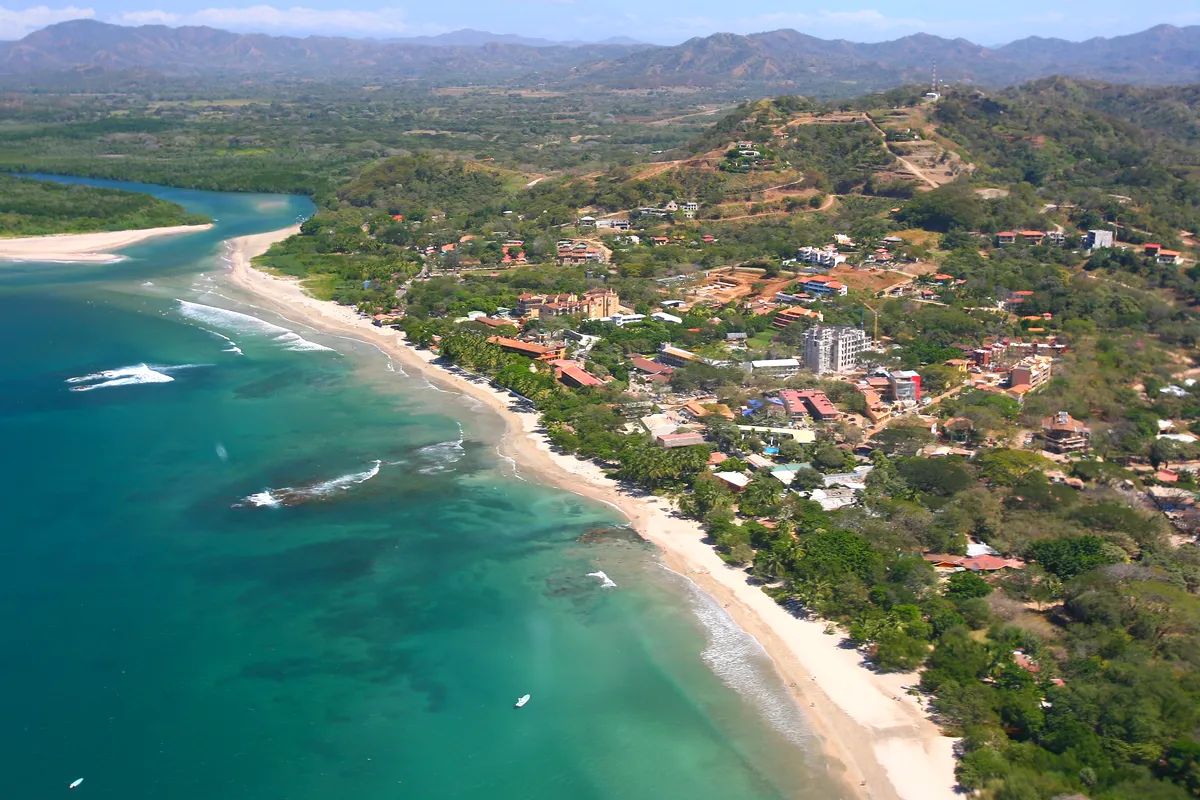
Tamarindo sits on the Pacific coast of Guanacaste, in north-west Costa Rica. Its main beach curves gently between a river mouth to the north and a rocky point to the south, and its sandy beach break offers soft, rolling waves on most days. That makes it one of the easiest places in Central America to learn, and the town is packed with surf schools, rental shops and camps.
Tamarindo is also a full-service beach town, with hotels, restaurants, bars, nightlife and tour operators, and it is only about an hour and a quarter from Liberia airport. For intermediate and advanced surfers, it is a convenient base for exploring the more powerful beaches, reefs and points of Guanacaste. The trade-off is that it is busy and developed compared with quieter Costa Rican surf towns.
Playa Tamarindo
The main beach in town is a sandy beach break with gentle, consistent waves, especially in the middle and southern sections. Surf schools teach along its length, and on small days it is crowded with lessons. On bigger days, peaks near the river mouth and outside the main beach can offer more power.
Pico Pequeño, a small rocky reef near the centre of town, produces a right-hand wave that can be fun for intermediates on the right tide. The river mouth at the northern end, known as the Estero, can produce good waves but is home to crocodiles. Avoid surfing near the river mouth, particularly at dawn, dusk and after rain, and follow local advice.
Playa Grande and Langosta
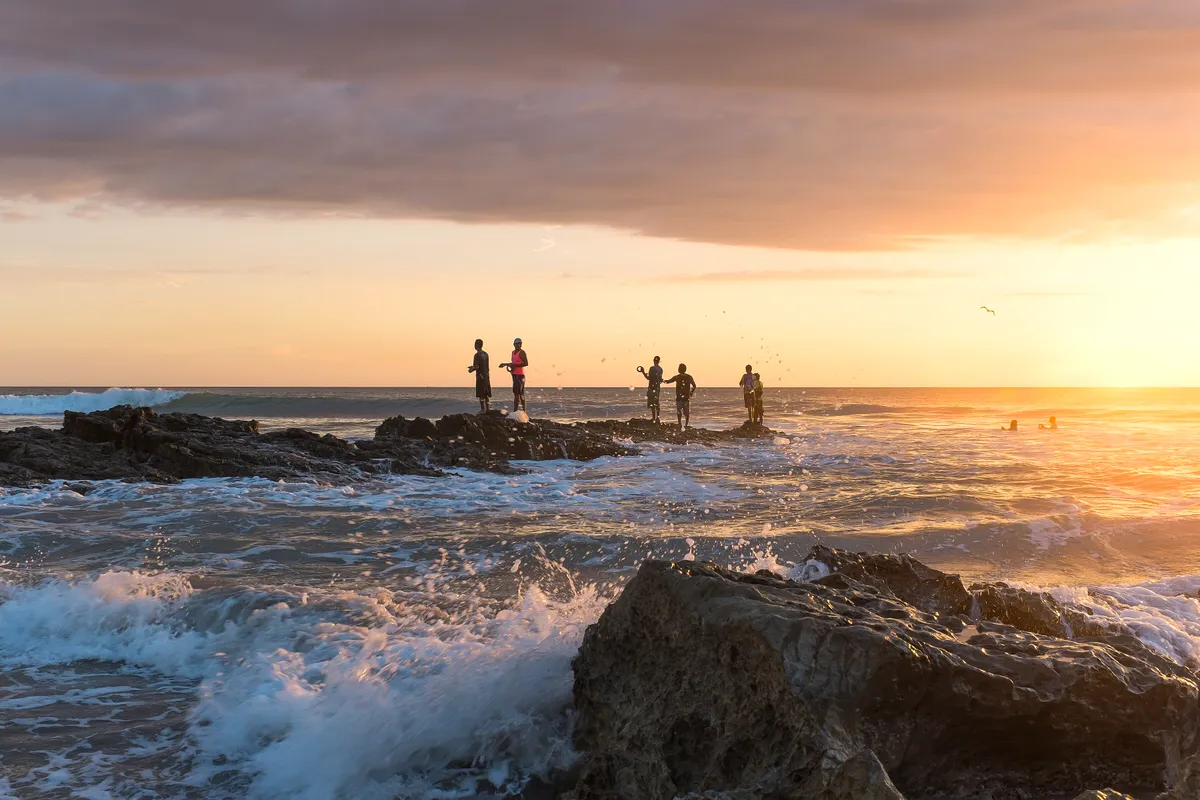
Across the river mouth to the north, Playa Grande is a long, powerful beach break that picks up more swell than Tamarindo and often has better-shaped waves. It is part of Las Baulas National Marine Park, which protects nesting beaches for leatherback turtles, so the beach has restricted access at night during the nesting season. Surfers reach it by road or by boat across the estuary.
South of Tamarindo, Playa Langosta has a river mouth and reef set-up with waves that suit intermediates and advanced surfers on the right swell and tide. It is quieter than Tamarindo and has a more residential feel.
Avellanas, Playa Negra and the south
About half an hour south of Tamarindo, Playa Avellanas is a long beach with several peaks, including reef and beach breaks, offering waves for a range of levels. It has a relaxed atmosphere and a few beachfront restaurants. Further south, Playa Negra is known for a right-hand reef break that can produce fast, hollow waves, attracting experienced surfers.
These beaches are quieter than Tamarindo and give a sense of Guanacaste's more laid-back side. Roads are partly unpaved, so a 4x4 is useful in the green season.
Witch's Rock and Ollie's Point
In the far north of Guanacaste, inside Santa Rosa National Park, Witch's Rock and Ollie's Point are two of Costa Rica's most famous waves. Witch's Rock, near a large rock formation offshore at Playa Naranjo, is a beach break that can produce excellent waves, particularly with offshore winds. Ollie's Point is a long right-hand point break. Both are reached by boat from towns such as Playas del Coco or Tamarindo, as land access is difficult.
Boat trips usually run for a full day and depend on conditions. They are best for intermediate and advanced surfers.
Where to stay in Tamarindo
Tamarindo town offers the widest range of accommodation, from hostels to resorts, and puts you within walking distance of the main beach, restaurants and nightlife. Langosta, to the south, is quieter with more villas and condos. Playa Grande, across the estuary, has a few low-key hotels and a more natural setting.
If you prefer a quieter stay closer to the more powerful waves, consider Avellanas or Playa Negra, but you will need transport for supplies and dining.
Liberia to Tamarindo: getting there and around
Liberia's international airport is about an hour and a quarter away by road. Shuttles and private transfers are widely available. San José airport is much further, about four to five hours by road. Small domestic flights also land at Tamarindo's airstrip.
In town, most places are walkable. Taxis, scooters, ATVs and rental cars are available for exploring nearby beaches. Roads to some beaches are unpaved, so check conditions in the green season.
Safety: crocodiles, currents and theft
Crocodiles live in the Tamarindo estuary and other river mouths in Guanacaste. Avoid surfing or swimming near river mouths, especially at dawn, dusk and after heavy rain, and follow local signs and advice. Most surfing at the main beach takes place well away from the estuary.
Rip currents can be strong, particularly on bigger swells and near the river mouth. Lifeguard coverage is limited. Petty theft is a concern in busy areas, so do not leave valuables unattended on the beach or in cars.
Planning your days in Tamarindo
Surf in the morning, when winds are often offshore in the dry season, and rest during the heat of the day. Use Tamarindo as a base to explore Playa Grande, Avellanas and Playa Negra on different days.
On a rest day, take a boat tour of the Tamarindo estuary to see birds and wildlife, join a night tour to see leatherback turtles at Playa Grande in season with a licensed guide, or visit Rincón de la Vieja National Park, with its volcano, hot springs and waterfalls, about two hours inland.
Tamarindo surf season month by month
A broad planning picture, not a forecast. Swell, wind and water temperature vary from year to year.
| January | Dry season with offshore mornings and small to medium waves. Busy, sunny and ideal for learning. |
|---|---|
| February | Dry, sunny and often windy, with clean mornings. Great for beginners. |
| March | Still dry, with bigger south swells starting to appear late in the month. |
| April | The end of the dry season; more swell and busy Easter holidays. |
| May | Green season begins: afternoon showers, bigger swells and fewer visitors. |
| June | Consistent south swells and clean mornings. Good for intermediate surfers. |
| July | A short drier spell may arrive mid-year. Good swells and moderate crowds. |
| August | Bigger swells and more rain. Playa Grande and Playa Negra can be excellent. |
| September | One of the wettest months, with powerful swells and some road closures. |
| October | Very wet and swell-heavy. Quiet in town; best for experienced surfers. |
| November | Rain eases and swells become cleaner. A quieter time before the dry season. |
| December | The dry season begins, with sunny days, offshore winds and busy holidays. |
Learning to surf in Tamarindo
Tamarindo is one of the most popular places in the Americas to learn to surf. Its main beach has gentle, consistent waves and dozens of surf schools, offering everything from single lessons to week-long surf camps with accommodation.
Lessons usually include soft-top boards and rash vests. Ask about group size, instructor qualifications and safety procedures. Make sure the school avoids the river mouth and teaches you about rip currents.
Once you are comfortable, try Playa Avellanas on smaller days or take a guided trip to Playa Grande. Tamarindo's many surf shops make it easy to rent different boards as you progress.
Comparing options across the country? Read our guide to surfing in Costa Rica.
Seasonal notes on this page describe typical patterns, not the conditions on a given day. Use the local forecast, lifeguard advice and a qualified instructor for water-safety decisions, and get a written breakdown of what any surf package includes before paying.
Tamarindo surf trip questions
Is Tamarindo good for beginners?
Yes. Playa Tamarindo has gentle, consistent waves and many surf schools, making it one of the best places in Central America to learn.
When is the best time to surf in Tamarindo?
December to April brings dry weather, offshore mornings and smaller waves that suit beginners. May to November brings bigger swells for experienced surfers.
Are there crocodiles in Tamarindo?
Yes, in the estuary at the northern end of the beach and other river mouths. Avoid surfing near the river mouth, especially at dawn, dusk and after rain.
How do I get to Witch's Rock?
Witch's Rock is inside Santa Rosa National Park and is usually reached by boat trips from Playas del Coco or Tamarindo, depending on conditions.
How far is Tamarindo from Liberia airport?
About an hour and a quarter by road. Shuttles and private transfers are widely available.
Can I surf Playa Grande?
Yes, but it is more powerful than Tamarindo and part of a protected turtle nesting area, with restricted access at night during the nesting season.
What else is there to do in Tamarindo?
Take an estuary boat tour to see birds, monkeys and crocodiles, join a licensed turtle-watching tour at Playa Grande in season, go snorkelling or sport fishing, or visit Rincón de la Vieja National Park inland. Tamarindo also has a busy restaurant and nightlife scene.
Sources & editorial notes
Destination context checked against the sources below. Base-selection and itinerary suggestions are Book & Surf editorial recommendations. Seasonal windows are broad planning suggestions, not measured forecasts or guarantees.
- Wikipedia: Tamarindo, Costa Rica ↗
- Wikipedia: Las Baulas National Marine Park ↗
- Wikipedia: Santa Rosa National Park ↗
We do not claim to have personally surfed every break. Read our editorial standards.