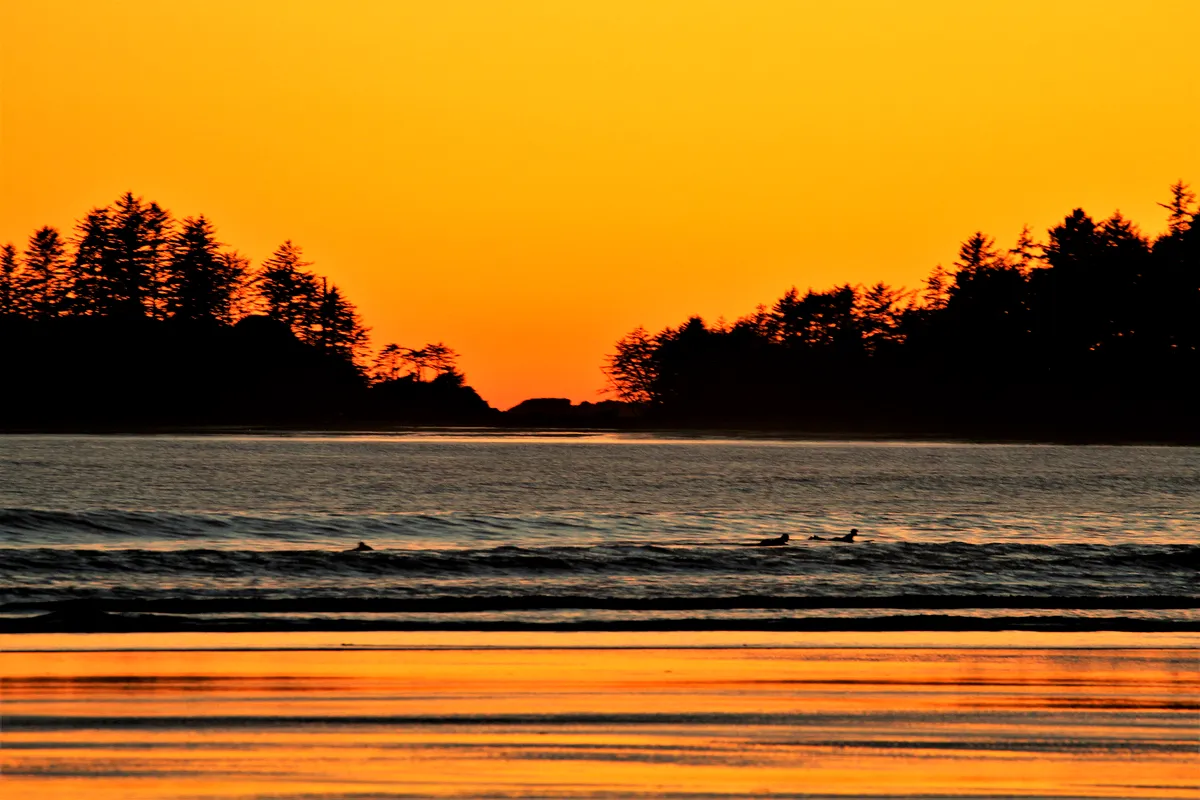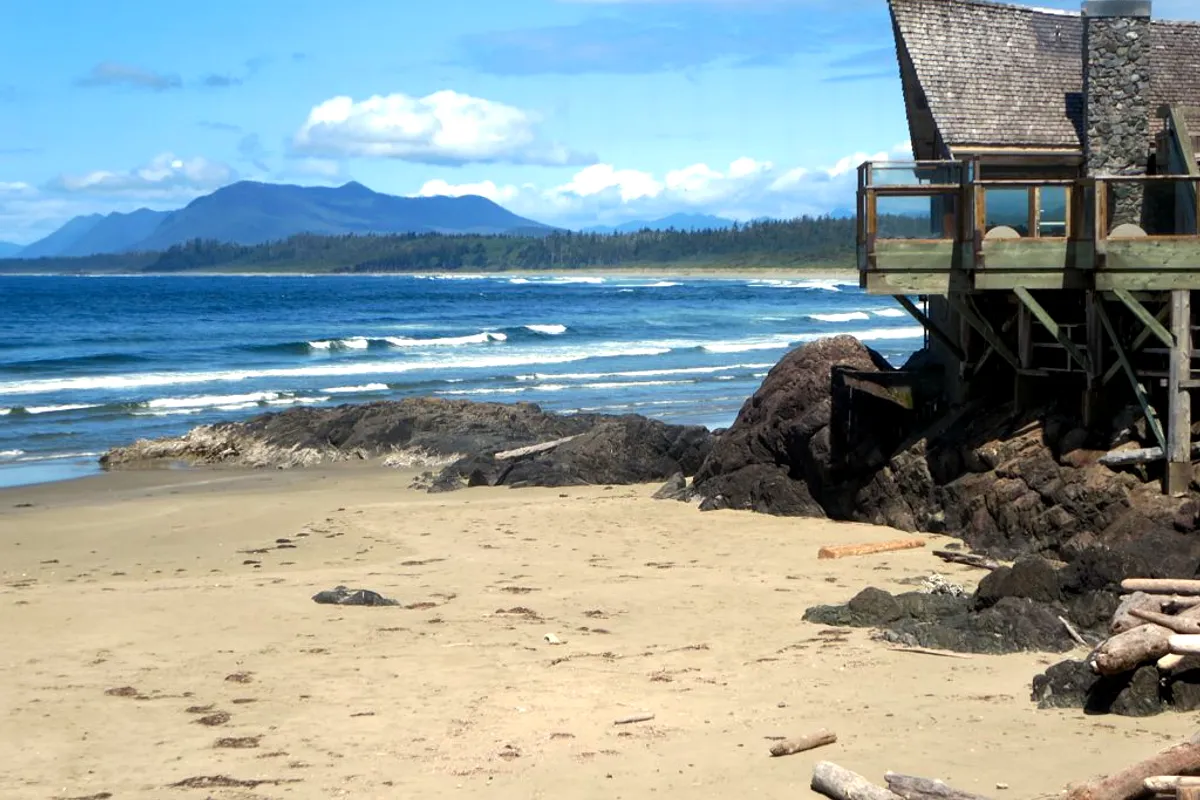
Cold water, warm community
Canada's surf is defined by cold water and dramatic landscapes. On the Pacific coast, the west side of Vancouver Island faces the open North Pacific, receiving powerful swells from storms in the Gulf of Alaska. On the Atlantic coast, Nova Scotia catches swells from North Atlantic storms and passing hurricanes. In the interior, the Great Lakes can produce surfable waves when strong autumn and winter winds blow across them.
The surf communities in places such as Tofino and Lawrencetown are tight-knit and welcoming, and modern wetsuits have made year-round surfing possible. The experience of surfing among forests, mountains and wildlife is unlike anywhere else.
How Canadian surfing began
Surfing in Canada traces back to the 1960s, when travellers and locals began riding waves on Vancouver Island's west coast near Tofino and on Nova Scotia's Atlantic beaches. Early surfers made do with thin wetsuits and short sessions in very cold water, and the community remained small for decades.
Advances in wetsuit technology from the 1980s onward made year-round surfing realistic, and Tofino grew into a surf town with schools, shops and contests. Today, Canada has active surf communities on both coasts and around the Great Lakes, and Canadian surfers have competed internationally.
Storm seasons on two oceans
On the Pacific coast, the best and most consistent surf arrives from roughly October to March, when powerful North Pacific storms send large swells. Winter brings dramatic storms, popular with storm-watchers, and conditions can be too big and messy on the stormiest days. Summer is smaller and gentler, better for beginners.
On the Atlantic coast, autumn is often best, with swells from passing hurricanes and tropical storms in September and October and North Atlantic storms through winter. Winter surfing in Nova Scotia involves freezing air temperatures, snow on the beach and very cold water. The Great Lakes produce waves mainly from autumn to early spring, during strong wind events.
Storm watching and winter surf
Winter on Canada's Pacific coast brings some of the most dramatic ocean conditions anywhere in North America. Powerful storms roll in from the Gulf of Alaska, bringing huge waves, strong winds and heavy rain. Storm watching has become a popular winter activity in Tofino and Ucluelet, with visitors watching waves crash against the rocks from cosy lodges.
For surfers, winter offers the most powerful and consistent swells, though the stormiest days are too big and chaotic to surf. The days between storms, when winds ease and swell cleans up, offer the best conditions for experienced surfers with thick wetsuits.
Wetsuits for very cold water
Canadian water is cold year-round. On the Pacific coast, temperatures range from roughly 8°C in winter to around 14°C in late summer, so a 5/4 wetsuit with boots, gloves and a hood is common in winter, and a 4/3 with boots in summer. Nova Scotia's water can drop close to freezing in late winter and reach the high teens in late summer. Great Lakes surfing in winter requires the thickest wetsuits and accessories.
Surf schools and rental shops provide suitable wetsuits. Keep sessions shorter in winter, surf with others and warm up properly afterwards.
Wildlife and safety
Canada's surf beaches are often in wild places. On Vancouver Island, black bears, wolves and cougars live near some beaches, so follow park guidance, keep food secure and keep dogs leashed. Grey whales, sea otters and sea lions are often seen offshore.
Cold water shock, strong currents and powerful winter waves are the main ocean hazards. Many beaches have no lifeguards, so surf within your ability and with others. Check Environment Canada marine forecasts and warnings before heading out.
Hurricane swells in Nova Scotia
In late summer and autumn, hurricanes and tropical storms moving up the Atlantic coast of North America can send powerful swells to Nova Scotia. When a storm passes far enough offshore, Lawrencetown and other beaches can produce some of the best waves of the year, with the water still relatively mild from summer.
Storms that come close to land, however, bring dangerous conditions and should not be surfed. Follow Environment Canada and Canadian Hurricane Centre forecasts. Winter surfing in Nova Scotia continues through snow and freezing temperatures, with a hardy community of local surfers.
Surfing the Great Lakes
Great Lakes surfing is one of the more unusual surf experiences in the world. When strong winds blow for long distances across Lake Superior, Lake Michigan, Lake Huron or Lake Ontario, they create wind swell that can produce surfable waves on the downwind shores. The best conditions usually come in autumn and winter, during powerful storms, when air temperatures can be well below freezing and ice forms on the shore.
The waves are short-period and choppy compared with ocean swell, and they can disappear as soon as the wind drops. Surfers in Ontario, around places such as Toronto's beaches and the shores of Lake Superior, watch weather forecasts closely and head out at short notice. Thick wetsuits, boots, gloves and hoods are essential, and safety is paramount, as cold water and ice add serious risks.
Getting to the coast
For Tofino, most visitors fly to Vancouver, then take a ferry to Vancouver Island and drive several hours across the island on a winding highway, or fly directly to Tofino's small airport. For Nova Scotia, Halifax's airport is close to the main surf beaches at Lawrencetown, about half an hour's drive. A car is essential in most Canadian surf regions.
Indigenous lands and culture
Much of Canada's surf coast lies on the traditional territories of Indigenous peoples. Around Tofino, the land and waters are the territories of the Nuu-chah-nulth nations, including the Tla-o-qui-aht and Ahousaht. In Nova Scotia, the Mi'kmaq are the original people of the region. Learning about and respecting Indigenous history, culture and land is an important part of visiting these places, and many communities offer cultural tours and experiences.
Planning a Canada surf trip
For a first trip, Tofino is the obvious choice, with beginner-friendly beaches, surf schools and a beautiful setting in a national park reserve. Summer is the easiest time to learn, while autumn and winter suit experienced surfers looking for powerful waves and storm-watching. Nova Scotia is a good option for East Coast visitors, particularly in autumn. Great Lakes surfing is an adventure for experienced, well-equipped locals and dedicated travellers.
Surf regions of Canada
Tofino and Ucluelet, Vancouver Island
Tofino is Canada's surf capital, at the end of the highway on Vancouver Island's west coast. Chesterman Beach and Cox Bay are popular with surfers, and Long Beach, within Pacific Rim National Park Reserve, stretches for many kilometres. Ucluelet, to the south, has more beaches and a quieter atmosphere.
Known for: Tofino, Chesterman Beach, Cox Bay, Long Beach, Ucluelet
Southern Vancouver Island and Haida Gwaii
On southern Vancouver Island, Jordan River is a popular spot for surfers from Victoria, working on winter swells. Far to the north, the remote islands of Haida Gwaii have powerful, uncrowded waves, but access is difficult and facilities are limited.
Known for: Jordan River, Haida Gwaii
Nova Scotia
Nova Scotia is the centre of Atlantic Canadian surfing. Lawrencetown Beach, near Halifax, is the best-known spot, with beach and point breaks. Martinique Beach, Cow Bay and the Eastern Shore offer more options. Surfing here is year-round, with autumn hurricane swells and frigid winter sessions.
Known for: Lawrencetown Beach, Martinique Beach, Cow Bay
Newfoundland
Newfoundland's rugged coastline receives North Atlantic swells, and a small, dedicated community surfs its beaches and points. The water is extremely cold, and conditions can be harsh, so it suits experienced, self-sufficient surfers.
Known for: Newfoundland coast
The Great Lakes
The Great Lakes, particularly Lake Superior and Lake Ontario, can produce surfable waves during strong wind events, mostly from autumn to early spring. Surfers on both the Canadian and American shores ride these freshwater waves, often in freezing conditions. Waves are short-period and unpredictable, and conditions can be dangerous.
Known for: Lake Superior, Lake Ontario
Prince Edward Island and New Brunswick
Prince Edward Island and parts of New Brunswick occasionally receive surfable waves from storms in the Gulf of St Lawrence and the Atlantic, but surf is inconsistent. A small local community makes the most of these conditions, mostly in autumn and winter.
Known for: Prince Edward Island
Learning to surf in Canada
Tofino is Canada's best place to learn, with gentle beaches such as Chesterman and Long Beach and several surf schools providing thick wetsuits, boots and soft-top boards. Summer brings smaller, gentler waves and the least cold water. In Nova Scotia, surf schools operate at Lawrencetown, mainly in summer and early autumn.
Ask schools about group sizes, instructor qualifications and cold-water safety. Learning in a thick wetsuit takes some getting used to, so choose a well-fitting suit and keep early sessions short.
Surfing in Canada: questions
Can you surf in Canada?
Yes. Canada has surf on its Pacific coast, especially around Tofino on Vancouver Island, on its Atlantic coast in Nova Scotia and Newfoundland, and occasionally on the Great Lakes.
When is the best time to surf in Tofino?
October to March brings the most powerful swells, while summer is gentler and better for beginners.
How cold is the water in Canada?
On the Pacific coast, roughly 8°C in winter to 14°C in late summer. A 5/4 with boots, gloves and hood is common in winter.
Can you surf the Great Lakes?
Yes, during strong wind events, mostly from autumn to early spring. Waves are short-period and conditions can be cold and dangerous.
Where is the best place to learn to surf in Canada?
Tofino, with beginner-friendly beaches and several surf schools, especially in summer.
Are there bears near Canadian surf beaches?
On Vancouver Island, black bears, wolves and cougars live near some beaches. Follow park guidance and keep food secure.
How do I get to Tofino?
Fly to Vancouver, take a ferry to Vancouver Island and drive several hours, or fly directly to Tofino's small airport.
When is the best time to surf in Nova Scotia?
Autumn often brings the best surf, with hurricane swells and relatively mild water. Winter is powerful and very cold.
Do I need a hood and gloves to surf in Canada?
In winter on both coasts, yes. In summer on the Pacific coast, a 4/3 wetsuit with boots is usually enough, though some surfers still wear a hood.
Is it safe to surf the Great Lakes in winter?
It can be dangerous because of freezing water, ice and storms. Only experienced, well-equipped surfers should attempt it, and never alone.
Can I rent a wetsuit in Tofino?
Yes. Surf shops in Tofino rent thick wetsuits, boots, gloves and hoods, along with boards, so you do not need to bring your own cold-water gear.
Is there surf near Vancouver?
Not in Vancouver itself, which is sheltered by Vancouver Island. The nearest consistent surf is on the island's west coast, around Tofino, or at Jordan River near Victoria.
Sources & editorial notes
Country context checked against the sources below. Regional summaries are Book & Surf editorial planning suggestions, not forecasts or safety assessments.