The breaks
Recognised, publicly known surf spots around Tofino. Suitability depends on the day's swell, wind and tide, so treat the level as a guide, not a guarantee.
| Break | Type | Best for | Notes |
|---|---|---|---|
| Chesterman Beach | Beach break | Beginner–Intermediate | Long sandy beach south of town; the sheltered southern end is popular with beginners and surf schools. |
| Cox Bay | Beach break | Intermediate–Advanced | One of Tofino's most consistent beaches, picking up more swell and hosting surf contests. |
| Long Beach | Beach break | Beginner–Intermediate | Many kilometres of sand in Pacific Rim National Park Reserve, with plenty of peaks and space. |
| Wickaninnish Beach | Beach break | Beginner–Intermediate | Southern end of Long Beach with a visitor centre and quieter peaks. |
| Florencia Bay | Beach break | Intermediate | Secluded beach near Ucluelet, reached by trail, with fewer people. |
Surfing at the edge of the rainforest
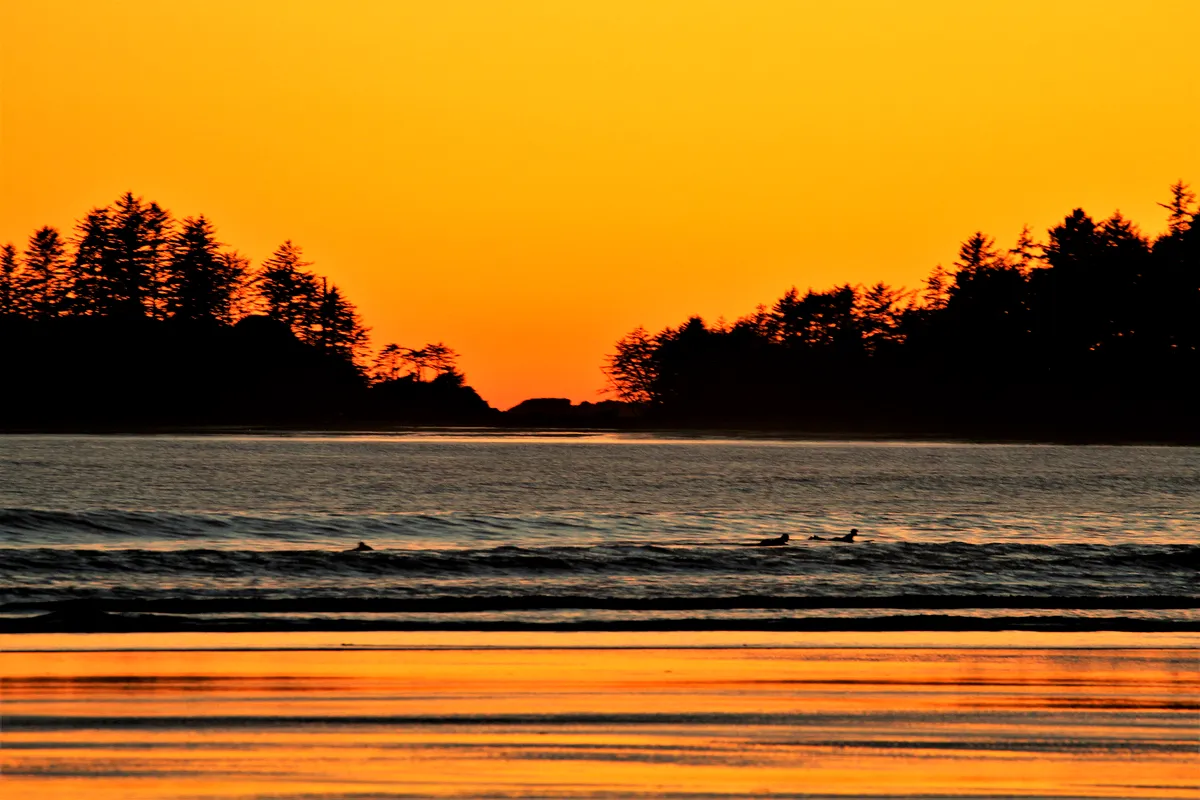
Tofino sits on the tip of the Esowista Peninsula on the west coast of Vancouver Island, surrounded by Clayoquot Sound, a UNESCO Biosphere Reserve of islands, inlets and temperate rainforest. The coastline south of town faces the open North Pacific, with a series of long sandy beaches separated by rocky headlands. Storms in the Gulf of Alaska send powerful swells here, especially in autumn and winter.
Surfing in Tofino began in the 1960s, when a small group of travellers and locals started riding the beaches. Today, the town has surf shops, schools and a well-known women's surf contest, and surfing is part of everyday life. The combination of surf, forest and wildlife gives Tofino a unique atmosphere.
Chesterman Beach and Cox Bay
Chesterman Beach, just south of town, is a long, sandy beach divided by a tidal sandbar connecting to Frank Island. Its southern end, often called South Chesterman, is sheltered and popular with beginners and surf schools, while North Chesterman picks up more swell.
Cox Bay, a little further south, is one of Tofino's most consistent beaches, picking up more swell and producing quality beach-break waves. It suits intermediate and advanced surfers, especially in winter, and has hosted surf contests.
Long Beach and Pacific Rim National Park Reserve
South of Cox Bay, Long Beach stretches for many kilometres within Pacific Rim National Park Reserve, backed by forest and dunes. Its length means there are many peaks and plenty of room to spread out, and it suits a range of levels depending on the swell. Wickaninnish Beach, at its southern end, has a visitor centre with exhibits on the region's natural and cultural history.
A park pass is required for parking within the national park reserve. Follow park guidance on wildlife and safety.
The winter storm season
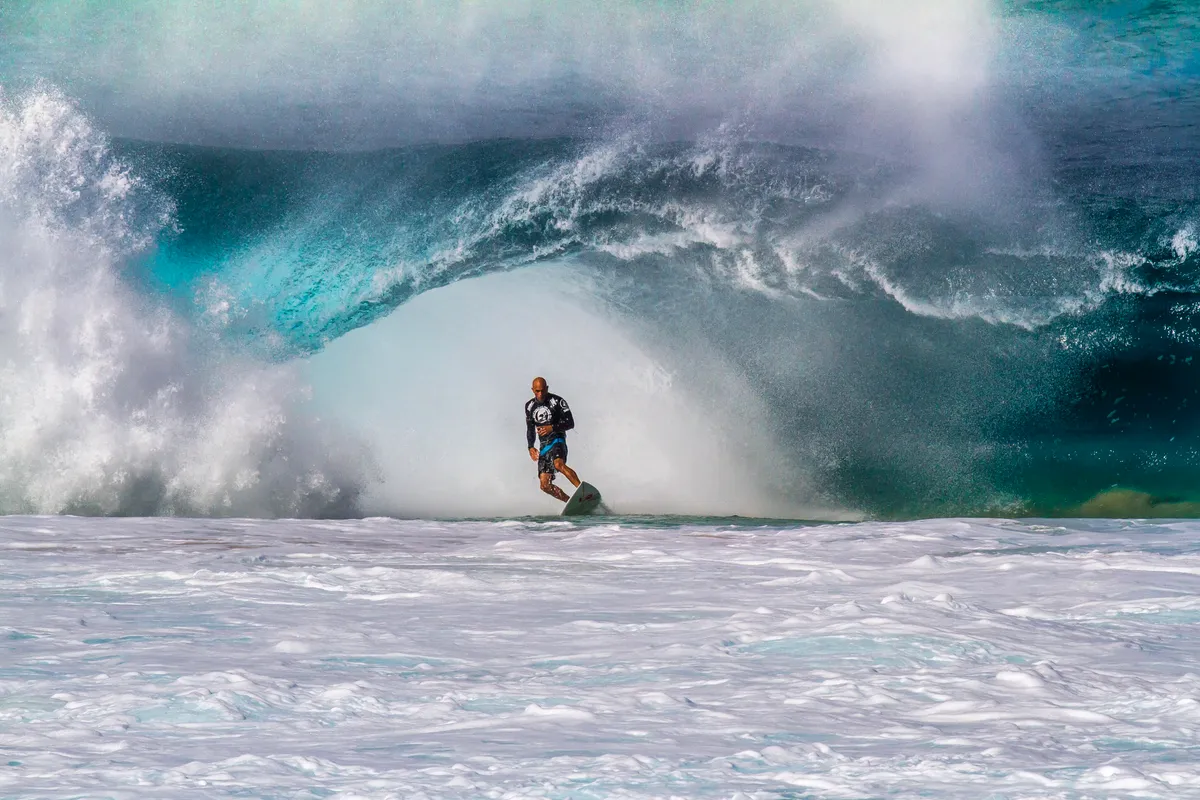
Tofino's best surf season runs from roughly October to March, when North Pacific storms send consistent, powerful swells. Winter storms can be spectacular, with huge waves and strong winds, and storm-watching is a popular activity in its own right. On the stormiest days, the beaches can be too big and messy for most surfers, and experienced locals look for sheltered spots.
Spring and autumn offer good conditions with fewer storms, while summer is generally smaller and gentler, ideal for beginners, with long days and the warmest water of the year.
Surfing a winter storm cycle
Tofino's winter surf comes in cycles. A powerful low-pressure system in the North Pacific brings rising swell, strong southerly winds and heavy rain, and the beaches can be huge and messy. As the storm moves through, winds shift and the swell begins to clean up, and the day or two after a storm often brings the best surf of the cycle.
Local surfers watch forecasts closely and move between beaches depending on wind direction. Cox Bay picks up the most swell, while more sheltered corners can offer options on stormy days. Respect conditions: winter swells can be powerful, the water is cold and daylight is short.
Wetsuits, rain and cold water
The water in Tofino is cold year-round, typically around 8°C in winter and up to about 14°C in late summer. A 5/4 wetsuit with boots, gloves and a hood is common in winter, and a 4/3 with boots in summer. Tofino is also one of the rainiest places in Canada, particularly in winter, so pack waterproof clothing and warm layers.
Surf shops rent thick wetsuits and accessories, and many accommodation options have heated drying rooms or hot tubs for warming up after a session.
Bears, wolves and wildlife
The forests around Tofino are home to black bears, wolves and cougars, which occasionally come onto beaches. Follow park and local guidance, keep food and rubbish secure and keep dogs on a leash. Offshore, grey whales migrate past the coast, especially in spring, and humpback whales, sea otters and sea lions are often seen. Whale-watching and bear-watching tours run from Tofino.
From Vancouver to the end of the road
Most visitors travel from Vancouver by ferry to Nanaimo on Vancouver Island, then drive several hours west across the island on Highway 4, a scenic but winding route through mountains and forest. Tofino also has a small airport with flights from Vancouver, which saves time.
In Tofino, a car or bicycle is useful for reaching the different beaches. A paved multi-use path runs from town towards Long Beach, popular with cyclists.
Surf shops, schools and the Queen of the Peak
Tofino has several established surf shops and schools that rent wetsuits and boards, offer lessons and provide local advice on conditions. Many are based on the road between town and the beaches.
The town is also known for a long-running women's surf contest, Queen of the Peak, held at Cox Bay, which reflects Tofino's strong and inclusive surf community. Events, film nights and festivals take place throughout the year.
Nuu-chah-nulth territory and the town
Tofino lies within the traditional territories of the Nuu-chah-nulth nations, including the Tla-o-qui-aht, whose tribal parks protect parts of Clayoquot Sound. Learning about their history and culture, through cultural centres, tours and art galleries, adds depth to a visit.
The town has cafés, restaurants, galleries and a range of accommodation, from campsites and hostels to lodges overlooking the beaches. It gets busy in summer, so book ahead.
Hot springs and rest days
On a flat or stormy day, take a boat or floatplane trip to Hot Springs Cove, a natural hot spring in Maquinna Marine Provincial Park, walk the rainforest trails of Pacific Rim National Park Reserve or kayak through the sheltered waters of Clayoquot Sound. Ucluelet, about half an hour south, has the Wild Pacific Trail, a coastal walk known for storm-watching.
Tofino surf season month by month
A broad planning picture, not a forecast. Swell, wind and water temperature vary from year to year.
| January | Winter storms, powerful swells and cold water (around 8°C). Storm-watching season; a 5/4 with boots, gloves and hood. |
|---|---|
| February | Still stormy and cold, with good days between weather systems. |
| March | Late winter swells and the start of grey whale migration. |
| April | Spring brings milder weather and still-consistent swells. |
| May | Smaller swells and longer days. Good for improvers. |
| June | Summer conditions begin, with gentle waves and busier beaches. |
| July | Small, gentle surf, long days and peak tourist season. Good for beginners. |
| August | The warmest water of the year (around 14°C) and small waves. |
| September | The first autumn swells arrive as crowds thin. |
| October | Consistent swells and fewer visitors. A great month for intermediates. |
| November | Storm season begins in earnest, with powerful swells and heavy rain. |
| December | Big winter storms, cold water and festive quiet. |
Learning to surf in Tofino
Tofino is the best place in Canada to learn to surf. Several surf schools offer lessons at Chesterman Beach and Long Beach, providing thick wetsuits, boots, gloves and soft-top boards. Summer is the easiest time to learn, with smaller waves and long days, though schools operate year-round.
Learning in cold water takes some adjustment, so choose a well-fitting wetsuit and keep early sessions short. Ask schools about instructor qualifications, group sizes and cold-water safety.
Comparing options across the country? Read our guide to surfing in Canada.
Seasonal notes on this page describe typical patterns, not the conditions on a given day. Use the local forecast, lifeguard advice and a qualified instructor for water-safety decisions, and get a written breakdown of what any surf package includes before paying.
Tofino surf trip questions
When is the best time to surf in Tofino?
October to March brings the most powerful swells, while summer is smaller and better for beginners.
Is Tofino good for beginners?
Yes. Chesterman Beach and Long Beach have gentle waves and several surf schools, especially in summer.
How cold is the water in Tofino?
Around 8°C in winter and up to about 14°C in late summer. A 5/4 wetsuit with boots, gloves and hood is common in winter.
How do I get to Tofino from Vancouver?
Take a ferry to Vancouver Island and drive several hours west on Highway 4, or fly to Tofino's small airport.
Are there bears in Tofino?
Yes. Black bears, wolves and cougars live in the area. Follow local guidance and keep food secure.
What is storm-watching?
Watching powerful winter storms and huge waves from the shore, a popular activity in Tofino and Ucluelet from November to February.
Can I surf in Tofino in summer?
Yes. Summer brings smaller, gentler waves and the warmest water of the year, ideal for beginners, though experienced surfers may find it small.
Do I need a park pass to surf Long Beach?
Yes, a Parks Canada pass is required for parking within Pacific Rim National Park Reserve, including at Long Beach.
Is Tofino expensive?
Tofino can be expensive, especially in summer, when accommodation books up. Campsites, hostels and visiting outside peak season help reduce costs.
Sources & editorial notes
Destination context checked against the sources below. Base-selection and itinerary suggestions are Book & Surf editorial recommendations. Seasonal windows are broad planning suggestions, not measured forecasts or guarantees.
- Wikipedia: Tofino ↗
- Wikipedia: Clayoquot Sound ↗
- Wikipedia: Pacific Rim National Park Reserve ↗
- Environment Canada: marine forecasts ↗
We do not claim to have personally surfed every break. Read our editorial standards.