The Caribbean's most exposed island
Barbados lies further east than the other Caribbean islands, out in the Atlantic beyond the main island chain. That exposed position is what gives it surf. Its east coast faces the open Atlantic and receives trade-wind swells and North Atlantic groundswells; its south coast picks up swells from the south and east, including those generated by tropical systems; and its west coast, normally calm and sheltered, comes alive when big north swells wrap around the island in winter.
The island is small, about thirty-four kilometres long, so it is possible to reach every surf area within an hour's drive. That makes Barbados a flexible surf destination, where you can choose a coast depending on the swell and wind.
The Soup Bowl and the east coast
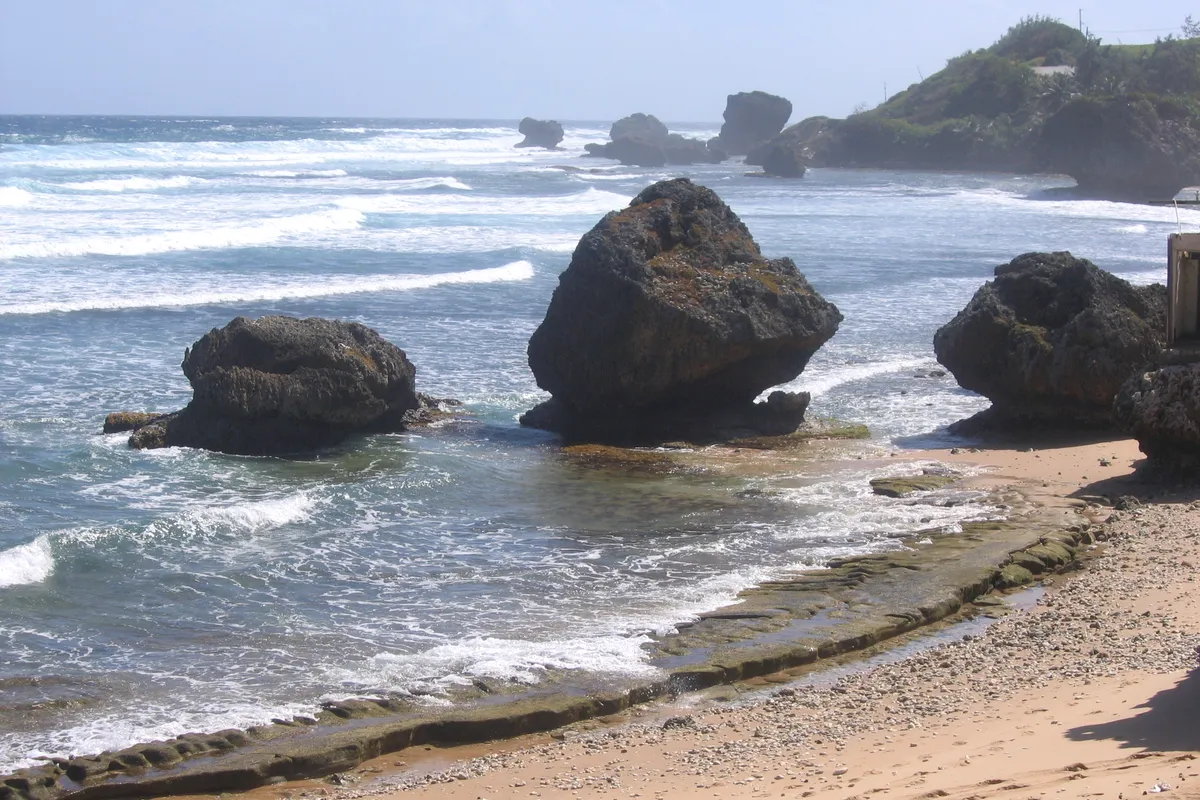
The east coast, around the village of Bathsheba, is rugged and wild, with large rocks scattered along the shore and Atlantic waves crashing on coral reefs. The Soup Bowl, a right-hand reef break in front of Bathsheba, is the island's most famous wave, producing fast, hollow waves on good swells. Kelly Slater has called it one of his favourite waves, and it has hosted international competitions.
The east coast is better for experienced surfers, as the waves can be powerful and the reefs shallow. Swimming is dangerous on much of this coast because of strong currents.
Freights Bay and the south coast
On the south coast, Freights Bay is a sheltered bay with a gentle, rolling left-hand wave that is one of the best places in the Caribbean for beginners and longboarders. Other south-coast breaks, such as South Point and Surfer's Point, offer options for different levels, and the area has surf schools, guesthouses and restaurants.
The south coast works best on swells from the south and east, which arrive most often during the summer and autumn, including those from passing tropical storms.
Freights Bay in detail
Freights Bay, on the south coast near Oistins, is a small, sheltered bay where swell wraps around a point and peels gently to the left over a reef and sand bottom. The wave is slow, forgiving and often long, which makes it one of the best places in the Caribbean for beginners and longboarders. On bigger swells, it becomes faster and suits intermediate surfers.
Surf schools use Freights Bay for lessons, and it can be busy with learners and longboarders, especially on weekends. Paddling out is easy from the beach, and the water is usually calm compared with the east coast. Early mornings are quieter, and the bay is a short drive from the south coast's hotels and restaurants.
The west coast in winter
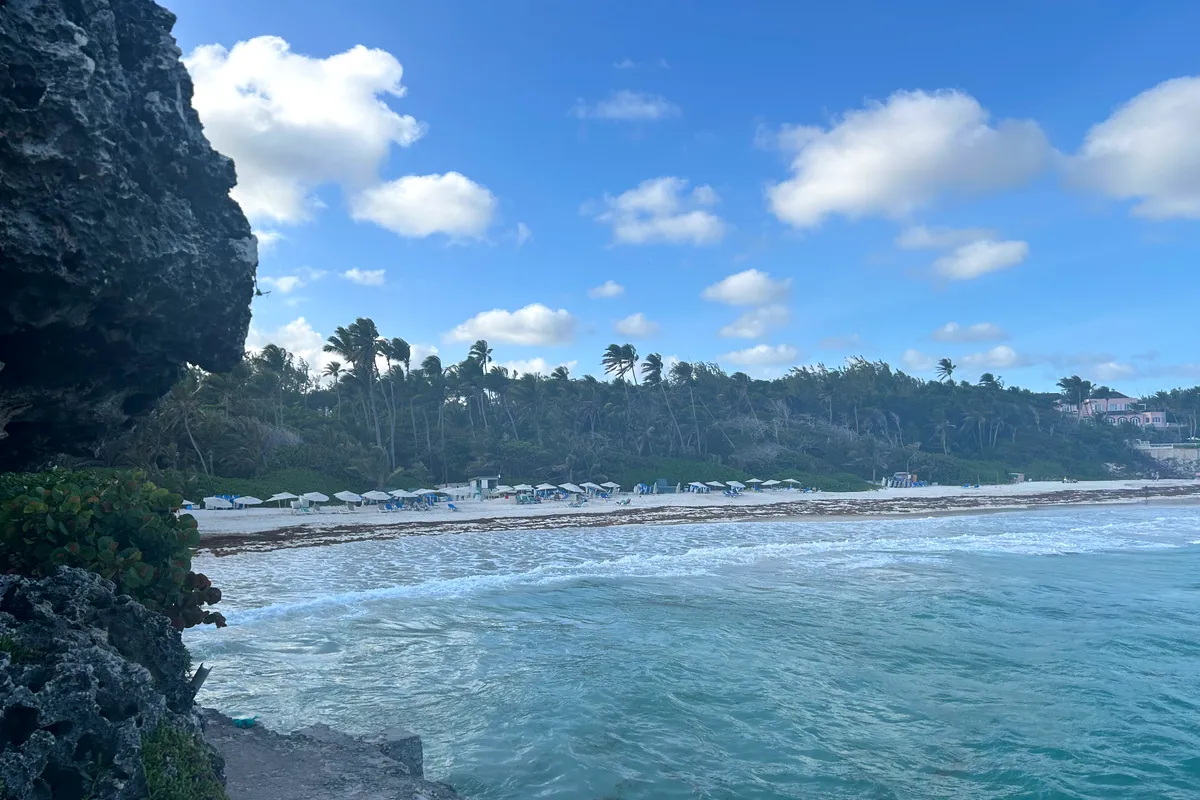
Barbados's west coast, with its calm turquoise water and luxury resorts, is usually flat. But in winter, from roughly November to March, powerful north swells from Atlantic storms can wrap around the island and produce waves at reef breaks such as Maycocks and Tropicana. When this happens, the west coast can offer excellent surf in a stunning setting. These swells are less frequent and require good timing.
Hurricane season and the south coast
The Atlantic hurricane season, from June to November, brings the risk of tropical storms and hurricanes to the Caribbean. When a storm passes far enough from Barbados, it can send swell to the south and east coasts, producing excellent waves at spots such as South Point. Storms that pass close to the island, however, bring dangerous winds, rain and storm surge.
Monitor forecasts from the Barbados Meteorological Services and the US National Hurricane Center, choose accommodation with flexible cancellation policies and follow official advice if a storm approaches. September and October are usually the peak months for tropical activity.
Barbados through the seasons
Barbados has surf year-round, but different coasts work in different seasons. The east coast receives trade-wind swell much of the year, with the most powerful groundswells in winter. The west coast works on winter north swells. The south coast is best from roughly June to November, during the Atlantic hurricane season, when tropical systems can send swell.
The dry season, from December to May, is the most popular time for tourism, with sunny weather. The hurricane season brings more rain and the risk of storms, so monitor forecasts.
Getting there and getting around
Grantley Adams International Airport, on the south coast, has flights from the UK, North America and other Caribbean islands. Many visitors fly direct from London. The south-coast surf areas are only a short drive from the airport, and the east coast is about forty-five minutes away.
A rental car is the easiest way to get around the island and follow the swell, though driving is on the left and roads can be narrow and busy. Local buses and route taxis are an inexpensive alternative.
Surfing history in Barbados
Surfing reached Barbados in the 1960s, with locals and visiting surfers discovering the waves at Bathsheba and the south coast. Over the decades, a local surf community grew, with Barbadian surfers competing in Caribbean and international events. The Soup Bowl has hosted professional competitions and attracted top surfers from around the world, raising the island's profile as a surf destination.
Today, surf schools, shops and clubs operate on the south coast, and young Bajan surfers continue the tradition. Some have gone on to compete at the highest levels of the sport.
Water, sun and what to pack
The water is warm year-round, typically in the high twenties Celsius, so boardshorts or a swimsuit with a rash vest are enough. Bring reef booties for the shallow reefs, high-protection reef-safe sunscreen and a hat. A first-aid kit for reef cuts and sea urchin spines is useful.
Barbados uses the Barbadian dollar, which is pegged to the US dollar, and US dollars are widely accepted.
Safety and etiquette
Barbados is generally a safe destination, though normal precautions apply. In the water, strong currents on the east coast, shallow reefs and sea urchins are the main hazards. Many surf spots have no lifeguards.
The local surf community is friendly but proud of its waves, especially at the Soup Bowl. Respect local surfers, wait your turn and avoid dropping in.
Bajan culture and food
Barbadian, or Bajan, culture is warm and lively. Try flying fish and cou-cou, the national dish, fish cakes, macaroni pie and rum punch, and visit a rum shop, a local institution. On Friday nights, the fish fry at Oistins on the south coast is a popular gathering with food, music and dancing.
Cricket is a national passion, and the island has a rich history, with the historic centre of Bridgetown and its garrison listed as a UNESCO World Heritage Site.
Planning a Barbados surf trip
Many surfers base themselves on the south coast, near Freights Bay and the airport, with easy access to beginner waves, restaurants and nightlife, and drive to Bathsheba when the east coast is working. Experienced surfers may prefer to stay near Bathsheba for the Soup Bowl. Winter offers the best chance of waves on the east and west coasts, while summer and autumn suit the south coast.
Surf regions of Barbados
The east coast: Bathsheba
Bathsheba, on the rugged east coast, is home to the Soup Bowl, a right-hand reef break that is the island's best-known wave, along with other reef breaks nearby. The coast is wild and scenic, with large boulders and strong currents.
Known for: Bathsheba, Soup Bowl, Parlour
The south coast
The south coast has Freights Bay, a gentle left popular with beginners and longboarders, as well as South Point, a powerful left-hand reef, and Surfer's Point. The area has surf schools, guesthouses and nightlife.
Known for: Freights Bay, South Point, Surfer's Point
The west coast
The usually calm west coast can produce excellent waves at reef breaks such as Maycocks and Tropicana when big north swells wrap around the island in winter.
Known for: Maycocks, Tropicana
The north coast
The rugged north coast, around North Point and the Animal Flower Cave, faces the full force of Atlantic swells. Surf here is powerful and rarely surfed, best left to experienced, self-sufficient surfers.
Known for: North Point
Bridgetown and Carlisle Bay
Around the capital, Bridgetown, the sheltered waters of Carlisle Bay are better known for snorkelling over shipwrecks, swimming with turtles and boat trips than surf. The historic centre and garrison are a UNESCO World Heritage Site and worth a visit on a flat day.
Known for: Carlisle Bay
Learning to surf in Barbados
Barbados is a good place to learn to surf, particularly on the south coast. Freights Bay's gentle left is one of the Caribbean's best beginner and longboard waves, and several surf schools operate in the area, providing soft-top boards and rash vests.
The east coast's powerful waves are for experienced surfers. Ask schools about group size, instructor qualifications and which spots they use.
Surfing in Barbados: questions
When is the best time to surf in Barbados?
The east and west coasts are best in winter, from about November to March, while the south coast is best from about June to November.
What is the Soup Bowl?
A right-hand reef break at Bathsheba on Barbados's east coast, known for fast, hollow waves and regarded as one of the best waves in the Caribbean.
Is Barbados good for beginners?
Yes. Freights Bay on the south coast has a gentle, rolling wave and several surf schools.
Do I need a wetsuit in Barbados?
No. The water is warm year-round. A rash vest and reef booties are useful.
Can I swim at Bathsheba?
Swimming is dangerous on much of the east coast because of strong currents and rocks. Swim on the calmer south and west coasts.
How far is Bathsheba from the airport?
About forty-five minutes by car from the airport, which is on the south coast, across the middle of the island.
What is the Oistins Fish Fry?
A popular Friday-night gathering in the south-coast town of Oistins, with grilled fish, music and dancing.
What currency is used in Barbados?
The Barbadian dollar, pegged to the US dollar. US dollars are widely accepted.
Where should beginners surf in Barbados?
Freights Bay on the south coast is the best-known beginner spot, with a gentle, rolling left and several surf schools nearby.
Do I need a car in Barbados?
A rental car makes it easy to follow the swell between coasts, but buses and route taxis are inexpensive alternatives. Driving is on the left.
Is Barbados expensive for a surf trip?
Barbados can be expensive compared with some Caribbean destinations, though south-coast guesthouses, local food and buses help keep costs down.
Can I see turtles in Barbados?
Yes. Green and hawksbill turtles are often seen while snorkelling on the west and south coasts, particularly in Carlisle Bay, and turtles nest on some beaches.
Is Barbados good for a family surf holiday?
Yes. The calm west and south coasts suit families, with gentle waves at Freights Bay for learning and plenty of beaches, snorkelling and activities for non-surfers.
Sources & editorial notes
Country context checked against the sources below. Regional summaries are Book & Surf editorial planning suggestions, not forecasts or safety assessments.