Why surf in Chile
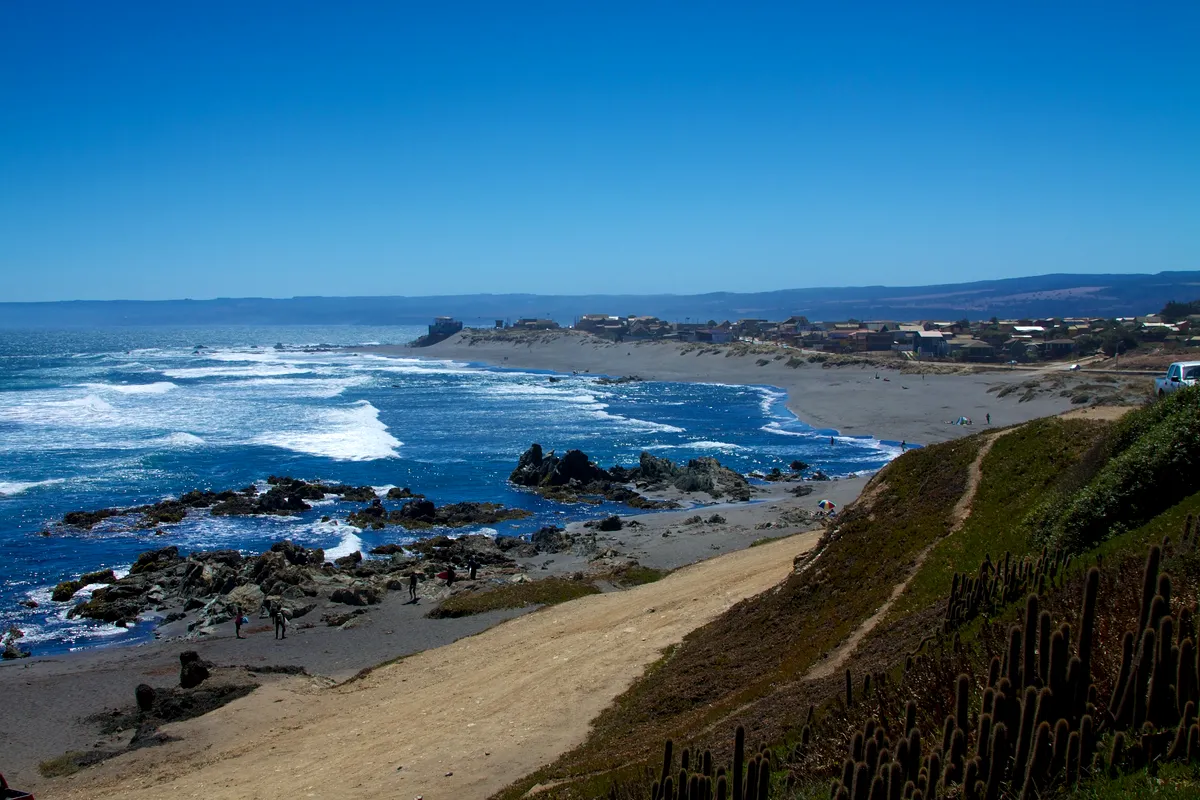
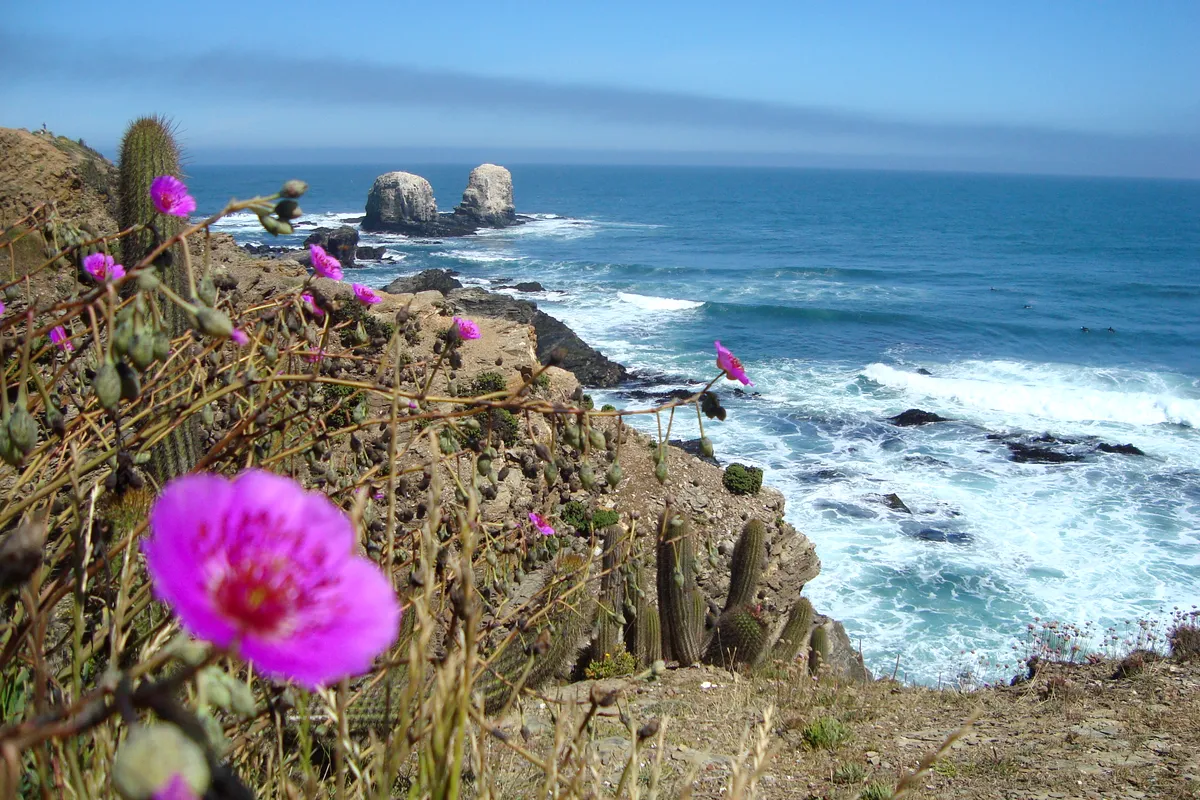
Chile is one of the longest countries in the world, and almost all of its coastline faces west or south-west into the Pacific. Swells from storms in the Southern Ocean arrive consistently throughout the year, particularly in autumn and winter. The coastline is dotted with headlands and points that turn these swells into long, peeling left-hand waves.
The Humboldt Current brings cold water north from Antarctica, keeping the ocean cool along the entire coast and supporting rich marine life. Chile's surf ranges from the hollow reef breaks of the northern desert to the long lefts of Pichilemu and the remote, wild beaches of the south. Crowds are concentrated in a few towns, leaving much of the coast uncrowded.
When to go surfing in Chile
Chile has surf all year, thanks to consistent Southern Ocean swells. Autumn, from March to May, is often considered the best time in central Chile, with consistent swells, lighter winds and fewer crowds after the summer holidays. Winter, from June to August, brings the biggest swells, rain and cold water, ideal for experienced surfers.
Spring, from September to November, brings more variable winds. Summer, from December to February, brings smaller swells, morning fog and busy beaches, especially during the Chilean summer holidays in January and February. In the north, around Arica and Iquique, the desert climate means dry weather and relatively consistent conditions all year.
How cold is the water in Chile?
The Humboldt Current keeps Chile's water cold year-round. In central Chile, water temperatures are typically in the low to mid teens Celsius. In the north, the water is slightly warmer, while the south is colder. Most surfers wear a 4/3 wetsuit with boots in central Chile, and a 5/4 in winter. In the north, a 3/2 or 4/3 may be enough.
Surf schools provide wetsuits for lessons, and rental shops in surf towns offer boards and wetsuits. Morning fog is common, especially in summer, so bring warm layers for after your session.
Getting to and around Chile
Santiago's international airport is the main gateway to Chile, with connections from across the Americas, Europe and Oceania. Domestic flights connect Santiago with Arica, Iquique and other cities. Long-distance buses are comfortable and widely used for travel along the country.
A rental car gives the most flexibility to explore the coast, especially around Pichilemu and the central coast. Roads are generally good, although some rural roads are unpaved. In the north, distances between towns are large, and the desert landscape is remote.
Safety and conditions
Chile's waves are powerful, and the cold water adds to the challenge. Many point and reef breaks have rocky entries and exits, and currents can be strong. Watch how local surfers get in and out, and surf within your ability.
Lifeguard coverage is limited outside main beaches in summer. Morning fog can reduce visibility, making it harder to judge conditions and see other surfers. Chile is a seismically active country, so learn tsunami evacuation routes in coastal towns, which are marked with signs.
Surf culture and conservation
Chile has a growing surf community, with surf schools, shops and contests in towns such as Pichilemu, Arica and Iquique. Local surfers and organisations have campaigned to protect important breaks, such as Punta de Lobos, from development.
In the water, respect local surfers, wait your turn and never drop in. Out of the water, enjoy Chile's food and wine, from fresh seafood to wines from the valleys near the coast, and respect the natural environment.
Surf, wine and the wider country
One of the pleasures of a Chilean surf trip is how easily it combines with other experiences. The Colchagua Valley, inland from Pichilemu, is one of Chile's best-known wine regions, with vineyards and tasting rooms an hour or two from the coast. The Casablanca Valley sits between Santiago and Valparaíso, close to the central coast surf spots. Valparaíso itself, a colourful port city built on steep hills, is a UNESCO World Heritage Site and makes a good stop on a surf trip.
In the north, the Atacama Desert offers stargazing, salt flats, geysers and high-altitude lagoons, a few hours inland from the coast. Santiago, with its museums, markets and views of the Andes, is a natural start or end point. With a couple of weeks, you can surf Pichilemu, visit the wine valleys and fly north for the desert and the reefs of Arica and Iquique.
Planning a Chile surf trip
For a first surf trip to Chile, Pichilemu is the obvious base, with breaks for all levels and easy access from Santiago. With more time, explore the central coast's other point breaks or fly north to Arica and Iquique for warmer water and desert reef breaks.
Adventurous surfers can travel south to the Biobío region and beyond, where the coast is wilder and less developed. Combine surfing with Chile's other attractions, such as the Atacama Desert, the wine valleys, the Andes and Patagonia.
Surf regions of Chile
Arica and the far north
Arica, near the border with Peru, is known for powerful reef breaks over shallow rock, including El Gringo, a heavy, hollow wave that has hosted international contests. La Isla del Alacrán, a peninsula in the city, has several reef breaks. The desert climate means sunny weather and relatively warm water compared with the rest of Chile.
Known for: El Gringo, La Isla del Alacrán
Iquique
Iquique, south of Arica, is a coastal city backed by huge sand dunes, with reef and beach breaks along its seafront. El Colegio and Cavancha are among the best-known spots. The city has a lively surf scene and is a good base for exploring the northern coast.
Known for: El Colegio, Cavancha
Antofagasta and the Atacama coast
Between Iquique and the central coast, the Atacama Desert meets the Pacific along a long, arid and sparsely populated shoreline. Around Antofagasta and smaller towns such as Taltal and Caldera, there are reef and point breaks that see few visiting surfers. Distances are large, services are limited and the landscape is stark, so this coast suits self-sufficient surfers on a road trip who enjoy remote, uncrowded waves.
Known for: Antofagasta, Taltal, Caldera
Central coast: Pichilemu
Pichilemu is Chile's surf capital, with breaks for all levels. Punta de Lobos is a long, powerful left-hand point and a respected big-wave spot. La Puntilla, in town, is a gentle left-hand point ideal for learning. Infiernillo is a heavier left for experienced surfers. The town is a few hours from Santiago.
Known for: Pichilemu, Punta de Lobos, La Puntilla, Infiernillo
Central coast: Valparaíso and surroundings
The coast near Valparaíso and Viña del Mar has beach and point breaks within easy reach of Santiago, including Reñaca, Maitencillo and Ritoque. These spots are popular with Santiago surfers on weekends. Matanzas, south of Valparaíso, is known for windsurfing and kitesurfing as well as surfing.
Known for: Reñaca, Maitencillo, Ritoque, Matanzas
South-central coast: Maule and Biobío
South of Pichilemu, the coast through the Maule and Biobío regions has many point breaks and beaches with few surfers, including Pelluhue, Curanipe, Cobquecura and Buchupureo. Facilities are more limited, and the coast suits adventurous surfers with a car. Water is cold, and conditions can be powerful.
Known for: Pelluhue, Curanipe, Cobquecura, Buchupureo
Patagonia and the far south
Chile's far south, from Chiloé Island to Patagonia, is a world of fjords, forests and glaciers. Surf here is limited and the water is very cold, but adventurous surfers do explore exposed beaches on Chiloé and the coast further south. Conditions are wild and weather changes fast, so this is a region for experienced, well-equipped surfers who are more interested in exploration than consistent waves.
Known for: Chiloé Island
Learning to surf in Chile
Pichilemu is the most popular place to learn to surf in Chile, thanks to La Puntilla, a gentle left-hand point with slow, peeling waves. Several surf schools operate there, providing wetsuits and soft-top boards. Other learning spots include beaches near Valparaíso, Viña del Mar and Iquique.
The cold water means a good wetsuit and boots are important for comfort. Summer offers smaller waves for beginners, although fog and crowds are common. Autumn can also be good, with consistent but manageable waves at La Puntilla.
Choose a school with qualified instructors and ask about group size and safety. Learn about rip currents, rocky entries and cold-water safety before progressing to more challenging breaks.
Surfing in Chile: questions
When is the best time to surf in Chile?
Autumn, from March to May, is often best in central Chile, with consistent swells and lighter winds. Winter brings bigger waves and cold water, while summer is smaller and busier.
Where is the best place to learn to surf in Chile?
Pichilemu's La Puntilla is the most popular learning spot, with gentle left-hand waves and several surf schools.
How cold is the water in Chile?
The Humboldt Current keeps the water cold year-round, typically in the low to mid teens Celsius in central Chile. A 4/3 wetsuit with boots is standard, and a 5/4 in winter.
What is Punta de Lobos?
Punta de Lobos is a long, powerful left-hand point near Pichilemu and one of South America's most respected big-wave spots. It is only suitable for experienced surfers.
Is the north of Chile good for surfing?
Yes. Arica and Iquique have powerful reef breaks, desert scenery and slightly warmer water than central Chile. Many breaks are for experienced surfers.
Do I need to worry about tsunamis in Chile?
Chile is seismically active, and coastal towns have marked tsunami evacuation routes. Learn the route where you are staying, and follow official instructions if an earthquake occurs.
How far is Pichilemu from Santiago?
Pichilemu is a few hours by road south-west of Santiago. Regular buses run between the two, and a rental car gives the most flexibility to explore the wider coast.
Is Chile good for a winter surf trip?
Chile's winter, from June to August, brings the biggest and most consistent swells, along with rain and cold water. It suits experienced surfers with good wetsuits. Beginners usually prefer summer or autumn.
What is the surf like in Chile in summer?
Summer, from December to February, usually brings smaller swells, frequent morning fog and afternoon winds in central Chile. Beaches are busy during the school holidays. It is a good time for beginners at La Puntilla, while experienced surfers will find more consistent waves from March onwards.
Can I combine surfing in Chile with a trip to Peru?
Yes. Arica, in Chile's far north, is close to the Peruvian border, and many surfers combine northern Chile with Peru's long left-hand points further north. Check border crossing requirements and travel times, as distances are large.
Are there sea lions at Chilean surf spots?
Yes. Sea lions are common along the Chilean coast, including around Pichilemu. They usually keep their distance from surfers; give them space and avoid approaching colonies on rocks.
Sources & editorial notes
Country context checked against the sources below. Regional summaries are Book & Surf editorial planning suggestions, not forecasts or safety assessments.