The breaks
Recognised, publicly known surf spots around Pichilemu. Suitability depends on the day's swell, wind and tide, so treat the level as a guide, not a guarantee.
| Break | Type | Best for | Notes |
|---|---|---|---|
| Punta de Lobos | Left-hand point | Advanced–Expert | Long, powerful lefts below a rocky headland and sea stacks. A respected big-wave spot with a tricky rocky entry. |
| La Puntilla | Left-hand point | Beginner–Intermediate | Gentle, peeling lefts at the north end of town. The main learning spot and great for longboards. |
| Playa Principal | Beach break | Beginner–Intermediate | The main town beach, with beach-break peaks south of La Puntilla. |
| Infiernillo | Left-hand point/reef | Intermediate–Advanced | A heavier left over rock at the southern end of town. |
Pichilemu surf climate, measured
Ten years of ocean model data for the open water off this coast: what the swell usually looks like before it reaches the beach. Shelter, sandbars and reefs change what you actually surf, so read this next to the month notes below.
| Month | Swell | Period | From | Wind | Water | Wetsuit | Days over 2.5 m |
|---|---|---|---|---|---|---|---|
| Jan | 1.6 m | 12 s | SW | 8 km/h S | 16°C | 3/2 mm full suit | 0% |
| Feb | 1.7 m | 13 s | SW | 7 km/h S | 17°C | 3/2 mm full suit | 0% |
| Mar | 1.6 m | 12 s | SW | 6 km/h S | 16°C | 3/2 mm full suit | 3% |
| Apr | 1.5 m | 12 s | SW | 8 km/h S | 15°C | 4/3 mm full suit | 0% |
| May | 1.6 m | 13 s | SW | 7 km/h SE | 14°C | 4/3 mm full suit | 5% |
| Jun | 1.7 m | 12 s | SW | 8 km/h SE | 14°C | 4/3 mm full suit | 13% |
| Jul | 1.6 m | 12 s | SW | 9 km/h E | 13°C | 4/3 mm full suit | 8% |
| Aug | 1.8 m | 13 s | SW | 8 km/h SE | 13°C | 4/3 mm full suit | 15% |
| Sep | 1.6 m | 12 s | SW | 8 km/h S | 13°C | 4/3 mm full suit | 3% |
| Oct | 1.5 m | 13 s | SW | 8 km/h S | 13°C | 4/3 mm full suit | 3% |
| Nov | 1.6 m | 12 s | SW | 10 km/h S | 14°C | 4/3 mm full suit | 3% |
| Dec | 1.6 m | 12 s | SW | 9 km/h S | 15°C | 4/3 mm full suit | 0% |
Median values from ERA5 at a sea point near Pichilemu (34.5°S, 72°W), sampled 4 days a month at 12:00 UTC, 2015-2024. Highlighted months are our suggested planning window. Not a forecast or a safety assessment. How we use this data.
Book a surf trip to Pichilemu
Everything we can link you to for this trip, grouped by what you need. Before you pay a camp or school, read who holds your money, and check that your insurance covers surfing.
Where to stay
Search near the breaks. Filter for surf hostels, apartments or hotels once you can see the map.
Surf lessons and activities
Listings change by season, so check what the operator includes and who coaches.
Flights
Add your dates and check the board fee on every leg before you pay.
Car hire
Ask about roof racks and whether the insurance covers boards on the roof.
Airport transfer
Tell the driver you have a board and its length when you book.
Mobile data
Download a forecast app and offline maps before you land.
Flight delay claims
If a delay eats your first surf day, check whether you can claim.
Luggage storage
Useful between check-out and a late flight. Check the size limit before dropping a board.
Links marked as partner links may earn us commission at no cost to you; the rest earn us nothing. We have not checked live availability or price, and the seller's terms apply. How we handle this.
Cheapest months to fly to Pichilemu
Lowest return fare to SCL that Aviasales users found recently, in US dollars. Treat these as a guide to which months are cheaper, not as prices you can book today.
| From | Nov 26 | Dec 26 | Jan 27 | Feb 27 | Mar 27 | Apr 27 |
|---|---|---|---|---|---|---|
| London | $957 | $1253 | $1234 | $1020 | $1170 | $942 |
| New York | $728 | – | – | – | $698 | – |
| Los Angeles | – | – | $840 | – | – | – |
| Sydney | $1448 | – | – | – | – | – |
| Frankfurt | – | $1488 | – | – | – | – |
Prices seen by 1 November 2026. Travelpayouts Data API. Board fees are extra on most airlines: see our surfboard baggage guide.
A coast of left-hand points
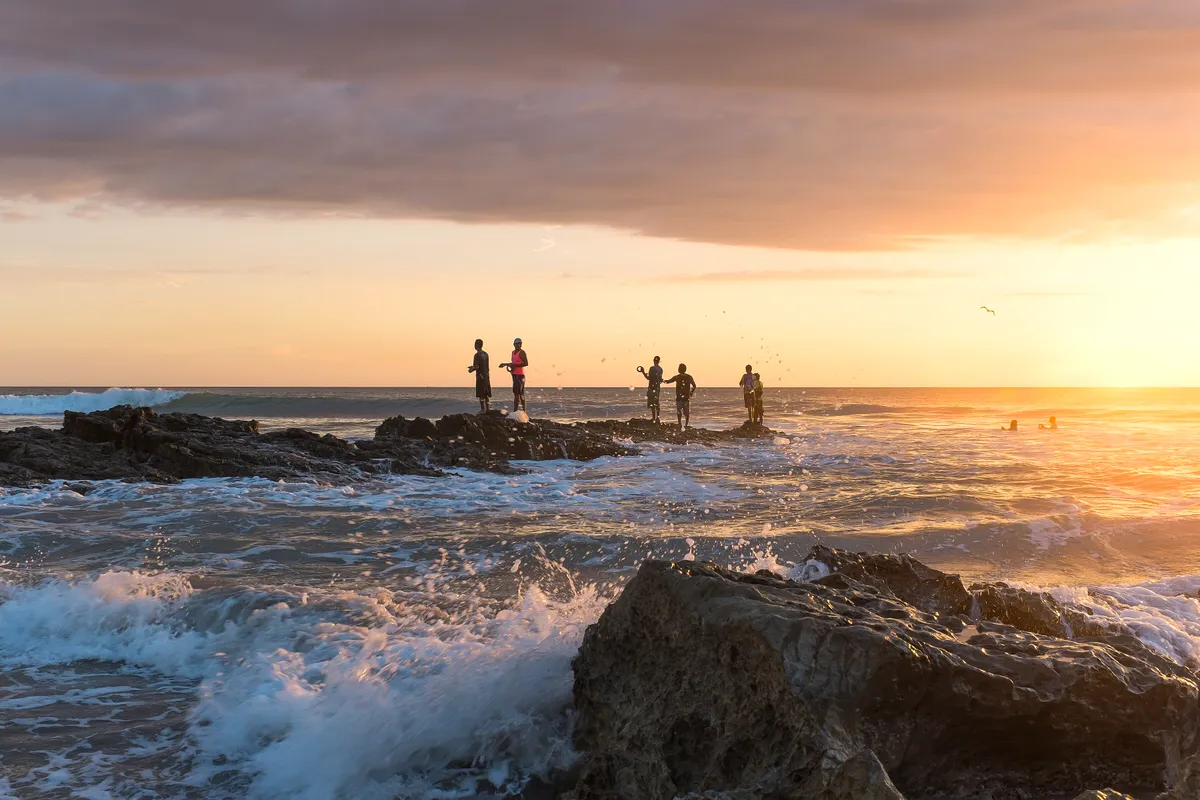
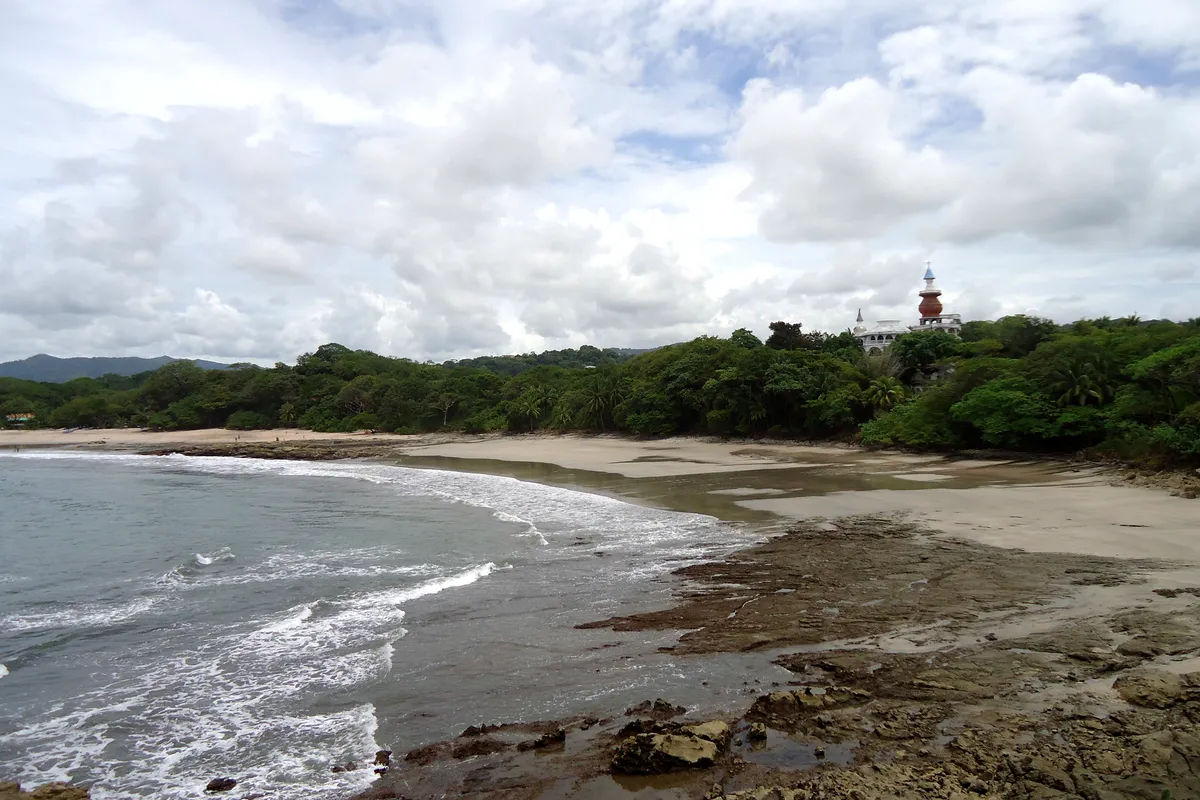
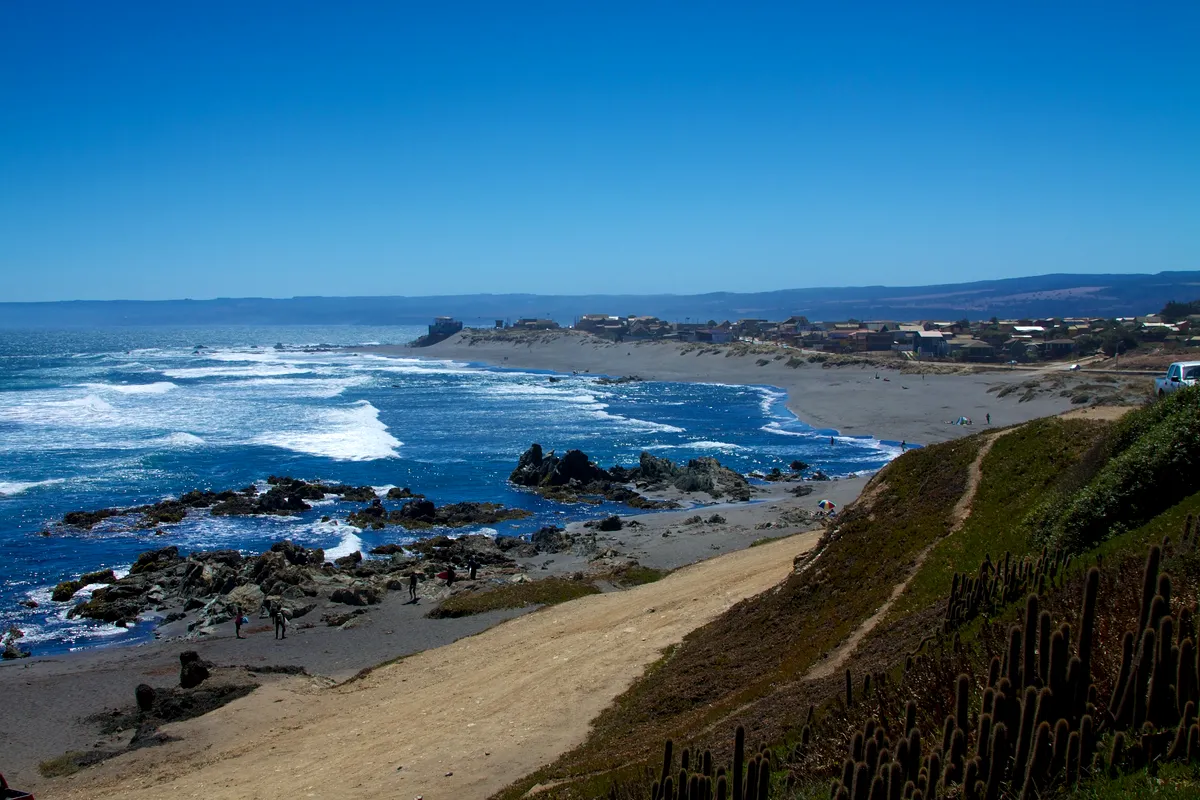
Chile has thousands of kilometres of Pacific coastline, and much of it faces south-west into the path of Southern Ocean swells. Along the central coast, headlands catch these swells and turn them into long, peeling left-hand points. Pichilemu, in the O'Higgins Region a few hours south-west of Santiago, is the best known of these surf towns.
The Humboldt Current brings cold water north from Antarctica, which means wetsuits all year and frequent morning fog. It also brings rich marine life, from sea lions to seabirds. The town is laid-back, with a mix of surf hostels, cabañas and seafood restaurants, and it hosts national and international surf contests.
Punta de Lobos
Punta de Lobos, about six kilometres south of town, is Pichilemu's most famous wave. It is a long, powerful left-hand point that breaks below a rocky headland with sea stacks just offshore. On big swells, it becomes one of the most respected big-wave spots in South America and hosts big-wave contests. Even on smaller days, it is a serious wave for experienced surfers, with a tricky entry off the rocks and strong currents.
The headland has been the focus of conservation efforts by local surfers and organisations to protect it from development. Watch from the clifftop viewpoint, and paddle out only if you are confident in powerful waves and cold water.
La Puntilla and the town waves
La Puntilla is the point at the northern end of Pichilemu's main beach. It is a left-hand point that peels gently on most swells, offering long, slow waves that are ideal for learners and longboarders. Surf schools operate here, and it is the main learning spot in town.
The main beach, Playa Principal, stretches south from La Puntilla and offers beach-break peaks. Infiernillo, at the southern end of town, is a heavier left over rock that suits experienced surfers. Each spot responds differently to swell and wind, so there is usually somewhere to surf.
Staying in Pichilemu
Staying in Pichilemu town puts you close to La Puntilla, the main beach, restaurants and shops. Accommodation ranges from hostels to cabañas and small hotels.
Many surf lodges and cabañas are located near Punta de Lobos, south of town. Staying here means you can check the wave from your door, but you will need a car or taxi for supplies and dining. Pichilemu gets busy during the Chilean summer holidays in January and February, so book ahead.
How to get to Pichilemu
Santiago's international airport is the main gateway. Pichilemu is a few hours' drive south-west, and buses run regularly from Santiago. A rental car gives the most flexibility to explore the coast, including spots further south.
Within Pichilemu, taxis and colectivos (shared taxis) connect the town with Punta de Lobos. Cycling is possible but hilly.
Cold water, fog and what to pack
The Humboldt Current keeps the water cold year-round. Expect water temperatures in the low to mid teens Celsius. Most surfers wear a 4/3 wetsuit with boots, and a 5/4 in winter. Gloves and a hood can help on the coldest days.
Morning fog is common, especially in summer. It can make it hard to see the line-up and judge conditions, so wait for it to lift or surf with others. Bring warm layers for after your session, and remember that the sun can be strong when the fog clears. Board and wetsuit hire is available in town.
Ocean safety and line-up etiquette
Pichilemu's waves are powerful, and the cold water adds to the challenge. Rocky entries and exits at Punta de Lobos and Infiernillo require care: watch how local surfers get in and out, and time your entry between sets. Currents can be strong around the points, especially on bigger swells, so know where you will come in before you paddle out.
Lifeguard coverage is limited outside the main beach in summer, so surf with others and tell someone where you are going. Sea lions are common along the coast and usually keep their distance; give them space if you see them.
The line-ups at Punta de Lobos and Infiernillo have experienced local surfers. Sit wide when you arrive, wait your turn and never drop in. At La Puntilla, learners and longboarders share the waves, so keep control of your board and give others room. Respect for local surfers and the conservation efforts around Punta de Lobos goes a long way.
The wider central Chilean coast
Pichilemu is a good base for exploring Chile's central coast, which has many other point breaks. To the south, the coast towards Bucalemu and beyond has quieter waves for experienced, self-sufficient surfers. To the north, the coast near Matanzas and Navidad is popular for windsurfing and kitesurfing as well as surfing.
Further north, near Valparaíso and Viña del Mar, there are more beach and point breaks within reach of Santiago. Many Chilean surfers travel along this coast chasing swells, so local knowledge is invaluable.
Beyond the surf in Pichilemu
Check the swell and wind forecasts: the points need a south-west swell, and morning offshore winds are often best. Fog can delay sessions, so be patient.
On a flat day, explore the Cáhuil lagoon and its salt flats, where salt is still harvested by hand, visit the wine valleys of Colchagua inland, or enjoy fresh seafood in town. Respect local surfers and the conservation efforts at Punta de Lobos, and leave the beaches and headlands cleaner than you found them.
Pichilemu surf season month by month
A broad planning picture, not a forecast. Swell, wind and water temperature vary from year to year.
| January | Chilean summer: busy holidays, smaller swells and frequent morning fog. Good for learning at La Puntilla. |
|---|---|
| February | Still summer holidays. Smaller swells and afternoon winds; town is busy. |
| March | Autumn swells begin to arrive, crowds thin and winds lighten. A prime month. |
| April | Consistent south-west swells and often clean conditions. Excellent for experienced surfers. |
| May | Bigger swells and cooler weather. Punta de Lobos can start to break with size. |
| June | Winter brings powerful swells, rain and cold water. A 5/4 wetsuit with boots. |
| July | Big winter swells and storms. Punta de Lobos may hold big waves; quiet in town. |
| August | Still winter: consistent, powerful swells and cold water. |
| September | Spring brings more variable winds and still-consistent swells. |
| October | Spring swells continue with more frequent wind. Good for intermediates on cleaner days. |
| November | Warming weather and smaller swells. Fog becomes more common. |
| December | Early summer: smaller swells, fog and the start of the holiday season. |
Learning to surf in Pichilemu
Pichilemu is Chile's most popular place to learn to surf, mainly because of La Puntilla, a gentle left-hand point that offers slow, peeling waves. Several surf schools operate here, offering lessons with wetsuits and soft-top boards included.
The water is cold, so a good wetsuit and boots are important for comfort. Ask the school about group size, instructor experience and whether lessons are timed for the best tide and wind.
Once you are comfortable on green waves, the main beach and La Puntilla on bigger days can help you progress. Punta de Lobos and Infiernillo are best left to experienced surfers.
Comparing options across the country? Read our guide to surfing in Chile.
Seasonal notes on this page describe typical patterns, not the conditions on a given day. Use the local forecast, lifeguard advice and a qualified instructor for water-safety decisions, and get a written breakdown of what any surf package includes before paying.
Pichilemu surf trip questions
When is the best time to surf in Pichilemu?
Autumn, from March to May, often brings consistent south-west swells and lighter winds. Winter is powerful and cold, while summer is smaller and busier.
Is Pichilemu good for beginners?
Yes, at La Puntilla, a gentle left-hand point with surf schools. Punta de Lobos and Infiernillo are for experienced surfers.
How cold is the water in Pichilemu?
The Humboldt Current keeps the water cold year-round, typically in the low to mid teens Celsius. A 4/3 wetsuit with boots is standard, and a 5/4 in winter.
How far is Pichilemu from Santiago?
A few hours by road. Buses run regularly from Santiago, and a rental car gives more flexibility.
Can I surf Punta de Lobos?
Only if you are experienced. It is a powerful left-hand point with a rocky entry and strong currents, and it becomes a big-wave spot on large swells.
What is the surf like in Pichilemu in summer?
Summer, from December to February, usually brings smaller swells, morning fog and afternoon winds, along with busy holiday crowds. It is a good time to learn at La Puntilla, but experienced surfers will find more consistent waves from March to May.
What else is there to do in Pichilemu?
Visit the Cáhuil lagoon and its traditional salt flats, take a day trip to the Colchagua Valley wineries inland, walk the clifftop at Punta de Lobos to watch the surf and eat fresh seafood in town. The area is also good for horse riding and coastal walks when the surf is flat.
Sources & editorial notes
Destination context checked against the sources below. Base-selection and itinerary suggestions are Book & Surf editorial recommendations. Seasonal windows are broad planning suggestions, not measured forecasts or guarantees.
- Chile Travel: Pichilemu ↗
- Wikipedia: Pichilemu ↗
- Wikipedia: Punta de Lobos ↗
- Wikipedia: Humboldt Current ↗
We do not claim to have personally surfed every break. Read our editorial standards.