Two oceans, two seasons
Panama's narrow isthmus separates the Pacific Ocean from the Caribbean Sea, and both coasts receive surf. The Pacific coast, facing south, catches long-period swells from storms in the Southern Hemisphere, most consistently from roughly April to October. The Caribbean coast, facing north, catches swells generated by winter storms in the North Atlantic and trade-wind systems in the Caribbean, mostly from roughly December to March, with a smaller window around June and July.
Because the seasons are reversed, a surfer can find waves in Panama for most of the year by choosing the right coast. Domestic flights from Panama City make it possible to visit both on a single trip.
The Pacific coast
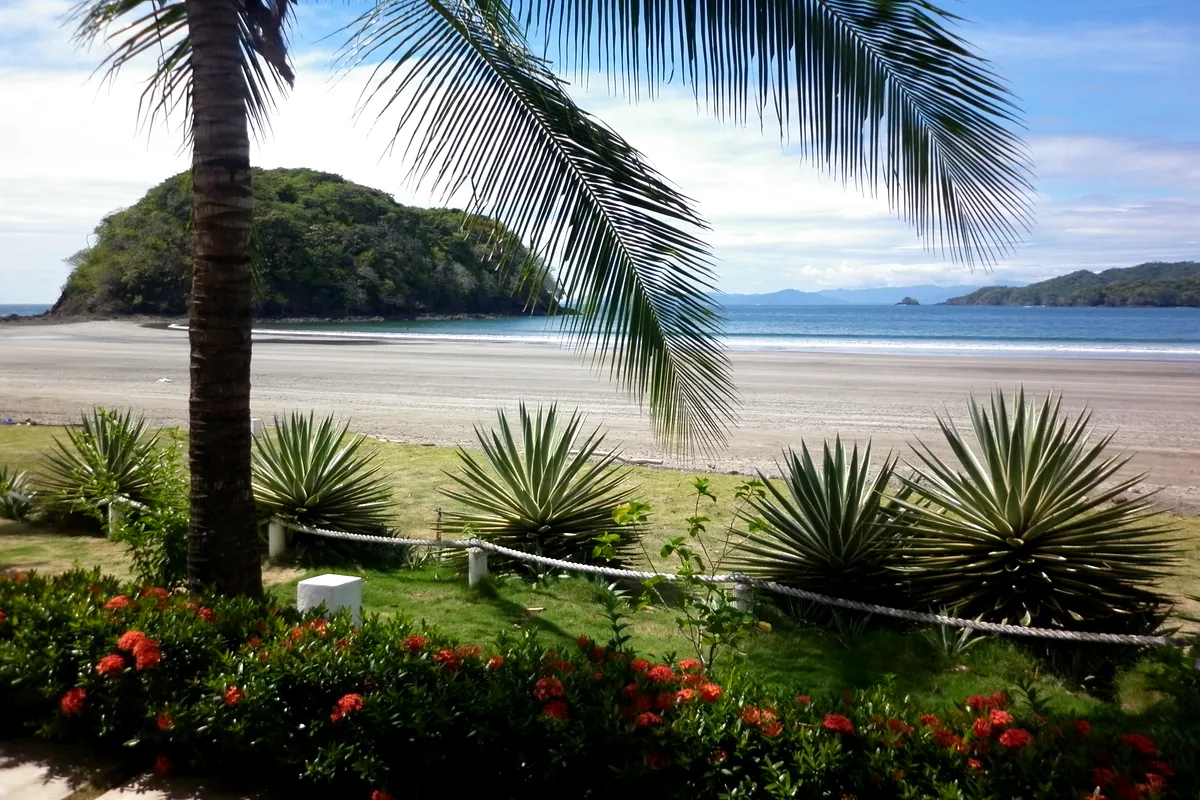
Panama's Pacific coastline is long and varied, with beach breaks, river mouths, points and reefs. The best-known surf areas are on the Azuero Peninsula, in the provinces of Los Santos and Veraguas, and around the Gulf of Chiriquí further west. Santa Catalina, in Veraguas, is Panama's most famous Pacific wave, a powerful right-hand reef. Playa Venao, on the Azuero Peninsula, is a long sandy bay popular with beginners and surf camps.
The Pacific coast also has large tidal ranges, which affect many breaks dramatically. Some reefs only work at certain stages of the tide, so local knowledge and tide tables are essential.
Playa Venao in depth
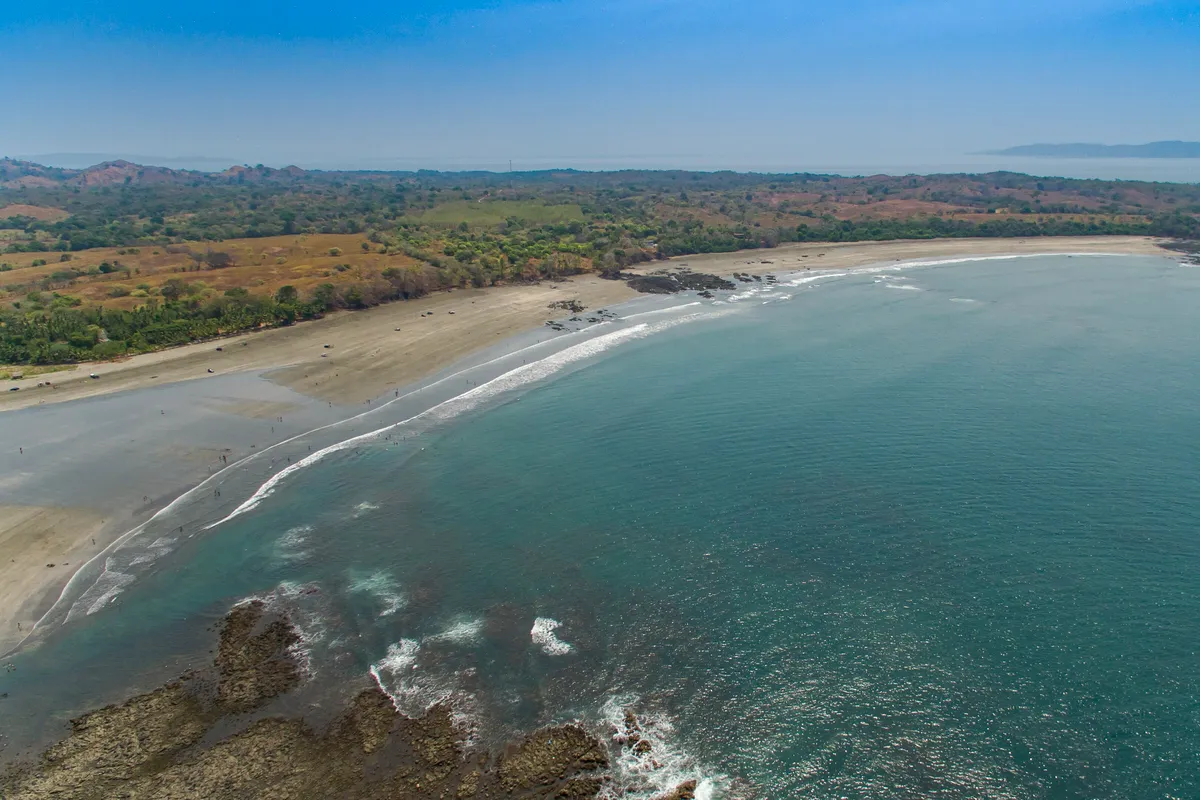
Playa Venao, on the southern tip of the Azuero Peninsula in Los Santos province, is a wide, crescent-shaped bay with a long sandy beach that picks up consistent south swells. Its beach-break peaks are forgiving on smaller days, making it one of the best places in Panama to learn, while bigger swells bring more powerful waves for experienced surfers. The bay has hosted national and international surf competitions.
Over the past two decades, Venao has grown from a quiet fishing spot into a small surf community, with surf camps, hostels, boutique hotels and restaurants set back from the beach. The nearby town of Pedasí, about half an hour away, has shops, banks and access to Isla Iguana, a wildlife refuge known for snorkelling. Further west along the peninsula, Cambutal offers quieter beaches and points.
Bocas del Toro and the Caribbean
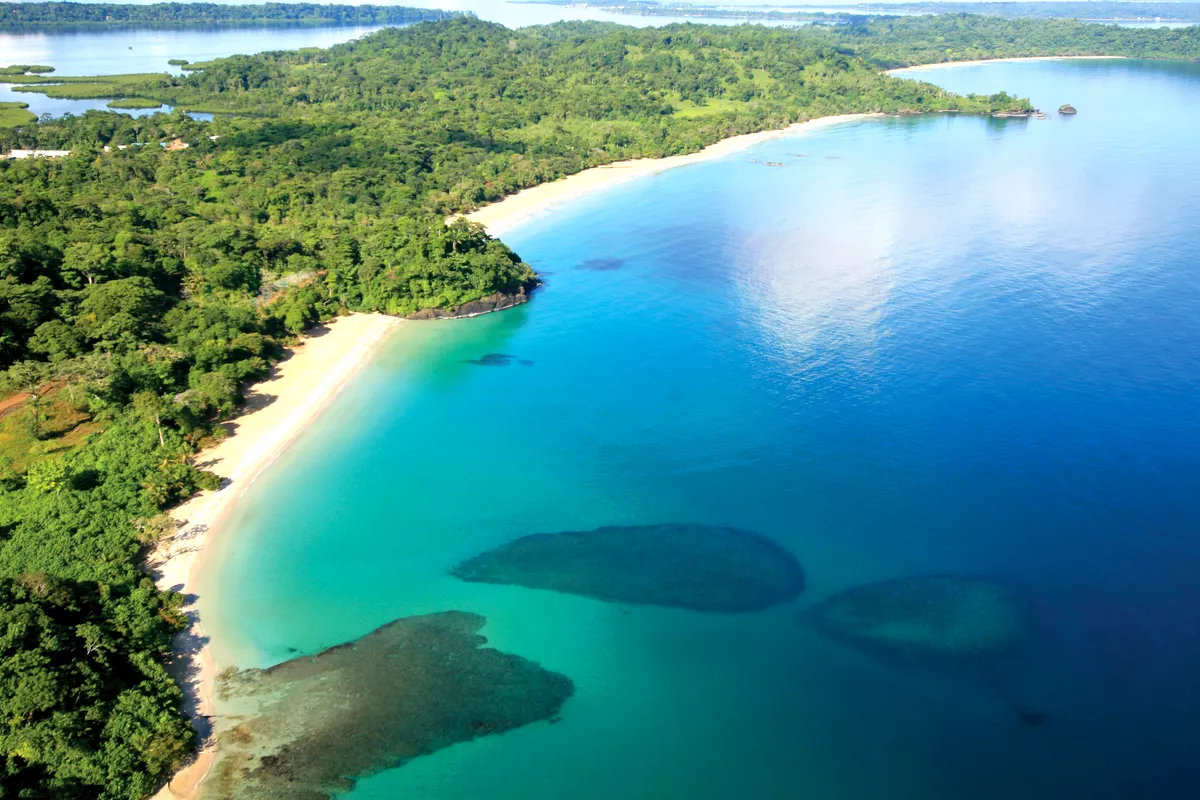
On the Caribbean side, the archipelago of Bocas del Toro, near the Costa Rican border, has a series of reef breaks around its islands, along with beach breaks on Isla Colón. The waves are mainly reached by water taxi from Bocas Town, and some, such as Silverbacks, can produce big, powerful waves on the right swell. The islands have a laid-back, Caribbean atmosphere, with Afro-Caribbean culture, stilt houses and lively bars.
Bocas is also known for diving, snorkelling and wildlife, including sloths, dolphins and red frogs, making it a popular destination even when the surf is flat.
Panama's two coasts through the year
For the Pacific coast, the main season runs from about April to October, during the rainy season, when south swells are most consistent and powerful. Mornings are often calm and sunny, with afternoon storms. From December to March, the Pacific dry season brings smaller swells and strong offshore winds on parts of the coast, which suits beginners.
For Bocas del Toro, the best surf usually arrives from December to March, with a secondary window around June and July. The Caribbean is rainier and less predictable, and some days are flat.
Getting there and getting around
Tocumen International Airport in Panama City is one of the best-connected airports in Latin America, with flights from North America, Europe and South America. From the city, the Pacific surf areas are reached by road, typically several hours' drive along the Pan-American Highway and secondary roads. Domestic flights connect Panama City with Bocas del Toro and David in the west.
A rental car is useful on the Pacific side, though some roads are unpaved. In Bocas, water taxis are the main way to get between islands and to surf breaks.
Water, sun and what to pack
The water is warm on both coasts year-round, so boardshorts or a swimsuit with a rash vest are enough. Some Pacific areas experience cooler upwelling in the dry season, when a spring suit can be welcome. Pack high-protection reef-safe sunscreen, a hat, insect repellent and reef booties, especially for Santa Catalina and the Bocas reefs.
Panama uses the balboa, which is tied to and used alongside the US dollar, so dollars are accepted everywhere. ATMs can be scarce in remote surf areas, so carry cash.
Tides and timing on the Pacific coast
The Pacific coast of Panama has some of the largest tidal ranges in the Americas, reaching several metres in places. This dramatically affects the surf. Reef breaks such as Santa Catalina may work well only for a few hours around a particular stage of the tide, while some beaches change from steep shore break at high tide to long, rolling waves at low tide.
Check tide tables alongside swell forecasts, ask local surfers and surf camps about the best tide for each spot, and plan sessions accordingly. Tides also affect river mouths and estuaries, where currents can be strong on outgoing tides.
Safety and etiquette
Panama is generally considered one of the safer countries in Central America for travellers, though normal precautions apply, especially in cities. In the water, reefs, strong currents and large tidal ranges are the main hazards, and lifeguards are rare outside a few beaches.
Line-ups are generally friendly but can be crowded at the best-known breaks, particularly Santa Catalina on good days. Respect local surfers, wait your turn and avoid dropping in.
Coiba and Panama's natural wonders
Off the Pacific coast near Santa Catalina, Coiba National Park, a UNESCO World Heritage Site, protects a large island and surrounding waters known for exceptional marine life, including whale sharks, humpback whales, dolphins and reef sharks. Boat trips for diving and snorkelling run from Santa Catalina.
Elsewhere, Panama offers cloud forests in Boquete, the San Blas Islands of the Guna people on the Caribbean side, and the Panama Canal, one of the world's great engineering achievements, which can be visited at the Miraflores Locks near the capital.
Food and culture
Panamanian food blends Spanish, Afro-Caribbean and Indigenous influences. On the coast, try fresh ceviche, fried fish with patacones, and sancocho, a chicken soup considered the national dish. In Bocas, Caribbean dishes such as rice and beans cooked in coconut milk reflect the region's Afro-Caribbean heritage.
Panama has a diverse population, including several Indigenous peoples. When visiting Indigenous communities, go with respectful local guides.
Planning a Panama surf trip
For a Pacific trip between April and October, many surfers base themselves in Santa Catalina for powerful reef waves and Coiba trips, or in Playa Venao for a beach-break set-up suited to all levels. For a Caribbean trip between December and March, Bocas del Toro offers island reefs and a lively atmosphere. With a week or two, you can combine the Azuero Peninsula with Santa Catalina, or add a few days in Panama City at the start or end.
Surf regions of Panama
Santa Catalina and Veraguas
Santa Catalina, a small fishing village in Veraguas, is home to Panama's best-known wave, a powerful right-hand reef break that can produce long, hollow rides on solid south swells. Nearby beaches suit beginners, and the village is the gateway to Coiba National Park.
Known for: Santa Catalina, Estero
Playa Venao and the Azuero Peninsula
On the Azuero Peninsula, Playa Venao is a long, curving sandy bay with consistent beach breaks suitable for beginners and intermediates, and a growing number of surf camps and boutique hotels. Further west, Cambutal offers beach and point breaks with fewer people.
Known for: Playa Venao, Cambutal, Pedasí
The Gulf of Chiriquí
In the west, the Gulf of Chiriquí has islands and remote points reached by boat, with surf camps on islands such as Morro Negrito. The area is less developed and suits adventurous surfers.
Known for: Morro Negrito
Bocas del Toro
On the Caribbean coast, Bocas del Toro's islands have reef breaks reached by water taxi, including Silverbacks, a powerful right for experienced surfers, and Carenero, along with beach breaks such as Bluff Beach on Isla Colón. The best season is usually December to March.
Known for: Bocas del Toro, Silverbacks, Carenero, Bluff Beach, Paunch
Near Panama City
Within a couple of hours of Panama City, the Pacific beaches of the Coclé and Panamá Oeste provinces have some beach breaks that are popular with city surfers at weekends, though they are less consistent than the Azuero Peninsula.
Known for: Playa Serena, Río Mar
The San Blas Islands
The San Blas Islands, or Guna Yala, on the Caribbean coast east of the canal, are an autonomous Indigenous region of small islands and reefs. They are famous for their beauty and culture rather than surf, though occasional swells reach some reefs.
Known for: Guna Yala
Learning to surf in Panama
Playa Venao is Panama's best-known beginner destination, with a long sandy bay, consistent small to medium waves and several surf schools and camps. Santa Catalina also has beginner-friendly beaches near the village, though its main reef is for experienced surfers. In Bocas del Toro, some beach breaks and smaller reefs suit improvers with an instructor.
Lessons usually include soft-top boards and rash vests. Ask about group size, instructor qualifications and how schools deal with tides, which can change conditions quickly.
Surfing in Panama: questions
When is the best time to surf in Panama?
The Pacific coast is best from April to October, while Bocas del Toro on the Caribbean is usually best from December to March.
Is Panama good for beginners?
Yes. Playa Venao on the Azuero Peninsula has a long sandy beach and many surf schools, and Santa Catalina has gentler beaches nearby.
What is Santa Catalina famous for?
Its powerful right-hand reef break, Panama's best-known wave, and its proximity to Coiba National Park, known for diving.
Can I surf both coasts of Panama on one trip?
Yes, though the best seasons differ. Domestic flights connect Panama City with Bocas del Toro, and the Pacific coast is a few hours' drive from the capital.
Do I need a wetsuit in Panama?
No. The water is warm year-round, though a spring suit can help during dry-season upwelling on parts of the Pacific coast.
What currency does Panama use?
The balboa, which is tied to the US dollar. US dollars are used everywhere.
Is Panama safe for surf travel?
It is generally considered one of the safer countries in Central America, though normal precautions apply.
How do tides affect surfing in Panama?
The Pacific coast has large tidal ranges, so many breaks only work at certain stages of the tide. Check tide tables and ask locally.
Is Bocas del Toro good for beginners?
Some beach breaks and smaller reefs in Bocas del Toro suit improvers with an instructor, but the best-known reefs, such as Silverbacks, are for experienced surfers.
Sources & editorial notes
Country context checked against the sources below. Regional summaries are Book & Surf editorial planning suggestions, not forecasts or safety assessments.