The breaks
Recognised, publicly known surf spots around Pavones. Suitability depends on the day's swell, wind and tide, so treat the level as a guide, not a guarantee.
| Break | Type | Best for | Notes |
|---|---|---|---|
| Pavones | Left-hand point | Intermediate–Advanced | One of the world's longest lefts on a solid south swell, peeling along sand and cobblestones at the river mouth. Crowded on big swells. |
| Punta Banco | Right-hand reef | Intermediate–Advanced | Reef south of Pavones that can work on smaller swells and offers an alternative when the point is flat. |
| Cabo Matapalo | Right-hand points & reefs | Intermediate–Advanced | Rainforest-backed rights at the tip of the Osa Peninsula, across the gulf via Puerto Jiménez. |
| Pan Dulce (Matapalo) | Right-hand point | Beginner–Intermediate | Gentler right at Matapalo, popular with longboarders. |
A wave at the end of the road
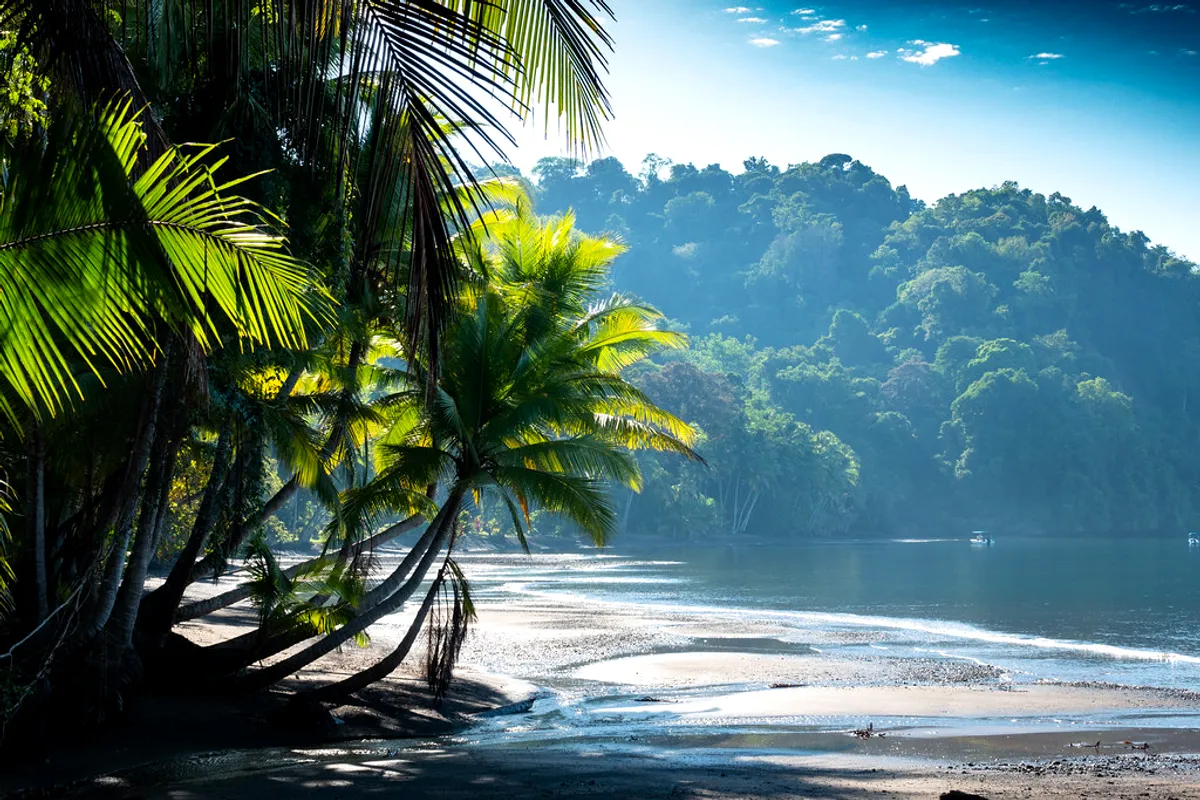
Pavones lies at the mouth of the Golfo Dulce, a deep tropical gulf in the far south of Costa Rica, close to the border with Panama. It is a small village of scattered houses, cabinas, a few restaurants and a football pitch, surrounded by rainforest and cattle pasture. The road here is long, partly unpaved and winding, which has helped keep Pavones remote and uncrowded for much of the year.
The village is known around the world for one thing: a left-hand point break that, on the right swell, ranks among the longest waves on earth. Surfers who discovered it in the 1970s spread its reputation, and today it remains a pilgrimage for goofy-footers and anyone who wants to experience a seemingly endless ride.
How the Pavones left works
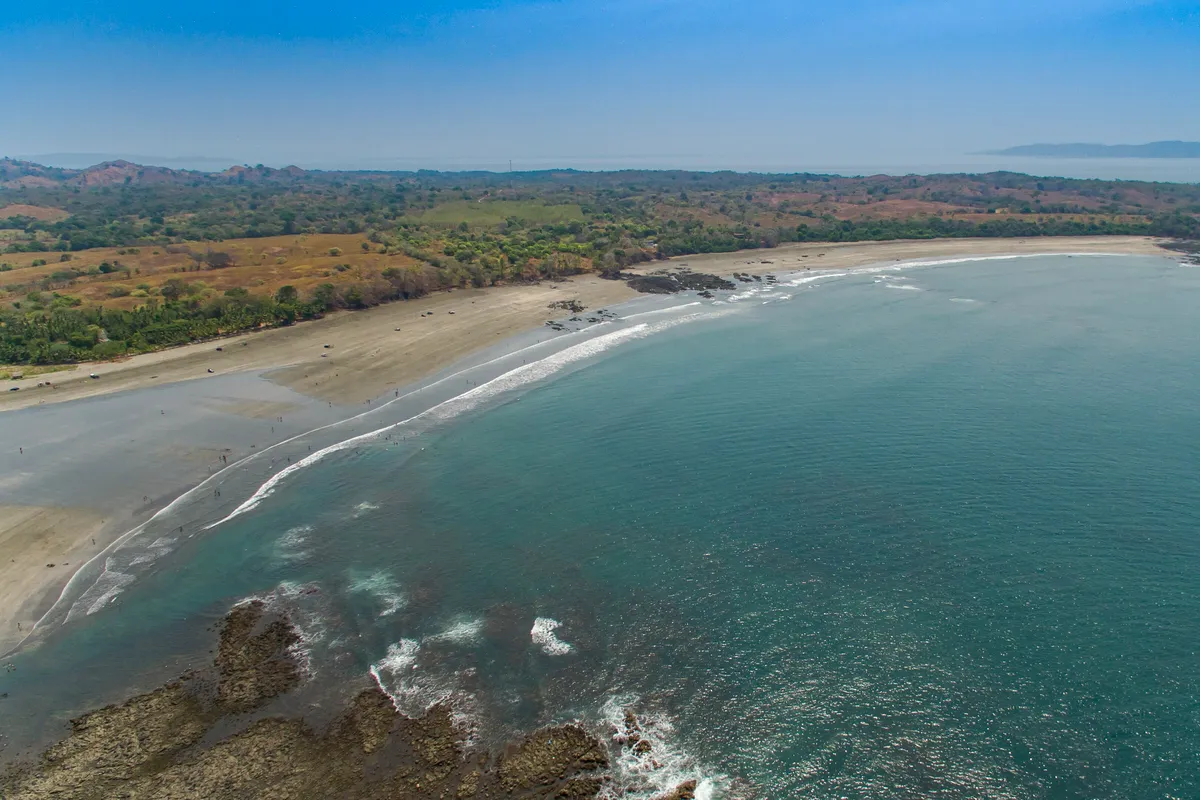
The wave breaks along a point of sand and cobblestones where the Río Claro meets the gulf. When a large, long-period south or south-west swell arrives, it wraps into the gulf and peels along the point in a series of sections that can link together. On the best days, a single wave can run for several hundred metres, with walls that allow multiple turns and occasional fast sections.
Pavones needs a solid swell from the right direction to work. On smaller swells, it may not break at all or produce only short rides, which is why many surfers watch forecasts closely and travel to Pavones only when a good swell is coming.
The line-up on a good swell
When a major swell hits, Pavones fills up quickly with experienced surfers from Costa Rica and abroad, and the line-up can be crowded and competitive. Because the wave is so long, surfers may be spread along different sections, and dropping in on someone further up the point is a common source of tension. Always look up the line before taking off, respect local surfers and be patient.
The paddle back to the take-off after a long ride can be tiring, and some surfers walk back along the beach. The cobblestones can make entries and exits tricky, so booties help.
Punta Banco and the south
South of Pavones, towards the Panama border, Punta Banco has a right-hand reef that can work on smaller swells than the main point and offers an alternative when Pavones is flat or crowded. Other reef and beach breaks along this stretch of coast work on different swells and tides, with very few people.
The area south of Pavones is home to an Indigenous Guaymí reserve and is rural and undeveloped, with a slow pace of life.
Matapalo, across the gulf
Across the Golfo Dulce, at the tip of the Osa Peninsula, Cabo Matapalo has a series of right-hand point and reef breaks in a remote rainforest setting, including waves known as Backwash and Pan Dulce, the latter popular with longboarders. Matapalo works on many of the same swells as Pavones and is reached via Puerto Jiménez. Some surfers combine both on one trip, though getting between them involves a boat across the gulf or a long drive around it.
Waiting for the south swells
The best season for Pavones is the green season, from roughly April to October, when large south swells from the Southern Hemisphere are most frequent. Even then, the wave depends on specific swells, so flexibility is key. This is also the rainy season, with heavy afternoon rain, muddy roads and lush green landscapes.
From November to March, the dry season brings fewer and smaller south swells, and Pavones often does not break. The village is very quiet at this time.
Getting to Pavones
Pavones is a long journey from San José, typically around seven to eight hours by road, via the coastal highway to Golfito and then a winding, partly unpaved road along the gulf. Domestic flights from San José to Golfito shorten the trip considerably, followed by a drive of about an hour and a half. A 4x4 is recommended, especially in the rainy season, when rivers rise and roads become muddy.
Public buses run from Golfito to Pavones, but services are limited.
Where to stay in Pavones
Accommodation in Pavones is simple and scattered, with cabinas, small guesthouses, surf lodges and a few eco-lodges in the jungle. Many overlook the point or are within walking distance. Facilities are limited: there are a few small shops and restaurants, internet can be patchy and there may not be an ATM, so bring enough cash.
Book ahead if you plan to visit during a forecast big swell, when accommodation fills quickly.
Wildlife and the Golfo Dulce
The Golfo Dulce is one of only a few tropical fjords in the world, a deep, sheltered gulf rich in marine life. Dolphins are common, and humpback whales visit in certain seasons. The surrounding rainforests, part of the wider Osa region, are home to scarlet macaws, monkeys, sloths and toucans. Corcovado National Park, on the Osa Peninsula, is one of the most biodiverse places on earth.
On flat days, take a boat trip on the gulf, hike to waterfalls or visit the sea turtle conservation project near Punta Banco.
What to pack
The water is warm, so a rash vest or surf top is enough. Bring booties for the cobblestone point, high-protection sunscreen, insect repellent, a rain jacket and a basic first-aid kit, as medical facilities are far away. A longer board or step-up can help on big swells, and many surfers bring a quiver. Board rental options in Pavones are limited.
Respecting a small community
Pavones is a small community where surf tourism plays a big role but is not the only way of life. Respect local residents and surfers, support locally owned businesses and keep the beach and river clean. The village has a history of land disputes, and development remains sensitive, so travel lightly and respectfully.
Pavones surf season month by month
A broad planning picture, not a forecast. Swell, wind and water temperature vary from year to year.
| January | Dry season: few south swells and Pavones often flat. A quiet time in the village. |
|---|---|
| February | Still dry and mostly small. Good for exploring the gulf and rainforest. |
| March | End of the dry season; the first south swells may arrive late. |
| April | The south-swell season begins. Pavones can start to break on solid swells. |
| May | Rainy season begins, with more frequent south swells. |
| June | Prime season; big swells can produce the famous long rides. |
| July | Consistent south swells and lush green landscapes. |
| August | Still good swells, with heavy afternoon rain. |
| September | Very wet, with powerful swells and muddy roads. |
| October | The wettest month; swells remain but travel can be difficult. |
| November | Rains ease and swells become less frequent. |
| December | Dry season begins; Pavones is usually small or flat. |
Is Pavones right for your level?
Pavones is best for intermediate and advanced surfers who can paddle well, read a long point break and handle crowds on big days. On smaller swells, the inside sections can be manageable for confident improvers, and Pan Dulce at Matapalo, across the gulf, is gentler. Complete beginners are better off learning at beach breaks such as Jacó, Tamarindo or Nosara before visiting Pavones.
Comparing options across the country? Read our guide to surfing in Costa Rica.
Seasonal notes on this page describe typical patterns, not the conditions on a given day. Use the local forecast, lifeguard advice and a qualified instructor for water-safety decisions, and get a written breakdown of what any surf package includes before paying.
Pavones surf trip questions
How long is the wave at Pavones?
On a solid south swell, sections can link into rides of several hundred metres, making it one of the longest lefts in the world.
When is the best time to surf Pavones?
April to October brings the large south swells Pavones needs. It often does not break in the dry season.
How do I get to Pavones?
By road from San José, about seven to eight hours, or by domestic flight to Golfito followed by a drive of about an hour and a half.
Is Pavones good for beginners?
Not really. It suits intermediate and advanced surfers. Beginners should learn at beach breaks first.
Are there ATMs in Pavones?
Facilities are limited and there may not be an ATM, so bring enough cash.
Can I combine Pavones with Matapalo?
Yes. Matapalo, at the tip of the Osa Peninsula across the Golfo Dulce, has right-hand points that work on similar swells.
Do I need booties at Pavones?
They help, as the point has cobblestones that make entries and exits tricky.
What size swell does Pavones need?
Pavones needs a solid, long-period south or south-west swell to connect its sections. On small swells it may barely break, so watch forecasts for a significant Southern Hemisphere groundswell before travelling, as the trip is long and the wave is fickle.
Sources & editorial notes
Destination context checked against the sources below. Base-selection and itinerary suggestions are Book & Surf editorial recommendations. Seasonal windows are broad planning suggestions, not measured forecasts or guarantees.
We do not claim to have personally surfed every break. Read our editorial standards.