The breaks
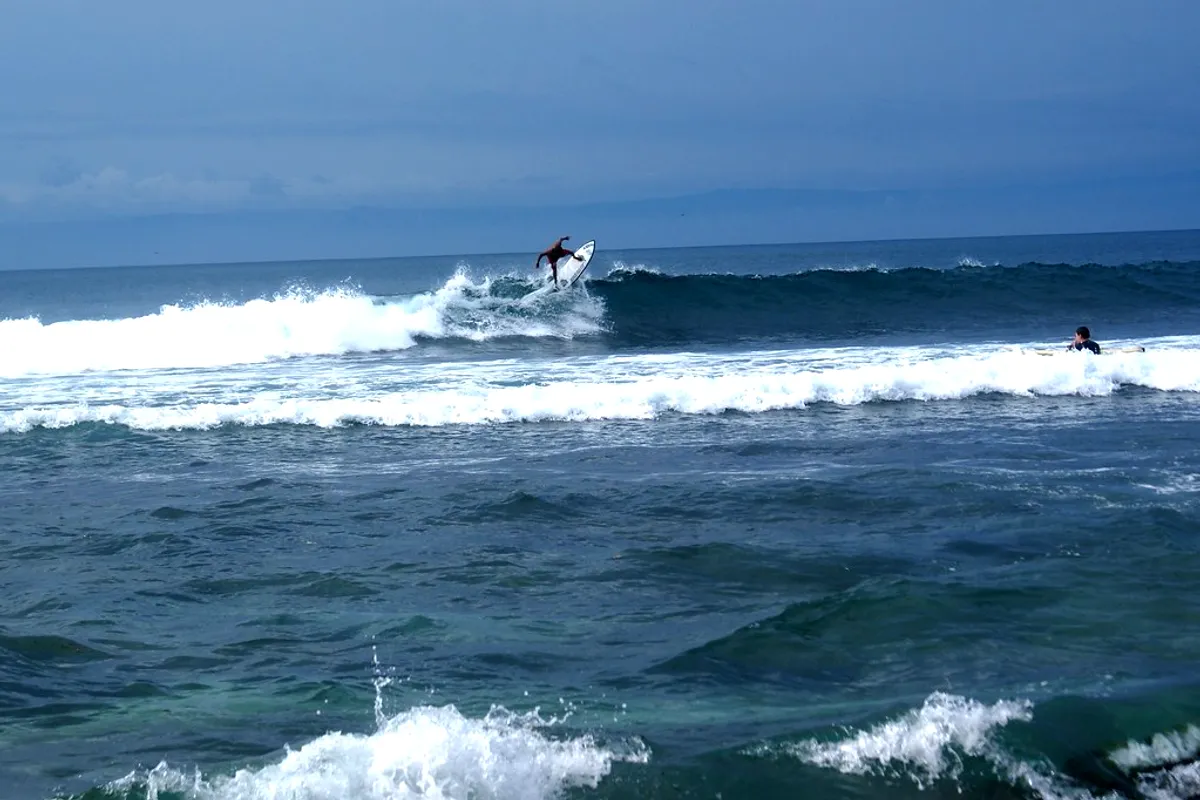
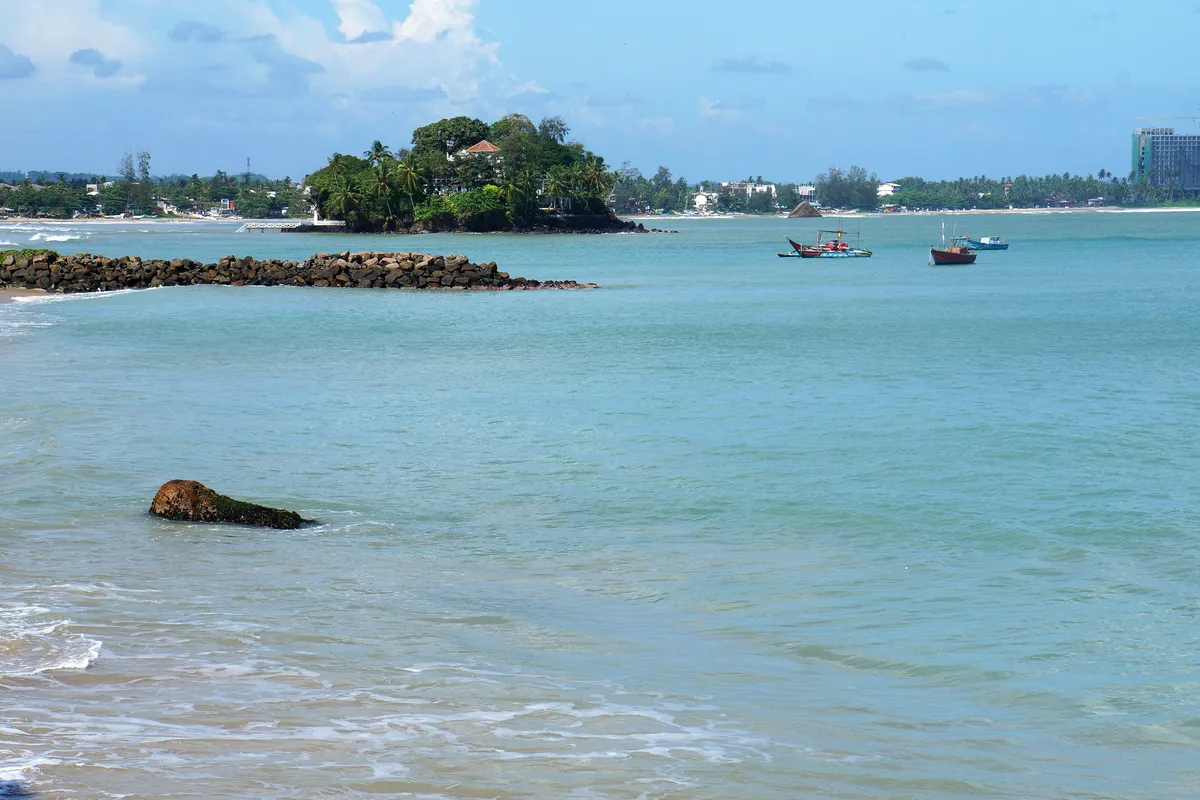
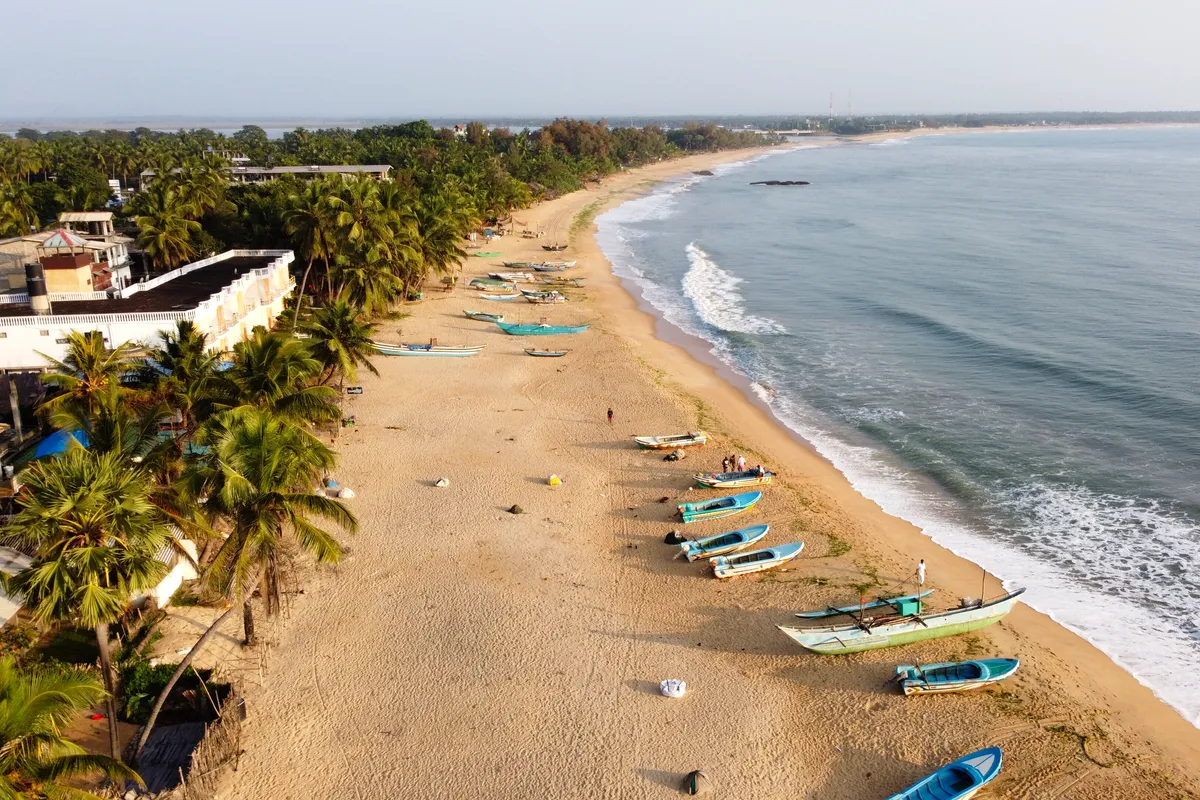
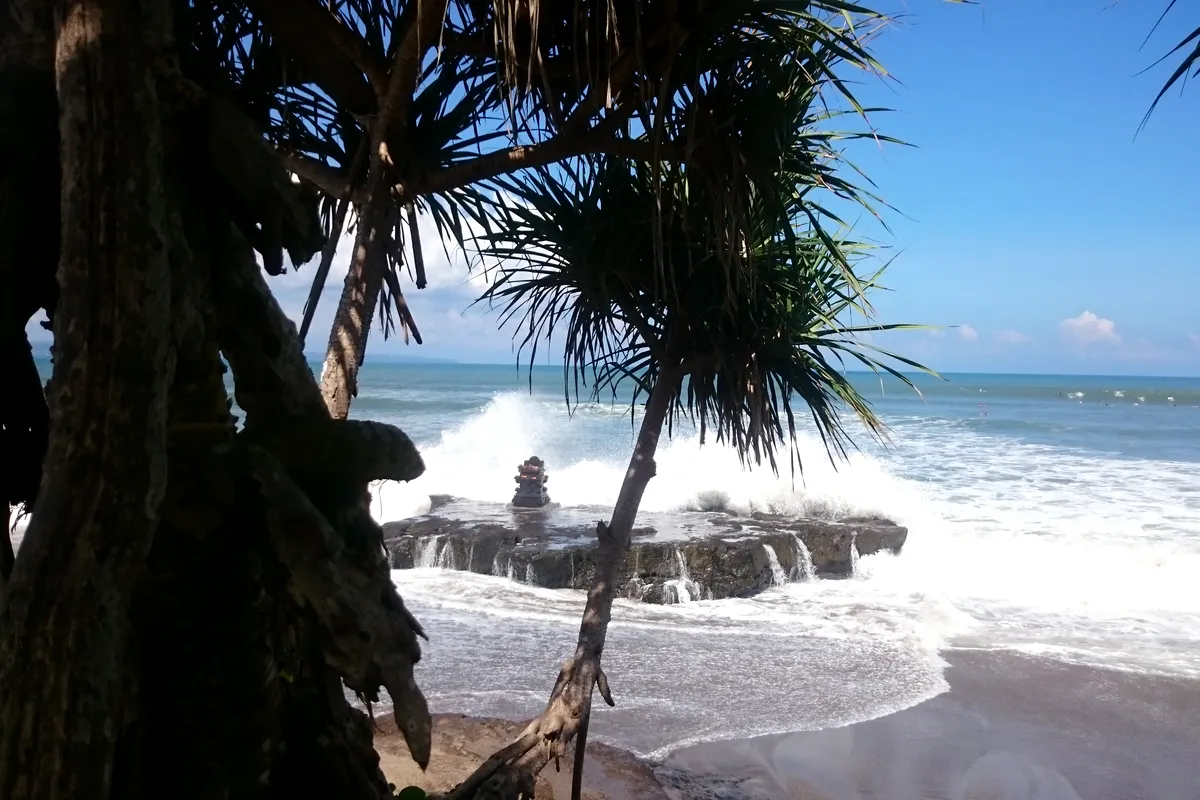
Recognised, publicly known surf spots around Canggu. Suitability depends on the day's swell, wind and tide, so treat the level as a guide, not a guarantee.
| Break | Type | Best for | Notes |
|---|---|---|---|
| Batu Bolong | Sand & rock | Beginner–Intermediate | Slow, rolling waves next to a beach temple, ideal for first green waves and longboarding. One of Bali's busiest line-ups. |
| Old Man's | Sand & rock | Beginner–Intermediate | Gentle left and right by the beach bar of the same name. Great for longboards and mid-lengths. |
| Echo Beach (Batu Mejan) | Lava reef | Intermediate–Advanced | Faster, punchier lefts and rights over reef. Hollow on bigger swells and lower tides; competitive line-up. |
| Pererenan | Reef & beach | Intermediate | Reef and beach peaks north-west of Echo Beach, often a little less crowded. |
| Berawa | Beach break | Beginner–Intermediate | Sandy beach break south of Batu Bolong, used by surf schools. Stronger currents on bigger swells. |
| Seseh & Cemagi | Reef & beach | Intermediate | Quieter reef and beach peaks further north, with fewer people and more rice-field scenery. |
Why Canggu works for so many surfers
Canggu sits on Bali's south-west coast, north of Seminyak, facing the Indian Ocean. The coastline here is a mix of black-sand beaches and lava-rock reefs that are softer and more forgiving than the sharp coral of the Bukit Peninsula. Within a few kilometres, there are waves for complete beginners, longboarders, improvers and experienced shortboarders.
Canggu also has the infrastructure: surf schools, board rental on every beach, surf shops, shapers, coworking spaces, gyms, yoga studios and cafés. That makes it a convenient place for long stays, which is why it attracts digital nomads as well as surfers. The trade-off is that it is busy, both on the roads and in the water, and development has replaced many of the rice fields that once defined the area.
Batu Bolong and Old Man's
Batu Bolong, next to a small temple on the beach, is Canggu's most famous wave for learners and longboarders. It breaks over a mix of sand and rock, producing slow, rolling waves that are ideal for catching your first green waves. The section often called Old Man's, named after a popular beach bar, is a gentle left and right that suits longboards and mid-lengths.
It is also one of the most crowded line-ups in Bali, with surf schools, rental boards and experienced longboarders all sharing the same peaks. Keep control of your board, give others space and avoid paddling straight into the path of someone riding a wave. Early mornings are quieter and often cleaner.
Echo Beach, Pererenan and the punchier waves
Echo Beach, also known as Batu Mejan, is a short drive north-west of Batu Bolong. It breaks over a lava-rock reef and produces faster, punchier lefts and rights, best for intermediate and advanced surfers. It can be hollow on bigger swells and lower tides, and it has a competitive local line-up.
Further north, Pererenan has a reef and beach break that is often a little less crowded than Echo Beach and suits intermediates. Beyond Pererenan, beaches such as Seseh, Cemagi and Nelayan offer more options, from beach breaks to reef peaks, with fewer people. These spots change with the tide, so local advice helps.
Berawa and the beach breaks
To the south of Batu Bolong, Berawa beach has a sandy beach break with peaks that suit beginners and intermediates, depending on the swell. It is popular with surf schools and has beach clubs and restaurants along its length. On bigger swells, it can become powerful with strong currents.
Further south, the beaches of Seminyak, Legian and Kuta stretch for kilometres and are some of the most popular learning beaches in Bali. Many Canggu surf schools use these beaches when conditions suit.
Seasons on Bali's west coast
Bali's dry season, from about April to October, brings south-east trade winds, which are offshore or cross-shore on Canggu's west-facing coast in the mornings, and the most consistent swells from the Indian Ocean. Afternoons can bring onshore sea breezes, so morning sessions are usually best. June to August is the peak, with the biggest swells and crowds.
The wet season, from about November to March, brings westerly winds, which are onshore on the west coast, along with rain and humidity. Canggu can still have surfable mornings with light winds, and waves are often smaller and suitable for beginners. Plastic and debris washed down rivers can affect water quality at times during the wet season.
Where to stay in Canggu
Canggu is spread out, with distinct neighbourhoods. Batu Bolong is the busiest, with cafés, bars and shops close to the beach. Berawa, to the south, has beach clubs, gyms and coworking spaces. Pererenan, to the north-west, is quieter and has retained more of its rice fields, although it is developing quickly. Echo Beach has a mix of villas, guesthouses and restaurants.
Accommodation ranges from budget guesthouses to private villas with pools. Staying within walking or short scooter distance of your preferred surf spot saves time in traffic.
Denpasar to Canggu: getting there and around
Ngurah Rai International Airport near Denpasar is the arrival point. The drive to Canggu is not long in distance, but traffic can make it slow at busy times. Arrange a transfer with your accommodation or use a ride-hailing app.
Most people get around Canggu by scooter, often with surfboard racks. Traffic is heavy and roads are narrow, so only ride if you are licensed and experienced, wear a helmet and check that your insurance covers scooter use. Ride-hailing apps and drivers are good alternatives. Some shortcut roads through the rice fields have become notorious bottlenecks.
Planning your days in Canggu
Surf early, ideally at dawn, for cleaner conditions and fewer people. Use the middle of the day to rest, work or explore, and check the evening glass-off if the wind drops.
On a flat or rest day, visit Tanah Lot, a sea temple on a rock formation a short drive north-west of Canggu, best at sunset. Explore Ubud's rice terraces, art and culture inland, or take a day trip to the Bukit Peninsula to watch the famous reef breaks. Canggu's food scene is one of the most varied in Bali, from local warungs to international cafés. Remember that Bali's Hindu culture shapes daily life; respect ceremonies, offerings and temple dress codes.
Canggu surf season month by month
A broad planning picture, not a forecast. Swell, wind and water temperature vary from year to year.
| January | Wet season: westerly winds are onshore on the west coast. Light-wind mornings can still offer small, fun waves. Warm water. |
|---|---|
| February | Wet season continues. Smaller swells and onshore winds; good for beginners on calm mornings. |
| March | Transition month. Some days of offshore winds appear; conditions mixed. |
| April | Dry season begins, with offshore mornings and building swells. A good month before the peak crowds. |
| May | Consistent swells and clean mornings. A strong month for all levels. |
| June | Peak swell season starts. Echo Beach and Pererenan can be powerful; Batu Bolong still fun for learners. |
| July | Prime conditions and the busiest month. Big swells and crowded line-ups; surf at dawn. |
| August | Consistent and busy. Dry, sunny weather with offshore mornings. |
| September | Still excellent, with good swell and slightly fewer visitors. |
| October | The tail of the dry season: decent swells, fewer crowds and the first signs of the wet season. |
| November | Transition to the wet season: winds become variable and then onshore. |
| December | Wet season with onshore winds and busy holidays. Morning sessions can still work for learners. |
Learning to surf in Canggu
Canggu is one of the best places in Bali to learn to surf, with Batu Bolong and Berawa offering gentle waves and dozens of surf schools nearby. Many schools also use the long sandy beaches of Kuta and Legian when conditions suit. Lessons usually include soft-top boards, rash vests and transport if needed.
Because Canggu's line-ups are crowded, a good instructor is valuable for teaching etiquette and safety as well as technique. Ask about group sizes, instructor qualifications and whether lessons are timed for the best tide.
Once you can catch and ride green waves, Canggu is an excellent place to progress. Board rental is everywhere, and coaching with video analysis is widely available. When you are ready, intermediate spots such as Pererenan and, later, Echo Beach offer a step up.
Comparing options across the country? Read our guide to surfing in Indonesia.
Seasonal notes on this page describe typical patterns, not the conditions on a given day. Use the local forecast, lifeguard advice and a qualified instructor for water-safety decisions, and get a written breakdown of what any surf package includes before paying.
Canggu surf trip questions
Is Canggu good for beginners?
Yes. Batu Bolong and Berawa have gentle waves and many surf schools. Batu Bolong is very crowded, so a good instructor helps you stay safe and learn etiquette.
When is the best time to surf in Canggu?
The dry season, from April to October, brings offshore morning winds and consistent swells. June to August is the peak. The wet season has onshore winds but can still offer small, clean mornings.
Canggu or Uluwatu: which is better?
Canggu suits beginners and intermediates, with softer reef and sand breaks and lots of amenities. Uluwatu and the Bukit Peninsula have world-famous but powerful coral reef breaks for experienced surfers.
Do I need a scooter in Canggu?
Most people use scooters, but traffic is heavy. Only ride if you are licensed and experienced, and check your insurance. Ride-hailing apps and drivers are good alternatives.
Do I need a wetsuit in Canggu?
No. The water is warm all year. A rash vest or surf top is useful for sun protection.
Is Echo Beach good for beginners?
Not usually. Echo Beach breaks over lava reef and can be fast and hollow, with a competitive line-up. Beginners should start at Batu Bolong or Berawa.
Sources & editorial notes
Destination context checked against the sources below. Base-selection and itinerary suggestions are Book & Surf editorial recommendations. Seasonal windows are broad planning suggestions, not measured forecasts or guarantees.
- Wikipedia: Canggu ↗
- Wikipedia: Tanah Lot ↗
- BMKG: Indonesian Agency for Meteorology, Climatology and Geophysics ↗
We do not claim to have personally surfed every break. Read our editorial standards.