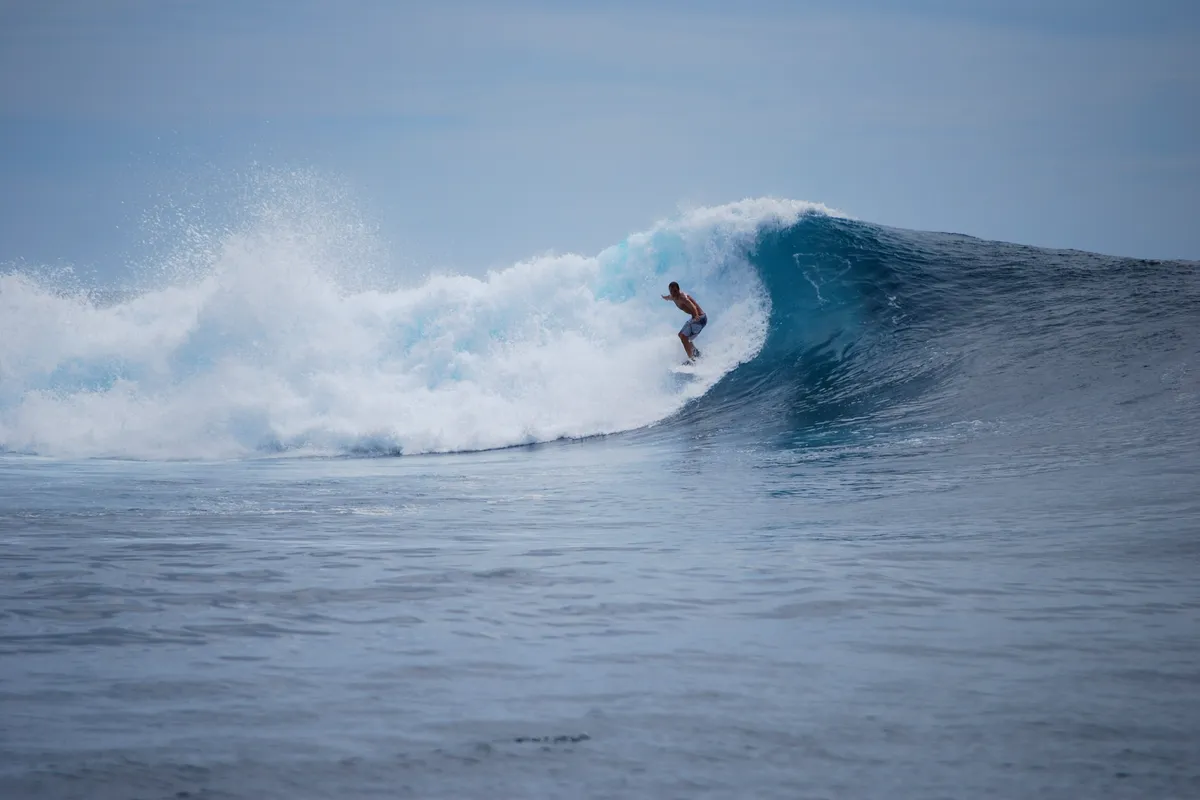
Why Indonesia is a surf pilgrimage
Indonesia's southern islands sit in the path of powerful swells generated by storms in the Southern Indian Ocean. Those swells travel thousands of kilometres, arriving as clean, organised lines that wrap around headlands and reefs. Combined with warm water, reliable trade winds and a huge number of islands, the result is an extraordinary concentration of world-class waves.
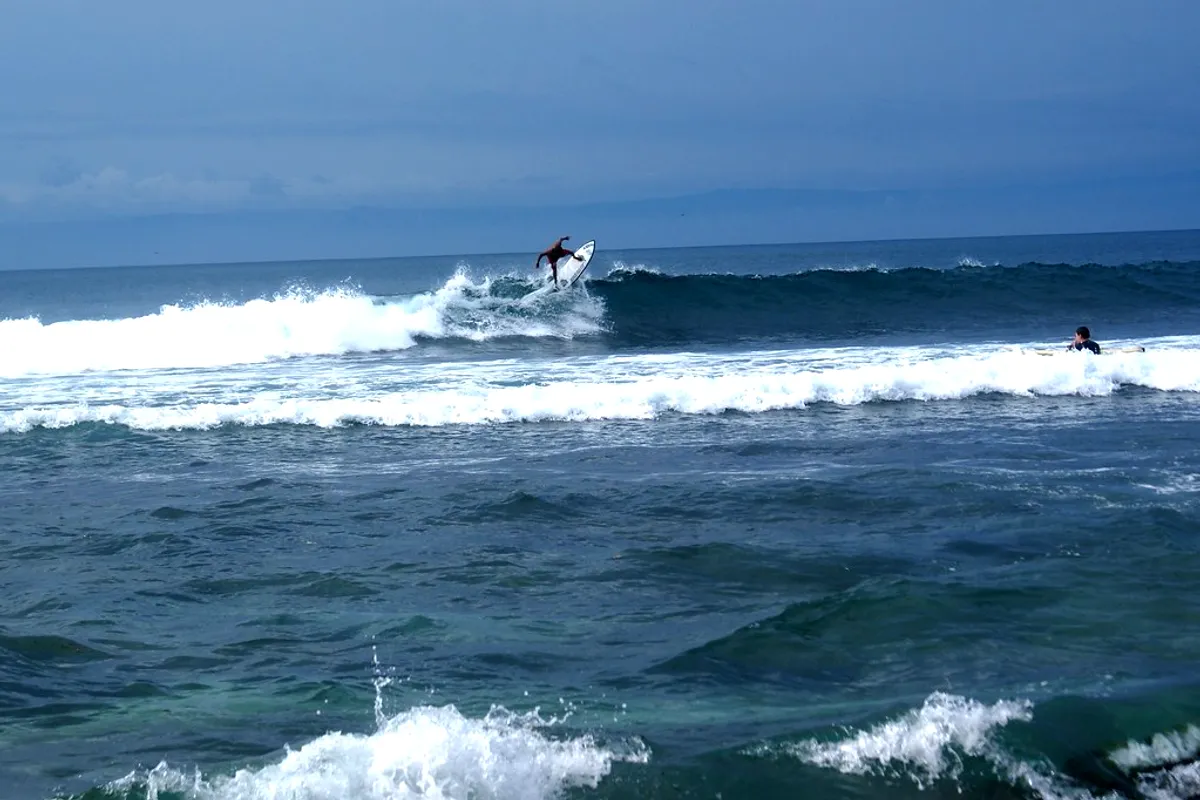
Most of the famous waves break over shallow coral reef, which gives them their shape and power. Many are left-handers, though there are plenty of rights too. Indonesia's reputation was built on these reef breaks, and they remain the main draw for experienced surfers. But the country also has plenty of beach breaks and gentle reefs where beginners and intermediates can learn and progress.
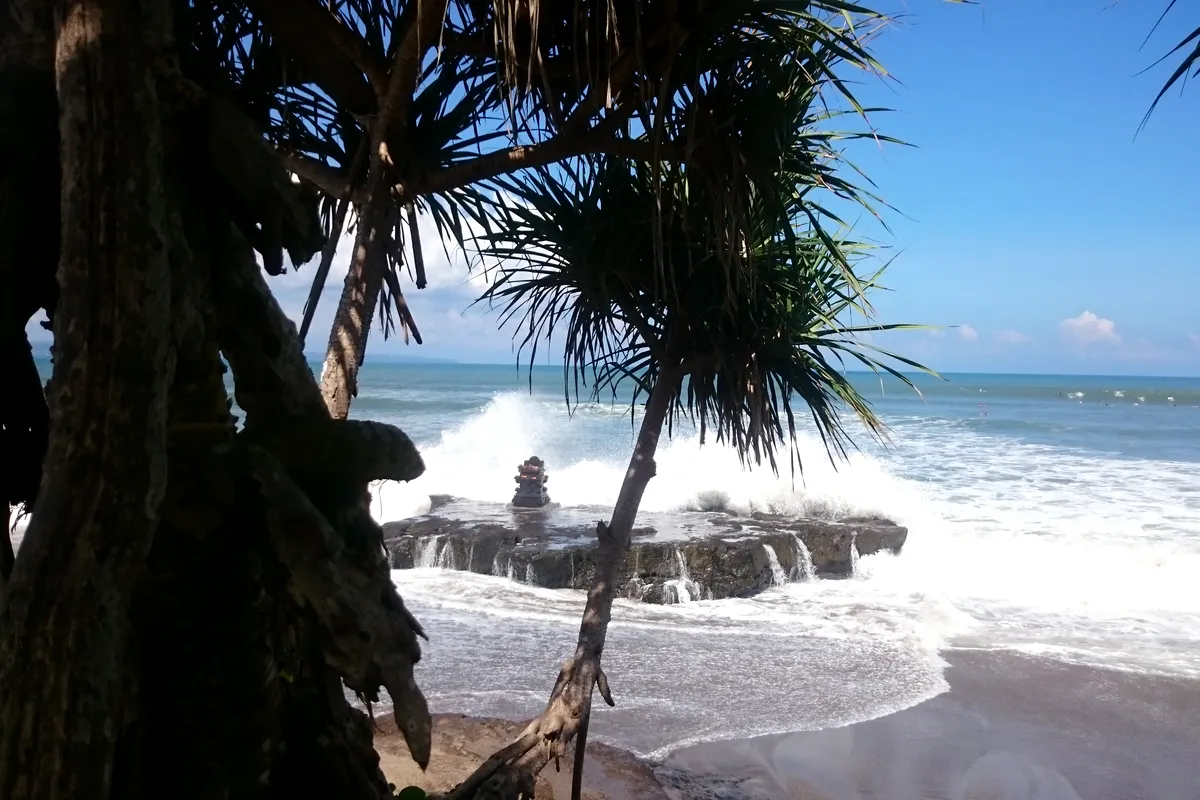
Indonesia is also culturally rich and diverse. Bali's Hindu traditions, Lombok's Sasak culture, Java's Muslim heritage and the Mentawai's indigenous communities each shape the experience of a surf trip.
When to go surfing in Indonesia
The main surf season runs from about April to October, during the dry season. South-east trade winds blow consistently, which are offshore on many west- and south-west-facing coasts, and the biggest and most consistent swells arrive from the Southern Hemisphere winter storms. June to August is the peak, with the most powerful swells and the biggest crowds. April, May, September and October can offer a better balance of swell, wind and crowds.
The wet season, from about November to March, brings westerly and north-westerly winds, more rain and generally smaller, less consistent swells. It is still possible to surf: in Bali, the east-facing reefs become offshore in the wet season, and some other islands have spots that work in these conditions. The wet season is quieter and can be good value.
Boat trips or land camps
In remote areas such as the Mentawai Islands, many surfers travel on surf charter boats, which move between waves depending on the swell and wind. Boat trips allow access to many breaks in a short time and can be very efficient for experienced surfers, but they are expensive and involve days at sea.
Land-based surf camps and resorts are an alternative, ranging from simple homestays to luxury resorts. They offer more stability, often with boat transfers to nearby waves. In Bali, Lombok and Java, most visitors stay on land, using scooters, cars or boats to reach the surf.
Getting there and practicalities
Bali's Ngurah Rai International Airport near Denpasar is the main gateway for most surf trips, with connections across Asia and to Australia, Europe and the Middle East. Jakarta and Medan also serve as hubs. Domestic flights, ferries and fast boats link the islands, and remote areas such as the Mentawai and Nias require several connections.
The water is warm all year, so boardshorts or a swimsuit with a rash vest are enough. Reef booties and a helmet can be useful on shallow reefs. Bring a good first-aid kit for reef cuts, and clean every cut carefully, because infections are common in the tropics. Check travel insurance for surfing and scooter cover, and consider medical evacuation insurance for remote areas.
Health, safety and reef injuries
Most Indonesian surf injuries come from reef cuts, collisions and, on land, scooter accidents. Reef cuts can become infected quickly in the tropics, so clean every cut thoroughly with fresh water and antiseptic, keep it covered and watch for signs of infection such as redness, swelling or heat. Carry a basic first-aid kit with antiseptic, dressings and tape; in remote areas, a more comprehensive kit is essential.
On shallow reefs, falling flat rather than diving head-first reduces the risk of injury, and some surfers wear helmets at the heaviest waves. Learn the tide windows for each break: many waves become dangerously shallow at low tide. Watch how local surfers enter and exit, especially where the paddle-out involves caves, channels or reef flats.
On land, scooter accidents are one of the most common causes of serious injury for visitors. Only ride if you are licensed and experienced, wear a helmet and check that your insurance covers you. Sun exposure, dehydration and stomach bugs are other common issues: drink bottled or filtered water, use high-protection sunscreen and rest during the hottest hours. In remote regions such as the Mentawai, medical facilities are limited, so evacuation insurance is strongly advisable.
Choosing your first Indonesia trip
For a first trip, Bali is the obvious choice. It has the widest range of waves, accommodation, food and transport, and you can combine beginner beaches with world-class reefs. Intermediate surfers often add Lombok or Sumbawa for less crowded waves, while experienced surfers looking for perfect reef breaks may head straight to the Mentawai, Nias or G-Land.
Think about your level honestly. Many of Indonesia's famous waves are shallow, powerful and crowded, and they demand solid paddling, duck diving and positioning skills. If you are still learning, a trip built around Bali's beach breaks and gentle reefs will be more enjoyable and safer than chasing famous names. Book well ahead for June to August, especially for boat trips and remote camps.
Etiquette, culture and the environment
Indonesia's popular waves can be crowded, with surfers from around the world competing for set waves. Respect local surfers, wait your turn and never drop in. On boat trips, coordinate with other boats at popular breaks.
Out of the water, respect local culture and religion. Dress modestly away from the beach, especially in Muslim-majority regions, and follow local customs at temples and in villages. Plastic pollution is a serious issue in some areas, particularly in the wet season, so reduce single-use plastic and support local clean-up initiatives.
Surf regions of Indonesia
Bali
Bali is Indonesia's surf hub and the easiest place to start. The Bukit Peninsula in the south has the famous reef breaks of Uluwatu, Padang Padang and Bingin, offshore in the dry season. Kuta, Legian and Canggu on the west coast offer beach breaks and gentler reefs, ideal for learning and progressing. In the wet season, the east coast reefs around Sanur, Nusa Dua and Keramas come into play. Nusa Lembongan, a short boat ride away, has reef breaks known as Shipwrecks, Lacerations and Playgrounds.
Lombok and Sumbawa
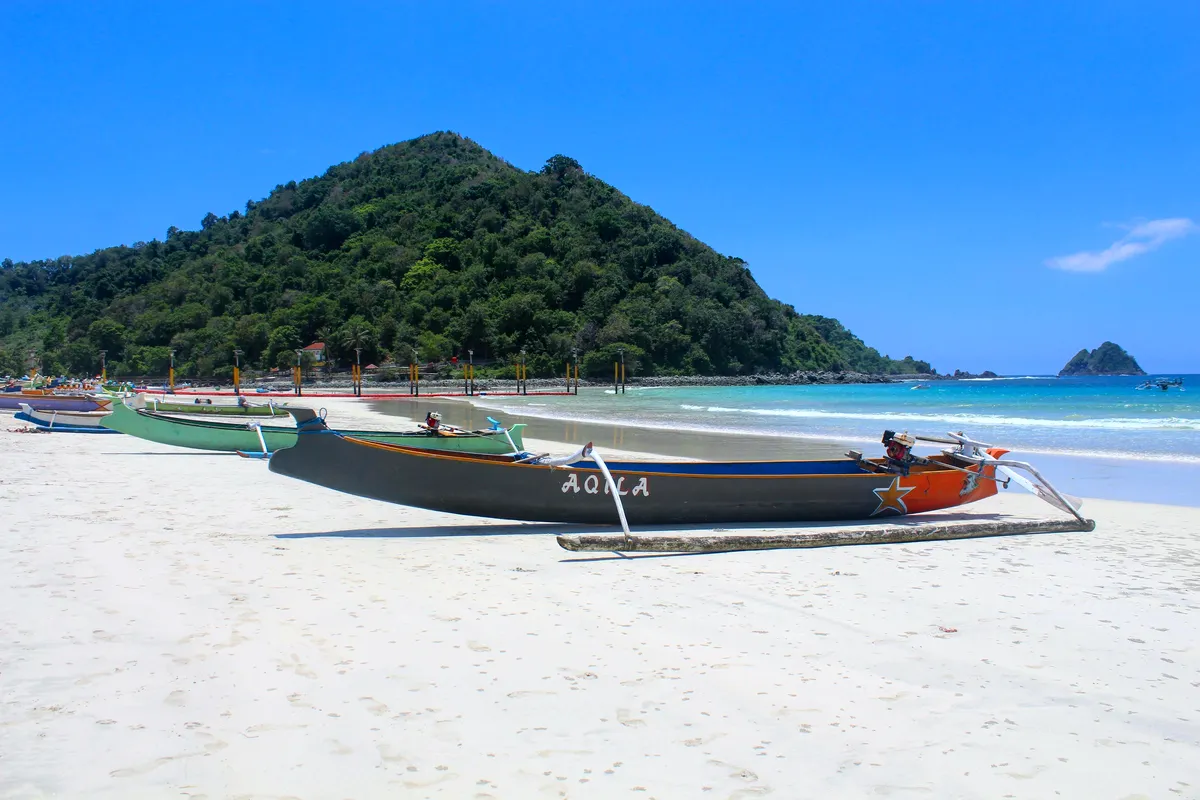
East of Bali, Lombok is home to Desert Point, one of the world's longest and most hollow left-hand barrels, which only works on big swells. The south coast around Kuta Lombok and Gerupuk Bay has a range of reef breaks reachable by boat, suitable for intermediates and beginners. Further east, Sumbawa offers Lakey Peak and other reefs on the south coast, and Scar Reef and Yo-Yo's on the west, often less crowded than Bali.
Known for: Kuta Lombok, Desert Point, Gerupuk, Lakey Peak, Scar Reef
Java
Java's south coast faces the Indian Ocean and has some legendary waves. G-Land, in Alas Purwo National Park at the island's eastern tip, is a long, powerful left-hand reef that has hosted professional contests, accessible from surf camps. In West Java, Batu Karas offers a gentle right-hand point popular with learners and longboarders, while Cimaja has reef breaks for more experienced surfers.
Known for: G-Land, Batu Karas, Cimaja
Mentawai Islands
Off the west coast of Sumatra, the Mentawai Islands are one of the world's most famous surf zones, with dozens of reef breaks spread across a chain of islands. Waves such as Macaronis, Lance's Right (HT's) and Rifles are known for their perfect shape. Access is by fast boat from Padang, followed by a charter boat or land camp. The Mentawai are best for intermediate and advanced surfers, and trips need to be planned well in advance.
Known for: Mentawai Islands, Macaronis, Lance's Right, Rifles
Sumatra and Nias
Nias, off the west coast of Sumatra, is home to Lagundri Bay, a powerful right-hand reef break that became famous in the 1970s. It remains one of Indonesia's best-known waves and is accessible by air via Medan. Further south on Sumatra's mainland, the Krui area offers a variety of reef breaks with a more relaxed, less crowded atmosphere. Simeulue, further north, is a remote island with many uncrowded waves.
Known for: Lagundri Bay, Krui, Simeulue
Sumba and the eastern islands
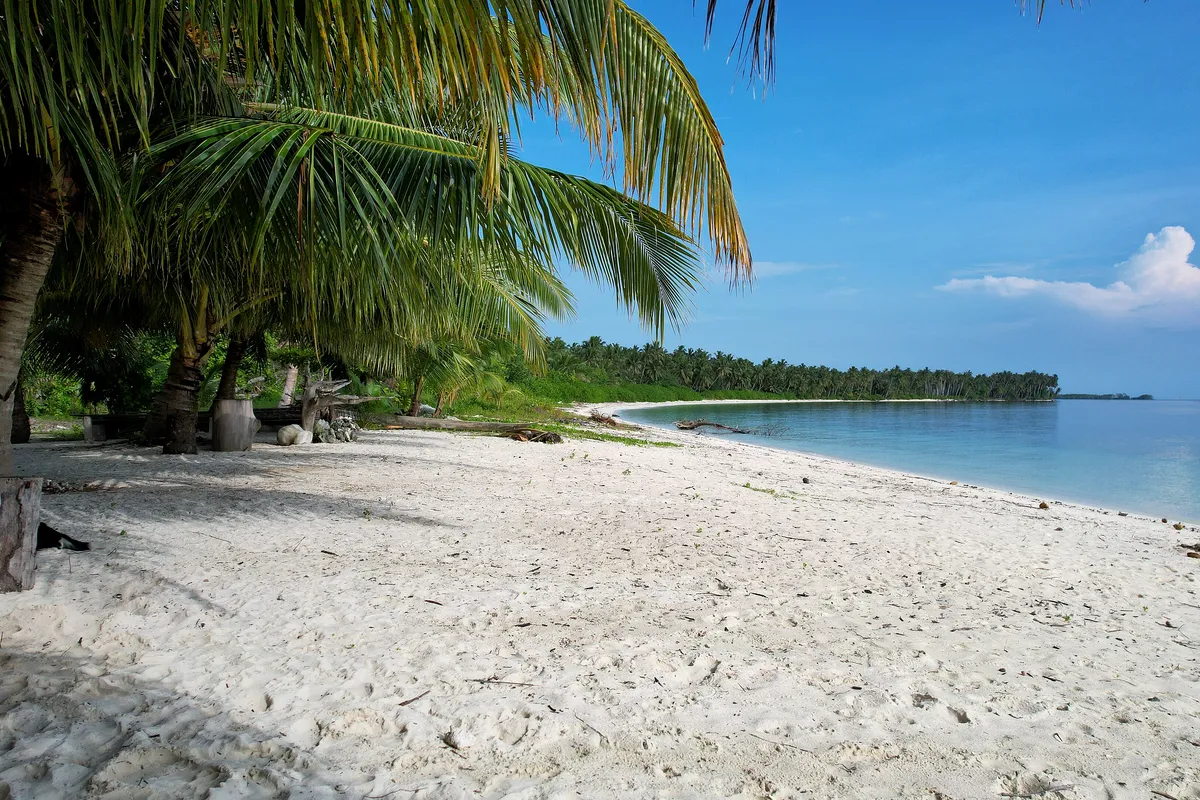
Further east, Sumba and other islands in Nusa Tenggara offer remote waves with few surfers, rugged landscapes and traditional villages. Access is limited and facilities are basic in many places, so these areas suit adventurous, self-sufficient surfers. Some waves are reached via exclusive resorts, while others require local guides and boats.
Known for: Sumba, Rote
Learning to surf in Indonesia
Bali is the best place in Indonesia to learn to surf. Kuta and Legian beaches have long sandy stretches with gentle waves and many surf schools, while Canggu's Batu Bolong is a slow, rolling wave popular with beginners and longboarders. Many schools offer multi-day packages and surf camps with accommodation.
Outside Bali, Lombok's south coast around Kuta and Gerupuk, and Java's Batu Karas, are good learning spots. In other regions, most waves break over shallow reef and are not suitable for beginners.
When choosing a school, ask about instructor qualifications, group size, safety procedures and which beaches are used. Learn about reef safety, tides and rip currents before you progress to reef waves. The warm water makes learning comfortable, but the sun is intense, so protect your skin and stay hydrated.
Surfing in Indonesia: questions
When is the best time to surf in Indonesia?
The dry season, from April to October, brings the most consistent swells and offshore trade winds on many coasts. June to August is the peak; April, May, September and October are often less crowded.
Is Indonesia good for beginners?
Yes, in the right places. Bali's Kuta, Legian and Canggu beaches, Lombok's south coast and Java's Batu Karas offer gentle waves and surf schools. Most famous Indonesian waves break over shallow reef and are for experienced surfers.
Do I need a wetsuit in Indonesia?
No. The water is warm all year. A rash vest or surf top for sun protection is recommended, and reef booties can help on shallow reefs.
Should I do a boat trip or stay at a surf camp in the Mentawai?
Boat trips allow you to reach many waves and follow the swell, but they are expensive and involve days at sea. Land camps offer more stability and comfort, often with boat transfers to nearby waves.
Where can I surf in Bali in the wet season?
From roughly November to March, the east coast reefs around Sanur, Nusa Dua and Keramas are offshore and can be excellent.
How do I get to the Mentawai Islands?
Most surfers fly to Padang in West Sumatra, then take a fast ferry or speedboat to the islands, followed by a charter boat or transfer to a land camp. Trips need to be planned in advance, and many operators arrange the full journey from Padang.
Is Indonesia expensive for a surf trip?
It varies widely. Bali and Lombok offer everything from simple homestays to luxury villas, and day-to-day costs can be modest. Remote boat charters and exclusive surf resorts in the Mentawai or Sumba are much more expensive, so budget depends mainly on where and how you travel.
Sources & editorial notes
Country context checked against the sources below. Regional summaries are Book & Surf editorial planning suggestions, not forecasts or safety assessments.