Why surf in Australia
Australia's coastline faces the Pacific, Southern and Indian Oceans, so it receives swell from almost every direction. The east coast catches swells from the Tasman Sea and the Pacific, including cyclone swells in summer. The southern coast faces the Southern Ocean, with powerful swells throughout the year. Western Australia receives long-period swells from the Indian Ocean and the Southern Ocean.
Surfing is part of Australian culture, with surf clubs, lifesavers and surf schools on many beaches. The country has produced many world champions and hosts professional events at famous breaks such as Snapper Rocks and Bells Beach. For visitors, Australia offers a huge range of waves, good infrastructure, safe beach towns and a relaxed, outdoor lifestyle.
When to go surfing in Australia
Australia has surf all year, but the best time depends on the region. On the east coast, autumn and winter (March to August) often bring consistent south swells and offshore westerly winds, while summer (December to March) can bring cyclone swells to the Gold Coast and northern New South Wales. On the southern coast, including Victoria and South Australia, autumn and winter bring the most powerful swells, while summer is usually smaller.
In Western Australia, Margaret River receives consistent swells all year, with the most powerful conditions in winter. Summer often brings strong afternoon sea breezes, so mornings are best. Water temperatures vary widely, from warm in Queensland to cold in Victoria, Tasmania and southern Western Australia.
Beach safety and surf lifesaving
Australia's beaches can be dangerous, and rip currents are the biggest hazard. Many popular beaches are patrolled by volunteer surf lifesavers and professional lifeguards, who mark the safest area for swimming with red and yellow flags. Surfers usually surf outside the flagged area, but learners should stay close to patrolled zones.
The Beachsafe service run by Surf Life Saving Australia provides information on patrol times, hazards and conditions for thousands of beaches. Sharks are present in Australian waters, and some regions have had serious incidents. Avoid surfing at dawn and dusk in murky water, near river mouths after rain or near schools of baitfish, and follow local warnings and beach closures. In northern Australia, marine stingers and crocodiles are also hazards, though most surf destinations are further south.
Arriving in Australia
Australia's main international airports are Sydney, Melbourne, Brisbane, Perth and the Gold Coast. Domestic flights connect major cities, and regional airports such as Ballina, Coolangatta and Busselton serve surf areas.
Distances are huge, so most visitors focus on one region. A rental car or campervan is the best way to explore the coast and follow the swell. Public transport is good in cities, and some beaches, such as Bondi and Manly in Sydney, are easily reached by bus or ferry.
Road-tripping the Australian coast
Many visitors explore Australia's surf on a road trip, often in a campervan. Popular routes include the east coast from Sydney to the Gold Coast, passing Port Macquarie, Crescent Head, Angourie, Byron Bay and Lennox Head, and the Great Ocean Road west from Torquay in Victoria. In Western Australia, the drive from Perth to Margaret River and beyond is popular.
Campervans and caravan parks are widespread, and many national parks have campsites near the coast. Free camping is restricted in many areas, so check local rules. Distances are large and fuel and food can be expensive in remote areas, so plan ahead.
A road trip lets you follow the swell and wind, visiting different breaks depending on conditions. It also allows you to explore Australia's landscapes and wildlife, from kangaroos and koalas to whales migrating along the coast in winter and spring.
Wetsuits and water temperature
Water temperatures vary widely across Australia. In Queensland and northern New South Wales, the water is warm for much of the year, and boardshorts or a light top may be enough in summer. In Sydney, a 3/2 wetsuit is common in winter. In Victoria, South Australia, Tasmania and southern Western Australia, the water is cold, and a 4/3 or thicker wetsuit is standard in winter.
Surf schools provide wetsuits for lessons. If you are hiring or buying a wetsuit, check local conditions and ask surf shops for advice.
Australian surf history in brief
Surfing arrived in Australia in the early twentieth century, popularised by a famous demonstration by the Hawaiian surfer Duke Kahanamoku at Freshwater Beach in Sydney in 1914–15. Surf lifesaving clubs were founded around the same time and remain central to Australian beach culture. In the 1960s, the shortboard revolution, partly driven by Australian shapers and surfers, changed surfing around the world.
Today, Australia hosts professional contests at Snapper Rocks, Bells Beach and Margaret River, and many of the world's best surfers have come from its beaches. National Surfing Reserves recognise the cultural and environmental significance of breaks such as Lennox Head, Bells Beach and Angourie, helping to protect them for future generations.
Surf culture and etiquette
Australian surf culture is strong and line-ups can be competitive, especially at famous breaks. Respect local surfers, wait your turn and never drop in. At crowded point breaks, such as Snapper Rocks or The Pass, be patient and aware of others. Many beaches have surf clubs that are the heart of the community, offering food, drinks and a chance to meet locals.
Respect the environment by using designated paths, avoiding damage to dunes and taking your rubbish with you. Many coastal areas have national parks and marine reserves with specific rules.
Surf regions of Australia
Gold Coast and Noosa, Queensland
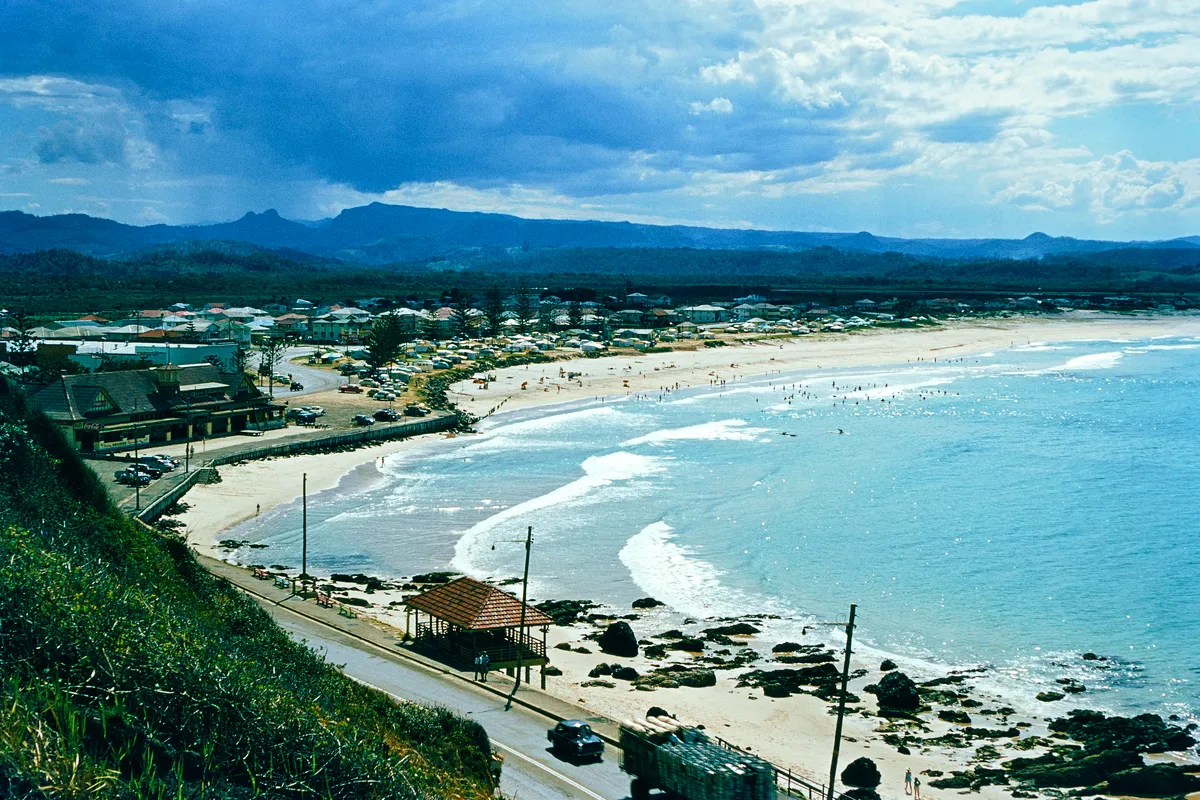
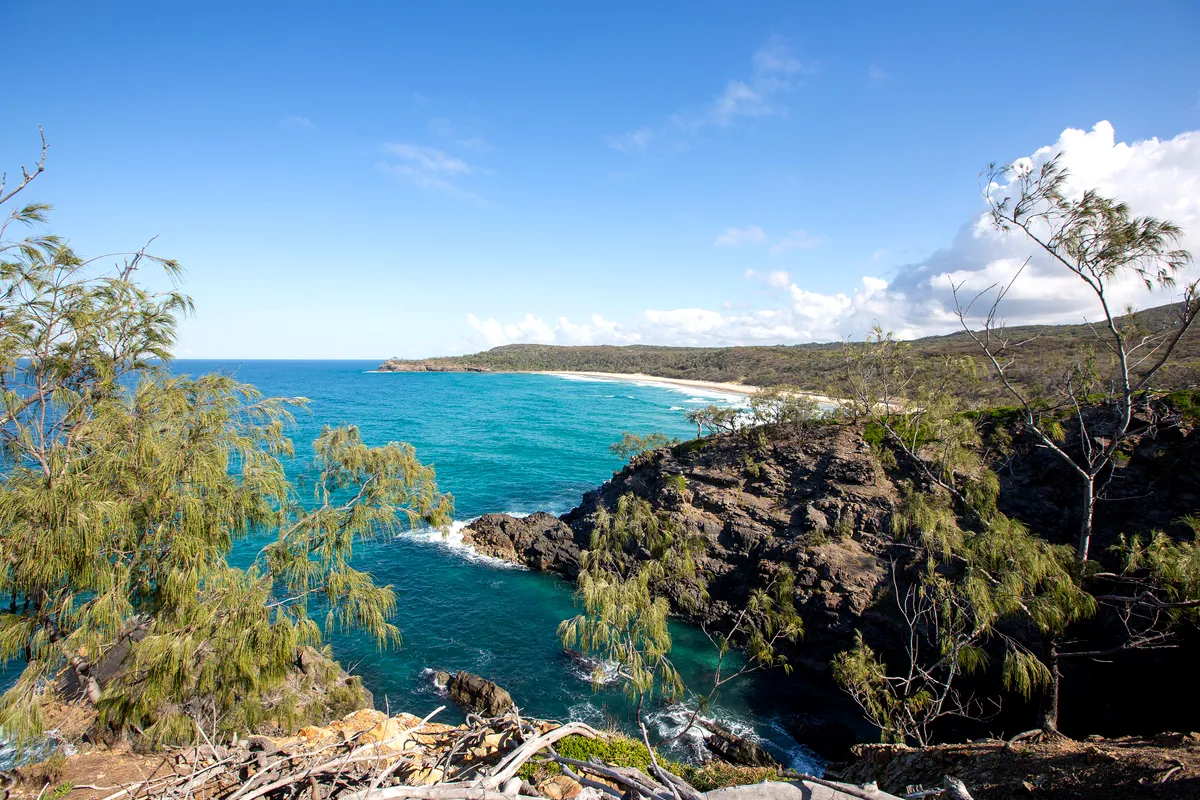
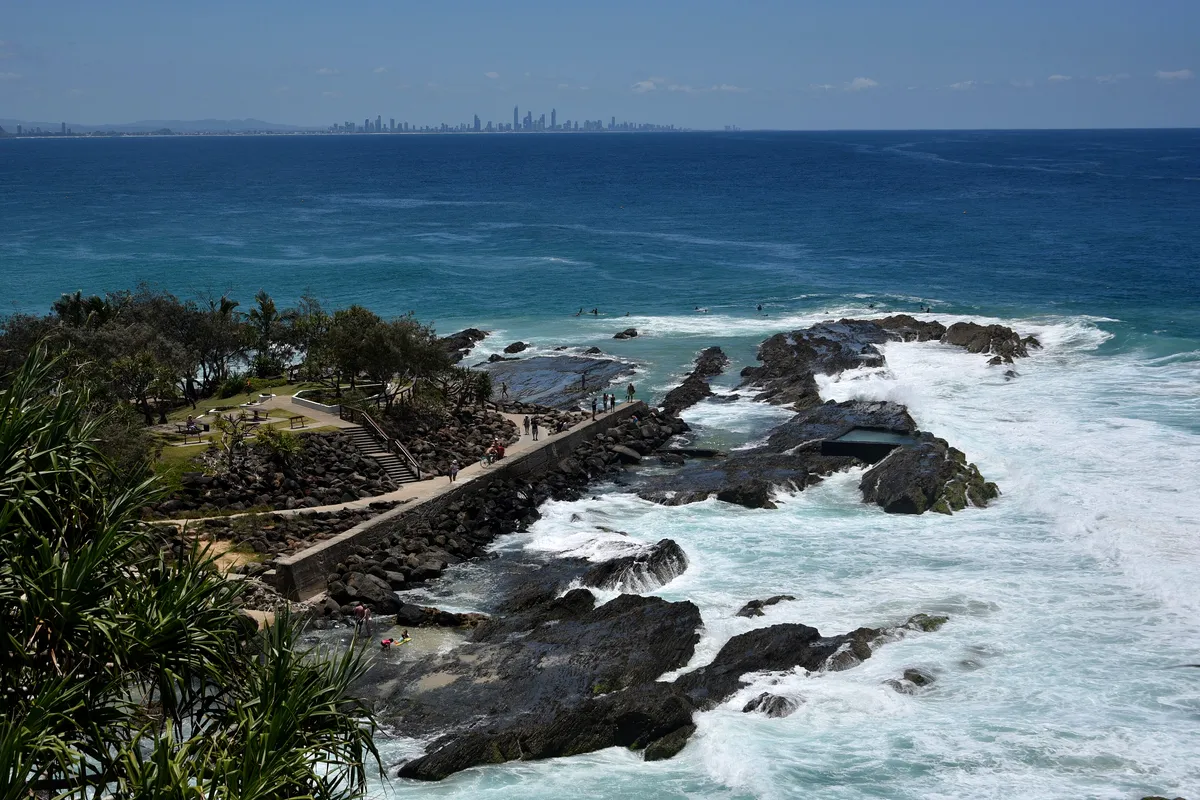
The Gold Coast is famous for its right-hand point breaks, including Snapper Rocks, Greenmount, Kirra and Burleigh Heads. The Superbank, a long sandbar created by a sand-pumping project, can produce very long rides on good swells. The area is crowded and competitive but offers world-class waves. Further north, Noosa on the Sunshine Coast has a series of gentle point breaks in a national park, popular with longboarders and beginners.
Known for: Gold Coast, Snapper Rocks, Kirra, Burleigh Heads, Noosa
Northern New South Wales: Byron Bay and Lennox Head
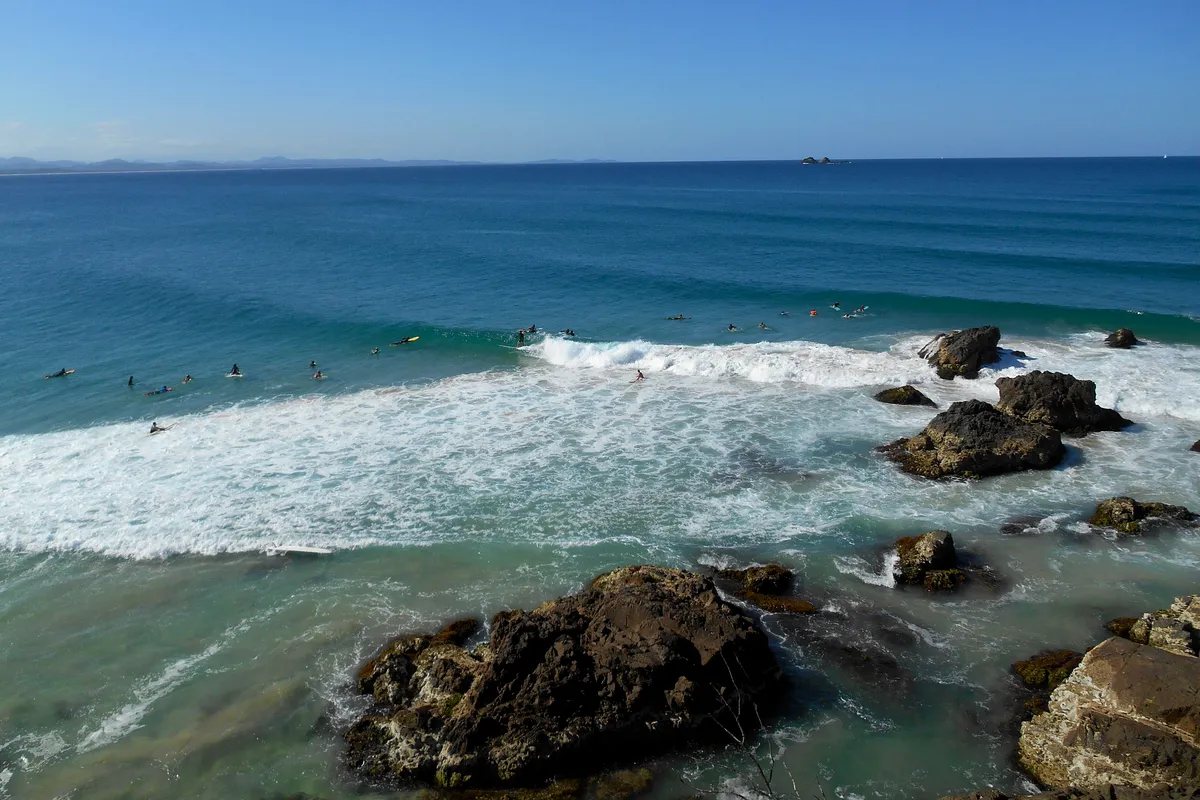
Byron Bay offers gentle point waves at The Pass and Wategos, beginner-friendly beaches in the bay and powerful exposed beaches on the other side of Cape Byron. Lennox Head, a short drive south, is a world-class right-hand point and a National Surfing Reserve. Further south, Angourie and Crescent Head are known for quality point breaks.
Known for: Byron Bay, Lennox Head, Angourie, Crescent Head
Sydney and the New South Wales coast
Sydney has dozens of surf beaches within the city, from Bondi and Manly to the Northern Beaches and Cronulla. Bondi and Manly are popular for lessons, while beaches such as Narrabeen and North Narrabeen offer quality waves for experienced surfers. South of Sydney, the coast towards Wollongong and the South Coast has many uncrowded beaches and reefs.
Known for: Bondi, Manly, North Narrabeen, Cronulla
The New South Wales South Coast
South of Sydney, the coast through Wollongong, Kiama, Ulladulla and towards the Victorian border has many uncrowded beaches, reefs and points, framed by national parks and small coastal towns. Waves range from gentle beach breaks to heavy reefs, and water is cooler than in northern New South Wales. It suits road-trippers who enjoy exploring and finding quieter line-ups.
Known for: Wollongong, Kiama, Ulladulla, Merimbula
Victoria: Bells Beach and the Surf Coast
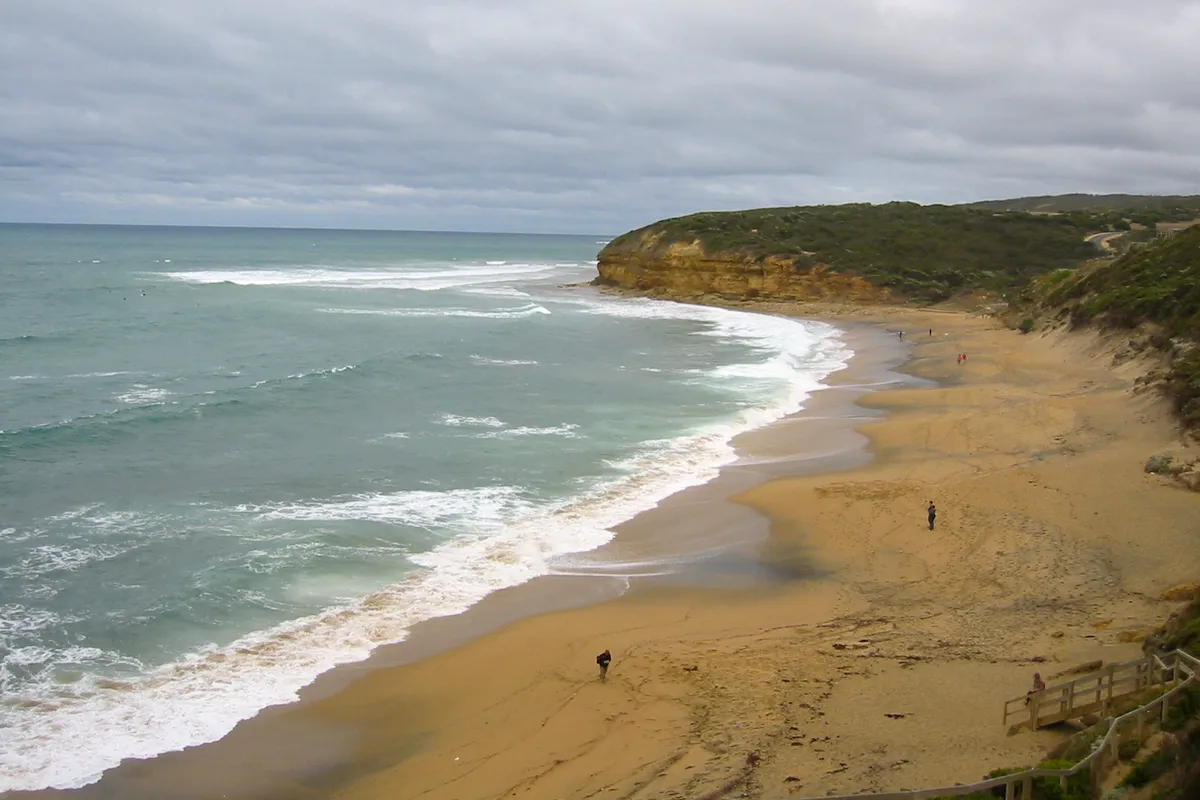
Victoria's Surf Coast, around Torquay, is home to Bells Beach, one of the world's most famous surf breaks and the site of a long-running professional contest. The Great Ocean Road continues west past many beaches and reefs. Phillip Island, south-east of Melbourne, has beach breaks and reefs. Water here is cold, and swells are powerful, particularly in winter.
Known for: Bells Beach, Torquay, Phillip Island
Western Australia: Margaret River and beyond
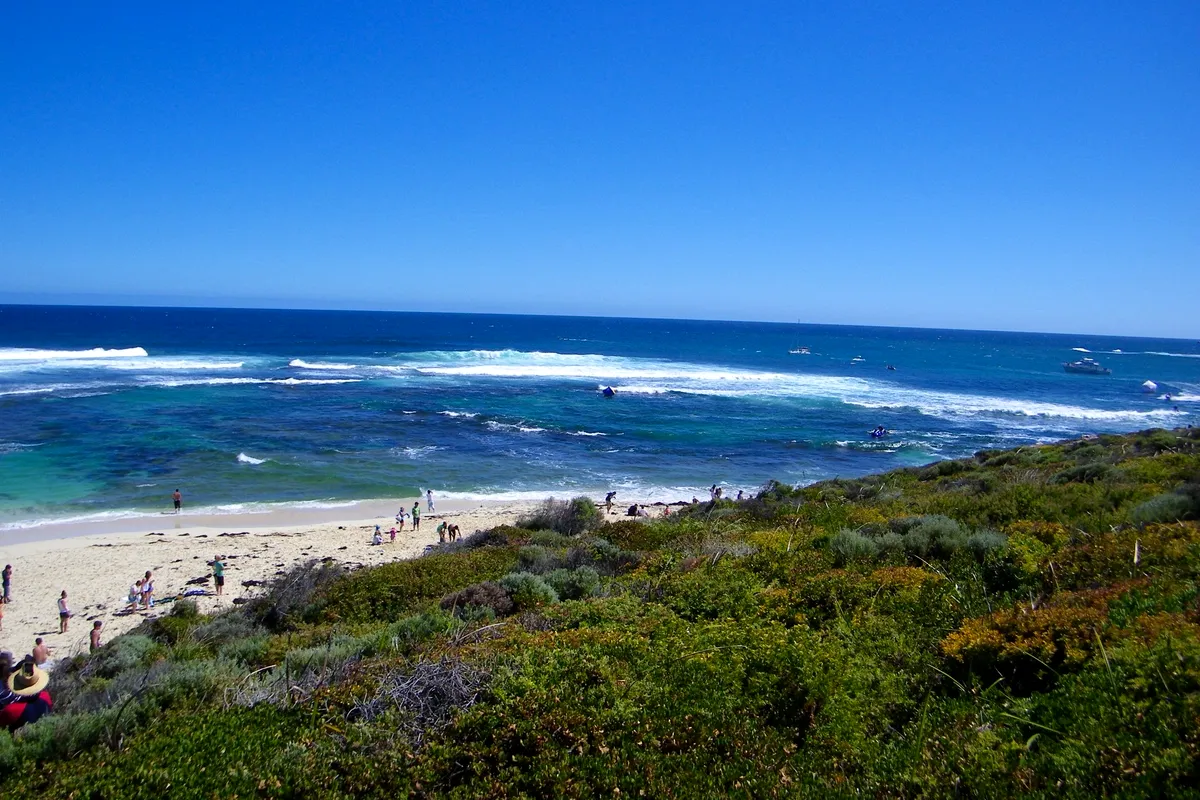
Margaret River, in the south-west of Western Australia, is known for powerful reef breaks, including Main Break, and consistent swells from the Indian and Southern Oceans. The region is also famous for wine and food. Further north, the remote coast around Gnaraloo and Exmouth offers powerful reef breaks in desert landscapes, suited to experienced, self-sufficient surfers.
Known for: Margaret River, Gnaraloo, Exmouth
South Australia and Tasmania
South Australia has quieter surf regions, including the Yorke Peninsula and the remote west coast near Cactus Beach, known for powerful waves. Tasmania has cold water and dramatic coastlines, with Shipstern Bluff, one of the world's heaviest big-wave spots, reserved for experts. Both areas suit adventurous surfers who enjoy remote, uncrowded waves.
Known for: Cactus Beach, Shipstern Bluff
Learning to surf in Australia
Australia has surf schools on many popular beaches, often accredited by Surfing Australia, the national governing body. Popular learning spots include Byron Bay's Main Beach, the Gold Coast's gentler beaches, Noosa, Sydney's Bondi and Manly, and Victoria's Anglesea near Torquay.
Lessons usually take place in patrolled areas and include soft-top boards and wetsuits. Many schools offer multi-day courses and surf camps, including camps that travel along the coast. Ask about instructor accreditation, group size and safety procedures.
Learning about rip currents and beach safety is a key part of surfing in Australia. Good schools teach students how to recognise rips, how to stay safe and how to respect surf etiquette.
Surfing in Australia: questions
When is the best time to surf in Australia?
It depends on the region. On the east coast, autumn and winter often bring consistent south swells and offshore winds, while summer can bring cyclone swells. Victoria and Western Australia have their most powerful swells in winter.
Where is the best place to learn to surf in Australia?
Popular learning spots include Byron Bay, Noosa, the Gold Coast, Sydney's Bondi and Manly, and Anglesea in Victoria. Choose an accredited surf school and learn in patrolled areas.
Do I need a wetsuit in Australia?
In Queensland and northern New South Wales, boardshorts may be enough in summer. In Sydney, a 3/2 wetsuit is common in winter. In Victoria, South Australia, Tasmania and southern Western Australia, a 4/3 or thicker wetsuit is standard in winter.
Are sharks a risk for surfers in Australia?
Sharks are present in Australian waters, and serious incidents occur, although they are rare. Follow local advice, avoid surfing at dawn and dusk in murky water and respect beach closures.
What is the Superbank?
The Superbank is a long sandbar on the southern Gold Coast, created by a sand-pumping project, which can produce very long right-hand waves from Snapper Rocks to Kirra on good swells.
What does swimming between the flags mean?
Lifesavers mark the safest supervised area of a beach with red and yellow flags. Swimmers should stay between them; surfers generally use the areas outside the flags, but learners should stay near patrolled zones.
What is a National Surfing Reserve?
National Surfing Reserves are a recognition programme for iconic Australian surf breaks with special environmental, cultural and historic significance, such as Bells Beach, Lennox Head and Angourie. They celebrate and help protect these places.
Is the Gold Coast or Byron Bay better for a surf trip?
The Gold Coast has more famous point breaks and a big-city atmosphere, while Byron Bay is a smaller, relaxed town with gentle waves in the bay. They are about an hour apart, so many surfers visit both.
Sources & editorial notes
Country context checked against the sources below. Regional summaries are Book & Surf editorial planning suggestions, not forecasts or safety assessments.