The breaks
Recognised, publicly known surf spots around Bells Beach. Suitability depends on the day's swell, wind and tide, so treat the level as a guide, not a guarantee.
| Break | Type | Best for | Notes |
|---|---|---|---|
| Bells Beach | Right-hand reef | Advanced | Powerful, long rights over limestone reef, home of the world's longest-running pro contest. The Bowl handles the biggest swells. |
| Winkipop | Right-hand reef | Advanced | Faster, more hollow right just east of Bells that often works on smaller swells. |
| Torquay Point | Right-hand reef | Intermediate | Reef near the town that works on bigger swells and is more forgiving than Bells. |
| Jan Juc | Beach & reef | Intermediate | Peaks between Torquay and Bells, popular with local surfers. |
| Torquay Surf Beach | Beach break | Beginner–Intermediate | Back beach with peaks suitable for improvers, patrolled in summer. |
| Anglesea | Beach break | Beginner | Gentle main beach about fifteen minutes west, often used by surf schools. |
A wave with a legend
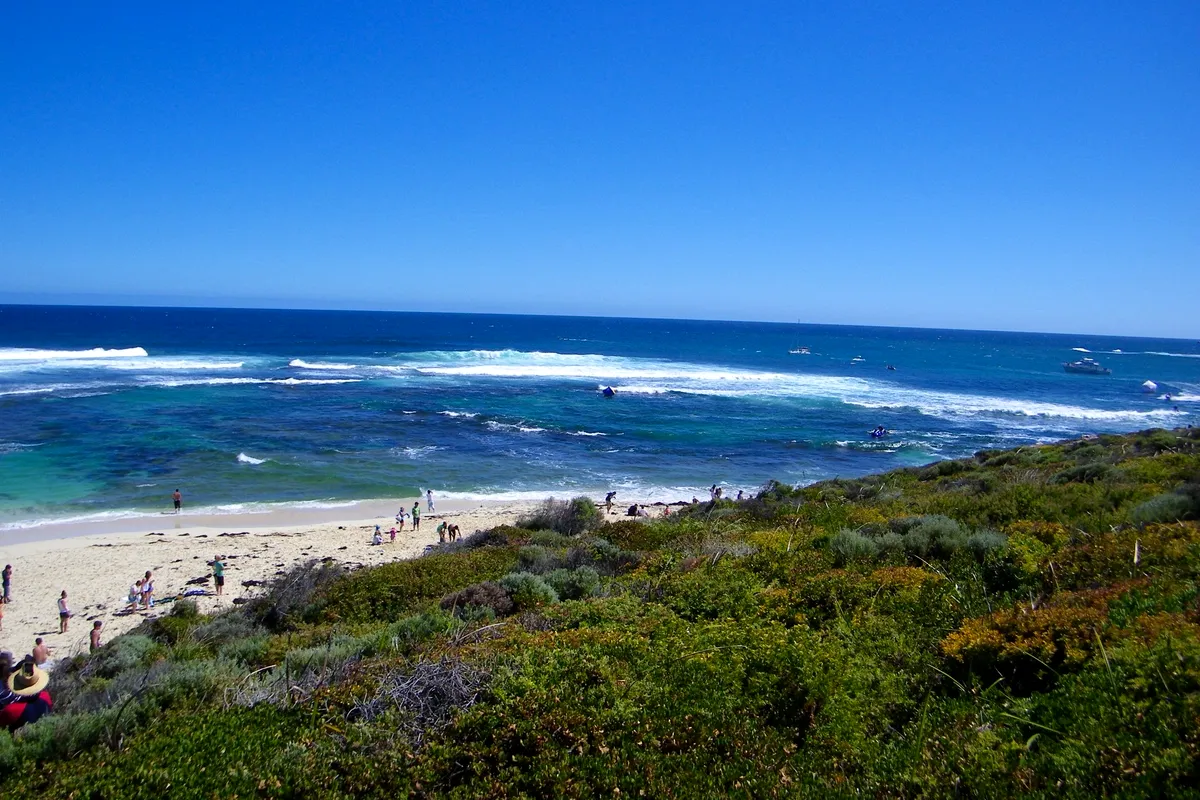
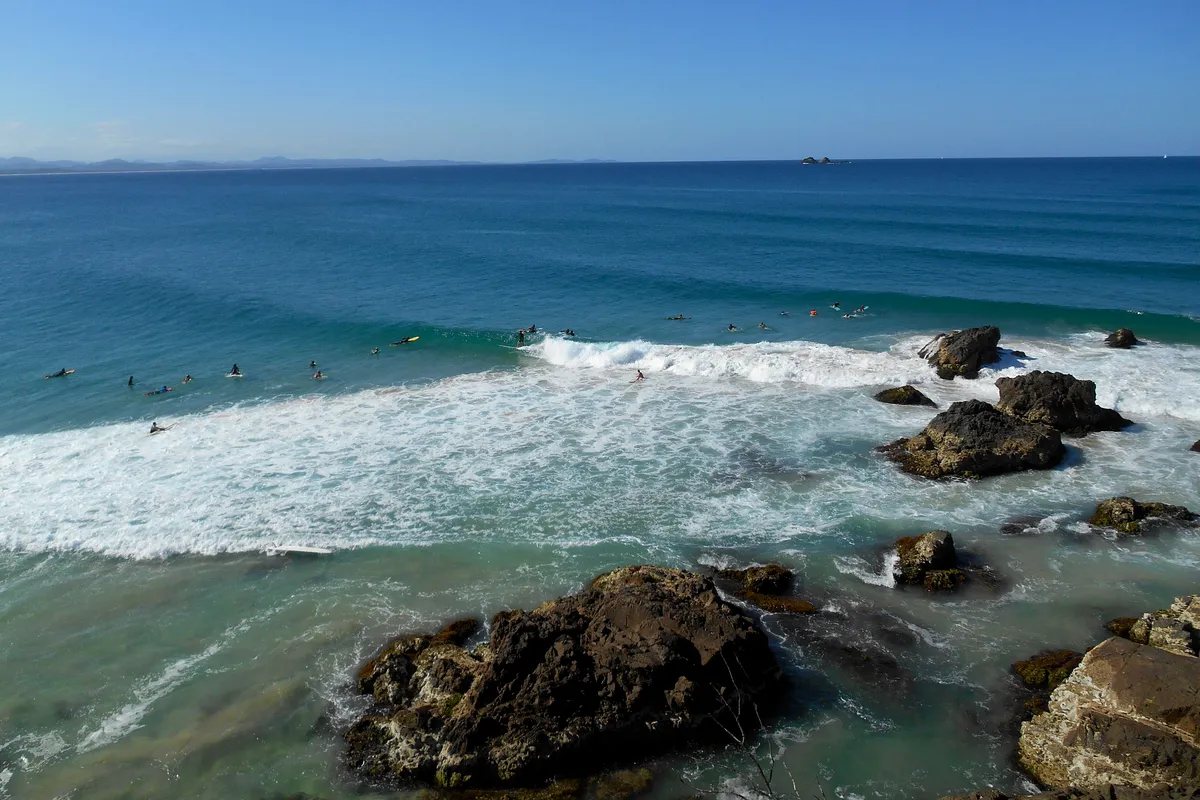
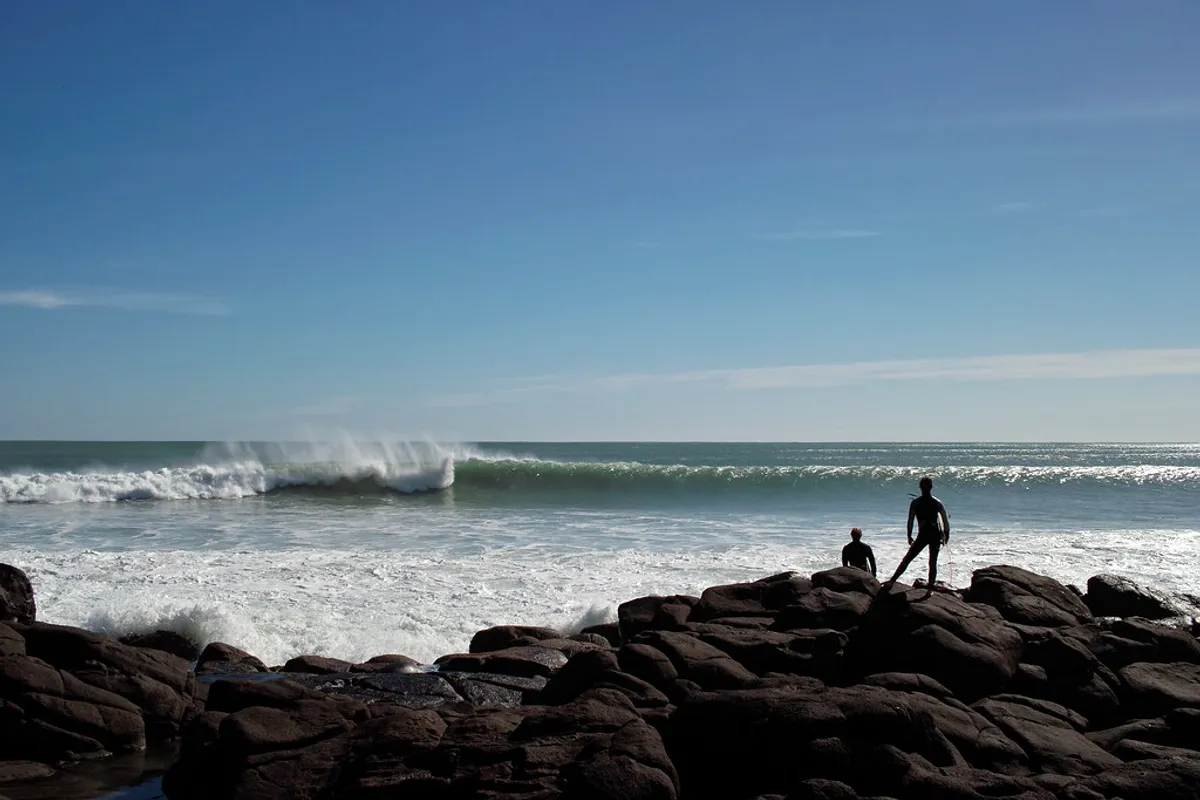
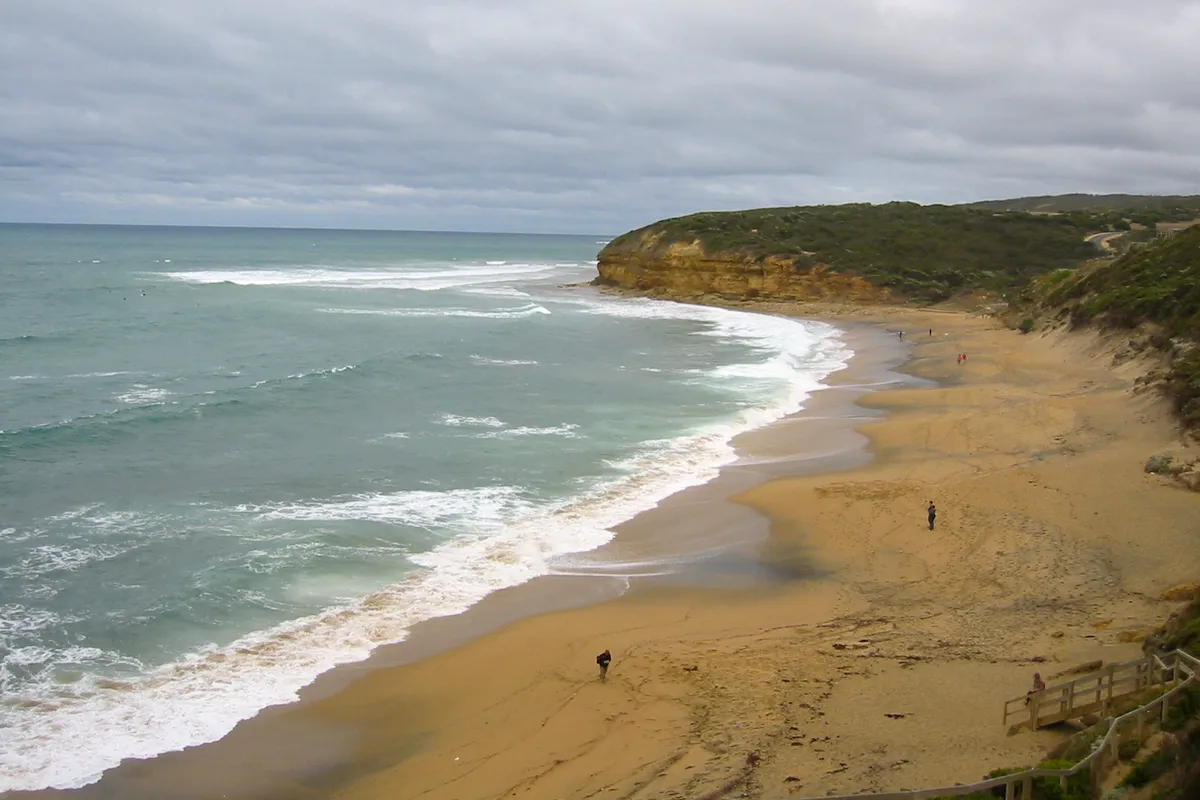
Bells Beach sits in a natural amphitheatre of cliffs on Victoria's south-west coast, about an hour and a half from Melbourne. When Southern Ocean swells arrive from the south-west, they break over a long limestone reef in a series of right-hand sections, producing powerful, long walls that can hold very large waves. On the best days, the swell lines stretch to the horizon, and the view from the clifftop car park is one of the most iconic in surfing.
Surfers began riding Bells in the late 1940s and 1950s, and in 1961 a group of local surfers organised a contest there. It became an annual event held at Easter, and today it is the longest-running professional surfing competition in the world. Winners ring a bronze bell, the event's famous trophy.
Bells and Winkipop
Bells itself is made up of several sections, including the outside reef, known as the Bowl, which handles the biggest swells, and Rincon, a more forgiving inside section on smaller days. It is a wave for experienced surfers, with powerful waves, rocky shelves and strong currents, and the line-up is competitive when it is good.
Winkipop, just around the point to the east, is a faster, more hollow right that often works on smaller swells than Bells and can produce long, rippable rides. It is also for experienced surfers. Together, Bells and Winkipop are protected within the Bells Beach Surfing Recreation Reserve, recognised as an important surf site since the 1970s.
Torquay's beaches and points
Torquay, a few minutes' drive east of Bells, has several surf spots. Torquay Point, near the town, is a right-hand reef that works on bigger swells and is more forgiving than Bells. The Torquay Surf Beach, often called Back Beach, has beach-break peaks that suit improvers, and the sheltered front beach, Fishermans Beach, is often small and calm, good for complete beginners.
Jan Juc, between Torquay and Bells, is a beach and reef break with peaks for a range of levels, popular with local surfers.
Anglesea and the Great Ocean Road
West of Bells, the Great Ocean Road begins its spectacular journey along the coast. Anglesea, about fifteen minutes away, has a long beach with gentle waves at its main beach, often used by surf schools, and is a good place to learn. Further west, Lorne, Apollo Bay and the coast beyond have more beaches and reefs, with many uncrowded waves for those who explore.
The Great Ocean Road was built after the First World War by returned soldiers, and it is dedicated as a memorial to those who died. It passes rainforest, waterfalls and dramatic cliffs, ending near the famous Twelve Apostles rock stacks.
Autumn and winter swells
The Surf Coast receives swell all year, but the best season for Bells and Winkipop is autumn and winter, from roughly March to September, when powerful Southern Ocean groundswells arrive and northerly winds blow offshore. The Easter contest takes place in this window, usually in late March or April.
Summer brings smaller swells and stronger onshore winds, though beaches like Anglesea and Torquay can be good for beginners. Winter can be cold, wet and stormy, with some of the biggest swells of the year.
Cold water and wetsuits
The water off Victoria's Surf Coast is cool to cold, ranging from around 12–13°C in winter to about 18°C in late summer. A 4/3 wetsuit with boots is common in winter, and a 3/2 in summer. Some surfers add gloves and a hood on the coldest days. Torquay's surf shops rent and sell wetsuits for every season.
Torquay, birthplace of surf brands
Torquay is closely linked to the global surf industry. Two of the world's best-known surf brands, Rip Curl and Quiksilver, were founded in Torquay in the late 1960s and early 1970s, starting as small local businesses making wetsuits and boardshorts. The town still has a large surf retail precinct, known as Surf City Plaza, with outlets and shops.
The Australian National Surfing Museum, in Torquay, tells the story of Australian surfing, with historic boards, photographs and exhibits on the Bells Beach contest and the surfers who shaped the sport.
Getting there from Melbourne
Melbourne Airport is about an hour and a half from Torquay by road, and Avalon Airport, closer to Geelong, is about forty minutes. Buses run from Melbourne and Geelong to Torquay, but a car is the most practical way to reach Bells and explore the coast.
Bells Beach has a clifftop car park with viewing platforms and steps down to the beach. It fills quickly on good-wave days and during the Easter contest.
Where to stay in Bells Beach
Torquay is the main base for surfers, with holiday homes, apartments, motels, caravan parks and a few hotels, along with cafés, restaurants and surf shops. Jan Juc, between Torquay and Bells, is a quieter residential area. Anglesea and Lorne, further along the Great Ocean Road, offer more relaxed seaside stays.
Book well ahead for the Easter contest, school holidays and summer weekends, when Torquay is very busy.
Safety on the Surf Coast
Bells and Winkipop break over rocky reefs with strong currents, and conditions can be dangerous on big days. Many beaches along the Surf Coast are patrolled by lifesavers in summer, marked with red and yellow flags, but reef breaks generally are not. Rip currents are common on the beaches.
Check the Beachsafe service and Bureau of Meteorology forecasts, surf within your ability and avoid surfing alone. Cold water reduces stamina, so keep winter sessions manageable.
Respecting the line-up
Bells is one of the most respected waves in Australian surfing, with a strong local crew that has surfed it for decades. Visitors who sit wide, wait their turn and avoid dropping in are generally accepted, while those who hassle for waves are not. On busy days, consider surfing Torquay Point, Jan Juc or Anglesea, where the line-ups are more relaxed. The area around Bells is also recognised for its significance to the Wadawurrung people, the Traditional Owners of the land.
Rest days on the Great Ocean Road
On a flat day, drive the Great Ocean Road to the Twelve Apostles and Loch Ard Gorge, walk the Surf Coast Walk along the clifftops between Torquay and Aireys Inlet or visit the Split Point Lighthouse. The forests of the Great Otway National Park have waterfalls, koalas and walking trails. Geelong and Melbourne, with their food and arts scenes, are within easy reach.
Bells Beach surf season month by month
A broad planning picture, not a forecast. Swell, wind and water temperature vary from year to year.
| January | Summer holidays: smaller swells, busy beaches and onshore afternoons. Good for learning at Anglesea. |
|---|---|
| February | Late summer with the warmest water of the year (around 18°C) and occasional swells. |
| March | Autumn swells arrive and offshore northerlies become more common. Prime season begins. |
| April | Often the Easter contest month. Consistent swells and Bells at its best. |
| May | Powerful autumn swells and cooling water. A great month for experienced surfers. |
| June | Winter swells and cold water (around 13°C). A 4/3 with boots. |
| July | Big winter swells, cold fronts and short days. Bells can be huge. |
| August | Still powerful and cold, with good days between fronts. |
| September | Late winter swells as spring approaches. |
| October | Spring winds and less consistent swells. |
| November | Warming weather and smaller swells. Good for beginners. |
| December | Summer holidays begin, with crowded beaches and small surf. |
Learning to surf near Bells Beach
Bells and Winkipop are for experienced surfers, but the Surf Coast is a great place to learn. Surf schools teach at Anglesea's main beach, Torquay's beaches and other gentle spots, often within patrolled areas. Lessons include wetsuits and soft-top boards, which is important in the cool water.
Summer usually brings the gentlest conditions, though schools run year-round. Ask about group sizes, instructor accreditation and which beaches are used. Watching the pros at Bells during Easter is an inspiring addition to any learn-to-surf trip.
Comparing options across the country? Read our guide to surfing in Australia.
Seasonal notes on this page describe typical patterns, not the conditions on a given day. Use the local forecast, lifeguard advice and a qualified instructor for water-safety decisions, and get a written breakdown of what any surf package includes before paying.
Bells Beach surf trip questions
When is the best time to surf Bells Beach?
Autumn and winter, from about March to September, bring powerful Southern Ocean swells and offshore northerly winds.
Is Bells Beach good for beginners?
No. Bells and Winkipop are for experienced surfers. Beginners can learn at Anglesea and Torquay's beaches.
What is the Bells Beach contest?
A professional surf competition held at Bells around Easter since 1961, the longest-running pro surfing event in the world. Winners ring a bronze bell.
How far is Bells Beach from Melbourne?
About an hour and a half by car. Avalon Airport is around forty minutes away.
What wetsuit do I need at Bells Beach?
A 4/3 with boots in winter and a 3/2 in summer. The water ranges from about 12°C to 18°C.
What else is there to do near Torquay?
Visit the Australian National Surfing Museum, drive the Great Ocean Road, walk the Surf Coast Walk or explore the Great Otway National Park.
Sources & editorial notes
Destination context checked against the sources below. Base-selection and itinerary suggestions are Book & Surf editorial recommendations. Seasonal windows are broad planning suggestions, not measured forecasts or guarantees.
- Wikipedia: Bells Beach, Victoria ↗
- Wikipedia: Torquay, Victoria ↗
- Wikipedia: Great Ocean Road ↗
- Bureau of Meteorology: marine and ocean ↗
We do not claim to have personally surfed every break. Read our editorial standards.