Why surf in New Zealand
New Zealand sits in the South Pacific, exposed to swells from the Tasman Sea to the west, the Southern Ocean to the south and the Pacific to the east and north. Because the islands are long and narrow, the west and east coasts are rarely far apart, and each faces different swells and winds. When one coast is onshore or flat, another is often working.
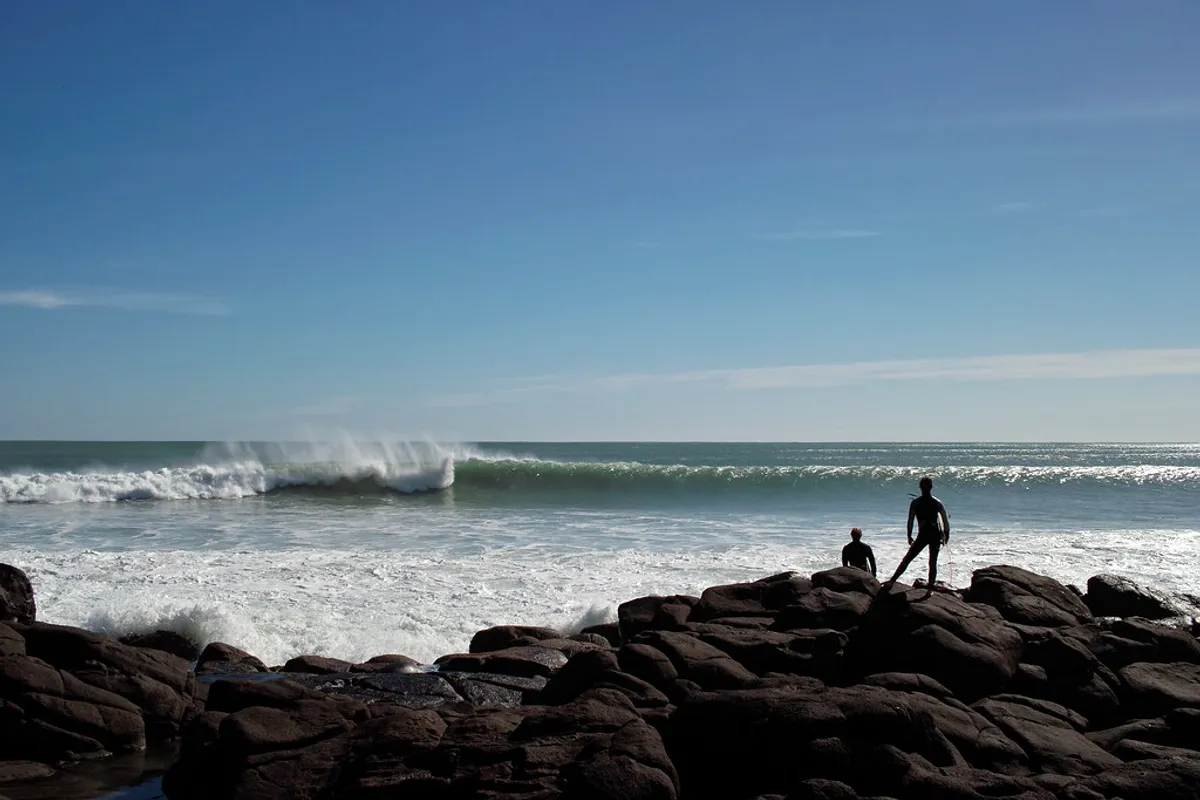
The surf ranges from world-famous left-hand points at Raglan to the reef breaks of Taranaki, the beach breaks of Auckland's west coast and the quieter waves of the South Island. Crowds are generally lighter than in Australia or California, especially away from the main towns. The scenery is spectacular, and surf trips often double as road trips through national parks, mountains and small coastal towns.
When to go surfing in New Zealand
New Zealand has surf all year, but autumn, from March to May, is often considered the best season. Swells are consistent, winds are often lighter and the water is still relatively mild after summer. Winter, from June to August, brings the most powerful swells and the coldest water, ideal for experienced surfers with good wetsuits.
Spring, from September to November, can be windy and changeable, while summer, from December to February, brings warmer weather, smaller swells on the west coast and the chance of cyclone swells on the north and east coasts. Summer is also the busiest time, with school holidays and campgrounds full.
How cold is the water in New Zealand?
New Zealand's water is cool to cold all year. In the north of the North Island, water temperatures are milder, while the South Island is significantly colder. Most surfers wear a 3/2 wetsuit in summer in the North Island and a 4/3 in winter. In the South Island, a 4/3 or 5/4 with boots, gloves and a hood is common in winter.
Surf schools provide wetsuits for lessons, and rental shops in surf towns offer wetsuits and boards. If you are road-tripping, bring warm layers and a changing robe for cold mornings.
Flights, roads and ferries in New Zealand
Auckland is the main international gateway, with Christchurch, Wellington and Queenstown also receiving international flights. Domestic flights connect the main cities and regional centres.
A rental car or campervan is the best way to explore New Zealand's surf, as many breaks are on rural roads with limited public transport. Campervan travel is very popular, with campgrounds and holiday parks throughout the country. Freedom camping is allowed only in designated areas, and certified self-contained vehicles are often required, so check local rules. Roads are often narrow and winding, so allow plenty of time.
Ocean safety
New Zealand's beaches can be powerful, especially on the west coast, where rip currents are common. Surf Life Saving New Zealand patrols many popular beaches in summer and marks the safest area with red and yellow flags. Outside patrol hours and seasons, beaches are unpatrolled.
Point breaks such as Raglan's have rocky entries and exits and strong currents. Remote beaches may have no phone coverage, so tell someone where you are going. Check the MetService marine forecast for swell, wind and weather warnings, and surf within your ability.
Māori culture and respect for place
Māori culture is central to New Zealand's identity, and many surf breaks and coastal areas have cultural significance. Place names in te reo Māori are widely used, such as Whāingaroa for Raglan Harbour. Respect sacred sites, follow local signage and learn about the history of the places you visit.
In the water, respect local surfers, wait your turn and avoid dropping in. Many surf communities are small, and a friendly attitude goes a long way. Leave no trace, especially when camping, and support local businesses.
Combining surf with New Zealand's highlights
New Zealand is famous for adventure and landscapes, and many surf trips include other experiences. From Raglan, the Waitomo glowworm caves are about an hour's drive. Taranaki offers hiking on the slopes of Mount Taranaki. Rotorua, with its geothermal parks and Māori cultural experiences, sits between the west and east coasts. On the South Island, Kaikōura combines surf with whale watching, while Queenstown, Fiordland and the Southern Alps offer world-class hiking, skiing in winter and adventure sports.
Because distances and weather can be challenging, it is best to choose a few regions rather than trying to see everything. Build in flexibility so that you can chase swell when it arrives and explore inland when the surf is flat.
Planning a New Zealand surf road trip
A classic North Island surf road trip might start in Auckland, head to the west coast beaches of Piha and Muriwai, continue south to Raglan, loop around Taranaki on the Surf Highway, then cross to the east coast at Gisborne before returning north via the Coromandel Peninsula. This route allows you to follow the swell and visit several different coastlines in two to three weeks.
On the South Island, surfers often combine waves at Kaikōura and around Dunedin with visits to the mountains, lakes and fjords. Distances are significant, and weather can change quickly, so build flexibility into your itinerary.
Surf regions of New Zealand
Raglan and the Waikato coast
Raglan is New Zealand's best-known surf town, with long left-hand point breaks at Manu Bay, Whale Bay and Indicators, made famous by the film The Endless Summer. Ngarunui Beach nearby is a black-sand beach used for lessons and patrolled in summer. The town is relaxed, creative and a two-hour drive south of Auckland.
Known for: Raglan, Manu Bay, Whale Bay, Indicators, Ngarunui Beach
Auckland's west coast
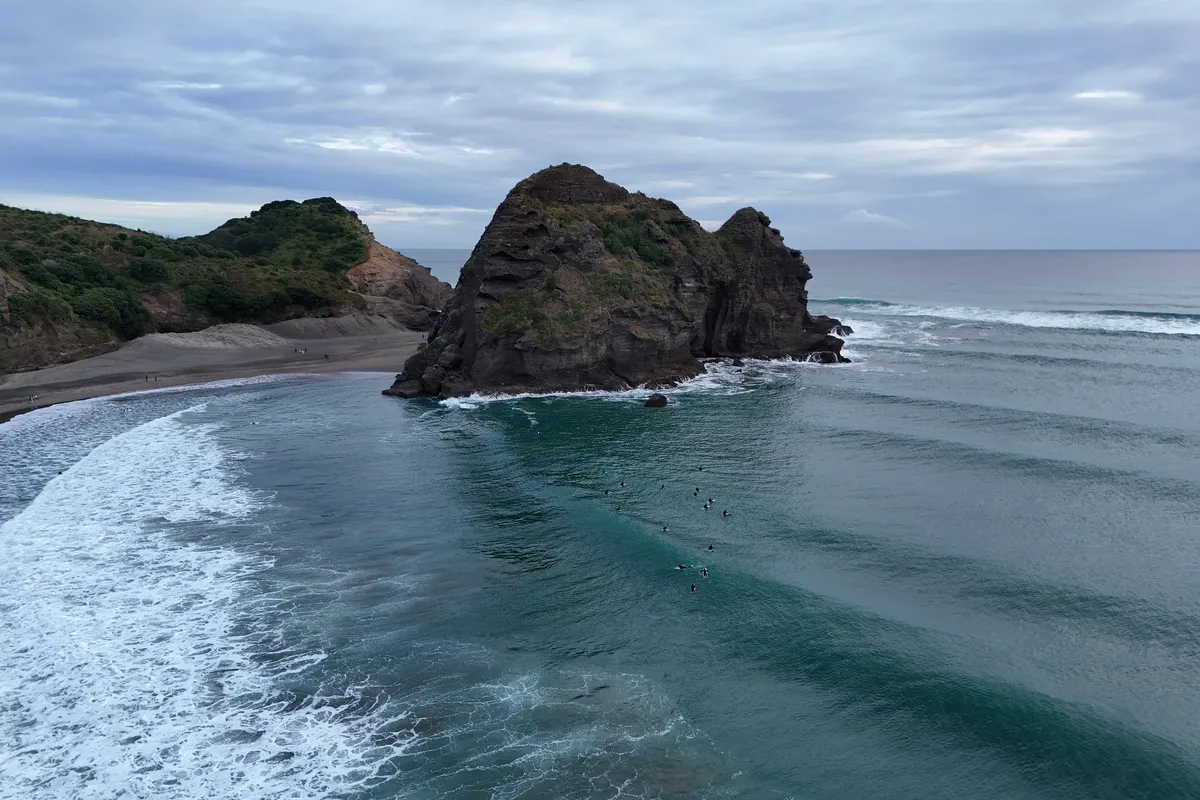
Within an hour of Auckland, the west coast beaches of Piha, Muriwai, Karekare and Bethells Beach offer powerful black-sand beach breaks in a rugged setting backed by forest-covered hills. Piha is the most famous, with a dramatic rock formation in the middle of the beach and strong rips. These beaches are best for confident surfers, and learners should surf with lifeguards on duty.
Known for: Piha, Muriwai, Karekare, Bethells Beach
Taranaki and the Surf Highway
Taranaki, on the west coast of the North Island, is dominated by Mount Taranaki, a dormant volcano. State Highway 45, known as the Surf Highway, circles the coast around the mountain, passing dozens of reef and point breaks facing different directions. This means you can usually find a spot with suitable wind and swell. The region is quieter than Raglan and popular with road-tripping surfers.
Known for: Stent Road, Fitzroy Beach, Opunake, Oakura
Gisborne and the East Coast
Gisborne, on the east coast of the North Island, is one of the first cities in the world to see the sunrise each day. It has a range of beach and reef breaks, including Wainui Beach and Makorori, and it picks up swells from the Pacific, including cyclone swells in summer. The region has a strong local surf culture and a relaxed atmosphere.
Known for: Wainui Beach, Makorori, Mahia Peninsula
Wellington and the Wairarapa
Around the capital, Wellington, Lyall Bay is a city surf beach close to the airport, working on southerly swells and popular with local surfers. East of the city, the Wairarapa coast has remote beaches and reefs, including Castlepoint with its lighthouse and reef-sheltered lagoon. These areas offer options when the west coast is blown out, and Wellington is a convenient stop on a North Island road trip or before crossing to the South Island by ferry.
Known for: Lyall Bay, Castlepoint
Coromandel Peninsula and Bay of Plenty
The Coromandel Peninsula, east of Auckland, has beaches and river-mouth bars, such as Whangamatā's bar, which can produce excellent waves on the right swell. The Bay of Plenty, around Mount Maunganui, has beach breaks popular with locals and visitors, especially in summer. These areas work best on north-east and east swells, often from tropical systems.
Known for: Whangamatā, Mount Maunganui
The South Island
The South Island's surf is colder and less crowded. Kaikōura, on the east coast, has reef and point breaks set beneath snow-capped mountains and is famous for whale watching. Dunedin, further south, has beaches such as St Clair and Aramoana. The West Coast offers remote beaches and river mouths for adventurous surfers. Water is cold, and conditions can be challenging.
Known for: Kaikōura, St Clair, Aramoana
Learning to surf in New Zealand
New Zealand has surf schools in most major surf towns, including Raglan, Piha, Mount Maunganui, Gisborne and Dunedin. Raglan's Ngarunui Beach is one of the most popular places to learn, with several schools and lifeguard patrols in summer.
Lessons usually include wetsuits and soft-top boards. Summer is the most popular time to learn, with warmer water and smaller swells, although schools operate year-round. Ask about instructor qualifications, group size and how the school chooses conditions.
Learning about ocean safety, especially rip currents, is essential on New Zealand's beaches. Good schools teach students how to recognise rips and stay safe.
Surfing in New Zealand: questions
When is the best time to surf in New Zealand?
Autumn, from March to May, is often best, with consistent swells, lighter winds and mild water. Winter brings bigger waves and colder water, while summer is warmer and busier.
Is New Zealand good for beginners?
Yes. Raglan's Ngarunui Beach, Mount Maunganui and other beaches have surf schools and lifeguard patrols in summer. Many famous point breaks are for experienced surfers.
What wetsuit do I need in New Zealand?
In the North Island, a 3/2 wetsuit in summer and a 4/3 in winter is typical. In the South Island, a 4/3 or 5/4 with boots, gloves and hood is common in winter.
What is the Surf Highway?
State Highway 45 circles the coast around Mount Taranaki, passing dozens of surf breaks facing different directions. It is popular with road-tripping surfers.
Can I surf in the South Island?
Yes. Kaikōura, Dunedin and the West Coast have surf, although the water is colder and conditions can be challenging. Crowds are generally light.
Do I need a campervan for a New Zealand surf trip?
Not necessarily, but a campervan or rental car makes it much easier to reach breaks on rural roads. Check freedom camping rules, which restrict where you can stay overnight.
Where can I surf near Auckland?
Auckland's west coast beaches, such as Piha, Muriwai and Bethells Beach, are within an hour of the city and have powerful black-sand beach breaks. On the east side, beaches can work on north-east swells. Raglan is about two hours south.
Is the surf crowded in New Zealand?
Popular spots such as Manu Bay in Raglan, Piha and Mount Maunganui can be busy, especially on summer weekends. Much of the coastline is uncrowded, particularly in Taranaki, the East Cape and the South Island.
Do I need a visa to surf in New Zealand?
Requirements depend on your nationality. Many visitors need an electronic travel authority before arriving. Check the official New Zealand immigration website well before you travel, as rules can change.
Is Raglan the best place to surf in New Zealand?
Raglan is the best known, with long left-hand points and a good learning beach. Taranaki, Gisborne and the Coromandel offer different waves and fewer crowds, so many surfers combine several regions on a road trip.
Sources & editorial notes
Country context checked against the sources below. Regional summaries are Book & Surf editorial planning suggestions, not forecasts or safety assessments.