Why surf in French Polynesia
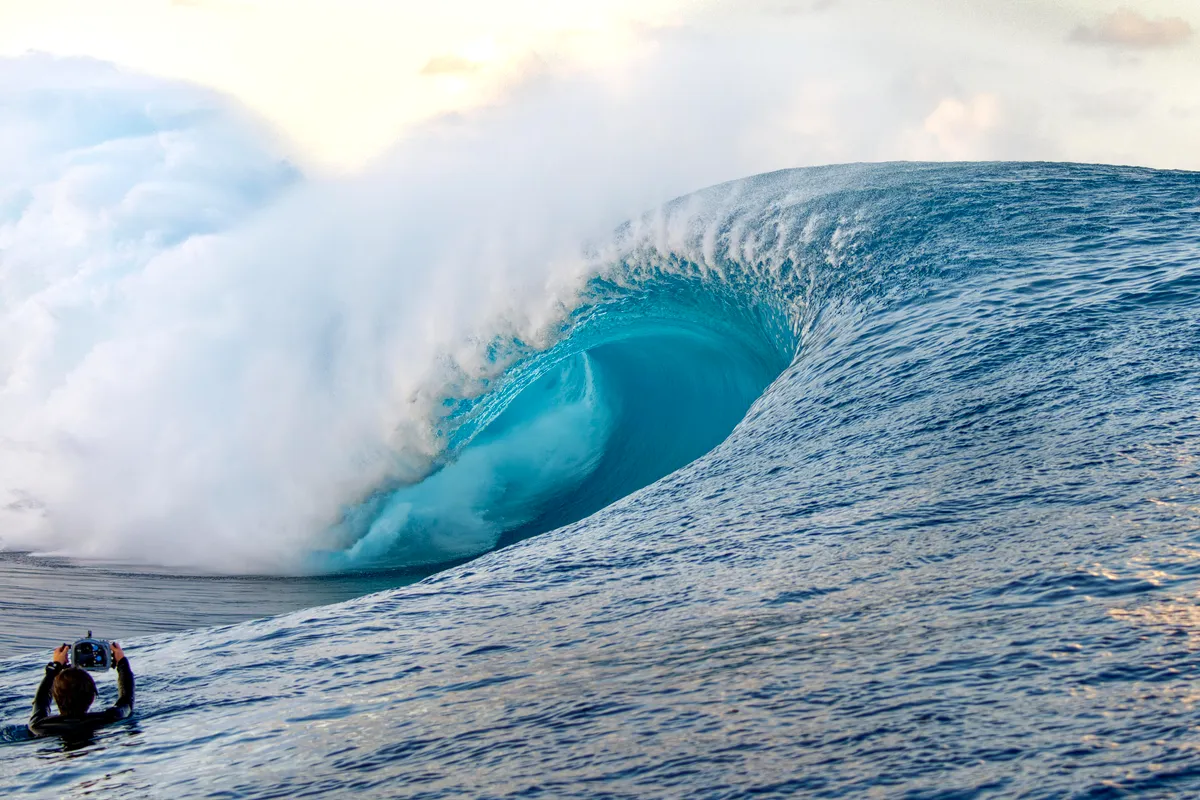
French Polynesia lies in the middle of the South Pacific, exposed to swells from the Southern Ocean in the southern winter and from the North Pacific in the northern winter. Its volcanic islands, such as Tahiti and Moorea, are surrounded by fringing coral reefs, with passes where swells break as powerful, often hollow waves. The atolls of the Tuamotus have passes that create waves in remote, beautiful settings.
Wave-riding has a long history in Polynesia, where it was part of traditional culture long before European contact. Today, French Polynesia is famous for Teahupo'o, a wave of extraordinary power off the southern tip of Tahiti, and has a strong local surf community that has produced world-class surfers. It is an expensive, remote destination, but the combination of perfect reef waves, warm water and spectacular landscapes is unique.
A brief history of Polynesian surfing
Wave-riding was woven into Polynesian life for centuries before European contact. In Tahiti, surfing on boards and in canoes was enjoyed by people of all ranks, and early European explorers in the eighteenth century described Tahitians riding waves with obvious delight. Over the following century, missionary influence and colonial change suppressed many traditional practices, including surfing, which declined in many islands.
In the twentieth century, surfing revived across Polynesia, influenced partly by the modern surf culture spreading from Hawaii and California. Tahiti developed its own community of surfers and watermen, and from the 1990s, Teahupo'o began to attract international attention as photographers and professional surfers documented its extraordinary power. Today, Tahitian surfers are among the best in heavy waves, and surfing is a source of pride and identity.
Teahupo'o and the 2024 Olympics
When Paris was chosen to host the 2024 Olympic Games, the surfing competition was held more than 15,000 kilometres away at Teahupo'o, making it one of the furthest Olympic venues from a host city in history. The choice brought global attention to Tahiti and its wave.
It also sparked debate. Plans for a new aluminium judging tower on the reef led to protests from local residents and environmental groups, who feared damage to the coral and the lagoon. The plans were scaled back, and the controversy highlighted the tension between international events and the protection of fragile environments and communities. Visitors can help by respecting the reef, choosing local operators and supporting the village's businesses.
When to go surfing in French Polynesia
The south-facing coasts, including Teahupo'o, receive their most consistent and powerful swells from roughly April to October, during the Southern Hemisphere winter. This is the main season for experienced surfers. North-facing coasts, such as Tahiti's Papenoo, receive swells from the North Pacific from roughly November to March.
The drier season, from roughly May to October, also brings more comfortable weather. The wetter season, from November to April, is hotter and more humid, with the possibility of tropical storms.
Reef passes explained
Many of French Polynesia's waves break in or beside reef passes, the natural channels that cut through the coral reef surrounding each island. Water flowing in and out of the lagoon through these passes creates deeper channels next to the reef, so surfers can paddle out or be dropped by boat in the channel and then move to the take-off zone beside it. The shape of the reef on either side of the pass determines whether the wave breaks left or right, and how hollow it is.
Passes also create strong currents, particularly when the tide is draining out of the lagoon. Always ask about the best tide for each pass, keep an eye on drift and stay close to your boat or other surfers. Coral can be very shallow at the edges of the pass, so reef booties and caution are wise.
Reef safety and what to pack
Most waves in French Polynesia break over shallow coral reef, and some, like Teahupo'o, are extremely dangerous. Only surf waves within your ability, watch carefully before paddling out and follow local advice. Boat access is common for outer-reef breaks; go with experienced local operators.
The water is warm all year, so boardshorts or a swimsuit with a rash vest are enough. Reef booties and a helmet can be useful. Bring high-protection reef-safe sunscreen and a good first-aid kit for reef cuts.
Arriving in French Polynesia
Faa'a International Airport on Tahiti, near the capital Papeete, is the main gateway, with flights from Los Angeles, Paris, Auckland, Tokyo and other cities. Domestic flights and ferries connect Tahiti with Moorea, Huahine, the Tuamotus and other islands. Moorea is a short ferry ride from Papeete.
On Tahiti, a rental car is the most practical way to get around the island and reach surf spots. Boat operators run trips to Teahupo'o and other outer-reef breaks.
Polynesian culture and line-up respect
French Polynesia has a strong Polynesian culture, with its own languages, traditions and deep connection to the ocean. Many surf spots are near villages, and local surfers have strong ties to their waves. Respect local surfers, wait your turn and never drop in. In some line-ups, especially at heavy breaks, locals have priority.
The 2024 Olympic surfing competition at Teahupo'o brought attention to environmental concerns, including local opposition to a new judging tower and its potential impact on the reef. Respect the environment, avoid touching coral and support local businesses.
Costs and planning
French Polynesia is one of the more expensive surf destinations, with high costs for accommodation, food and transport. Family-run guesthouses, called pensions, offer more affordable options than resorts. Many surfers base themselves on Tahiti Iti, the smaller peninsula at Tahiti's southern end, near Teahupo'o, or on Moorea.
Plan trips around the swell season for the coast you want to surf, and book boat trips with experienced local operators.
Planning a two-week trip
A two-week surf trip to French Polynesia often splits time between Tahiti and Moorea. On Tahiti, stay on Tahiti Iti for Teahupo'o and the southern breaks, or near Punaauia for Taapuna and easy access to the airport. Take the short ferry to Moorea for Haapiti and the island's lagoons and hiking. With more time and budget, add a domestic flight to Huahine or the Tuamotus for quieter waves and spectacular diving.
Time your trip for the southern season, from April to October, if you want to see Teahupo'o at its best, and book pensions and boat trips in advance during professional events.
Surf regions of French Polynesia
Tahiti
Tahiti, the largest island, has Teahupo'o at the end of the road on Tahiti Iti, one of the world's heaviest waves and the 2024 Olympic surfing venue. Papara, on the south-west coast, is a black-sand beach break popular with learners and locals. Taapuna, near Punaauia, is a reef pass left. Papenoo, on the north coast, is a river-mouth beach break that works in the northern winter.
Known for: Tahiti, Teahupo'o, Papara, Taapuna, Papenoo
Moorea
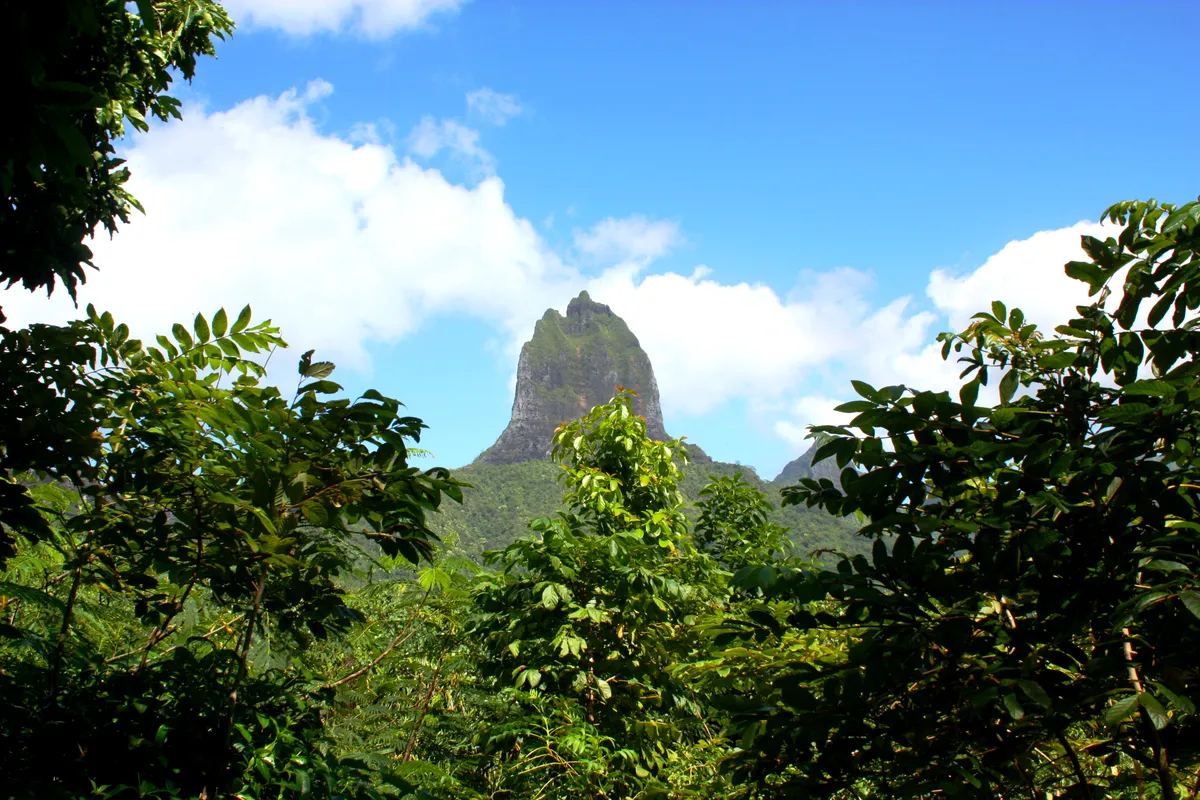
Moorea, a short ferry ride from Tahiti, is known for its dramatic peaks and lagoons. Haapiti, on the west coast, is a left-hand reef pass that can produce long, quality waves. Other passes around the island work on different swells.
Known for: Haapiti
Huahine and the Society Islands
Huahine, in the Leeward Islands, has reef passes such as Fare, a left-hand wave near the main village. The island is quieter and more traditional than Tahiti. Other Society Islands, such as Raiatea, also have reef passes with fewer surfers.
Known for: Fare (Huahine)
The Tuamotus
The Tuamotus are a chain of coral atolls with passes that create waves in remote, stunning settings. Rangiroa and Fakarava are better known for diving, but some passes produce surfable waves. Access is by domestic flight, and facilities are limited.
Known for: Rangiroa, Fakarava
The Marquesas and Austral Islands
The remote Marquesas, far to the north-east, and the Austral Islands, to the south, see very few surfers. They have dramatic landscapes and some exposed beaches and reefs, but access is limited, facilities are basic and conditions are unpredictable. They suit adventurous travellers more interested in exploration than in reliable surf.
Known for: Nuku Hiva, Tubuai
Learning to surf in French Polynesia
French Polynesia's best-known waves are for experienced surfers, but Papara beach on Tahiti offers a black-sand beach break where surf schools teach beginners. Some schools also use gentler reef breaks on smaller days with close supervision.
Ask about instructor qualifications, group size and which spots are used. Beginners should never attempt heavy reef breaks like Teahupo'o.
Surfing in French Polynesia: questions
When is the best time to surf in French Polynesia?
South-facing coasts, including Teahupo'o, are best from April to October. North-facing coasts are best from November to March.
Can beginners surf in Tahiti?
Yes, at Papara beach, a black-sand beach break with surf schools. Teahupo'o and most reef breaks are for experienced surfers only.
What is Teahupo'o?
Teahupo'o is a reef break off the southern tip of Tahiti, known for extremely heavy, hollow waves. It hosted the surfing competition at the Paris 2024 Olympic Games.
Is French Polynesia expensive?
Yes, it is one of the more expensive surf destinations. Family-run guesthouses called pensions offer more affordable options than resorts.
Do I need a wetsuit in Tahiti?
No. The water is warm all year. A rash vest, reef booties and sun protection are recommended.
How do I get to Teahupo'o?
Drive to the end of the road on Tahiti Iti, then take a boat or paddle out to the reef. Go with experienced local boat operators.
Why were the Paris 2024 Olympic surfing events held in Tahiti?
French Polynesia is part of France, and Teahupo'o offered world-class waves during the Olympic window in the southern winter. It became one of the most distant Olympic venues from a host city ever.
What is a pension in French Polynesia?
A pension is a family-run guesthouse, often offering simple rooms and meals. Pensions are usually more affordable than resorts and give visitors a more local experience.
Can I surf Moorea?
Yes. Moorea has reef passes such as Haapiti, which can produce long, quality left-hand waves. Most breaks are for intermediate and advanced surfers.
What is a reef pass?
A reef pass is a natural channel through the coral reef that surrounds an island. Waves often break on the reef beside the pass, while the deeper channel provides a safer way to paddle out or anchor a boat.
What currency is used in French Polynesia?
French Polynesia uses the CFP franc. Card payments are widely accepted in Papeete and larger hotels, but cash is useful in smaller villages and pensions.
Is Teahupo'o a left or a right?
Teahupo'o is a left-hand reef break. On big days, it produces thick, hollow waves over very shallow coral and is only for highly experienced surfers.
Do I need a visa for French Polynesia?
Entry rules depend on your nationality and differ from those of mainland France. Check the official requirements well before you travel.
Sources & editorial notes
Country context checked against the sources below. Regional summaries are Book & Surf editorial planning suggestions, not forecasts or safety assessments.