Reef passes in the South Pacific
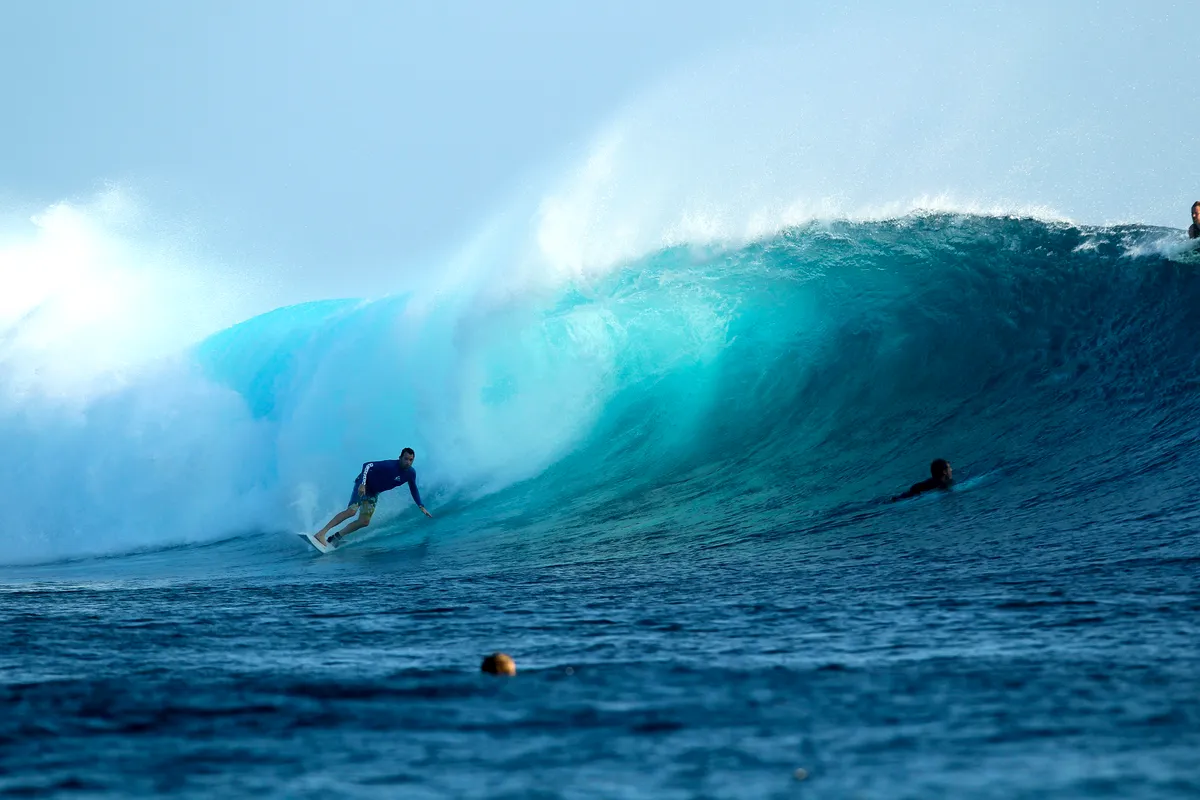
Fiji is an archipelago of more than three hundred islands in the South Pacific, surrounded by coral reefs. Swells generated by storms in the Southern Ocean travel north and break on the outer reefs and passes, producing powerful, well-shaped waves, often far from shore and reached by boat. The most famous of these is Cloudbreak, a long, powerful left-hand reef off the island of Tavarua in the Mamanuca group, regarded as one of the best waves in the world.
Fiji's surf is mostly for intermediate and advanced surfers, as the waves break over shallow coral and can be very powerful. But some breaks are more forgiving on smaller days, and the islands offer much more than surf, from snorkelling and diving to village visits.
How the 2010 decree opened the reefs
For decades, access to some of Fiji's best waves, including Cloudbreak and Restaurants, was controlled by nearby resorts under arrangements with traditional fishing-ground owners, and surfers who were not resort guests could be excluded. In 2010, the Fijian government issued a decree removing exclusive surfing rights over reefs, opening the waves to all surfers.
Since then, surfers staying in other resorts, guesthouses and on boats have been able to surf Cloudbreak and other breaks, though access is usually by boat from operators in the Mamanucas and Nadi area. The change has made Fiji more accessible but also busier at the most famous breaks.
Surf resorts and the Tavarua story
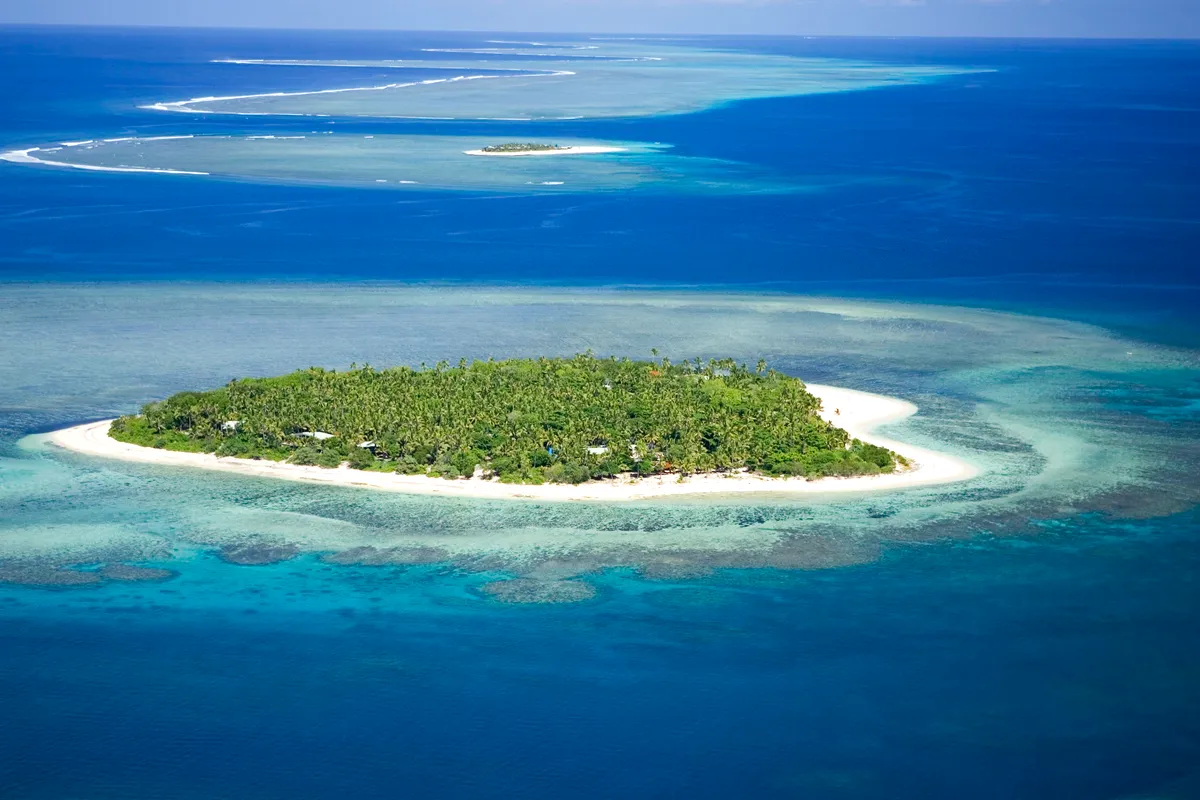
The modern history of Fijian surfing is closely tied to Tavarua, a small, heart-shaped island in the Mamanucas. In the 1980s, a surf resort opened on the island, giving guests access to nearby waves, including Cloudbreak and Restaurants, through an arrangement with the traditional owners of the surrounding fishing grounds. The resort became famous worldwide, and Fiji became a dream destination for surfers.
The model of a surf resort built around nearby reefs spread to other islands, including Namotu and resorts on the Coral Coast and Kadavu. Many of these resorts offer packages including accommodation, meals and daily boat trips to the breaks.
Trade winds, south swells and the seasons
The main surf season runs from roughly April to October, during the Southern Hemisphere winter, when consistent south-west swells arrive from the Southern Ocean. South-east trade winds are common in this season and are offshore at some breaks and onshore at others, so surfing early in the morning is often best.
From roughly November to March, swells are generally smaller and winds lighter, though this is also the cyclone season, with the risk of tropical storms. Cyclones can generate swells but also bring dangerous weather.
Frigates Passage and the Coral Coast in depth
On the south side of Viti Levu, Frigates Passage is a left-hand reef pass on the outer edge of the Beqa Lagoon, about an hour by boat from the Coral Coast. It produces long, powerful, often hollow waves on south-west swells and is considered one of Fiji's best waves outside the Mamanucas. It is usually less crowded than Cloudbreak.
The Coral Coast itself, along Viti Levu's southern shore, has a fringing reef with breaks that work on different swells, and resorts that suit families and non-surfing partners. The area is also known for diving in the Beqa Lagoon, including shark dives.
Getting to Fiji and between islands
Nadi International Airport on the main island of Viti Levu is the gateway, with flights from Australia, New Zealand, the United States and other Pacific destinations. From Nadi, boat transfers reach the Mamanuca islands, and roads lead to the Coral Coast. Kadavu, to the south, is reached by domestic flight or ferry.
Many surfers arrange transfers and boat trips through their resort or surf operator.
Diving, snorkelling and marine life
Fiji is often called the soft coral capital of the world, and its reefs are among the most colourful in the Pacific. Many surf trips include snorkelling or diving on flat days, with sites in the Mamanucas, the Beqa Lagoon and around Kadavu's Great Astrolabe Reef. Manta rays, turtles and reef sharks are common sightings.
Respect marine life, avoid touching coral and choose responsible operators. Coral bleaching has affected Fijian reefs in some years, making low-impact tourism especially important.
Kadavu and the Great Astrolabe Reef
Kadavu, Fiji's fourth-largest island, lies south of Viti Levu and is fringed by the Great Astrolabe Reef, one of the largest barrier reefs in the world. Its reef passes produce powerful waves for experienced surfers, and the island is famous for its diving, with manta rays and pristine coral. Kadavu is less developed than the Mamanucas, with small eco-resorts and traditional villages, and it is reached by short domestic flights or ferry.
The island's remoteness means fewer surfers in the water, but also limited facilities, so most visitors stay in resorts that provide boat trips to the breaks.
Fijian culture and the sevusevu
Fijian culture is warm and welcoming, and the greeting bula is heard everywhere. When visiting a village, it is customary to present a gift of kava root, known as yaqona, to the chief in a ceremony called sevusevu, and to dress modestly, covering shoulders and knees. Many resorts can arrange village visits with appropriate protocol.
Traditional fishing grounds, known as qoliqoli, are owned by local communities, and respect for them is important. In the water, respect local surfers and guides, wait your turn and avoid dropping in.
Reef safety and what to pack
The water is warm year-round, so boardshorts or a swimsuit with a rash vest are enough. Bring reef booties, high-protection reef-safe sunscreen, a hat and a well-stocked first-aid kit for reef cuts, which can become infected in the tropical climate. Many surfers bring more than one board, as reef breaks can break boards.
Currents around reef passes can be strong, so always surf with others and follow the advice of boat operators and guides.
Planning a Fiji surf trip
Most surf trips focus on the Mamanuca islands near Nadi, where Cloudbreak, Restaurants and other famous reefs are within reach by boat. Resorts on Tavarua and Namotu cater specifically to surfers, while other resorts and Nadi-based operators offer boat trips. The Coral Coast and Frigates Passage suit those staying on the main island, and Kadavu offers remote waves and excellent diving. Fiji can be expensive, especially at surf resorts, so plan your budget carefully.
Surf regions of Fiji
The Mamanuca Islands
The Mamanuca Islands, off Nadi, are home to Fiji's most famous waves: Cloudbreak, a powerful left on an outer reef, Restaurants, a perfect left off Tavarua, Namotu Left, Swimming Pools and Wilkes Passage. Island surf resorts and Nadi-based boat operators provide access.
Known for: Mamanuca Islands, Cloudbreak, Restaurants, Namotu Left, Swimming Pools, Wilkes Passage
The Coral Coast and Frigates Passage
The Coral Coast, on the south side of Viti Levu, has reef breaks along the fringing reef, and Frigates Passage, near the island of Yanuca and Beqa Lagoon, is a powerful left-hand reef pass reached by boat. The Coral Coast has resorts and is popular with families.
Known for: Frigates Passage, Coral Coast reefs
Kadavu
Kadavu, south of Viti Levu, is a rugged, remote island surrounded by the Great Astrolabe Reef, with powerful reef breaks and excellent diving. Access is by domestic flight or ferry, and accommodation is mainly in small eco-resorts.
Known for: Kadavu reefs
Sigatoka and the main island
Near Sigatoka on Viti Levu, the river mouth and beaches can produce beach-break waves, a rarity in Fiji, and the Sigatoka Sand Dunes National Park protects large coastal dunes. These breaks are more accessible from the main island.
Known for: Sigatoka
Taveuni and the outer islands
Fiji's outer islands, including Taveuni and parts of the Lau group, have remote reef breaks visited by few surfers, usually by boat charter. Access is limited, but the islands are known for natural beauty and diving.
Known for: Taveuni
The Yasawa Islands
North of the Mamanucas, the Yasawa Islands are a chain of volcanic islands with white-sand beaches and budget-friendly resorts. They are better known for beaches, snorkelling and island-hopping than surf, as they are largely sheltered from the main swells, but they make a relaxing addition to a Fiji trip.
Known for: Yasawa Islands
Learning to surf in Fiji
Fiji's famous waves break over shallow coral and are best for intermediate and advanced surfers. However, some resorts offer lessons on smaller days at more forgiving reef breaks or near Sigatoka's beaches, with experienced instructors. Beginners should only surf with an instructor and wear protective gear if recommended.
If you are a complete beginner, consider learning at a sandy beach destination first and visiting Fiji once you can catch and ride green waves.
Surfing in Fiji: questions
When is the best time to surf in Fiji?
April to October, during the Southern Hemisphere winter, brings the most consistent south-west swells.
Is Fiji good for beginners?
Most waves break over shallow coral and suit intermediate and advanced surfers. Some resorts offer lessons on smaller days.
Can anyone surf Cloudbreak?
Yes. A 2010 decree removed exclusive surfing rights over Fijian reefs, so surfers can access Cloudbreak by boat from operators in the Mamanucas and Nadi area.
Do I need a wetsuit in Fiji?
No. The water is warm year-round. A rash vest, reef booties and sun protection are recommended.
What is a sevusevu?
A traditional Fijian ceremony in which visitors present kava root to a village chief as a gift and sign of respect.
How do I get to the Mamanuca Islands?
By boat transfer from Port Denarau or other points near Nadi International Airport.
When is cyclone season in Fiji?
From roughly November to April. Cyclones can bring swell but also dangerous weather, so monitor forecasts.
Is Fiji expensive for a surf trip?
Surf resorts in Fiji can be expensive, especially those built around famous breaks. More affordable options include budget resorts and boat trips from the Nadi area.
What is Frigates Passage?
A left-hand reef pass on the outer edge of the Beqa Lagoon, south of Viti Levu, known for long, powerful waves on south-west swells.
Can I surf in Fiji in the wet season?
Yes. From November to March, swells are generally smaller and winds lighter, which can bring good conditions at some breaks, but it is also cyclone season.
Do I need a visa for Fiji?
Many nationalities receive a visitor visa on arrival, but requirements vary. Check the official Fijian immigration information before travelling.
What is the best island in Fiji for surfing?
The Mamanuca Islands, with Cloudbreak, Restaurants and other famous reefs, are the main surf destination. Kadavu and the Coral Coast are good alternatives.
Can I get to Cloudbreak by boat from Nadi?
Yes. Boat operators based around Nadi and Port Denarau run surf trips to Cloudbreak and other Mamanuca reefs.
Is Fiji good for a family surf trip?
Yes, if some of the family already surf. Resorts on the Coral Coast and in the Mamanucas offer kids clubs, snorkelling and calm lagoons alongside boat trips to the reefs.
Sources & editorial notes
Country context checked against the sources below. Regional summaries are Book & Surf editorial planning suggestions, not forecasts or safety assessments.