The breaks
Recognised, publicly known surf spots around Mamanuca Islands. Suitability depends on the day's swell, wind and tide, so treat the level as a guide, not a guarantee.
| Break | Type | Best for | Notes |
|---|---|---|---|
| Cloudbreak | Left-hand reef | Advanced–Expert | Long, powerful left on an outer reef south of Tavarua that can handle very large swells. Professional contest venue. |
| Restaurants | Left-hand reef | Advanced | Fast, mechanical left with barrels off Tavarua, often described as one of the world's most perfect waves. |
| Namotu Left | Left-hand reef | Intermediate–Advanced | Long left off Namotu island, often more forgiving than Cloudbreak. |
| Swimming Pools | Right-hand reef | Intermediate | Fun right near Namotu, good on smaller swells. |
| Wilkes Passage | Right-hand reef pass | Advanced | Right-hand pass that works on bigger swells with long, quality waves. |
A cluster of world-class reefs
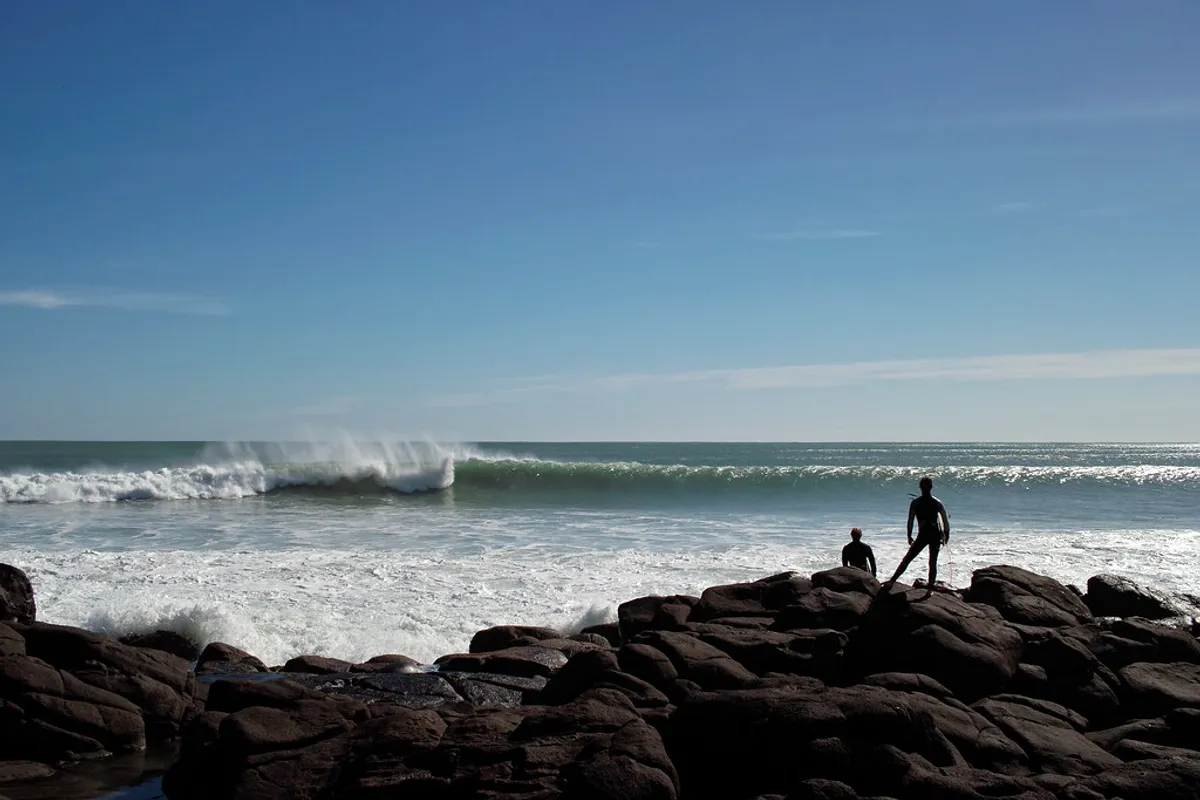
The Mamanuca Islands lie just west of Nadi on Viti Levu, Fiji's main island. Many are small resort islands surrounded by coral reefs and turquoise lagoons. On the southern edge of the group, a series of reef passes and outer reefs faces the open ocean, catching south-west swells from the Southern Ocean and turning them into powerful, perfectly shaped waves.
The area became famous among surfers from the 1980s, when a surf resort opened on the small, heart-shaped island of Tavarua, giving guests access to nearby waves. Today, the Mamanucas are synonymous with Fijian surfing and have hosted elite professional events at Cloudbreak.
Cloudbreak
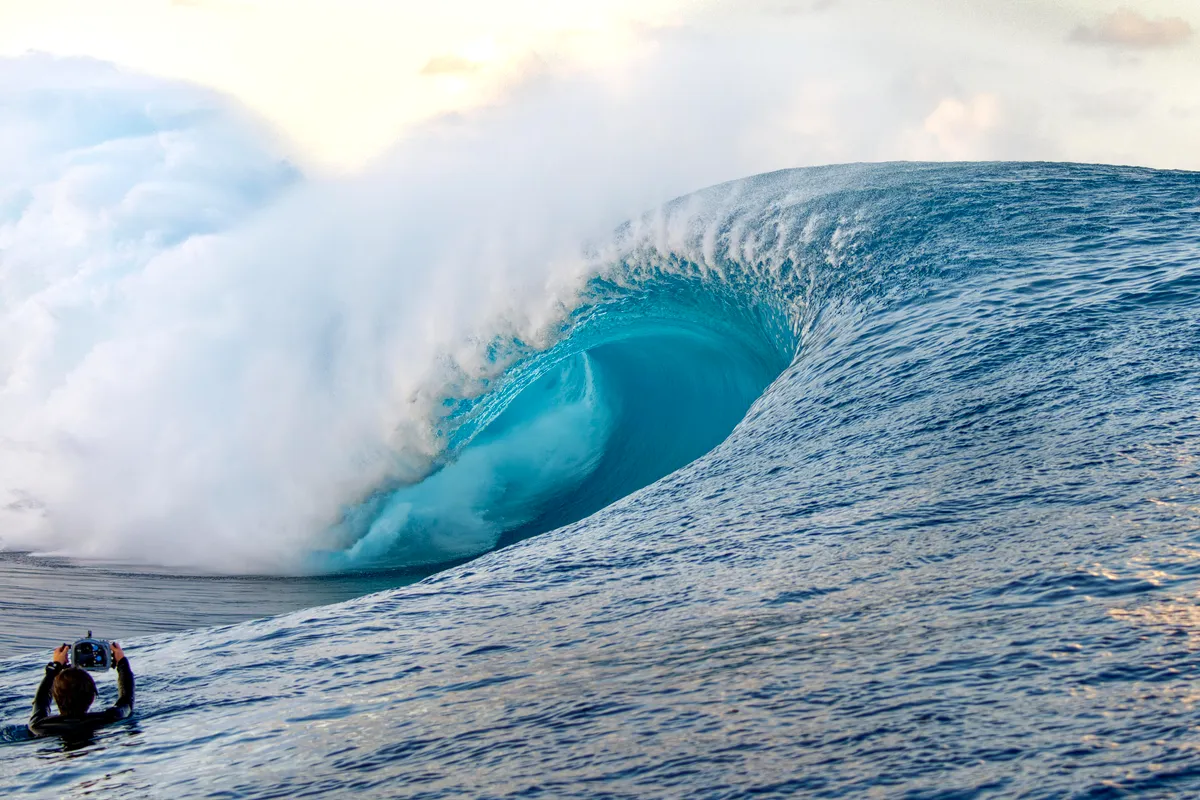
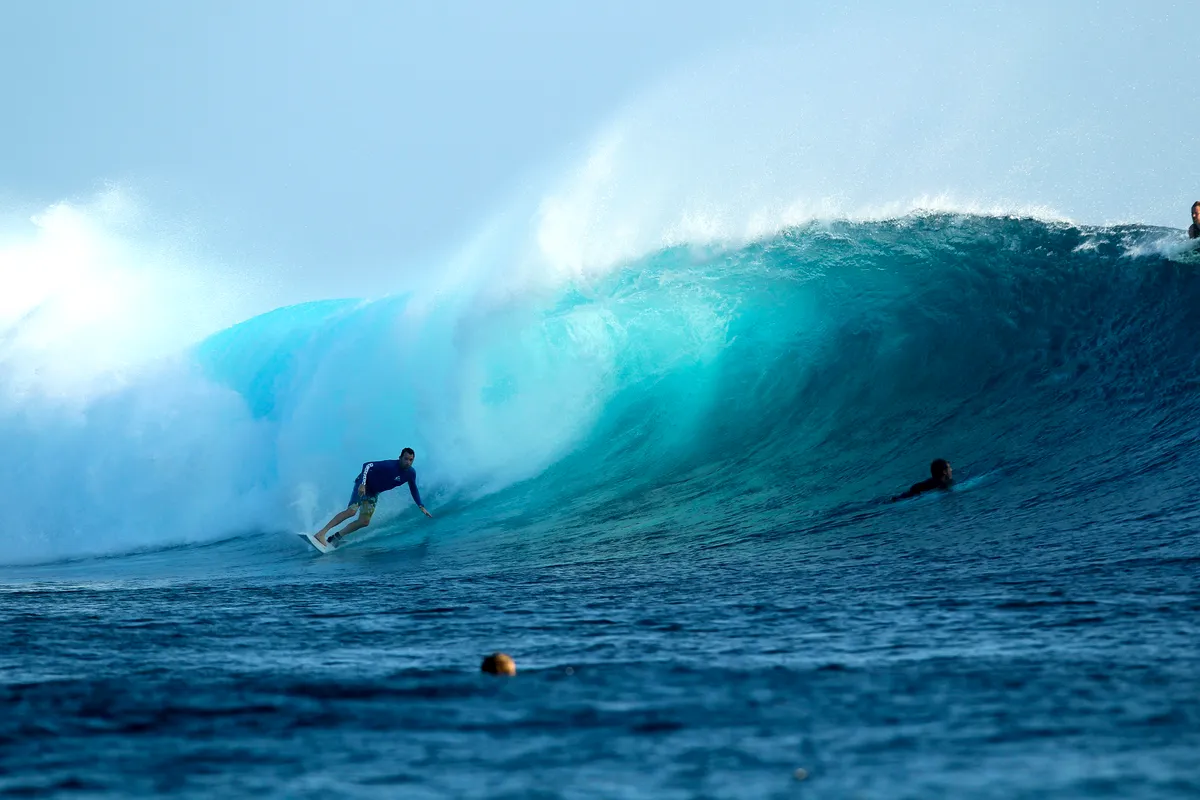
Cloudbreak is a long, powerful left-hand reef break on an outer reef south of Tavarua, open to the full force of the Southern Ocean. On a solid south-west swell, it produces long walls with barrel sections, and it can handle very large waves, attracting big-wave surfers on the biggest days. It has several sections, and reading the line-up takes experience.
Cloudbreak is for experienced surfers. The reef is shallow in places, the waves are powerful and the line-up can be crowded when conditions are good. Boats drop surfers in the channel, and boat operators can advise on conditions.
Restaurants and Namotu Left
Restaurants, a left-hand reef off Tavarua, is often described as one of the most perfect waves in the world, with fast, mechanical walls and barrels over a shallow reef. It works best on medium swells and specific tides and is named after the island resort's restaurant, which overlooks it.
Namotu Left, off the small island of Namotu, is a long left that suits a range of intermediate and advanced surfers, often more forgiving than Cloudbreak. It is a popular spot when Cloudbreak is too big or too crowded.
Swimming Pools and Wilkes Passage
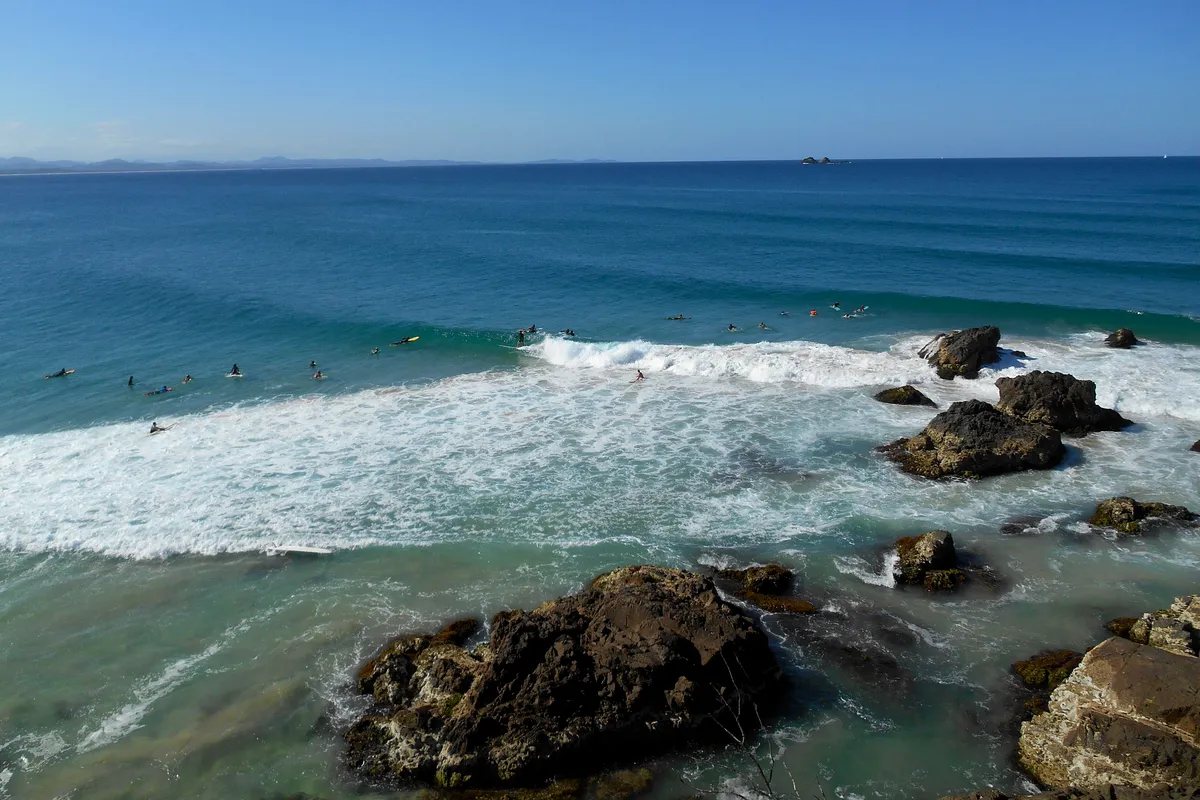
Swimming Pools, near Namotu, is a right-hand reef that offers fun, rippable waves on smaller swells, a good option for intermediates. Wilkes Passage, a right-hand reef pass, works on bigger swells and can produce long, quality waves. Each break responds differently to swell, wind and tide, so boat operators and guides choose the best option each day.
Choosing the right reef for the day
The great advantage of the Mamanucas is choice. Within a short boat ride, there are lefts and rights, waves that need big swells and waves that work on small ones, and reefs that handle different wind directions. Boat captains and surf guides check the swell size, direction, wind and tide each morning and decide where to go.
On small to medium days, Namotu Left, Swimming Pools and Restaurants (at the right tide) are often the best options. As the swell builds, Cloudbreak and Wilkes Passage come into play. On the biggest days, Cloudbreak becomes a big-wave arena, and most surfers watch from the channel. Trusting your guide's choice, rather than insisting on the most famous wave, usually leads to better sessions.
Seasons, wind and tides
The main surf season runs from roughly April to October, during the Southern Hemisphere winter, when consistent south-west swells arrive. South-east trade winds are common in this season, so early-morning sessions are often best, when winds are lighter.
From November to March, swells are generally smaller and winds lighter, but this is also the cyclone season, bringing the risk of tropical storms. Tides affect many Mamanuca reefs significantly, with some breaks becoming dangerously shallow at low tide.
Resorts, boats and getting to the reefs
Several resorts in the Mamanucas cater to surfers, including resorts on Tavarua and Namotu that are built around surfing, with boat trips to nearby breaks included. Other island resorts and guesthouses on the Nadi coast offer surf boat trips through local operators.
Nadi International Airport is the gateway, with boat transfers from Port Denarau and other points to the islands. Since a 2010 decree removed exclusive surfing rights over Fijian reefs, surfers from any resort or operator can access the breaks, though resort guests may have the most convenient access.
Professional surfing at Cloudbreak
Cloudbreak has hosted elite professional surfing events, including years when the world's best surfers competed in huge, perfect waves. Some of the most memorable days in professional surfing have taken place here, with giant swells and spectacular barrels. If you visit during an event, the atmosphere on the boats and in the channel is unforgettable, though access to the line-up may be restricted during competition.
Reef safety and what to bring
The water is warm year-round, so boardshorts or a swimsuit with a rash vest are enough. Bring reef booties, high-protection reef-safe sunscreen and a good first-aid kit for reef cuts, and clean every cut carefully. Many surfers bring a step-up board for bigger days at Cloudbreak, and a spare board in case of breakage.
Currents in the channels and around the reefs can be strong. Stay close to your boat, surf with others and follow the advice of boat operators.
Fijian hospitality and village visits
Fijian culture is warm and welcoming, and resort staff often come from nearby villages. Village visits can be arranged through resorts, usually including a sevusevu ceremony, in which visitors present kava root to the chief. Dress modestly in villages and follow your guide's advice on protocol.
The reefs are part of traditional fishing grounds owned by local communities, and respect for them is important. Support local businesses and follow environmental guidelines to protect the reefs.
Snorkelling, diving and flat days
The Mamanucas are known for clear water, coral reefs and abundant marine life, making them excellent for snorkelling and diving on flat days. Island-hopping, sandbank picnics and visits to Cloud 9, a floating bar and pizzeria on a reef, are popular. The area has also been used as a film location, including for the island scenes in the film Cast Away.
Mamanuca Islands surf season month by month
A broad planning picture, not a forecast. Swell, wind and water temperature vary from year to year.
| January | Cyclone season with smaller swells and light winds. Monitor forecasts for tropical storms. |
|---|---|
| February | Still cyclone season; small to medium swells and humid weather. |
| March | Swells start to build late in the month as the season approaches. |
| April | The season begins, with consistent south-west swells and lighter crowds. |
| May | Consistent swells and trade winds. Early mornings are best. |
| June | Peak season, with powerful swells. Cloudbreak can be big. |
| July | Consistent, powerful swells and busy breaks. |
| August | Still prime conditions, with trade winds and good swells. |
| September | Good swells continue with slightly fewer crowds. |
| October | The tail of the season, with decent swells and lighter winds. |
| November | Cyclone season begins; swells smaller and winds lighter. |
| December | Smaller swells, humid weather and holiday visitors. |
Is the Mamanucas right for your level?
The Mamanuca reefs are best for intermediate and advanced surfers. Most waves break over shallow coral, and some, like Cloudbreak, can be very powerful. Some resorts offer coaching for intermediate surfers on smaller days at more forgiving breaks such as Swimming Pools or Namotu Left.
Beginners should consider learning at a sandy beach destination first, or take lessons on Viti Levu near Sigatoka on suitable days, before surfing the Mamanuca reefs.
Comparing options across the country? Read our guide to surfing in Fiji.
Seasonal notes on this page describe typical patterns, not the conditions on a given day. Use the local forecast, lifeguard advice and a qualified instructor for water-safety decisions, and get a written breakdown of what any surf package includes before paying.
Mamanuca Islands surf trip questions
When is the best time to surf the Mamanuca Islands?
April to October brings the most consistent south-west swells, with June to August often the most powerful.
What is Cloudbreak?
A long, powerful left-hand reef break on an outer reef south of Tavarua, regarded as one of the best waves in the world.
Can I surf Cloudbreak if I'm not staying on Tavarua?
Yes. Since a 2010 decree removed exclusive surfing rights, surfers from other resorts and operators can access Cloudbreak by boat.
Is the Mamanucas good for beginners?
No. Most waves break over shallow coral and suit intermediate and advanced surfers.
How do I get to the Mamanuca Islands?
Fly into Nadi International Airport and take a boat transfer from Port Denarau or other points nearby.
Do I need a wetsuit in Fiji?
No. The water is warm year-round. A rash vest and reef booties are recommended.
What board should I bring to Fiji?
Bring a standard shortboard for most days, a step-up for bigger swells at Cloudbreak and a spare in case of breakage. Many surfers also bring a fun board for smaller days.
Is it expensive to surf in the Mamanucas?
Surf resorts on islands such as Tavarua and Namotu can be expensive. Boat trips from other resorts and the Nadi area offer a more affordable way to reach the breaks.
Can non-surfers enjoy the Mamanucas?
Yes. The islands offer snorkelling, diving, island-hopping, spa resorts and beaches, making them popular with non-surfing partners and families.
Sources & editorial notes
Destination context checked against the sources below. Base-selection and itinerary suggestions are Book & Surf editorial recommendations. Seasonal windows are broad planning suggestions, not measured forecasts or guarantees.
We do not claim to have personally surfed every break. Read our editorial standards.