The breaks
Recognised, publicly known surf spots around Noosa. Suitability depends on the day's swell, wind and tide, so treat the level as a guide, not a guarantee.
| Break | Type | Best for | Notes |
|---|---|---|---|
| First Point | Right-hand point | Beginner–Intermediate | The most accessible and gentle point at the end of Main Beach, a favourite for longboarders and improvers. |
| Johnson's | Right-hand point | Intermediate | Longer, more defined walls along the headland, often linking with neighbouring sections on good swells. |
| National | Right-hand point | Intermediate–Advanced | Often considered the best wave in the bay, with long, peeling rights and busy line-ups. |
| Tea Tree Bay | Right-hand point | Intermediate | Sheltered cove in the national park with a right suited to longboarders. |
| Granite Bay | Right-hand point | Advanced | More exposed point further around the headland, picking up more swell and producing faster waves. |
| Sunshine Beach | Beach break | Intermediate | East-facing beach on the open coast that picks up swell when the points are flat; strong rips on bigger days. |
A string of points in a national park
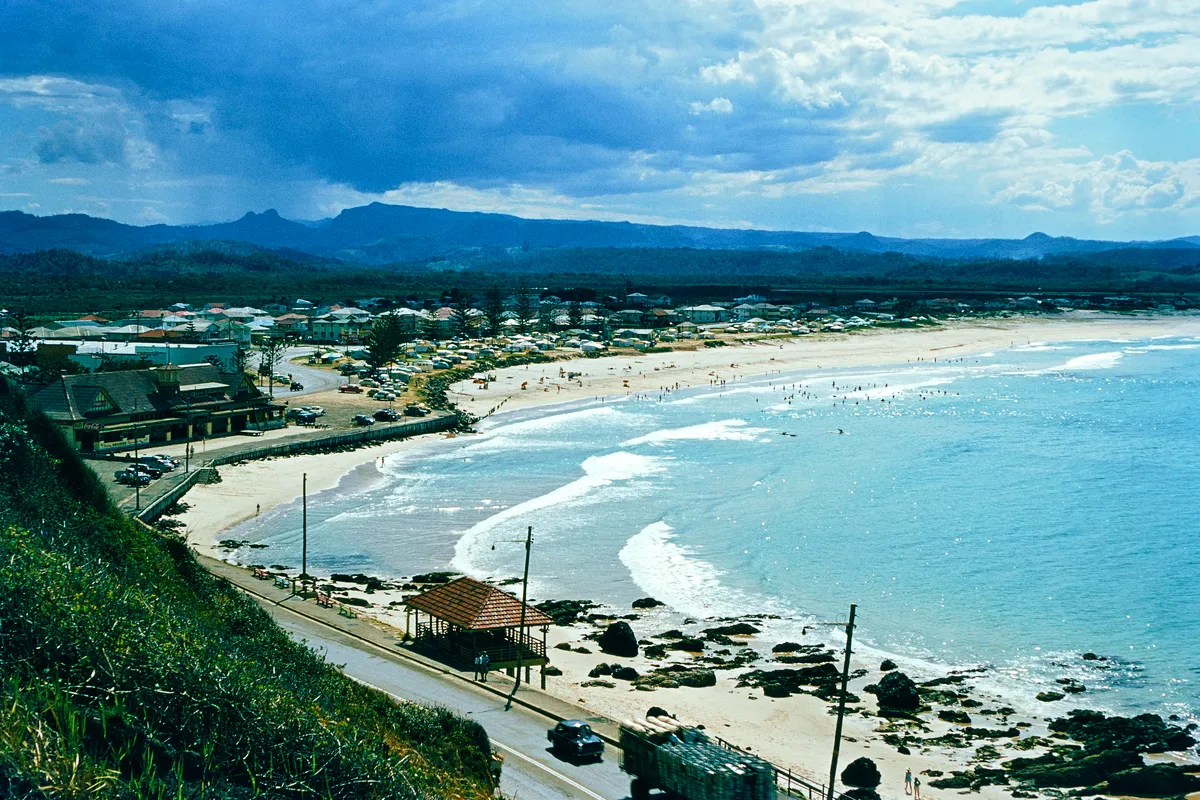
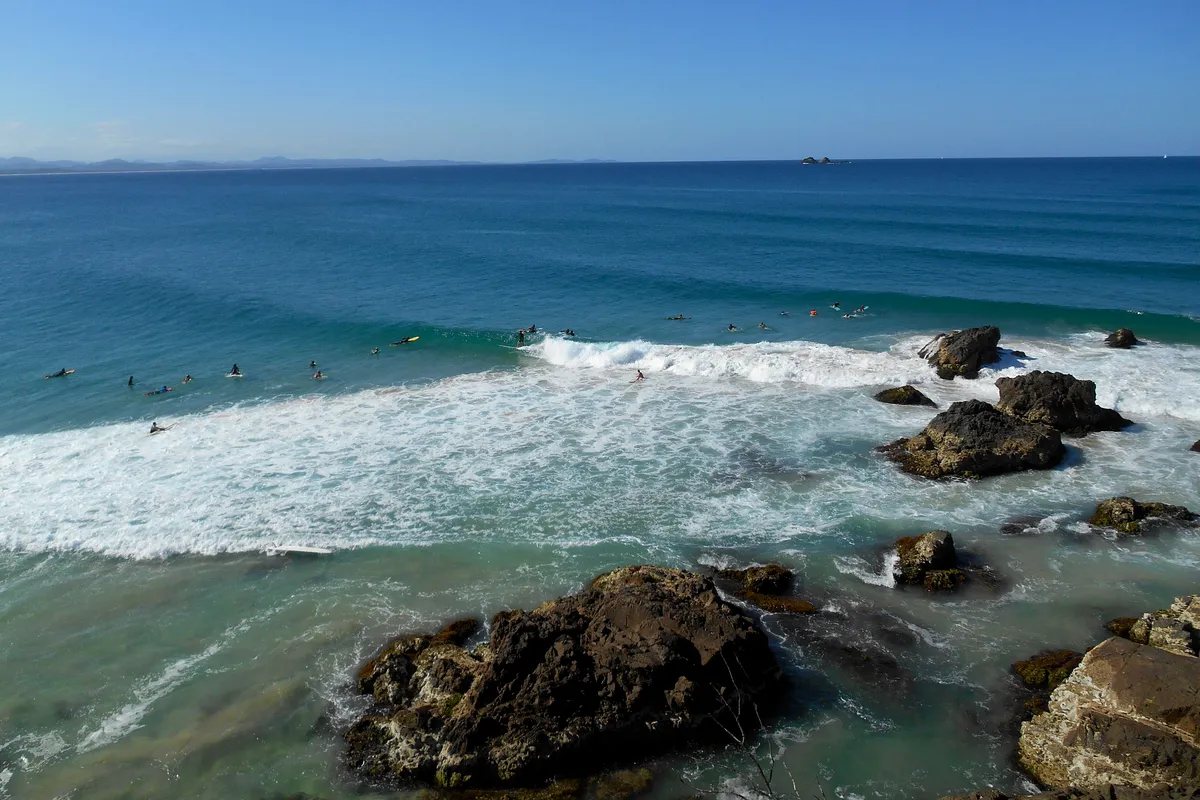
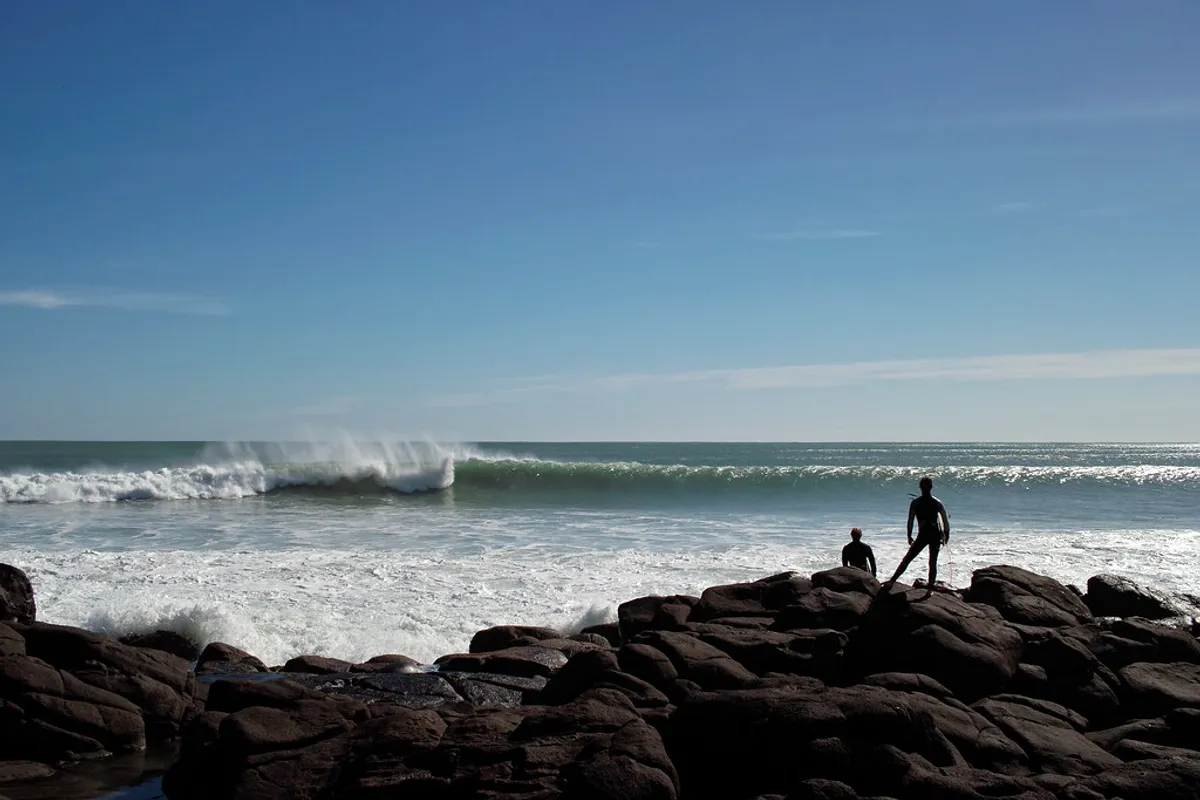
Noosa Heads sits on a headland where the coast turns from facing east to facing north. Most of the time, this north-facing bay is sheltered from the open ocean. But when a solid swell arrives from the east or south-east, especially from cyclones in the Coral Sea, it wraps around the headland and peels along a series of rocky points inside Noosa National Park. The result is long, gentle, perfectly shaped right-hand waves that are ideal for longboards and mid-lengths.
Noosa has been central to Australian longboarding for decades and was recognised as a World Surfing Reserve, protecting its points and the surrounding environment. The town, with its boutiques, restaurants and Hastings Street, has a more polished feel than many surf towns, but the waves remain the heart of its identity.
First Point, Johnson's and National
First Point, at the end of Noosa Main Beach, is the easiest point to reach and the most gentle, making it a favourite for longboarders, improvers and lessons on smaller days. Further along the headland, Johnson's and National offer longer, more defined walls, with National often considered one of the best waves in the bay. On good days, sections can link together for very long rides.
The points are reached by walking along the coastal path through the national park. Crowds can be heavy on the best swells, with experienced longboarders dominating the line-ups, so patience and good etiquette are essential.
Tea Tree Bay and Granite Bay
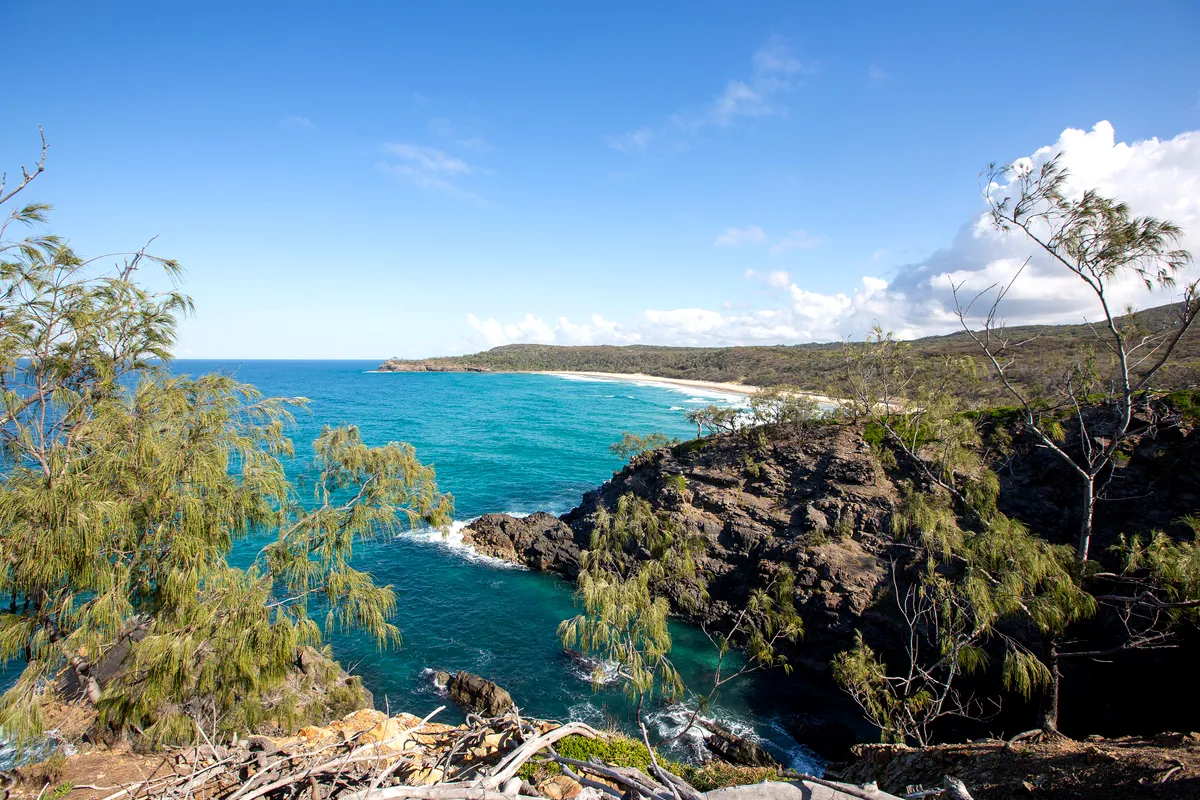
Further around the headland, Tea Tree Bay is a beautiful, sheltered cove with a right-hand wave that suits longboarders and intermediates. Beyond it, Granite Bay is a more exposed point that picks up more swell and can produce powerful, fast waves, better for experienced surfers. Getting there involves a longer walk along the park track.
The walk itself is part of the experience, with views over the bays, pandanus palms and the chance to spot koalas in the trees and dolphins or turtles in the water.
Noosa Main Beach and the open coast
Noosa Main Beach, in front of Hastings Street, is a gentle, north-facing beach that is usually small and sheltered, making it ideal for beginners and families. Surf schools teach here on most days.
On the east-facing side of the headland, beaches such as Sunshine Beach, Castaways and Alexandria Bay pick up much more swell. When the points are flat, these beaches often have waves, though they can be powerful with strong rips. Further south, the rest of the Sunshine Coast, including Coolum and Mooloolaba, has more beach and reef breaks.
Waiting for a cyclone swell
Because the points are sheltered, Noosa needs a significant east or south-east swell to work. The most famous days usually come from cyclones in the Coral Sea, most likely from around January to April, though their timing and strength vary greatly. Strong south-east swells in autumn and winter can also bring the points to life.
On many days, especially in spring and early summer, the points are flat or tiny. That makes Noosa a destination where flexibility pays off: the open-coast beaches are the backup, and when a good swell is forecast, surfers from across Australia head to the points.
The Noosa Festival of Surfing
Each year, usually in March, Noosa hosts a festival of surfing that celebrates longboarding and surf culture, with competitions, events and a strong community atmosphere. It is one of the largest longboard events in the world and attracts surfers of all ages. The festival week is a busy time in town, so book accommodation early if you plan to attend.
Sharing a longboard line-up
Noosa's points attract some of the best longboarders in the world, and on a good swell the line-ups are packed. Long, slow waves mean each ride takes time, so fewer waves are shared among more people, and the order of priority matters even more. The surfer closest to the peak has the wave; dropping in, or paddling up the inside of someone already riding, is the quickest way to cause trouble.
After a long ride, walk back along the track rather than paddling straight up the line of riders, a local habit that keeps the take-off zones clearer. Beginners should stay at First Point on small days or on Main Beach, and anyone on a big board should be especially careful to keep control, as a loose longboard is heavy and dangerous in a crowd.
Hastings Street, Sunshine Beach or the river
Staying around Hastings Street and Noosa Heads puts you within walking distance of Main Beach, the national park and the points, along with restaurants and shops. It is the most expensive area. Sunshine Beach, on the open coast, has a relaxed village feel and easy access to the east-facing beaches.
Noosaville and areas along the Noosa River offer more affordable accommodation, with calm river beaches and a short drive or bus ride to the surf.
Sunshine Coast Airport and getting there
Sunshine Coast Airport is about half an hour from Noosa, with flights from Sydney, Melbourne and other Australian cities. Brisbane Airport, around one and a half to two hours south, has more domestic and international connections, with shuttles and buses to Noosa.
In Noosa, much of the town is walkable, and local buses connect Noosa Heads, Noosaville and Sunshine Beach. A car is useful for exploring the Sunshine Coast and hinterland, though parking near the national park fills quickly on good-wave days.
Koalas, the Everglades and flat days
Noosa National Park is one of the best places in Queensland to see wild koalas, especially along the coastal track. The Noosa River and the Noosa Everglades, a rare river system of mirror-like waterways, are popular for kayaking and boat trips. The Sunshine Coast hinterland has villages, markets and rainforest walks, and Fraser Island, known as K'gari, lies to the north for four-wheel-drive adventures.
Noosa's food scene, from beachside cafés to fine dining, is one of the best on the Queensland coast.
Noosa surf season month by month
A broad planning picture, not a forecast. Swell, wind and water temperature vary from year to year.
| January | Summer holidays and the start of cyclone season. A Coral Sea cyclone can bring the points to life; often flat otherwise. |
|---|---|
| February | Peak cyclone-swell potential. When a swell hits, the points can be excellent and crowded. |
| March | Late cyclone swells and the festival of surfing. Often a prime month. |
| April | Cyclone and autumn south-east swells can both reach the points. Warm water. |
| May | South-east swells and clean mornings. A good month for the points and fewer crowds. |
| June | Winter swells occasionally wrap into the points. Cooler mornings and water. |
| July | Clean, cool winter days. The points work on bigger south-east swells; whales offshore. |
| August | Often small. The open-coast beaches are the best bet. |
| September | Spring winds and small surf. Good for learning on Main Beach. |
| October | Northerly winds and small waves. Points rarely work. |
| November | Warming water and mostly small surf on the points. |
| December | Summer holidays and crowds, with cyclone season starting. |
Learning to surf in Noosa
Noosa Main Beach is one of Queensland's best places to learn, with small, gentle waves in a sheltered bay and several surf schools offering group and private lessons. First Point, on small days, is a natural next step and a lovely place to learn to longboard.
Lessons usually include soft-top boards and rash vests. Ask about group size, instructor accreditation and where lessons take place. Because the points can be crowded with experienced longboarders, learn etiquette carefully before paddling out on bigger days.
Comparing options across the country? Read our guide to surfing in Australia.
Seasonal notes on this page describe typical patterns, not the conditions on a given day. Use the local forecast, lifeguard advice and a qualified instructor for water-safety decisions, and get a written breakdown of what any surf package includes before paying.
Noosa surf trip questions
When is the best time to surf Noosa?
From roughly February to May, when cyclone swells and south-east swells can wrap into the points. On many other days, the points are small or flat.
Is Noosa good for beginners?
Yes. Noosa Main Beach has small, gentle waves and surf schools, and First Point is a good next step on small days.
Why is Noosa famous for longboarding?
Its sheltered points produce long, gentle, peeling right-hand waves that suit longboards and mid-lengths perfectly, and it hosts one of the world's largest longboard festivals.
Can I see koalas in Noosa?
Yes. Noosa National Park is one of the best places in Queensland to see wild koalas, especially along the coastal track.
How far is Noosa from Brisbane?
Around one and a half to two hours by road. Sunshine Coast Airport is about half an hour away.
Where can I surf in Noosa when the points are flat?
The east-facing beaches, such as Sunshine Beach and Castaways, pick up more swell, though they can be powerful with rips.
Sources & editorial notes
Destination context checked against the sources below. Base-selection and itinerary suggestions are Book & Surf editorial recommendations. Seasonal windows are broad planning suggestions, not measured forecasts or guarantees.
- Wikipedia: Noosa Heads, Queensland ↗
- Wikipedia: Noosa National Park ↗
- Beachsafe: Surf Life Saving Australia ↗
We do not claim to have personally surfed every break. Read our editorial standards.