The breaks
Recognised, publicly known surf spots around Gold Coast. Suitability depends on the day's swell, wind and tide, so treat the level as a guide, not a guarantee.
| Break | Type | Best for | Notes |
|---|---|---|---|
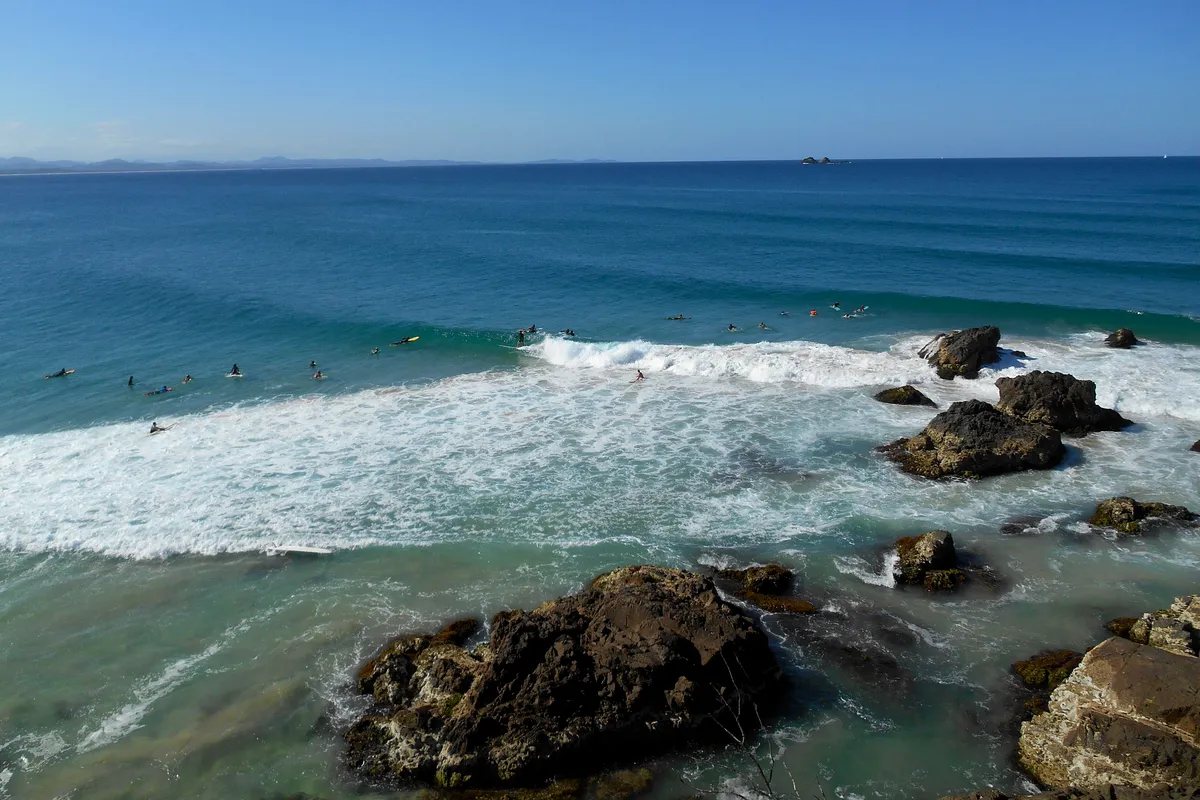
| Snapper Rocks | Right-hand point | Advanced | The start of the Superbank at Point Danger. Long, fast rights on south-east swells and one of the world's most crowded line-ups. |
| Greenmount & Rainbow Bay | Right-hand point | Intermediate–Advanced | Sections of the Superbank north of Snapper, often a little more forgiving on smaller days. |
| Kirra | Right-hand point | Advanced | Famous for long, hollow barrels on the right swell; quality depends on sand flow. |
| Currumbin Alley | Right-hand point | Beginner–Intermediate | Gentle right at the mouth of Currumbin Creek, popular for lessons and longboarding. |
| Burleigh Heads | Right-hand point | Advanced | Powerful, hollow right below a national park headland, with a strong local crew. |
| Duranbah | Beach break | Intermediate | Consistent beach break beside the Tweed River wall, picking up more swell than the points. |
A city shaped by the surf
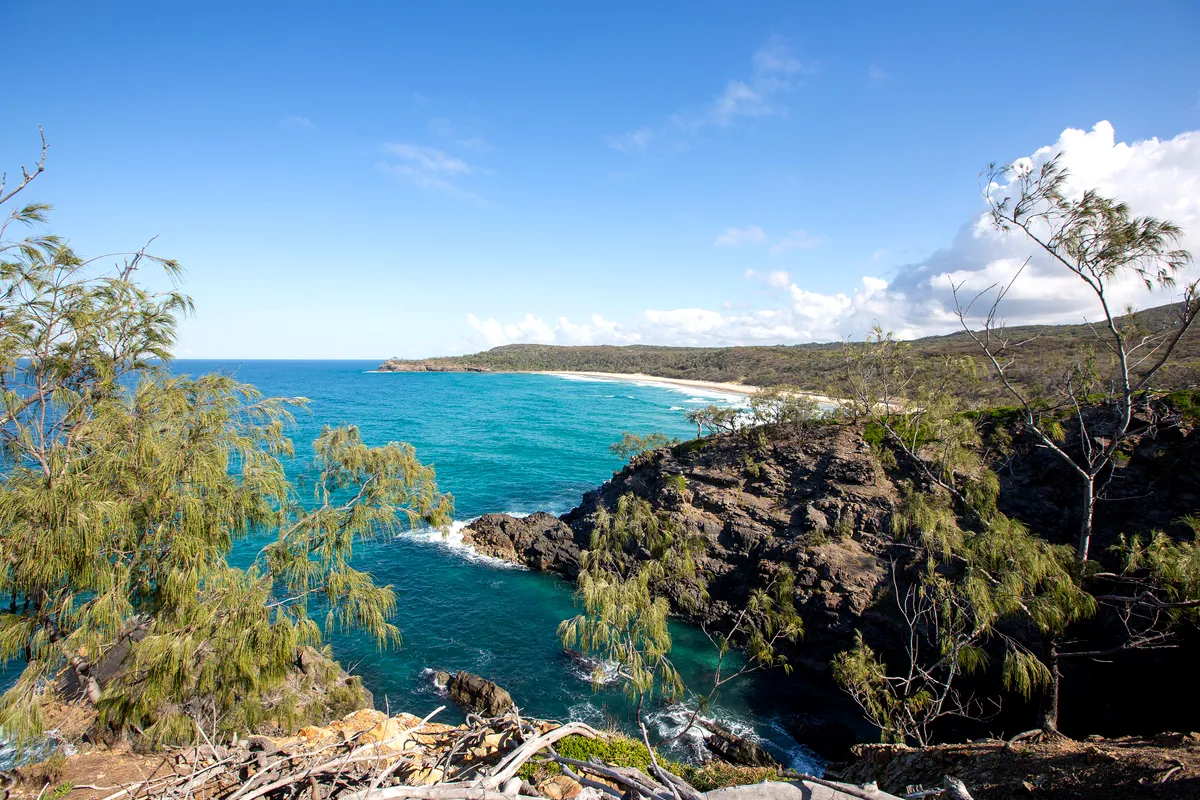
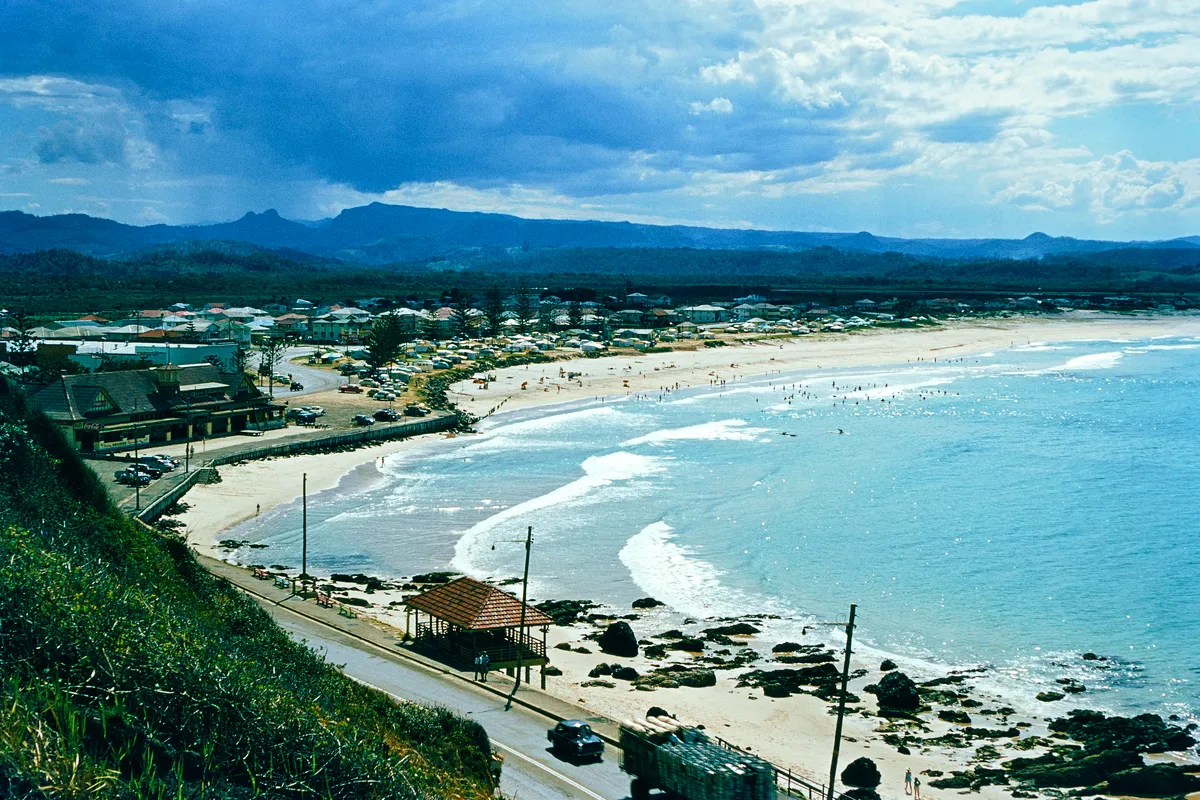
The Gold Coast stretches for around fifty kilometres along south-east Queensland, from the New South Wales border at Coolangatta to the Spit and South Stradbroke Island in the north. Along the way, a series of rocky headlands interrupts the long beaches, and each one creates a right-hand point break when swell arrives from the south-east. The southern end, around Coolangatta and Kirra, has the most famous of these points.
Surfing is central to the city's identity. Its beaches have produced world champions, its surf clubs and lifesavers are part of community life, and an elite professional contest has been held at Snapper Rocks for many years. The coastline has been recognised as a World Surfing Reserve, acknowledging the quality and cultural importance of its waves.
Snapper Rocks and the Superbank
At the southern end of the Gold Coast, Snapper Rocks is a right-hand point at the base of Point Danger. Since the early 2000s, a sand-bypassing system pumping sand from the Tweed River entrance has fed a long sandbar that runs from Snapper past Rainbow Bay and Greenmount towards Kirra, known as the Superbank. On a good south-east swell, waves can peel along this bank for an extraordinary distance, offering some of the longest, fastest rides in Australia.
The Superbank is also one of the most crowded line-ups in the world, packed with skilled local surfers, professionals and visitors. Positioning, patience and respect are essential, and many visitors find the crowd as challenging as the waves.
Kirra, Burleigh and the northern points
Kirra, just north of the Superbank, is famous for long, hollow barrels on the right swell, though its quality depends on sand flow and conditions vary from year to year. Further north, Currumbin Alley, at the mouth of Currumbin Creek, is a gentle right-hand wave that is popular for lessons and longboarding.
Burleigh Heads, halfway up the coast, is a right-hand point below a national park headland, producing powerful, hollow waves on bigger swells and one of the Gold Coast's best-known line-ups. Further north, the long beaches of Surfers Paradise and Main Beach offer beach-break peaks, while Duranbah, by the Tweed River wall just over the border, is a consistent beach break that picks up more swell than the points.
Cyclone season and autumn swells
The Gold Coast's points need swell from the east and south-east. From roughly January to March, tropical cyclones in the Coral Sea can send powerful, long-period swells, producing some of the best days of the year, though the timing and size vary a lot from season to season. Autumn, from March to June, often brings consistent south-east swells and offshore winds in the mornings.
Winter brings smaller, cleaner days with cooler mornings, and spring and early summer can be windy and inconsistent. The water is warm for much of the year, typically from around twenty degrees in winter to the mid-twenties in summer.
Patrolled beaches and staying safe
Many Gold Coast beaches are patrolled by lifeguards and volunteer surf lifesavers, who mark the safest area for swimming with red and yellow flags. Surfers generally surf outside the flagged zones. Rip currents are common, especially on the long beaches, so learn how to spot them and stay within your ability.
The Gold Coast has shark nets and drumlines at many beaches as part of Queensland's shark control programme, and incidents are rare, but follow local advice and beach closures. Marine stingers, such as bluebottles, can be present in summer, and the sun is intense, so use high-protection sunscreen and a rash vest.
Coolangatta, Burleigh or Surfers Paradise
Coolangatta and Rainbow Bay, at the southern end, put you within walking distance of Snapper Rocks, Greenmount and Kirra, and close to the airport. They have a relaxed, surf-town feel with cafés and surf shops. Burleigh Heads, in the middle of the coast, has a lively food and café scene and easy access to its famous point.
Surfers Paradise and Broadbeach, further north, have the high-rise hotels, nightlife and shopping the Gold Coast is known for, with beach breaks out front and a short drive to the points. Accommodation ranges from hostels to luxury hotels and holiday apartments.
Gold Coast Airport and getting around
Gold Coast Airport at Coolangatta is right next to the southern points, with domestic flights across Australia and some international routes. Brisbane Airport, about an hour north, has more international connections, and trains and buses link Brisbane with the Gold Coast.
On the coast, the G:link light rail runs through the central and northern suburbs, and buses connect the beaches. A car is useful for checking different points along the coast and for trips to the hinterland or northern New South Wales.
Crowds and line-up etiquette
Gold Coast line-ups can be intense. At the Superbank, Kirra and Burleigh, the best waves go to experienced local surfers who know the breaks intimately, and visitors who drop in, paddle around others or ignore priority will quickly feel unwelcome. Sit wide, watch how the line-up works and wait your turn.
If you are not confident in crowded, powerful conditions, choose less busy spots such as the beach breaks, Currumbin Alley or Duranbah, and surf early in the morning when crowds are lighter.
The hinterland and life beyond the beach
Behind the Gold Coast, the hinterland rises into green mountains and rainforest. Lamington and Springbrook National Parks, part of the Gondwana Rainforests of Australia World Heritage Area, offer waterfalls, walking trails and glow-worm caves. Theme parks, wildlife sanctuaries such as Currumbin Wildlife Sanctuary and busy food and nightlife scenes keep non-surfers entertained.
Byron Bay and the northern New South Wales points, including Lennox Head, are around an hour's drive south, making it easy to combine both areas in one trip.
Gold Coast surf season month by month
A broad planning picture, not a forecast. Swell, wind and water temperature vary from year to year.
| January | Summer heat, warm water and the start of cyclone season. A Coral Sea cyclone can bring the year's best days. |
|---|---|
| February | Peak cyclone-swell potential. When it hits, the Superbank and Kirra can fire; busy line-ups. |
| March | Late cyclone swells and the first autumn south-easterlies. Often a prime month for the points. |
| April | Consistent south-east swells and offshore mornings. Warm water and fewer holiday crowds. |
| May | A strong month for the points, with clean mornings and comfortable weather. |
| June | Cooler mornings and still-regular swell. Water around twenty degrees; a spring suit or thin wetsuit. |
| July | Winter: smaller, cleaner days and cool mornings. Good for beach breaks and learning. |
| August | Often small and clean, with occasional south-east swells. Whales migrating offshore. |
| September | Spring winds and less consistent swell. Fun days on the beach breaks. |
| October | Northerly winds become more common. Smaller surf; good for learners. |
| November | Warming water and mostly small waves, with occasional east swells. |
| December | Summer holidays and crowds, with the cyclone season beginning late in the month. |
Learning to surf on the Gold Coast
The Gold Coast has many surf schools, often accredited by Surfing Australia, teaching at gentle spots such as Currumbin Alley, the beach breaks around Surfers Paradise and Main Beach and the softer sections around Greenmount on small days. Lessons usually take place in or near patrolled areas and include soft-top boards and rash vests or wetsuits.
The warm water and consistent small waves make learning comfortable much of the year. Winter often brings smaller, cleaner days that suit beginners, while cyclone swells in summer can make the points too big. Ask schools about group sizes, instructor accreditation and how they handle crowds.
Comparing options across the country? Read our guide to surfing in Australia.
Seasonal notes on this page describe typical patterns, not the conditions on a given day. Use the local forecast, lifeguard advice and a qualified instructor for water-safety decisions, and get a written breakdown of what any surf package includes before paying.
Gold Coast surf trip questions
What is the Superbank?
A long sandbar fed by a sand-bypassing system at the Tweed River entrance, running from Snapper Rocks past Rainbow Bay and Greenmount towards Kirra. On good swells, it can produce very long right-hand waves.
When is the best time to surf the Gold Coast?
From roughly February to June, when cyclone swells and autumn south-easterlies reach the points, though conditions vary from year to year.
Is the Gold Coast good for beginners?
Yes. Currumbin Alley and the beach breaks offer gentle waves and many surf schools. The famous points are crowded and best left to experienced surfers.
Are there sharks on the Gold Coast?
Sharks are present in Australian waters, and the Gold Coast uses nets and drumlines at many beaches. Incidents are rare; follow local advice and beach closures.
Do I need a wetsuit on the Gold Coast?
Usually not in summer. In winter, when water is around twenty degrees, many surfers wear a spring suit or thin full wetsuit.
How far is the Gold Coast from Byron Bay?
About an hour's drive south, making it easy to combine both on one trip.
Sources & editorial notes
Destination context checked against the sources below. Base-selection and itinerary suggestions are Book & Surf editorial recommendations. Seasonal windows are broad planning suggestions, not measured forecasts or guarantees.
- Wikipedia: Superbank ↗
- Wikipedia: Burleigh Heads, Queensland ↗
- Wikipedia: Gold Coast, Queensland ↗
- Beachsafe: Surf Life Saving Australia ↗
We do not claim to have personally surfed every break. Read our editorial standards.