The breaks
Recognised, publicly known surf spots around Kuta Lombok. Suitability depends on the day's swell, wind and tide, so treat the level as a guide, not a guarantee.
| Break | Type | Best for | Notes |
|---|---|---|---|
| Gerupuk Inside | Reef break | Beginner–Intermediate | The most sheltered of Gerupuk's boat-access waves, used for lessons and by improvers. Shallow at low tide. |
| Gerupuk Outside & Don Don | Reef breaks | Intermediate–Advanced | More exposed reefs at the mouth of Gerupuk Bay that pick up more swell. Reached by local boat. |
| Selong Belanak | Sandy bay | Beginner | Long, gentle beach west of Kuta with soft waves, surf schools and board rental. Ideal for first sessions. |
| Mawi | Reef break | Advanced | Powerful, hollow reef in a scenic bay west of Kuta, with strong currents on bigger swells. |
| Ekas | Reef breaks | Intermediate–Advanced | Inside and outside reefs in a bay on the south-east coast, usually reached by boat and quieter than Gerupuk. |
| Desert Point | Left-hand reef | Expert | One of the world's longest, most hollow lefts in the far south-west. Needs a big swell and the right tide. |
Not the Kuta in Bali
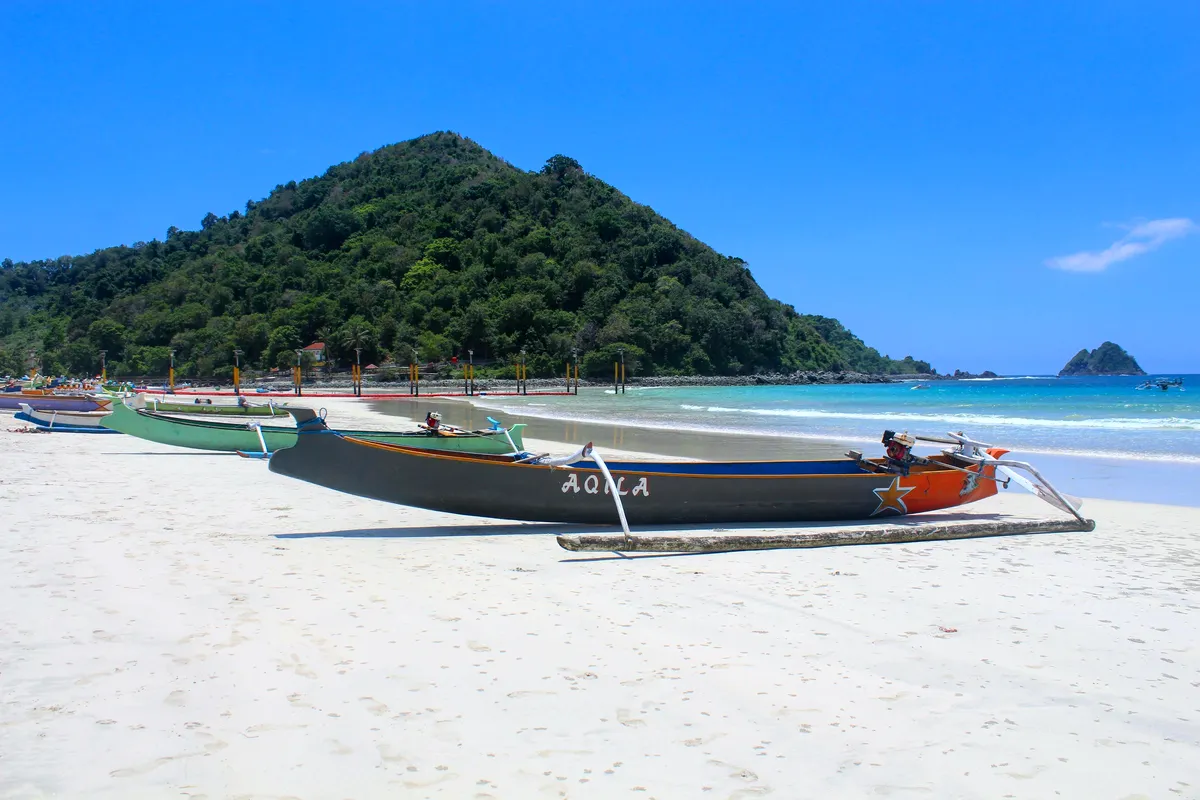
Kuta Lombok shares a name with Bali's famous beach town but very little else. It is a small town on the south coast of Lombok, the island east of Bali across the Lombok Strait, set behind a curved bay framed by green hills and rocky headlands. Until recently, it was a sleepy village with a few guesthouses and warungs; today it has surf camps, cafés, boutique hotels and a weekly influx of surfers drawn by uncrowded waves and a more relaxed pace.
The surf here is spread along the coast rather than concentrated in one place. Some breaks are reached by road, others by short boat rides from fishing villages. That spread, and the lower density of visitors compared with Bali, means you can often find a wave with fewer people, especially outside the peak months.
Gerupuk Bay: five waves by boat
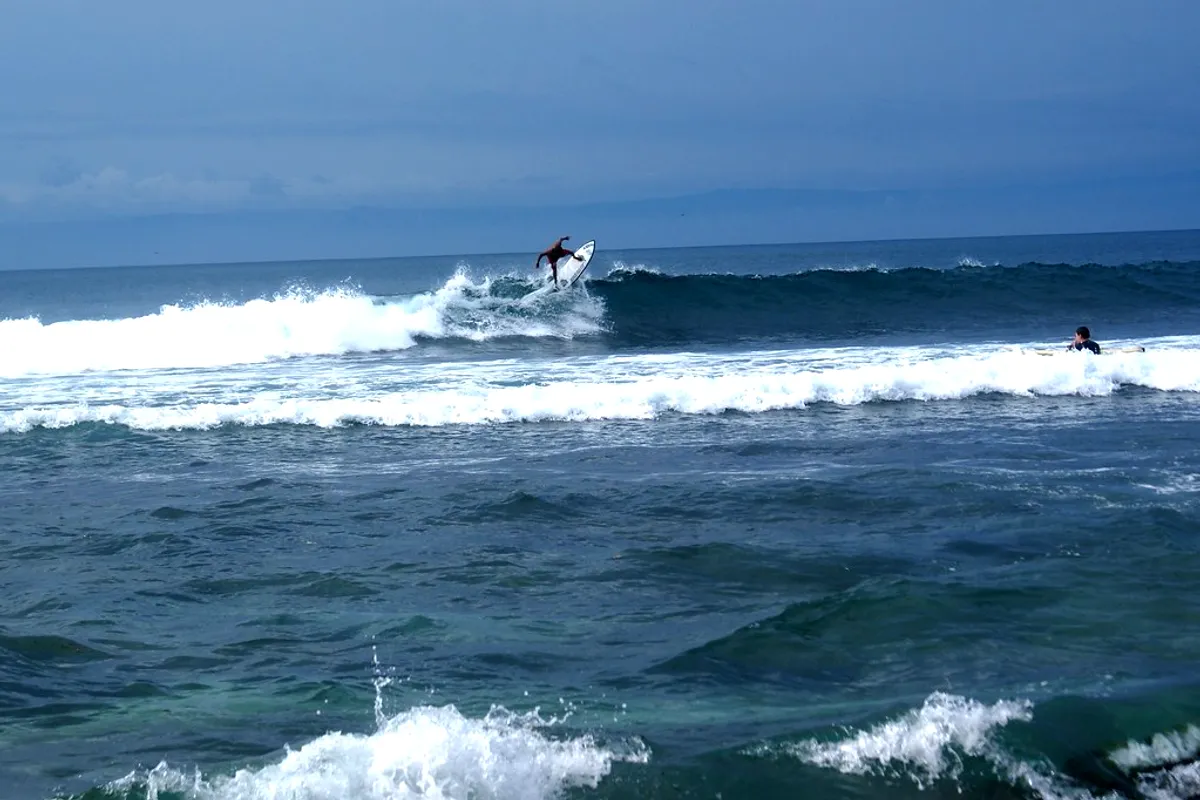
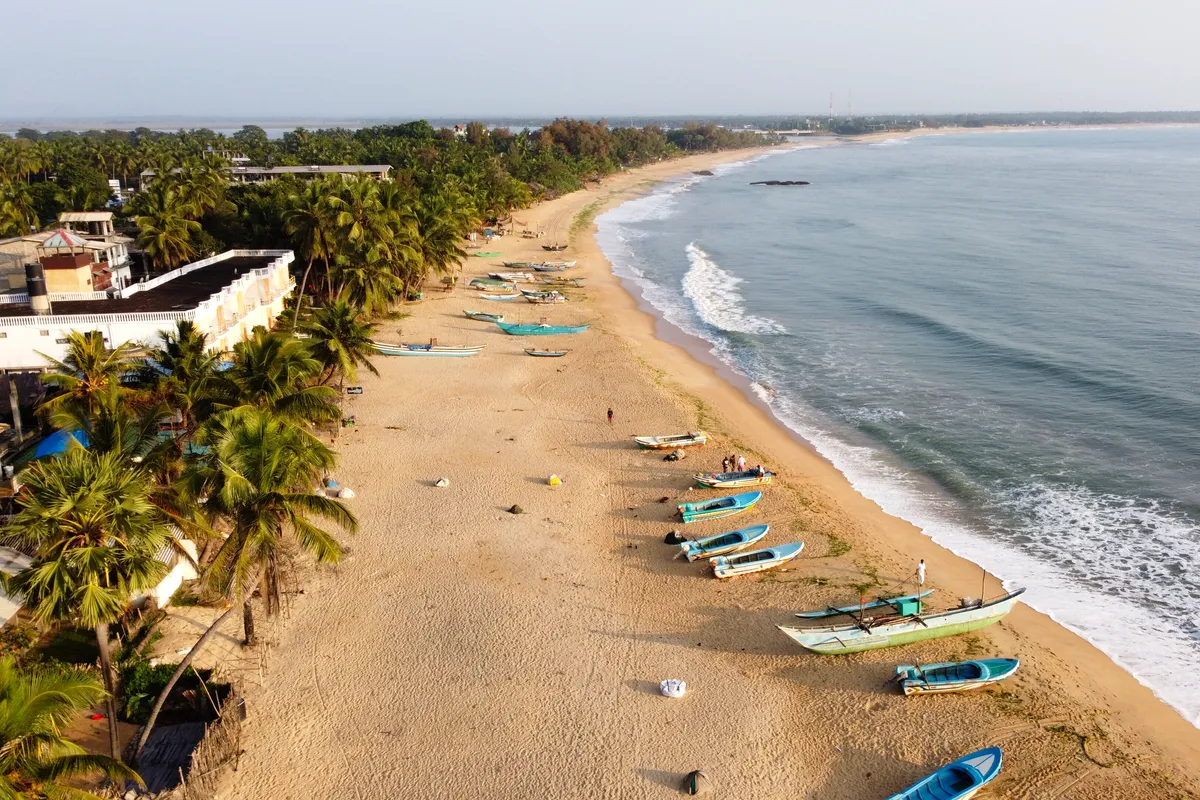
About twenty minutes east of Kuta, Gerupuk is a deep, sheltered bay with several reef breaks at its mouth and along its sides. Local boatmen ferry surfers from the village to whichever break suits the day, waiting while you surf and bringing you back. Inside, as the name suggests, is the most sheltered wave and is often used for lessons and by improvers. Further out, waves such as Don Don, Kiri and the Outside reefs pick up more swell and suit intermediate and advanced surfers.
The arrangement is part of the charm: you choose a wave from the boat, surf for a couple of hours and return to the village for lunch. Agree the price and the waiting time with the boatman before leaving, and pay attention to the tide, as some reefs become very shallow at low water.
Selong Belanak and the beginner bays
West of Kuta, Selong Belanak is a long, sandy bay with gentle, rolling waves that are among the best on the island for complete beginners. Surf schools and board rental stalls line the beach, and the sand bottom makes falling far less intimidating than on a reef.
Other bays along the coast, such as Tanjung Aan near Kuta, are better known for swimming and scenery than surf, though nearby reefs can work. The coastline between Kuta and Selong Belanak is a series of beautiful beaches reached by winding hill roads, and exploring them by scooter is one of the pleasures of a trip here.
Mawi, Ekas and the more powerful reefs
Mawi, west of Kuta, is a powerful reef break in a picturesque bay, with a fast, hollow wave on bigger swells that suits experienced surfers. The reef is shallow and the currents can be strong, so it is not a wave for learners.
To the east, across the island's south-eastern bays, Ekas offers a sheltered inside reef and a more exposed outside break, usually reached by boat. It sees fewer surfers than Gerupuk and is popular with those staying in the quieter eastern part of the coast.
Desert Point
In the far south-west of Lombok, Desert Point is one of the most famous left-hand barrels in the world. On the biggest Indian Ocean swells, it produces long, hollow waves that run down a shallow reef for a remarkable distance. It needs a large swell and the right tide to work, which happens on relatively few days, mostly in the middle of the dry season.
It is strictly for experienced surfers comfortable in heavy, shallow barrels. The area is remote, with simple accommodation, and a long drive or boat trip from Kuta. Many surfers who travel specifically for Desert Point wait for a forecast swell before making the trip.
Dry season on the south coast
The main surf season runs from roughly April to October, during the dry season, when south-east trade winds blow and the most consistent swells arrive from the Southern Indian Ocean. June to August usually brings the biggest swells and the most visitors. April, May, September and October can offer good waves with fewer people.
In the wet season, from roughly November to March, winds become more variable, rain increases and the south coast is less reliable, though there are still good days. The landscape turns a deep green and prices drop.
Mandalika and a changing coast
The area around Kuta has been designated a special economic zone known as Mandalika, with major investment in hotels, roads and a motor-racing circuit that has hosted international MotoGP races. The development has brought jobs and better infrastructure, but also rapid change to the landscape and concerns about land rights and the impact on local communities.
For visitors, this means Kuta is in transition. New resorts sit alongside traditional villages, and some beaches have changed significantly. Choosing locally owned accommodation, eating in warungs and hiring local boatmen and guides helps ensure that tourism benefits the people who live here.
Sasak culture and etiquette
Most people on Lombok are Sasak, with a culture and language distinct from Bali, and the island is predominantly Muslim. Dress modestly away from the beach, particularly in villages, and be aware of local customs during Ramadan. The call to prayer is part of daily life. Traditional villages such as Sade, near Kuta, show Sasak architecture and weaving.
In the water, the line-ups at Gerupuk and the main reefs include local surfers, many of whom are also boatmen and instructors. Respect them, wait your turn and do not drop in.
Flights, scooters and getting to Kuta
Lombok International Airport is only about twenty to thirty minutes from Kuta, with domestic flights from Bali, Jakarta and other Indonesian cities, and some international routes. Fast boats also run from Bali to Lombok's north-west coast and the Gili Islands, though the drive south from there is long.
In Kuta, scooters are the usual way to get around, often with surfboard racks. Roads between beaches are hilly and winding, so ride only if you are licensed and experienced, wear a helmet and check that your insurance covers you. Drivers can be hired for longer trips.
Rinjani, the Gilis and rest days
Lombok's interior is dominated by Mount Rinjani, an active volcano with a crater lake, popular with trekkers on multi-day hikes. The Gili Islands, off the north-west coast, are known for snorkelling, diving and car-free streets. Closer to Kuta, viewpoints such as Bukit Merese above Tanjung Aan offer sweeping sunsets over the bays.
Each year around February or March, the Bau Nyale festival takes place on the beaches near Kuta, when locals gather to collect sea worms linked to the legend of Princess Mandalika, an important cultural event for the Sasak community.
Kuta Lombok surf season month by month
A broad planning picture, not a forecast. Swell, wind and water temperature vary from year to year.
| January | Wet season: variable winds, rain and less reliable surf. Green landscapes and quiet, cheaper accommodation. |
|---|---|
| February | Still wet season. Some good days; the Bau Nyale festival may take place around this time. |
| March | Transition month as the dry season approaches. Conditions mixed. |
| April | The dry season begins, with south-east trades and building swells. Fewer crowds than mid-season. |
| May | Consistent swells and pleasant weather. A strong month for all levels. |
| June | Peak swell season begins. Gerupuk's outside reefs and Mawi start to fire. |
| July | Big swells and the most visitors. Desert Point may break on the largest swells. |
| August | Still prime, with consistent swell and dry weather. Book ahead. |
| September | Excellent conditions with fewer people after the northern summer holidays. |
| October | The tail of the dry season, with decent swells and quieter line-ups. |
| November | Transition to the wet season; winds become variable. |
| December | Wet season with occasional good days and holiday visitors. |
Learning to surf in Kuta Lombok
Kuta Lombok is a good place to learn, with gentle options and plenty of schools. Complete beginners usually start at Selong Belanak's sandy bay, where waves are soft and the bottom is forgiving. As you progress, instructors often take students by boat to Gerupuk Inside, a sheltered reef that offers longer rides but requires more care, especially at low tide.
Many surf camps in Kuta include accommodation, lessons, transport and boat trips in their packages. Ask about group sizes, instructor experience and how they choose spots each day. Wear a rash vest for sun protection and booties if recommended for reef sessions.
Comparing options across the country? Read our guide to surfing in Indonesia.
Seasonal notes on this page describe typical patterns, not the conditions on a given day. Use the local forecast, lifeguard advice and a qualified instructor for water-safety decisions, and get a written breakdown of what any surf package includes before paying.
Kuta Lombok surf trip questions
Is Kuta Lombok good for beginners?
Yes. Selong Belanak has gentle, sandy waves and many schools, and Gerupuk Inside is a sheltered reef for improvers. The more powerful reefs such as Mawi and Desert Point are for experienced surfers.
When is the best time to surf Lombok?
The dry season, from about April to October, brings the most consistent swells. June to August is the peak; April, May, September and October are often less crowded.
How do I get to Gerupuk?
Gerupuk is about twenty minutes east of Kuta by road. Local boatmen in the village take surfers to the reefs; agree the price and waiting time before you go.
Is Lombok less crowded than Bali?
Generally yes. Lombok has fewer visitors and its surf is spread along the coast, though Kuta is developing quickly and popular breaks can be busy in peak season.
How far is Kuta from Lombok airport?
About twenty to thirty minutes by road. Many guesthouses and surf camps arrange airport pick-ups.
When does Desert Point break?
Desert Point needs a large Indian Ocean swell and the right tide, which happens on relatively few days, mostly in the middle of the dry season.
Sources & editorial notes
Destination context checked against the sources below. Base-selection and itinerary suggestions are Book & Surf editorial recommendations. Seasonal windows are broad planning suggestions, not measured forecasts or guarantees.
- Wikipedia: Kuta, Lombok ↗
- Wikipedia: Mandalika International Street Circuit ↗
- Wikipedia: Mount Rinjani ↗
- BMKG: Indonesian Agency for Meteorology, Climatology and Geophysics ↗
We do not claim to have personally surfed every break. Read our editorial standards.