Why surf in Sri Lanka
Sri Lanka sits in the Indian Ocean, south of India, exposed to swells generated by storms in the Southern Indian Ocean. Its coastline wraps around the island, so different coasts face different directions and come into season at different times of year. The south and west coasts are best during the north-east monsoon, while the east coast comes alive during the south-west monsoon.
The waves are generally more forgiving than Indonesia's heavy reefs, with many sandy bays, gentle reefs and right-hand points. That makes Sri Lanka popular with beginners and intermediates, while experienced surfers find enough powerful reefs to keep them challenged. The water is warm all year, and the island offers a remarkable mix of beaches, tea country, wildlife, temples and colonial towns, all within a few hours' drive.
Two monsoons, two surf seasons
The key to planning a Sri Lanka surf trip is understanding the monsoons. From roughly November to April, the north-east monsoon brings dry weather and offshore or light winds to the south and west coasts. This is the season for Weligama, Mirissa, Midigama, Hiriketiya and Hikkaduwa. December to March is usually the most consistent period.
From roughly April or May to October, the south-west monsoon brings rain and onshore winds to the south and west, but offshore winds and dry weather to the east coast. This is the season for Arugam Bay and the surrounding points, with June to September usually the peak.
The transition months, April and October to November, can bring mixed conditions on both coasts, but they can also be quieter and good value. Exact timings vary from year to year, so check forecasts before you travel.
Arriving in Sri Lanka
Bandaranaike International Airport near Colombo is the main international gateway, with connections through the Middle East, Asia and Europe. The south coast is a few hours' drive away via the Southern Expressway. The east coast and Arugam Bay are much further, usually most of a day by road across the island's hill country.
Private drivers are a common and convenient way to travel between regions. Trains run along the west and south coasts and through the hill country, offering scenic but slower journeys. On the coast, tuk-tuks are the main form of local transport and will often carry surfboards. Scooter rental is widely available, but only ride if you are licensed and experienced, and check your insurance.
Planning a Sri Lanka surf trip
A typical surf trip to Sri Lanka lasts one to three weeks and focuses on the coast that is in season. On the south coast, many surfers base themselves in Weligama or Ahangama and use tuk-tuks to explore the reefs between Mirissa and Midigama, with a few days in Hiriketiya. On the east coast, most stay in Arugam Bay and visit the surrounding points by tuk-tuk.
If you have two weeks or more, consider adding a few days in the hill country or the Cultural Triangle. The train journey from Kandy to Ella through tea plantations is one of the world's most scenic rail trips, and it can break up the long journey between Colombo and Arugam Bay.
Budget varies widely. Guesthouses and local restaurants are good value, while boutique surf camps with yoga, coaching and pools cost considerably more. Book ahead for December to March on the south coast and July and August in Arugam Bay. Check visa requirements well before you travel, as entry rules can change.
Choosing a surf camp in Sri Lanka
Sri Lanka has hundreds of surf camps, from family-run guesthouses with a few boards to polished operations with daily coaching, yoga, video analysis and pools. The best choice depends on your level and what you want from the trip.
For beginners, look for camps that teach in Weligama Bay or other gentle beaches, keep groups small and include equipment and transport. For intermediates, camps that offer guided sessions at reef breaks around Midigama, Ahangama and Mirissa, with video feedback, can help you progress quickly. Experienced surfers may prefer to book a guesthouse and hire local guides as needed.
Ask how many hours of coaching are included, how many students share an instructor, which spots are used and how the camp decides each day. Check reviews, but remember that the best camp for a first-timer may not suit someone who already surfs.
Packing and safety for Sri Lanka
The water is warm all year, so a rash vest or long-sleeved surf top is all you need. Pack reef-safe sunscreen, a hat and sunglasses, as the sun is intense. Reef booties are useful for reef breaks with sharp coral or rocky entries. A basic first-aid kit for cuts and scrapes is essential.
Rip currents can occur on beach breaks, and reef breaks can be shallow at low tide. Watch how local surfers enter and exit the water, surf within your ability and avoid surfing alone at remote spots. Sri Lanka's roads can be busy and chaotic, so take care when travelling by tuk-tuk or scooter.
Temples, customs and the line-up
Sri Lanka is a predominantly Buddhist country, with significant Hindu, Muslim and Christian communities. Dress modestly away from the beach, cover shoulders and knees when visiting temples and remove shoes and hats before entering. Never pose for photos with your back to a Buddha statue, and avoid tattoos or clothing depicting the Buddha, which can cause offence.
In the water, popular breaks can be crowded, especially in peak season. Be patient, respect local surfers and avoid dropping in. Large groups from surf camps should spread out rather than swamping a single peak. Support local businesses and surf guides, many of whom have grown up surfing these waves.
Combining surf with the rest of the island
Sri Lanka is small enough to combine surfing with other experiences. From the south coast, the hill country around Ella and Nuwara Eliya, with its tea plantations, waterfalls and cool air, is a few hours away. The Cultural Triangle, with ancient cities such as Sigiriya, Polonnaruwa and Anuradhapura, is a popular stop on the way to or from Arugam Bay.
Wildlife is another highlight: Yala National Park near the south-east coast is known for leopards and elephants, and Kumana National Park near Arugam Bay is famous for birdlife. From Mirissa, whale-watching trips run during the south-coast season. Galle Fort, a UNESCO World Heritage Site, offers colonial architecture and cafés near the southern surf breaks.
Surf regions of Sri Lanka
The south coast: Weligama, Mirissa and Midigama
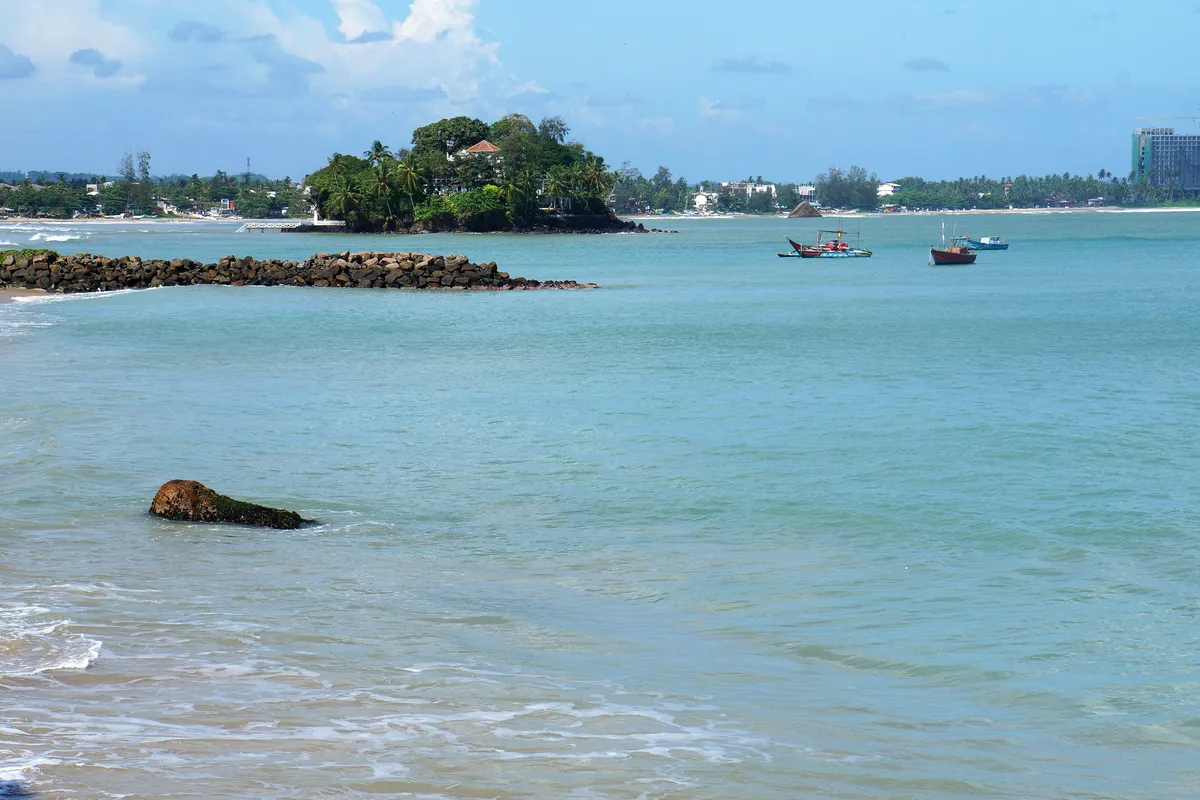
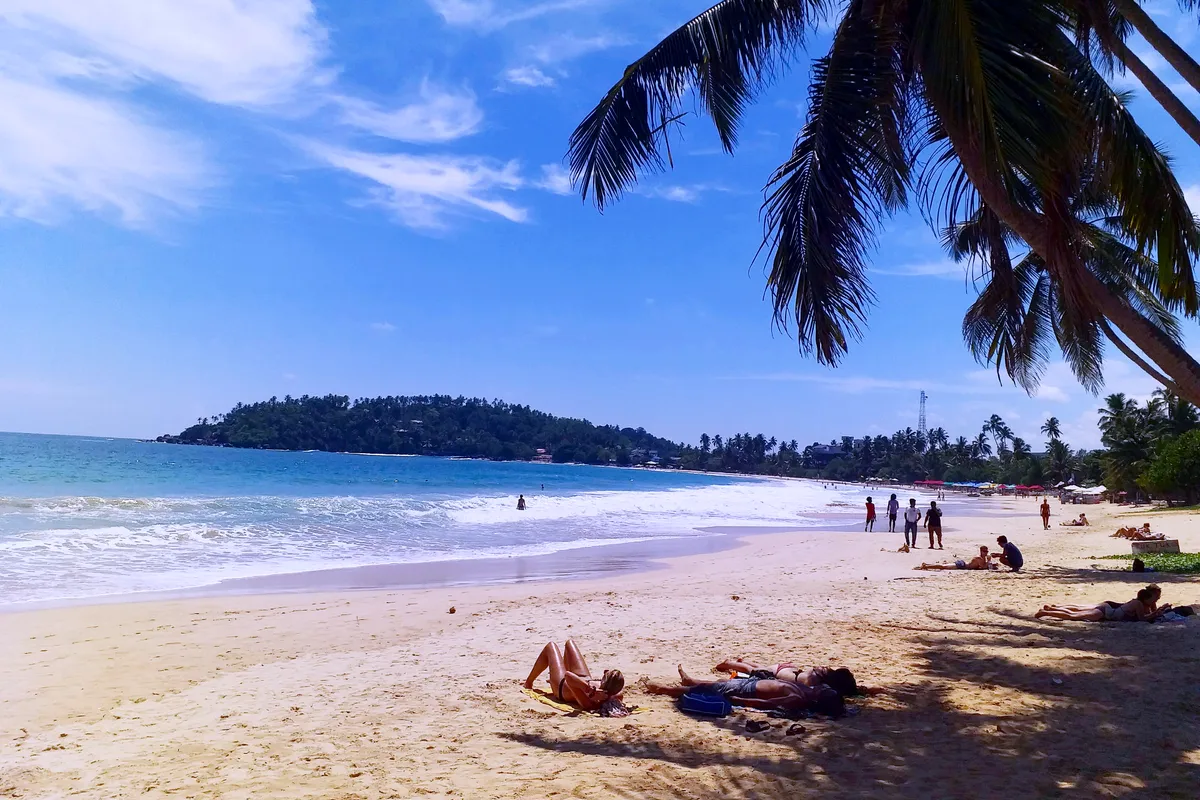
The south coast is Sri Lanka's main surf region from November to April. Weligama's long, sandy bay is one of Asia's most popular places to learn, with gentle waves and many surf schools. Nearby Mirissa has a right-hand reef, while Midigama and Ahangama to the west have a string of reef and point breaks, including Lazy Left, Lazy Right and Ram's, suitable for intermediates and above. The area has a mix of surf camps, boutique hotels and guesthouses.
Hiriketiya and the deep south
Further east along the south coast, Hiriketiya is a small, horseshoe-shaped bay with a gentle beach break and a reef break on its left side. It has become a popular destination for surfers and digital nomads, with cafés and guesthouses tucked into the jungle. The coast towards Tangalle has quieter beaches and a slower pace.
Known for: Hiriketiya, Tangalle
The west coast: Hikkaduwa and Galle
Hikkaduwa, north of Galle, was one of the first surf destinations in Sri Lanka. Its Main Reef and other reef breaks offer waves for intermediates and experienced surfers, and the town has a lively atmosphere with plenty of accommodation and nightlife. Around Galle and Unawatuna, there are more sheltered beaches and occasional reef breaks. The west coast season is similar to the south, from November to April.
Known for: Hikkaduwa, Unawatuna
The east coast: Arugam Bay
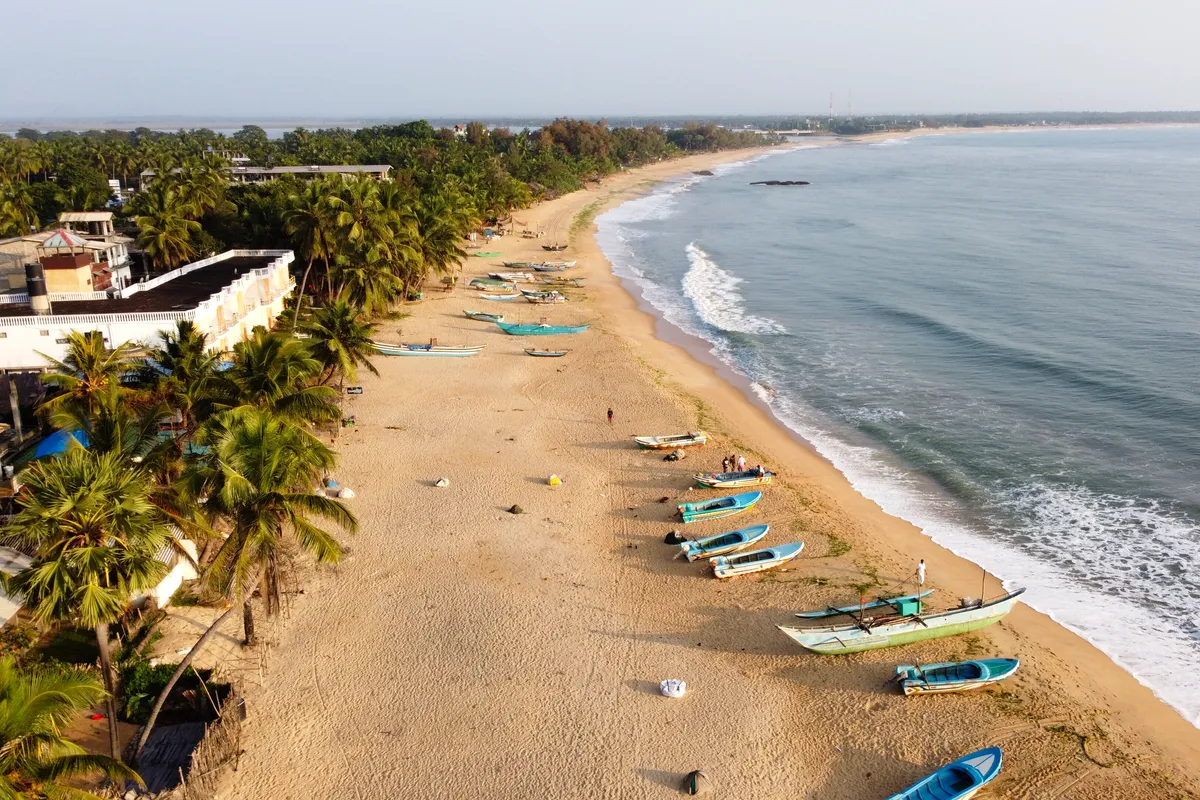
From around April or May to October, Arugam Bay is the centre of Sri Lankan surfing. Its Main Point is a famous right-hand wave, and nearby spots such as Whiskey Point, Pottuvil Point, Peanut Farm and Elephant Rock offer options for every level. The village is relaxed and close to wildlife-rich national parks. It is busiest in July and August.
Known for: Arugam Bay, Whiskey Point, Pottuvil Point, Peanut Farm, Elephant Rock
Learning to surf in Sri Lanka
Sri Lanka is one of the best places in the world to learn to surf. On the south coast, Weligama Bay offers soft, sandy waves and dozens of surf schools and camps. Hiriketiya's beach break is another good option. On the east coast, beginners usually learn at Baby Point inside Arugam Bay's Main Point or at Whiskey Point.
Surf camps typically include accommodation, meals, lessons, equipment and transport, often with yoga and video analysis. When choosing a camp, consider group size, instructor qualifications and how many lessons are included. Ask whether the camp offers guided sessions at reef breaks once you progress.
Because the two coasts have opposite seasons, you can plan a learning trip at almost any time of year. Choose the south coast from November to April and the east coast from May to September.
Surfing in Sri Lanka: questions
When is the best time to surf in Sri Lanka?
It depends on the coast. The south and west coasts are best from November to April, during the north-east monsoon. The east coast, including Arugam Bay, is best from around May to September, during the south-west monsoon.
Is Sri Lanka good for beginners?
Yes. Weligama Bay on the south coast is one of Asia's most popular places to learn, and there are beginner spots near Arugam Bay on the east coast. The water is warm, and surf camps are widely available.
Do I need a wetsuit in Sri Lanka?
No. The water is warm all year. A rash vest or surf top is useful for sun protection.
Can I surf both coasts on one trip?
During the transition months of April and October to November, you may find waves on both coasts, but conditions can be mixed. Most surfers focus on the coast that is in season.
How do I get from Colombo to the surf?
The south coast is a few hours' drive via the Southern Expressway, or by train. Arugam Bay on the east coast usually takes most of a day by road.
Is Sri Lanka expensive for a surf trip?
It can be good value. Guesthouses, local food and tuk-tuks are generally inexpensive, while boutique surf camps and hotels cost more. Prices rise in peak season.
What is the surf like in Sri Lanka in April and October?
These are transition months between the monsoons. Conditions can be mixed on both coasts, with variable winds and less consistent swell, but they are quieter and often cheaper. April can still be good on the south coast early in the month, and October can bring the first clean days as the south coast season approaches.
Sources & editorial notes
Country context checked against the sources below. Regional summaries are Book & Surf editorial planning suggestions, not forecasts or safety assessments.