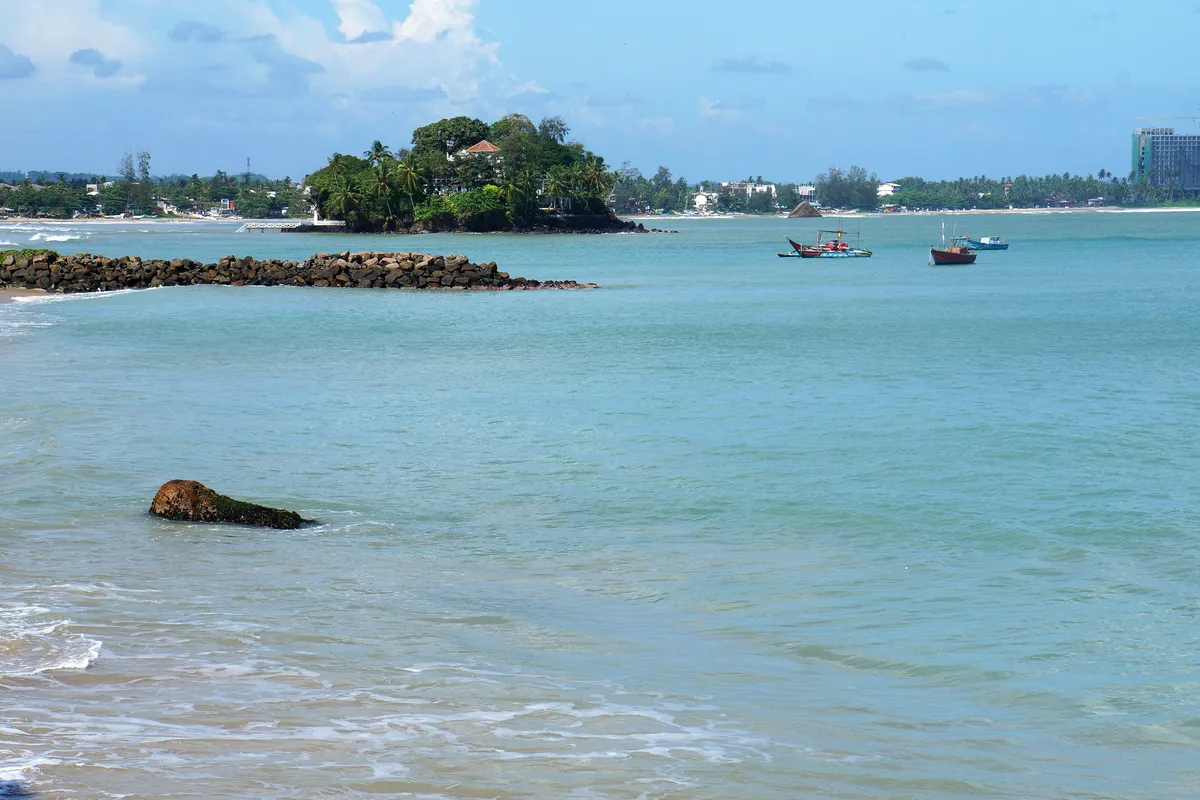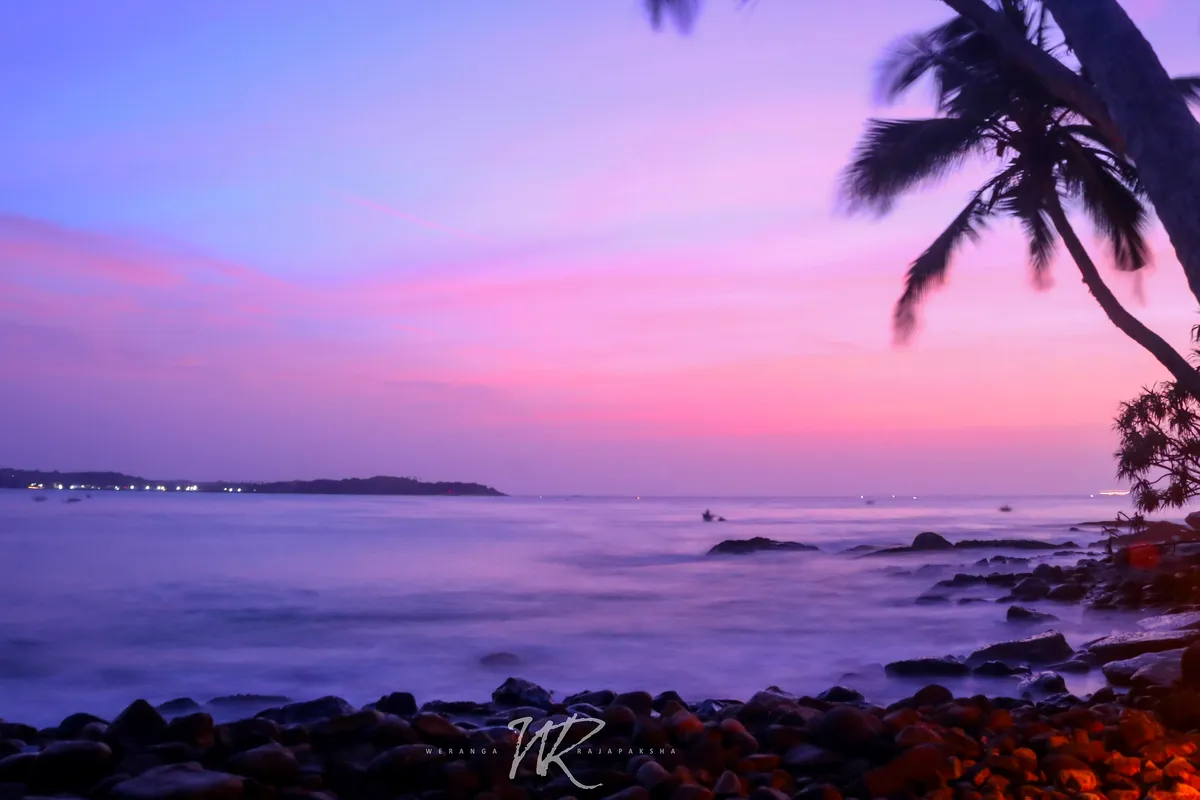
The breaks
Recognised, publicly known surf spots around Hikkaduwa. Suitability depends on the day's swell, wind and tide, so treat the level as a guide, not a guarantee.
| Break | Type | Best for | Notes |
|---|---|---|---|
| Main Reef | Reef break | Intermediate | Left and right over coral in front of town, with the right often the better side. Popular and crowded in peak season. |
| Benny's | Left-hand reef | Advanced | Faster, more powerful left near the harbour, best on bigger swells. Shallow reef. |
| North Jetty | Reef & jetty | Intermediate | Peaks near the harbour that work on different swells. |
| Narigama beach | Beach break | Beginner–Intermediate | Sandy peaks south of Main Reef, used by surf schools. |
Where Sri Lankan surfing began
Hikkaduwa lies on the south-west coast of Sri Lanka, about a hundred kilometres south of Colombo and twenty kilometres north of Galle. In the 1970s, it became a stop on the overland hippie trail, and travelling surfers found waves breaking over its coral reefs. It became Sri Lanka's first surf town, with guesthouses, surf shops and restaurants springing up along the coast road.
Today, Hikkaduwa is a busy beach town, with a long strip of hotels, bars and shops. It is livelier and more developed than quieter surf spots on the south coast, and it attracts a mix of surfers, divers, backpackers and package tourists. The waves remain a big part of its appeal, especially for intermediate surfers.
Main Reef
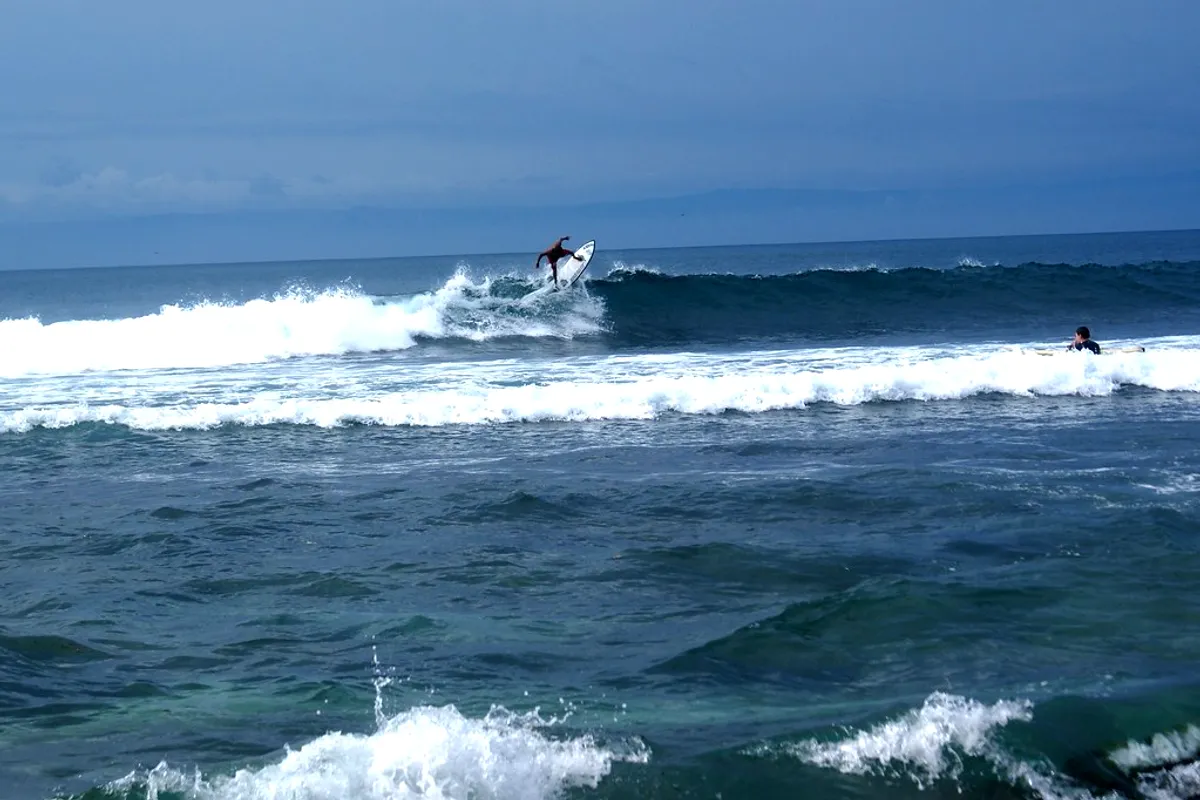
Main Reef, near the centre of town, is Hikkaduwa's best-known wave. It is a reef break with a left and a right, breaking over coral in front of the beach. On a good swell, it produces fun, punchy waves that suit intermediate surfers, with the right often considered the better side. It can be crowded, especially in peak season.
The reef is shallow in places, particularly at low tide, so booties help, and local surfers can advise on the best tide.
Benny's and the north
North of Main Reef, near the harbour, Benny's is a left-hand reef break that is faster and more powerful, regarded as one of the best waves in the area for experienced surfers. It works best on bigger swells and breaks over shallow reef, so it is not for beginners.
The area near the harbour and the north jetty also has other peaks that can work on different swells.
Beach breaks and Narigama
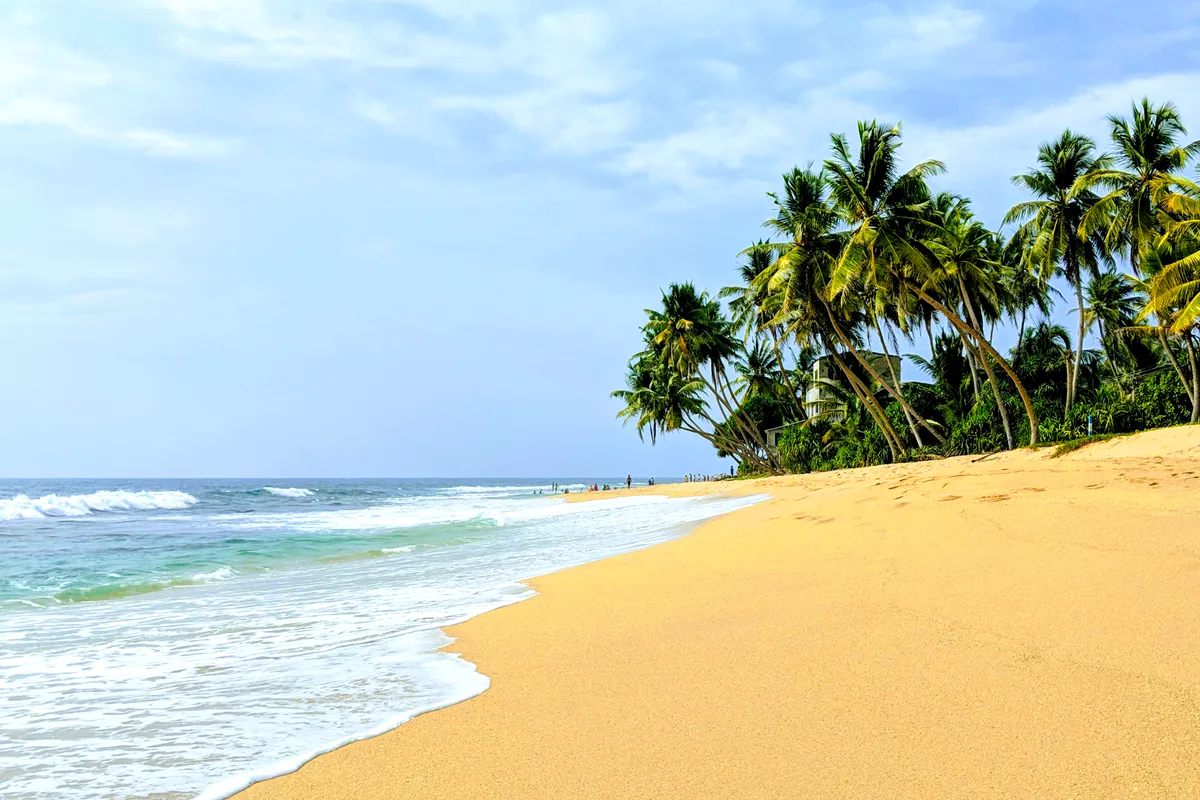
South of the main reef, the beach at Narigama and further along the coast has sandy peaks that are more forgiving and popular with surf schools. These beach breaks suit beginners and improvers, especially on smaller days. Hikkaduwa's surf schools use these beaches for lessons, and boards can be rented along the strip.
The surf season
Hikkaduwa's surf season runs from roughly November to April, during the north-east monsoon, when winds are generally light or offshore on the west and south coasts and swells from the Southern Indian Ocean arrive consistently. December to March is often the peak, with the most reliable conditions.
From May to October, the south-west monsoon brings rain, strong onshore winds and rough seas to the west coast, and most surfers head to Arugam Bay on the east coast instead.
A typical surf day in Hikkaduwa
Most surfers in Hikkaduwa start early, paddling out at Main Reef or the beach breaks at dawn when winds are lightest and the water is glassy. By mid-morning, the sun is hot and the line-up busier, so many head back for breakfast at one of the beachfront cafés. The middle of the day is usually spent resting, snorkelling with turtles or exploring Galle.
In the late afternoon, winds often ease again and many surfers paddle out for a sunset session. Evenings are lively, with restaurants, bars and live music along the beach strip, especially at weekends and during the peak season.
The coral sanctuary and turtles
Hikkaduwa has a coral reef protected as part of a marine national park, the Hikkaduwa National Park, close to the shore. Snorkelling and glass-bottom boat trips let visitors see corals and reef fish, and green sea turtles are often seen feeding near the beach. Feeding turtles, however, can harm them, so watch without touching or feeding.
The reef has suffered from coral bleaching, pollution and the impact of the 2004 tsunami, and conservation efforts continue.
The 2004 tsunami
On 26 December 2004, the Indian Ocean tsunami struck Sri Lanka's coast, causing enormous loss of life and destruction. The Hikkaduwa area was badly hit. Nearby, at Peraliya, a crowded train known as the Queen of the Sea was overwhelmed by the waves, in one of the deadliest rail disasters in history. Memorials along the coast remember those who died.
Hikkaduwa rebuilt in the years that followed, and the tsunami remains an important part of the town's history and memory.
Seafood, curries and the beach strip
Hikkaduwa's beach strip is lined with restaurants serving fresh seafood, from grilled fish and prawns to devilled cuttlefish, alongside Sri Lankan rice and curry, kottu roti and hoppers. Fresh juices and king coconuts are sold everywhere. Prices range from simple local eateries to beachfront restaurants catering to tourists.
Getting there
Bandaranaike International Airport, near Colombo, is about two hours away by road via the Southern Expressway, depending on traffic. Trains run along the coast from Colombo to Hikkaduwa, offering a scenic and inexpensive journey with ocean views. Buses are frequent but can be crowded.
In Hikkaduwa, tuk-tuks are the main way to get around, and the town is spread along the coast road. Scooters are available to rent for experienced riders.
Where to stay in Hikkaduwa
Hikkaduwa has a wide range of accommodation, from simple guesthouses and surf hostels to resort hotels on the beach. Staying near Main Reef puts you close to the waves and nightlife, while Narigama and the southern end of town are a little quieter. Accommodation books up over Christmas and New Year.
What to pack and safety
The water is warm year-round, so a rash vest or surf top is enough. Bring reef booties for Main Reef and Benny's, high-protection reef-safe sunscreen and a hat. A basic first-aid kit for reef cuts is useful.
The coast road is busy, so take care crossing it and when riding tuk-tuks or scooters. In the water, the reefs are shallow at low tide and currents can be strong on bigger days.
Galle Fort and day trips
Galle, about half an hour south, has a UNESCO-listed fort built by the Portuguese and expanded by the Dutch, with ramparts, churches, boutique shops and cafés. Hikkaduwa's surroundings also include turtle hatcheries, Buddhist temples, moonstone mines and lagoon boat trips. The south coast surf spots of Midigama, Weligama and Mirissa are within an hour or so.
Hikkaduwa or the south coast?
Hikkaduwa is livelier and more developed than the south coast spots of Weligama, Midigama and Hiriketiya, with more nightlife, shops and restaurants. Its reef breaks suit intermediate surfers, while Weligama's sandy bay is better for complete beginners. Many surfers combine Hikkaduwa with a few days on the south coast during the same season.
Hikkaduwa surf season month by month
A broad planning picture, not a forecast. Swell, wind and water temperature vary from year to year.
| January | Peak season: consistent swells, light winds and sunny days. Busy with visitors. |
|---|---|
| February | Excellent conditions and warm water. A great month for intermediates. |
| March | Still in season, with good swells and hot weather. |
| April | The end of the season, with good waves early in the month. |
| May | The south-west monsoon begins, bringing rain and onshore winds. Head to Arugam Bay. |
| June | Off-season on the west coast, with rough seas. |
| July | Off-season on the west coast, with strong onshore winds, rain and rough seas. |
| August | Still off-season; the east coast is in season. |
| September | Off-season with mixed conditions; some guesthouses close until the season returns. |
| October | Transition month as the south-west monsoon eases and the first clean days appear. |
| November | The season begins, with cleaner conditions and fewer crowds. |
| December | Peak season begins, with consistent waves and busy holidays. |
Learning to surf in Hikkaduwa
Hikkaduwa has many surf schools that teach beginners on the sandy beach breaks around Narigama and other gentler spots, with Main Reef as a next step once you can catch green waves. Lessons usually include soft-top boards and rash vests.
December to March usually brings the most reliable conditions. Ask schools about group sizes, instructor experience and which spots they use. Complete beginners may also consider Weligama's sandy bay on the south coast.
Comparing options across the country? Read our guide to surfing in Sri Lanka.
Seasonal notes on this page describe typical patterns, not the conditions on a given day. Use the local forecast, lifeguard advice and a qualified instructor for water-safety decisions, and get a written breakdown of what any surf package includes before paying.
Hikkaduwa surf trip questions
When is the best time to surf Hikkaduwa?
November to April, with December to March usually the most consistent.
Is Hikkaduwa good for beginners?
Yes, on the sandy beach breaks around Narigama. Main Reef suits intermediates and Benny's is for experienced surfers.
How do I get to Hikkaduwa from Colombo?
By car via the Southern Expressway, about two hours, or by the scenic coastal train.
Can I see turtles in Hikkaduwa?
Yes. Green sea turtles often feed near the beach. Watch without touching or feeding them.
Do I need a wetsuit in Hikkaduwa?
No. The water is warm year-round. A rash vest and reef booties are useful.
Hikkaduwa or Weligama?
Hikkaduwa is livelier, with reef breaks for intermediates. Weligama's sandy bay is better for complete beginners. Both are in season from November to April.
Is Hikkaduwa crowded?
In peak season, from December to March, Main Reef can be busy. Early mornings and the beach breaks further south are usually quieter.
What is Benny's in Hikkaduwa?
A fast, powerful left-hand reef break near the harbour, best on bigger swells and suited to experienced surfers.
Sources & editorial notes
Destination context checked against the sources below. Base-selection and itinerary suggestions are Book & Surf editorial recommendations. Seasonal windows are broad planning suggestions, not measured forecasts or guarantees.
- Wikipedia: Hikkaduwa ↗
- Wikipedia: Hikkaduwa National Park ↗
- Wikipedia: 2004 Sri Lanka tsunami-rail disaster ↗
- Wikipedia: Galle Fort ↗
We do not claim to have personally surfed every break. Read our editorial standards.