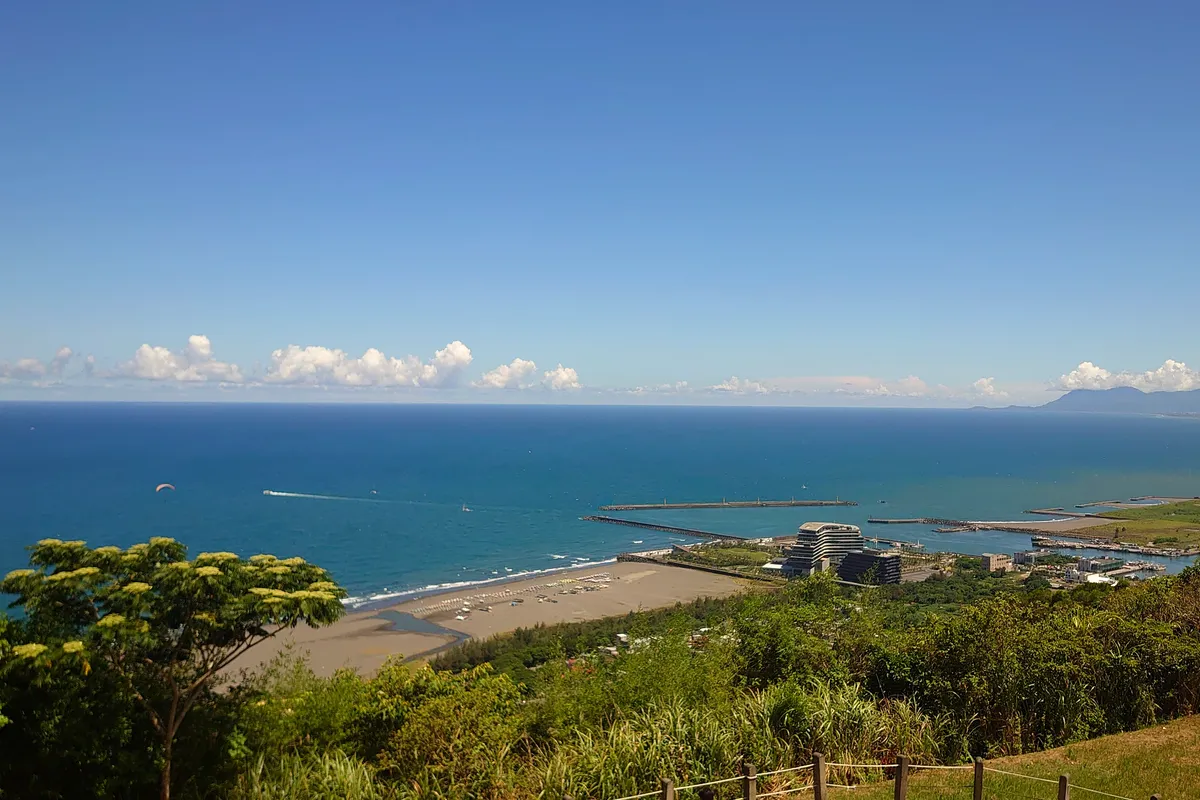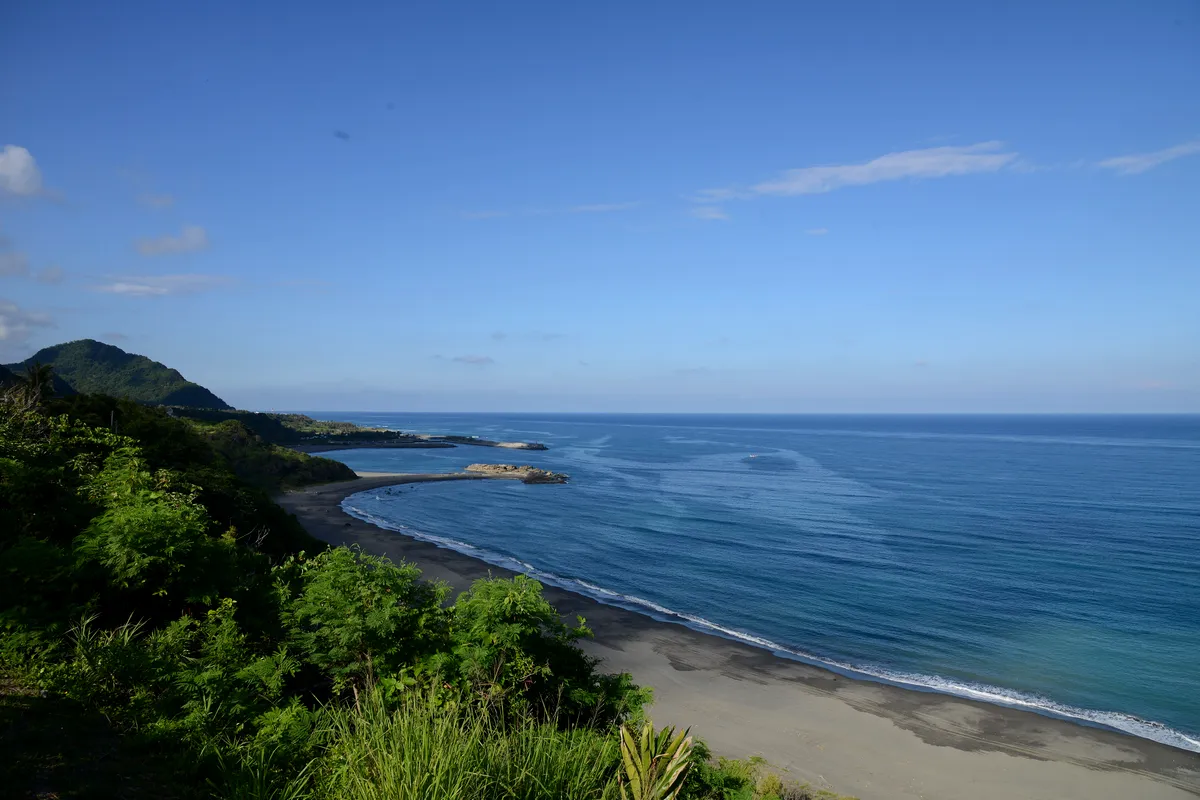
An island surrounded by swell
Taiwan sits off the south-east coast of China, between Japan and the Philippines, with the Pacific Ocean to the east, the Taiwan Strait to the west and the Bashi Channel to the south. Its long east coast faces the open Pacific and receives powerful typhoon swells in summer and autumn, while the north and north-east coasts catch swell generated by the winter north-east monsoon. The southern tip, around Kenting, picks up summer swells from the south-west monsoon and typhoons.
This variety means that, with a little planning, there is surf somewhere in Taiwan for much of the year. The island's dramatic scenery, with mountains rising straight from the sea, makes for spectacular surf trips.
A fast-growing surf scene
Surfing in Taiwan was limited for decades, partly because coastal areas were restricted during the period of martial law, which lasted until 1987. As restrictions eased, a surf community began to grow in the 1990s and 2000s, centred on the north coast near Taipei and the east coast of Yilan, Hualien and Taitung.
Today, surf shops, schools and hostels line popular beaches, and young Taiwanese surfers are increasingly visible in the line-up. The east coast has hosted international professional events, particularly at Jinzun Harbor in Taitung. Surfing's growth has been helped by Taiwan's efficient rail network, which makes it easy to reach the beaches from the cities.
Jinzun and Taitung's east coast
Taitung County, on Taiwan's south-east coast, has some of the island's best and most consistent waves, particularly when typhoon swells arrive from the Pacific. Jinzun Harbor, a small bay with a long left-hand wave, has hosted international professional surfing events, helping to put Taiwan on the global surf map. Nearby, the river mouth at Donghe produces a quality point break on the right swell.
The small town of Dulan, between Taitung city and Jinzun, has become a creative hub, with cafés, galleries, a converted sugar factory that hosts music events and a relaxed community of surfers and artists. The east coast's Indigenous Amis communities add cultural depth, with festivals and traditions tied to the land and sea.
Monsoons and typhoons: when to go
From roughly October to March, the north-east monsoon brings consistent wind swell to the north and north-east coasts, including Wai'ao in Yilan and the beaches near Taipei. The waves are often short-period and the winds can be strong, but there are frequent surfable days. Winter brings cooler weather and water.
From roughly July to October, typhoons forming in the western Pacific can send powerful, long-period swells to the east coast and other exposed beaches. These can produce the best waves of the year, but typhoons also bring dangerous weather. Spring and early summer are often the least consistent times, though the south coast around Kenting can work in summer.
Water temperature and what to wear
Taiwan's water is warm for much of the year. In summer and early autumn, water temperatures reach the high twenties Celsius, and boardshorts or a light top are enough. In winter, the water on the north coast can drop to around 18–20°C, so a 3/2 wetsuit is common. The south and east coasts are generally a little warmer than the north in winter.
Trains to the beach
Taiwan's railway network makes surf travel easy. From Taipei, trains run along the north-east coast to Yilan, with stations near popular surf beaches such as Wai'ao and Fulong. Further south, trains continue to Hualien and Taitung on the east coast. High-speed trains run down the west coast to the south, from where buses and cars reach Kenting.
Many trains have limited space for surfboards, so check the rules or use local rental boards. Scooters and rental cars are popular for exploring the coast, though an international driving permit is required.
Safety and typhoon awareness
Taiwan is generally a very safe country for travellers. The main hazards for surfers are ocean conditions: rip currents, powerful typhoon swells, rocky shores and river mouths. Some beaches have lifeguards in summer, but many do not.
Typhoons are taken seriously in Taiwan, and the Central Weather Administration issues warnings. When a typhoon is approaching, beaches may be closed and surfing can be prohibited. Follow official advice and never surf when a storm is close to land.
Taiwanese surf culture and manners
Taiwanese surf culture is friendly and welcoming. In the line-up, wait your turn, avoid dropping in and respect local surfers, many of whom have learned in recent years and are enthusiastic about sharing their waves. Out of the water, keep beaches clean and follow local rules.
Taiwan has a rich Indigenous heritage, particularly on the east coast, where Amis and other Indigenous communities live along the coast. Visiting cultural sites and festivals with respect adds depth to a trip.
Food, hot springs and night markets
Taiwan is famous for its food, and surf trips are no exception. Night markets serve local specialities such as beef noodle soup, oyster omelettes, scallion pancakes and bubble tea, and coastal towns have fresh seafood. Convenience stores are everywhere and surprisingly good for quick meals.
After a cold winter session, a soak in a hot spring is hard to beat. Jiaoxi, near Wai'ao, is known for its hot springs, and the east coast has many more.
Typhoon season in detail
Typhoons form over the warm waters of the western Pacific, mostly from July to October. As they move, they generate powerful swells that radiate across the ocean. When a typhoon passes far enough east of Taiwan, the east coast can receive several days of clean, long-period swell, producing the best surf of the year at Jinzun, Donghe and Wai'ao.
When a typhoon heads directly for Taiwan, it brings heavy rain, strong winds and dangerous seas. The government issues sea and land typhoon warnings, schools and offices may close and beaches can be shut. Surfers should watch the track as well as the swell, stay out of the water during warnings and remember that the best days often come as a typhoon moves away.
Getting there
Taoyuan International Airport, near Taipei, is the main international gateway, with connections across Asia and to North America, Europe and Oceania. Kaohsiung in the south also has international flights. Domestic flights connect Taipei with Hualien and Taitung.
From Taipei, the north-east coast surf beaches are around an hour or so by train or car, making day trips easy.
Planning a Taiwan surf trip
For a winter trip, base yourself in Yilan around Wai'ao or on the north coast near Taipei, and combine surfing with city life in Taipei. For typhoon season, head to the east coast around Taitung and Hualien, but stay flexible and follow weather warnings. In summer, Kenting in the south offers warm water and beach life. Many visitors combine surfing with Taiwan's mountains, food and culture.
Surf regions of Taiwan
Yilan: Wai'ao and Honeymoon Bay
Yilan County, on the north-east coast, is Taiwan's most popular surf region. Wai'ao has a long black-sand beach with a railway station right by the sand and views of Guishan, or Turtle Island, offshore. Honeymoon Bay, near Daxi, is a smaller bay with beach breaks popular with local surfers. Both work best in the winter monsoon season and on typhoon swells.
Known for: Wai'ao, Honeymoon Bay, Daxi
The north coast near Taipei
Within an hour of Taipei, the north coast has several surf spots, including Fulong Beach, Jinshan's Zhongjiao Bay and Baishawan. These beaches pick up winter monsoon swells and are popular with city surfers at weekends.
Known for: Fulong, Zhongjiao Bay, Baishawan
Hualien
Hualien, on the east coast, has a rugged coastline backed by mountains, with beach breaks and river mouths that work on typhoon swells. The nearby Taroko Gorge, one of Taiwan's most famous natural sights, makes Hualien a popular destination.
Known for: Hualien coast
Taitung: Donghe and Jinzun
Taitung County, on the south-east coast, has some of Taiwan's best waves, particularly on typhoon swells. Jinzun Harbor has hosted international surf competitions, and the river mouth at Donghe is a well-known point break. Dulan, a small town with a creative, laid-back atmosphere, is a popular base.
Known for: Jinzun, Donghe, Dulan
Kenting and the south
Kenting, at Taiwan's southern tip, is a tropical beach resort area within Kenting National Park. Beaches such as Nanwan and Jialeshui pick up summer swells and typhoon swells, and the area has warm water, surf schools and a busy summer scene.
Known for: Nanwan, Jialeshui
The west coast and outlying islands
Taiwan's west coast, facing the Taiwan Strait, receives less consistent swell, though some beaches work in winter. Outlying islands such as Penghu are better known for windsurfing than surfing, thanks to strong winter winds.
Known for: Penghu
Learning to surf in Taiwan
Taiwan is a good place to learn, with surf schools at Wai'ao, Fulong, Kenting and on the east coast. Wai'ao's long beach and easy train access make it especially popular with beginners from Taipei. Lessons usually include soft-top boards and, in winter, wetsuits.
Summer often brings smaller, gentler waves on the north coast, while winter monsoon swells can be choppy. Ask schools about group size, instructor qualifications and English-language lessons, which are increasingly common.
Surfing in Taiwan: questions
When is the best time to surf in Taiwan?
From October to March, the winter monsoon brings consistent swell to the north and north-east coasts. From July to October, typhoons can bring powerful swells, especially to the east coast.
Can you surf near Taipei?
Yes. The north coast, including Fulong and Jinshan, and Wai'ao in Yilan are within about an hour or so of Taipei by train or car.
Is Taiwan good for beginners?
Yes. Wai'ao, Fulong and Kenting have surf schools and gentler days suitable for beginners.
Do I need a wetsuit in Taiwan?
In winter on the north coast, a 3/2 wetsuit is common. In summer, boardshorts or a light top are enough.
Is it safe to surf during typhoons in Taiwan?
No. Typhoon swells far offshore can be good, but storms close to land are dangerous, and beaches may be closed. Follow official warnings.
Can I take a surfboard on Taiwanese trains?
Some trains allow boards with restrictions. Check the rules, or rent a board at the beach to avoid problems.
Is Taiwan safe for travellers?
Taiwan is generally considered very safe. Ocean conditions and typhoons are the main hazards for surfers.
Where is the best surf in Taiwan?
Taitung's Jinzun and Donghe can be excellent on typhoon swells, while Wai'ao in Yilan is the most popular and accessible surf beach.
What is Jinzun Harbor?
A bay on Taitung's east coast with a long left-hand wave that has hosted international surfing competitions, especially good on typhoon swells.
What else is there to do in Taiwan between sessions?
Explore Taipei's night markets and temples, hike in Taroko Gorge near Hualien, soak in hot springs at Jiaoxi or Beitou and sample the island's famous street food.
Sources & editorial notes
Country context checked against the sources below. Regional summaries are Book & Surf editorial planning suggestions, not forecasts or safety assessments.