The breaks
Recognised, publicly known surf spots around Wai'ao. Suitability depends on the day's swell, wind and tide, so treat the level as a guide, not a guarantee.
| Break | Type | Best for | Notes |
|---|---|---|---|
| Wai'ao beach (station) | Beach break | Beginner–Intermediate | The busiest section near the railway station, with surf schools and rental stalls. Crowded at weekends. |
| Wai'ao beach (north and south) | Beach break | Intermediate | Quieter sections along the long black-sand beach, with shifting sandbanks and fewer people. |
| Honeymoon Bay | Beach break | Beginner–Intermediate | Smaller enclosed bay near Daxi fishing harbour, popular with locals and a good alternative on busy days. |
| Fulong | Beach break | Beginner–Intermediate | Golden-sand beach on the north coast, reachable by train, with winter monsoon swells. |
Taiwan's most accessible surf beach
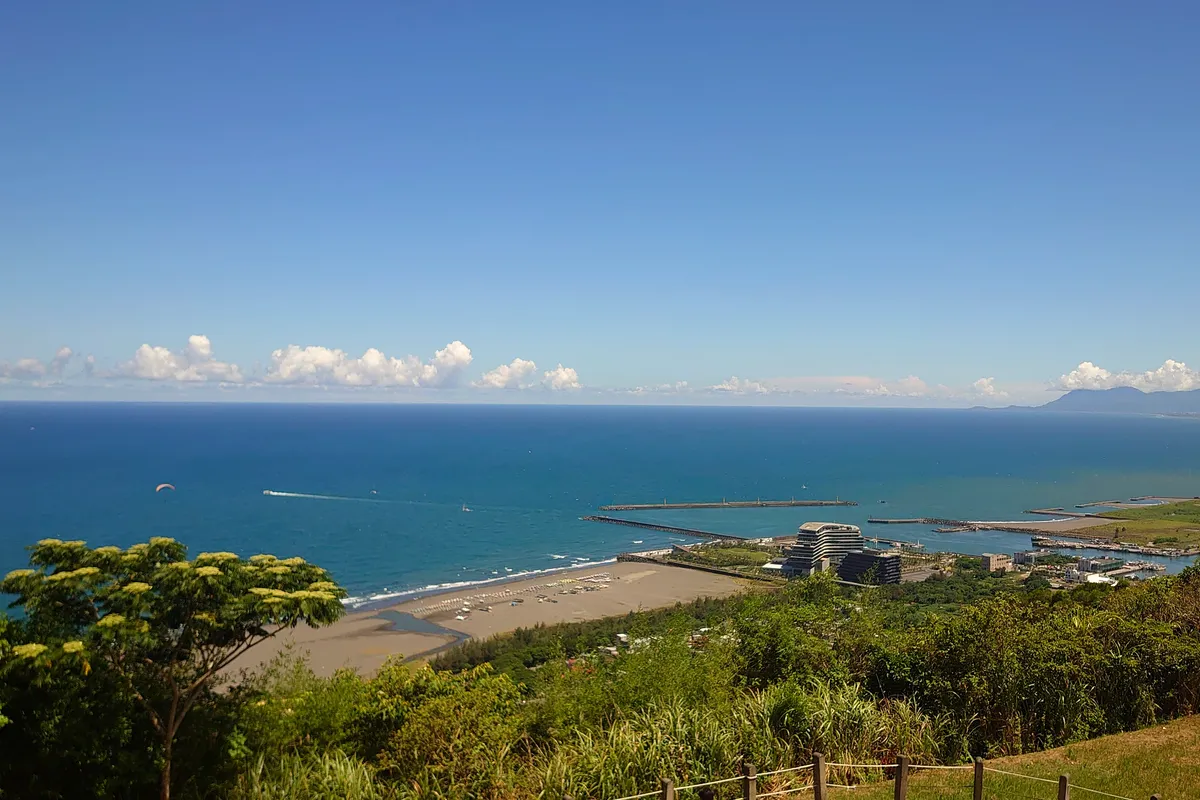
Wai'ao sits in Toucheng Township, Yilan County, on the north-east coast of Taiwan. Its long, gently curving beach of dark volcanic sand faces east towards Guishan, or Turtle Island, an active volcanic island whose shape resembles a turtle swimming offshore. The coastal railway runs right alongside the beach, and Wai'ao station is only a short walk from the sand, which makes it possible to travel from Taipei to the surf without a car.
The beach is lined with surf shops, hostels, cafés and rental stalls, especially around the station, and on weekends it fills with surfers from Taipei. During the week, it is much quieter, and the backdrop of green mountains and Turtle Island makes it a beautiful place to surf.
The waves at Wai'ao
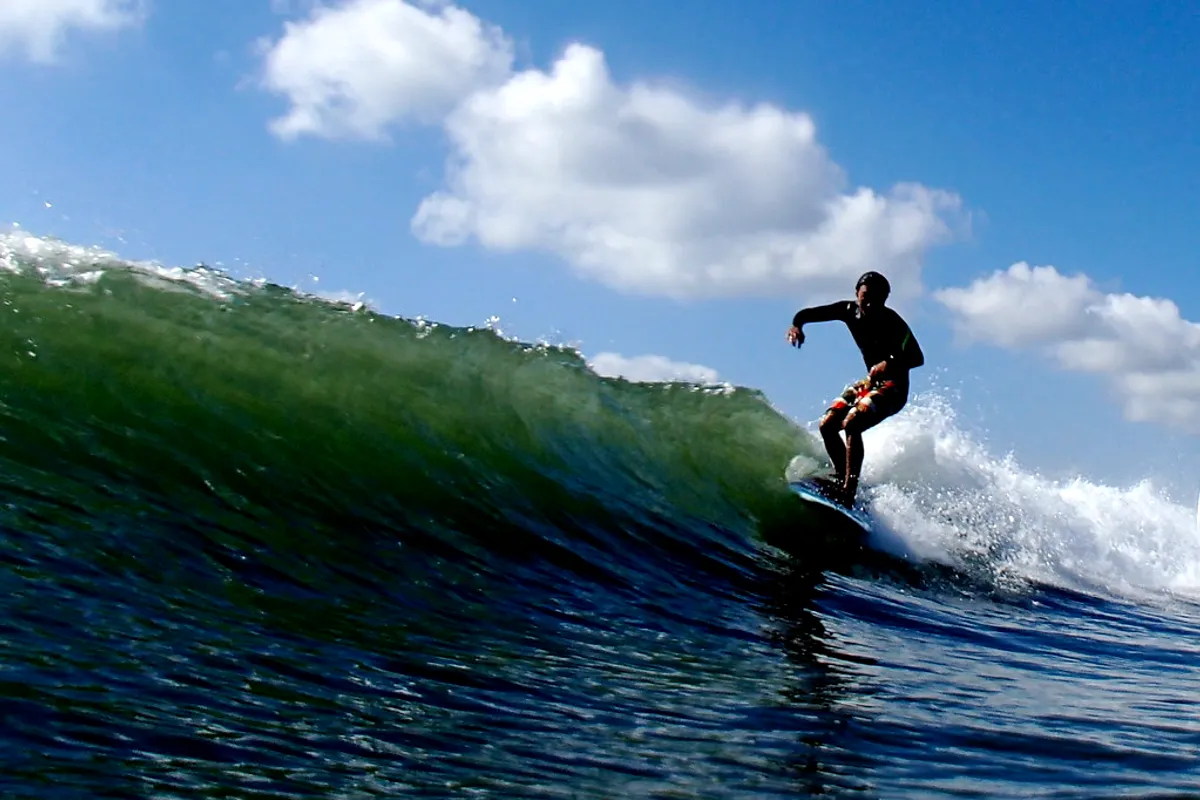
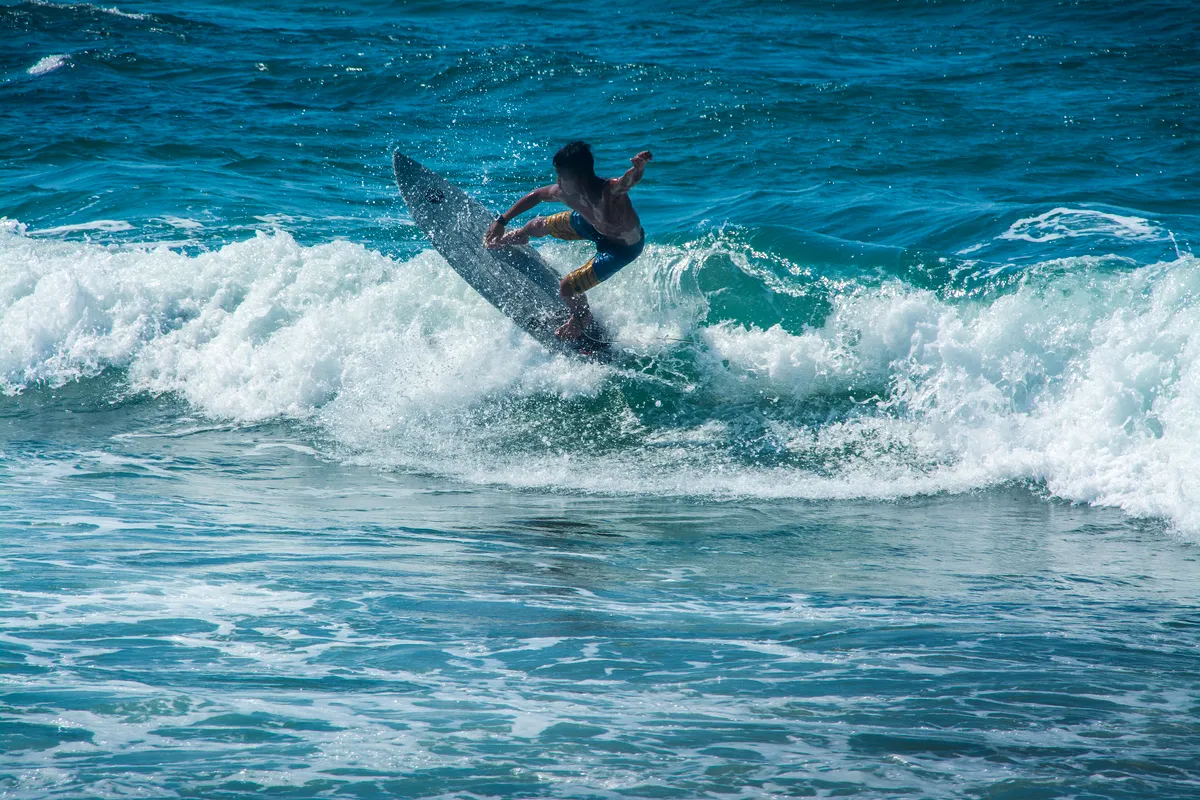
Wai'ao is a beach break with peaks spread along several kilometres of sand. Sandbanks shift with storms, so the best peaks change over time. On small to medium days, the waves are relatively forgiving and suit beginners and improvers; on bigger swells, they can become powerful, with steep take-offs and strong currents.
Because the beach is long, surfers can usually find space by walking away from the busy area near the station. Local surf shops can advise on which sections are working on a given day.
Honeymoon Bay and the Yilan coast
A short drive north, Honeymoon Bay, near the fishing village of Daxi, is a smaller, more enclosed bay with beach breaks that are popular with local surfers. It can be a good alternative when Wai'ao is crowded or the wind is wrong. Daxi's fishing harbour has a busy morning fish market and seafood restaurants.
Further north along the coast, other beaches and river mouths pick up swell on the right days, and the north coast beaches near Taipei, such as Fulong, are within reach by train.
Monsoon swells and typhoon season
Wai'ao's main surf season runs from roughly October to March, when the north-east monsoon brings consistent wind swell to the coast. The waves are often short-period, and strong winds can make conditions choppy, but there are many surfable days, especially early in the morning or when the wind eases.
From roughly July to October, typhoons passing offshore can send powerful, long-period swells, producing some of the best and biggest waves of the year. Typhoons close to land bring dangerous conditions, and beaches may be closed. Spring and early summer are often small.
Turtle Island
Guishan Island, about ten kilometres offshore, is an active volcanic island and one of Yilan's most famous landmarks. Its silhouette dominates the view from Wai'ao. Boat tours from nearby harbours visit the island, where visitors can see volcanic features and, in some months, climb to a viewpoint, and many tours combine the trip with whale and dolphin watching in the surrounding waters. Visitor numbers are limited and permits are required, so book in advance.
Getting there from Taipei
Trains on the north-east coast line run from Taipei to Wai'ao station, taking around an hour to an hour and a half depending on the service. Some trains have space for surfboards with restrictions; many visitors rent boards at Wai'ao instead. By car or bus, the journey through the Hsuehshan Tunnel takes a similar time, depending on traffic.
Once at Wai'ao, the beach and most surf shops are within walking distance of the station.
Where to stay in Wai'ao
Wai'ao has surf hostels, guesthouses and small hotels near the beach, many offering board storage and rental. Staying overnight lets you surf early, before the crowds and the wind. Toucheng town, a short distance away, has more accommodation and restaurants, and Jiaoxi, known for its hot springs, is a popular place to stay and relax after surfing.
Weekends are busy with visitors from Taipei, so book ahead if you plan to stay on a Friday or Saturday night.
Wetsuits and water temperature
In winter, the water at Wai'ao can drop to around 18–20°C, and with strong monsoon winds it can feel colder, so a 3/2 wetsuit is common. In summer and early autumn, the water is warm, often in the high twenties, and boardshorts or a light top are enough. Surf shops rent wetsuits as well as boards.
Safety on the beach
Wai'ao can have strong rip currents, particularly on bigger days, and the shore break can be steep. Some sections have lifeguards in summer, but not year-round. Surf within your ability, watch the water before paddling out and ask local shops about conditions.
During typhoon warnings, follow official advice from Taiwan's Central Weather Administration and stay out of the water when storms are close.
Hot springs, seafood and day trips
After a session, Jiaoxi's hot springs, about twenty minutes away, offer public foot baths and private spa pools. Daxi's fish market and the seafood restaurants along the coast serve fresh catches. Yilan's night markets, the Lanyang Museum, an architecturally striking museum on the coast near Wai'ao, and the mountain trails inland are good flat-day options.
Taipei, with its night markets, temples and Taipei 101 tower, is easily combined with a few days at Wai'ao.
Line-up etiquette and the local scene
Wai'ao's surf community includes many Taiwanese surfers who have taken up the sport in recent years, as well as expats and visitors. The atmosphere is generally friendly, but etiquette still matters, especially on crowded weekends. Wait your turn, avoid dropping in and give learners space. Keep the beach clean and follow local rules about parking and surfing areas.
Wai'ao surf season month by month
A broad planning picture, not a forecast. Swell, wind and water temperature vary from year to year.
| January | Winter monsoon swells and cool water (around 18–20°C). Windy, but plenty of surfable days; a 3/2 wetsuit. |
|---|---|
| February | Consistent monsoon swell and cool, often grey weather. Quiet on weekdays. |
| March | Monsoon swells continue but start to ease late in the month. |
| April | Smaller, less consistent waves and warming weather. |
| May | Often small; the plum rain season can bring wet days. |
| June | Summer begins, with warm water and mostly small waves. |
| July | Typhoon season starts. A passing storm can bring powerful swell; follow warnings. |
| August | Warm water and typhoon swells possible. Busy summer weekends. |
| September | Often a good month, with typhoon swells and still-warm water. |
| October | Late typhoons and the start of the north-east monsoon. Consistent surf. |
| November | Monsoon swells settle in, with cooling water and fewer visitors. |
| December | Consistent winter swells and cool water. Strong winds on some days. |
Learning to surf at Wai'ao
Wai'ao is one of the most popular places in Taiwan to learn to surf. Several surf schools operate near the station, offering group and private lessons with soft-top boards and wetsuits, and some instructors speak English. The long beach gives instructors space to find suitable peaks.
Smaller days in late spring, summer and early autumn are often best for complete beginners, while winter monsoon swells can be choppy and windy. Weekday lessons are less crowded. Ask about group size and instructor qualifications.
Comparing options across the country? Read our guide to surfing in Taiwan.
Seasonal notes on this page describe typical patterns, not the conditions on a given day. Use the local forecast, lifeguard advice and a qualified instructor for water-safety decisions, and get a written breakdown of what any surf package includes before paying.
Wai'ao surf trip questions
How do I get to Wai'ao from Taipei?
By train on the north-east coast line to Wai'ao station, around an hour to an hour and a half, or by car or bus through the Hsuehshan Tunnel.
When is the best time to surf Wai'ao?
October to March brings consistent monsoon swell, while typhoon season, from about July to October, can bring powerful swells.
Is Wai'ao good for beginners?
Yes. Its long sandy beach and many surf schools make it Taiwan's most popular learning spot, especially on smaller days.
What wetsuit do I need at Wai'ao?
A 3/2 wetsuit in winter and boardshorts or a light top in summer.
Can I rent a surfboard at Wai'ao?
Yes. Many surf shops near the station rent boards and wetsuits.
What is Turtle Island?
Guishan Island, an active volcanic island offshore from Wai'ao. Boat tours visit the island and the surrounding waters, often with whale and dolphin watching.
Is Wai'ao crowded?
It can be very busy at weekends with surfers from Taipei. Weekdays and the quieter ends of the beach have far fewer people.
What else is there to do near Wai'ao?
Soak in the hot springs at Jiaoxi, visit the Lanyang Museum on the coast, take a boat trip to Turtle Island or explore Yilan's night markets and Daxi's fish market.
Are there lifeguards at Wai'ao?
Some sections may have lifeguards in summer, but not year-round. Surf within your ability and watch for rip currents.
Is Wai'ao good in summer?
Summer is often small, which suits beginners, but typhoons from July to October can bring powerful swells. Check forecasts and warnings.
Sources & editorial notes
Destination context checked against the sources below. Base-selection and itinerary suggestions are Book & Surf editorial recommendations. Seasonal windows are broad planning suggestions, not measured forecasts or guarantees.
- Wikipedia: Toucheng ↗
- Wikipedia: Guishan Island (Yilan) ↗
- Wikipedia: Jiaoxi ↗
- Central Weather Administration (Taiwan) ↗
We do not claim to have personally surfed every break. Read our editorial standards.