The breaks
Recognised, publicly known surf spots around Ichinomiya. Suitability depends on the day's swell, wind and tide, so treat the level as a guide, not a guarantee.
| Break | Type | Best for | Notes |
|---|---|---|---|
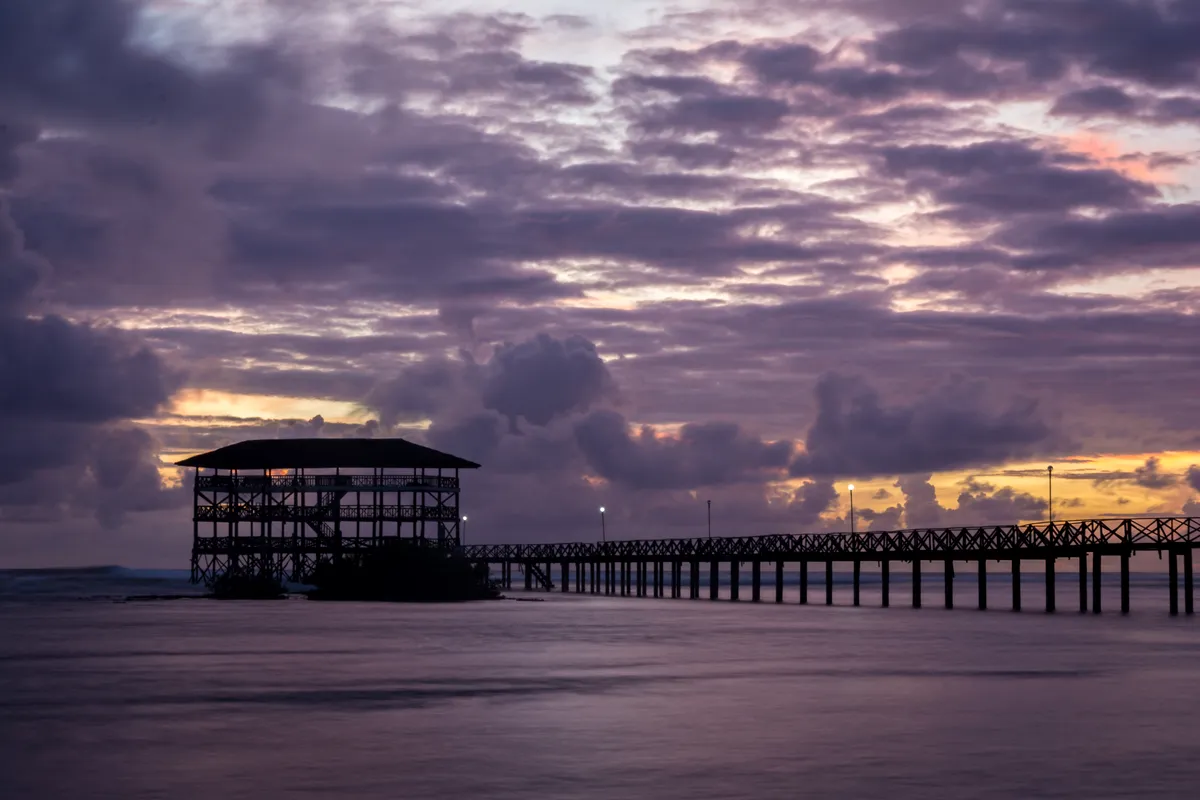
| Tsurigasaki | Beach break | Intermediate–Advanced | The 2020 Olympic surf venue and Ichinomiya's best-known beach, with jetty-shaped peaks. Crowded on weekends. |
| Shidashita | Beach break | Beginner–Intermediate | Peaks a short distance from Tsurigasaki that can be slightly less crowded. |
| Taito | Beach & point | Intermediate | Beach breaks and a rocky point to the south that work in different swell directions. |
| Kujukuri Beach | Beach break | Beginner–Intermediate | Around sixty kilometres of sand north of Ichinomiya, with many peaks and fewer people further north. |
The Olympic beach
When surfing made its debut at the Olympic Games, the competition was held at Tsurigasaki Beach in Ichinomiya. Because of the pandemic, the Tokyo Games took place in 2021, and the surfers competed in waves boosted by an approaching tropical storm. Brazil's Italo Ferreira won the first men's gold medal and the United States' Carissa Moore the first women's gold, while Japan's Kanoa Igarashi took silver on home soil.
The Olympics confirmed what Japanese surfers already knew: Ichinomiya is one of the country's most consistent surf spots. Today, a monument near the beach marks the event, and the town has embraced its identity as a surf destination, with surf shops, cafés and accommodation along the coast road.
Kujukuri, a coastline of beach breaks
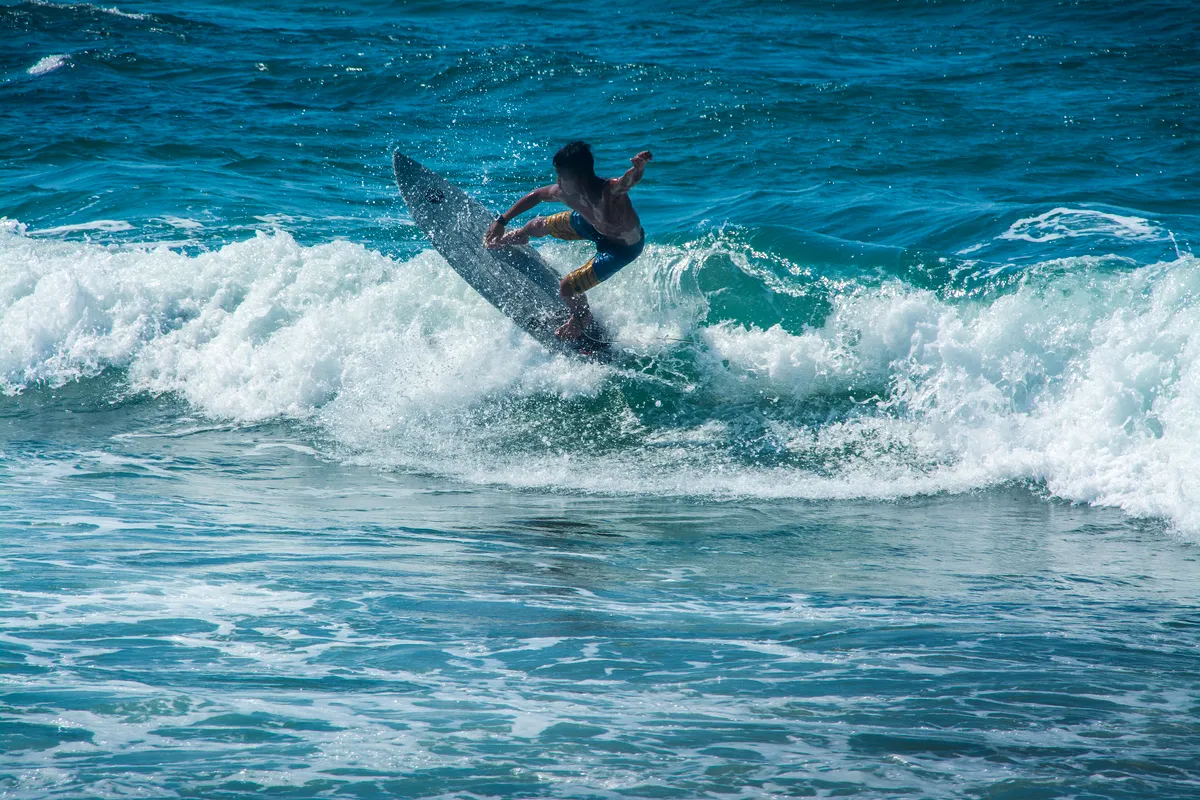
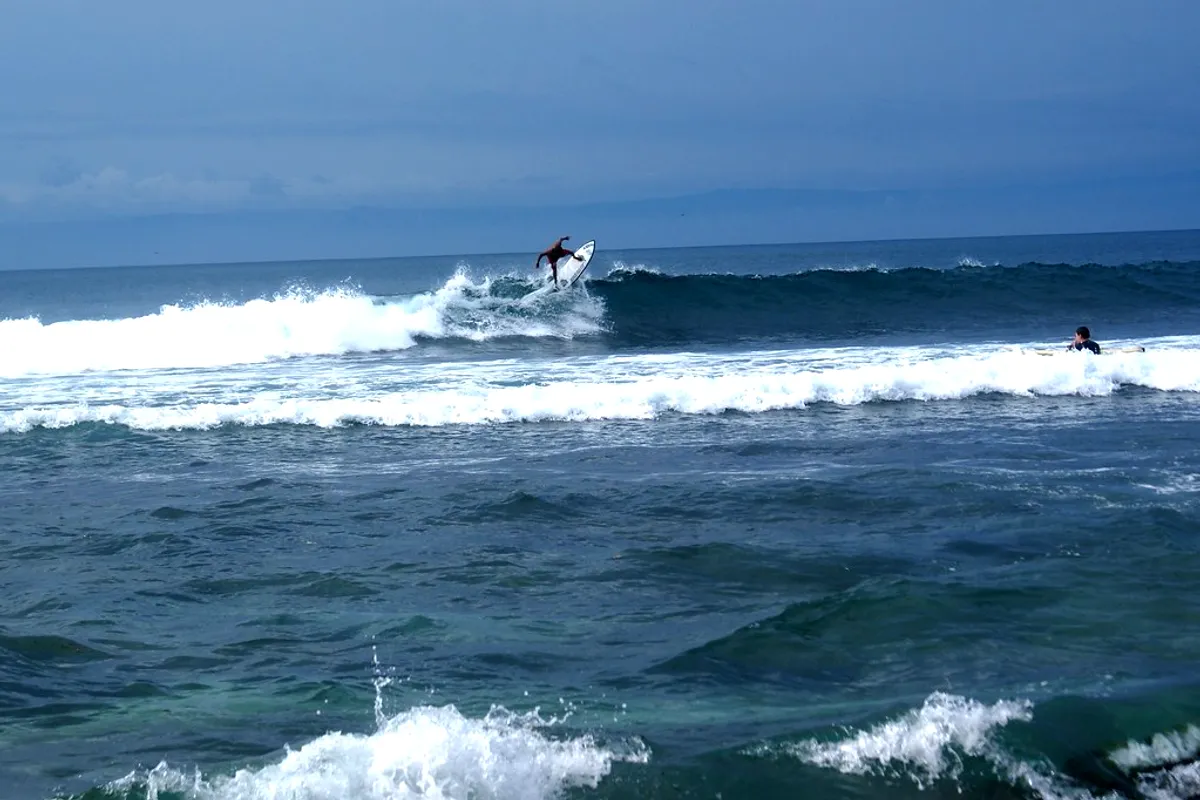
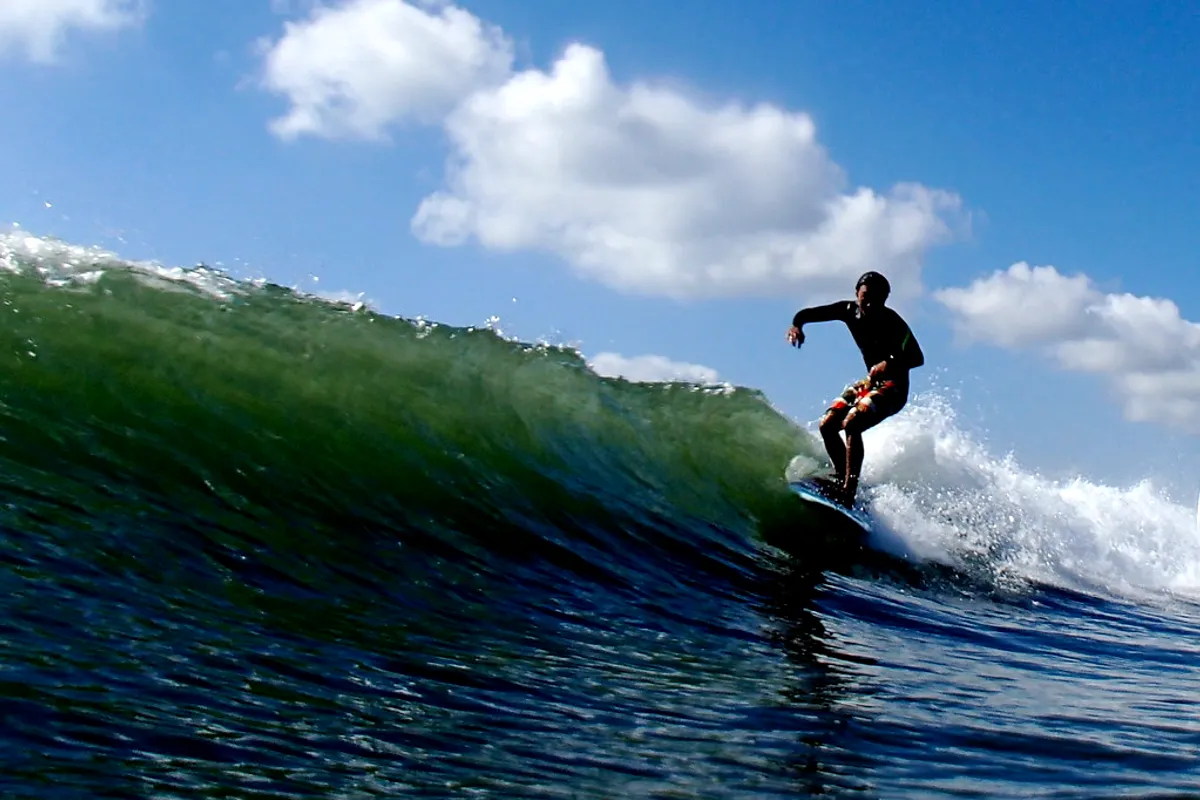
Ichinomiya lies at the southern end of Kujukuri Beach, a gently curving stretch of sand that runs for around sixty kilometres along Chiba's coast. The beach faces east into the Pacific, catching swell from typhoons, low-pressure systems and winter storms. Along its length, jetties and groynes, built to protect the coast, help shape sandbanks and create peaks.
In Ichinomiya, the main surf areas include Tsurigasaki, Shidashita and Taito, each with its own peaks and character. Because the coast is long, surfers can usually find somewhere with suitable waves and fewer people by driving a little further north.
Tsurigasaki, Shidashita and Taito
Tsurigasaki is the best-known beach in Ichinomiya and often the most consistent, with beach-break peaks shaped by nearby jetties. It is popular with intermediate and advanced surfers and can be crowded on weekends.
Shidashita, a short distance away, offers more peaks and can be slightly less crowded. Taito, to the south, has beach breaks and a rocky point area, and it can work in different swell directions. Local surf shops can advise on which beach is working on a given day.
Typhoon season and winter swells
The best surf usually arrives during typhoon season, from roughly August to October, when storms passing offshore in the Pacific send powerful, clean swells. On those days, the beaches can produce excellent waves, but conditions can also become dangerous, so follow local advice and weather warnings from the Japan Meteorological Agency.
Winter, from roughly November to March, brings swell from low-pressure systems and north-easterly winds, with cold water and fewer surfers. Spring and early summer can be inconsistent, with the rainy season in June and July.
Typhoon days: when to go and when to stay away
Typhoon season is both the best and the most hazardous time to surf Ichinomiya. When a typhoon tracks far offshore in the Pacific, the coast can receive several days of powerful, long-period swell with clean conditions, and surfers from across the Kanto region converge on Chiba. When a typhoon tracks close to the coast, however, it brings dangerous winds, rain and storm surf, and beaches may be closed.
The Japan Meteorological Agency publishes typhoon tracks and warnings in English. Watch the track, not just the swell forecast, and listen to local surf shops and lifeguards. The best days often come as a typhoon moves away, when the swell is still strong but the wind has eased.
Weekend crowds and line-up etiquette
Ichinomiya is the closest major surf spot to Tokyo, and on weekends and holidays it can be very crowded, with surfers arriving early in the morning. Weekdays are much quieter.
Japanese line-ups are generally orderly and respectful. Wait your turn, avoid dropping in and give way to local surfers. In summer, some beaches have designated swimming areas where surfing is not allowed. Keep car parks and beaches clean and follow parking rules, as surf tourism has brought challenges for local residents.
Wetsuits through the year
Water temperatures in Ichinomiya range from the mid-teens Celsius in winter to the mid-twenties in late summer. A 3/2 or 4/3 wetsuit is common in winter, sometimes with boots, a spring suit in early summer and boardshorts or a light top in August and September. Surf shops in town rent and sell wetsuits.
Surf shops, rentals and local services
Ichinomiya and the neighbouring towns along the coast have dozens of surf shops, many of which rent boards and wetsuits, sell surf gear and offer lessons. Staff can be a valuable source of local knowledge on which beaches are working and on parking rules. Some shops offer showers and lockers, useful for day-trippers from Tokyo.
Convenience stores, cafés and restaurants serve the surf community, and many places have English menus or staff who speak some English, though learning a few Japanese phrases is appreciated. Cash is still widely used, so carry some yen.
From Tokyo by car or train
Ichinomiya is about one and a half hours from central Tokyo by car, depending on traffic, via expressways through Chiba. Trains on the JR Sotobo Line run to Kazusa-Ichinomiya station, from where the beaches are a short taxi or bicycle ride away. Carrying a surfboard on trains can be difficult at busy times.
Narita and Haneda airports are both within reach, making it possible to surf Ichinomiya on a short trip to Tokyo. A rental car gives the most flexibility to explore the Kujukuri coast.
Surf shops, guesthouses and the coast road
Ichinomiya has surf shops, cafés, restaurants and guesthouses along the coast road, catering to visiting surfers. Some guesthouses offer board storage and showers. Many Tokyo surfers make day trips, but staying overnight allows you to surf early and avoid traffic.
Tamasaki Shrine, one of the oldest shrines in the region, is in the town, and the nearby countryside has rice fields and quiet villages.
Combining surf with Tokyo
One of Ichinomiya's great advantages is its proximity to Tokyo. A typical trip might combine a few days of surfing with time in the city, exploring neighbourhoods such as Shibuya, Asakusa and Shinjuku, or day trips to Kamakura and Shonan. In Chiba, the Boso Peninsula to the south has hot springs, fishing towns and hiking.
Ichinomiya surf season month by month
A broad planning picture, not a forecast. Swell, wind and water temperature vary from year to year.
| January | Winter swells from low-pressure systems, cold water and quiet beaches. A 4/3 with boots. |
|---|---|
| February | Still cold, with occasional good swells and few surfers. |
| March | Late-winter swells and the first signs of spring. Water at its coldest. |
| April | Spring brings milder weather and inconsistent swells. |
| May | Warming water and smaller waves. Good for beginners. |
| June | The rainy season begins, with inconsistent surf and humid weather. |
| July | Summer arrives with warm water, crowded beaches and designated swimming areas. |
| August | Typhoon season begins, with the chance of powerful swells and the warmest water. |
| September | Often the best month, with typhoon swells and warm water. Follow weather warnings. |
| October | Late typhoon swells and cooling water. Excellent conditions on good days. |
| November | Autumn swells and cooler weather. Fewer crowds. |
| December | Winter swells, cold water and quiet line-ups. |
Learning to surf in Ichinomiya
Ichinomiya has several surf schools that teach beginners on the gentler beaches and peaks, often providing wetsuits and soft-top boards. Some offer lessons in English. Summer and early autumn offer warm water, though typhoon swells can make conditions too powerful for lessons, and schools choose days carefully.
Weekday lessons are less crowded. Ask schools about group size, instructor experience and which beaches they use. Shonan, south-west of Tokyo, is another good option for beginners, with gentler waves.
Comparing options across the country? Read our guide to surfing in Japan.
Seasonal notes on this page describe typical patterns, not the conditions on a given day. Use the local forecast, lifeguard advice and a qualified instructor for water-safety decisions, and get a written breakdown of what any surf package includes before paying.
Ichinomiya surf trip questions
Where was the Olympic surfing in Japan?
At Tsurigasaki Beach in Ichinomiya, Chiba, during the Tokyo Games, held in 2021.
How far is Ichinomiya from Tokyo?
About one and a half hours by car, or by train on the JR Sotobo Line to Kazusa-Ichinomiya station.
When is the best time to surf Ichinomiya?
Typhoon season, from about August to October, often brings the best swells. Winter can also be good, with colder water.
Is Ichinomiya good for beginners?
Yes, with a surf school on smaller days. Weekdays are less crowded and better for learning.
What wetsuit do I need in Ichinomiya?
A 3/2 or 4/3 in winter, a spring suit in early summer and boardshorts in late summer.
Is Ichinomiya crowded?
On weekends and holidays, yes, as it is the closest major surf spot to Tokyo. Weekdays are much quieter.
Can I rent a surfboard in Ichinomiya?
Yes. Many surf shops in Ichinomiya rent boards and wetsuits, and some offer showers and lockers for visitors.
What else is there to do near Ichinomiya?
Visit Tamasaki Shrine in the town, explore the hot springs and fishing towns of the Boso Peninsula to the south or combine your trip with a few days in Tokyo.
Is there surf near Tokyo besides Ichinomiya?
Yes. Shonan, south-west of Tokyo, has gentler beaches such as Kugenuma and Kamakura, and the rest of the Chiba coast offers many more beach breaks.
Sources & editorial notes
Destination context checked against the sources below. Base-selection and itinerary suggestions are Book & Surf editorial recommendations. Seasonal windows are broad planning suggestions, not measured forecasts or guarantees.
- Wikipedia: Ichinomiya, Chiba ↗
- Wikipedia: Surfing at the 2020 Summer Olympics ↗
- Wikipedia: Kujūkuri Beach ↗
- Japan Meteorological Agency ↗
We do not claim to have personally surfed every break. Read our editorial standards.