The breaks
Recognised, publicly known surf spots around Siargao. Suitability depends on the day's swell, wind and tide, so treat the level as a guide, not a guarantee.
| Break | Type | Best for | Notes |
|---|---|---|---|
| Cloud 9 | Right-hand reef | Advanced | Hollow, powerful barrels over shallow coral, reached by a boardwalk. Siargao's signature wave with a strong local crew. |
| Jacking Horse | Reef break | Beginner–Intermediate | Gentler reef near Cloud 9, popular for lessons on smaller days. |
| Quicksilver | Reef break | Intermediate | Reef just beyond Cloud 9 that can be less crowded. |
| Stimpy's | Left-hand reef | Advanced | Outer left-hand reef reached by paddle or boat, for experienced surfers. |
| Pacifico | Reef break | Intermediate–Advanced | Long reef in the quieter north of the island that picks up plenty of swell. |
| Rock Island | Reef break | Intermediate–Advanced | Reef break reached by boat from General Luna, working on specific swells. |
Why Siargao became the Philippines' surf capital
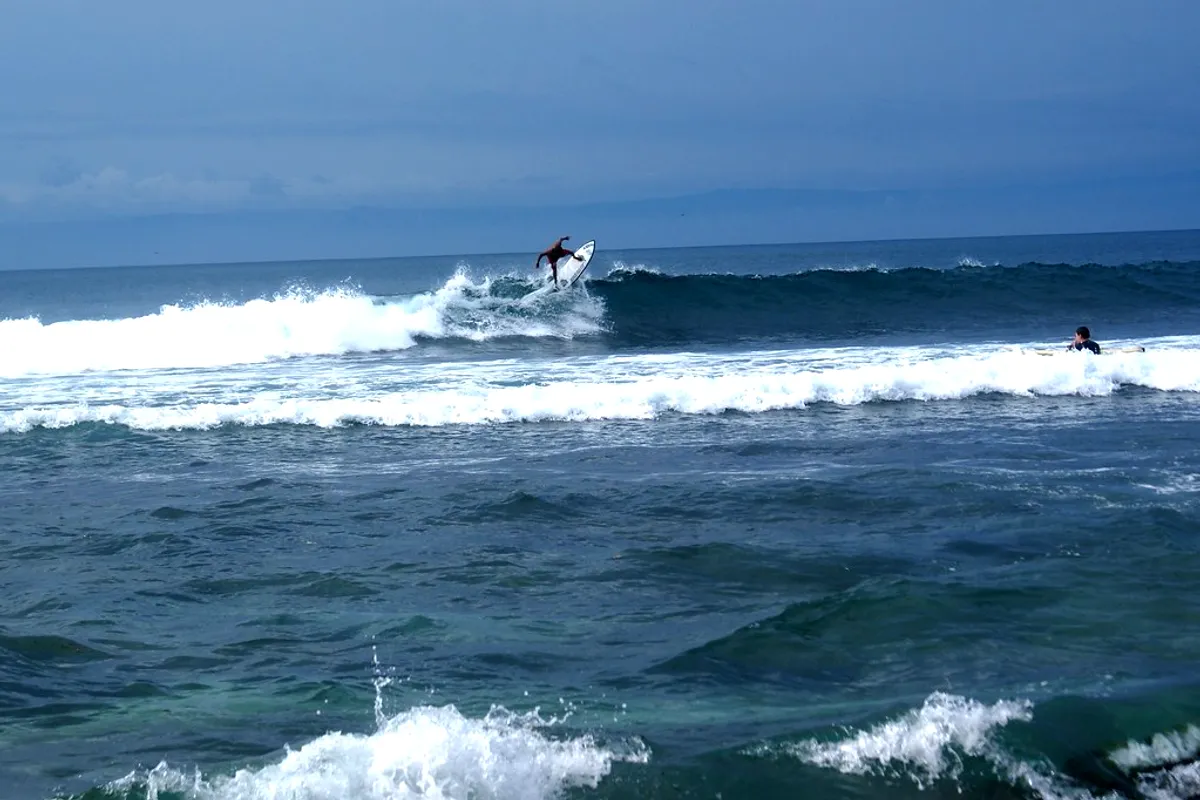
Siargao lies off the north-east coast of Mindanao, facing the Philippine Sea and the open Pacific. Its east coast is lined with coral reefs that catch swells from distant typhoons and from the north-east monsoon. When those swells arrive, they break over the reefs in powerful, hollow waves, most famously at Cloud 9.
The island's main surf town, General Luna, has grown from a small fishing community into a popular destination with surf schools, resorts, restaurants and nightlife, while still keeping a relaxed island feel. Siargao was hit hard by a major typhoon in December 2021 and has since rebuilt, with tourism returning strongly. Beyond surfing, the island offers lagoons, mangrove forests, rock pools and island-hopping trips.
Cloud 9
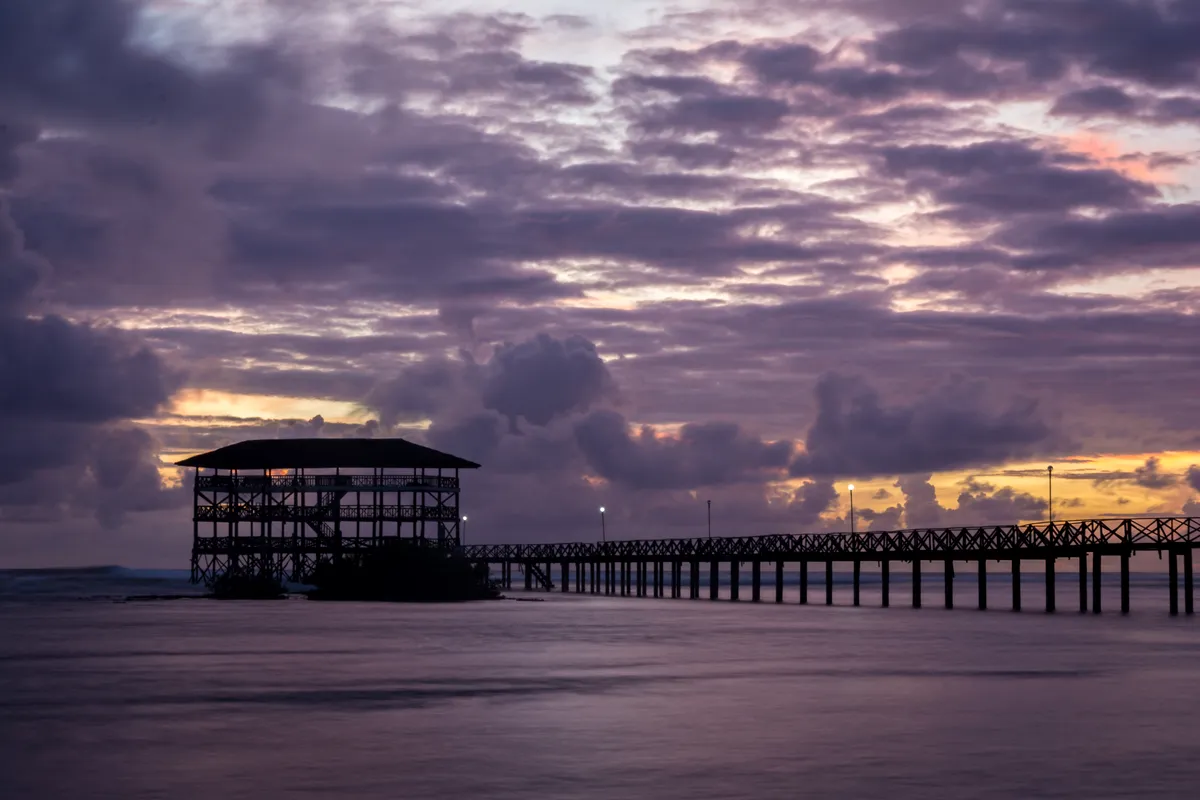
Cloud 9 is Siargao's signature wave, a right-hand reef break that produces hollow, powerful barrels over shallow coral. It is reached via a wooden boardwalk with a viewing platform that has become one of the island's landmarks. The wave has hosted international contests and attracts surfers from around the world.
Cloud 9 is for experienced surfers, especially on bigger swells. The reef is shallow and sharp, and the line-up is competitive, with a strong local crew. On smaller days, it can still be fun for confident intermediates, but watch from the boardwalk first.
Jacking Horse, Quicksilver and Stimpy's
Near Cloud 9, Jacking Horse is a reef break that is gentler and more forgiving, making it a popular spot for lessons and beginners on smaller days. Quicksilver, just beyond Cloud 9, is a reef break that suits intermediates and can be less crowded.
Stimpy's, a left-hand reef further out, is reached by paddling or boat and suits experienced surfers. Other reefs along the coast, including Rock Island and Tuason, work on different swells and are often reached by boat. A local guide helps to find the best spot for the day.
Pacifico and the north
In the north of the island, Pacifico is a quieter area with a long reef break that picks up plenty of swell and offers waves for intermediates and advanced surfers. It has a more remote feel, with fewer surfers and less development than General Luna.
The island's interior is covered in coconut palm forests, and the roads between General Luna and the north pass through some of the most scenic landscapes in the Philippines.
Siargao seasons and swell
Siargao's surf depends on typhoon swells and the north-east monsoon. The main season is usually from around August to November, when typhoons in the Pacific send powerful swells and winds are often favourable. September and October are often considered peak months. From around December to March, the north-east monsoon, known as amihan, brings more consistent but often windier swells.
From April to July, swells are generally smaller and less consistent, which suits beginners. Typhoons can bring dangerous weather as well as swell, so keep an eye on forecasts and follow local advice.
Picking a base around Siargao
General Luna is the main base, with accommodation ranging from budget hostels to boutique resorts, many within a short ride of Cloud 9. The town has a lively food and nightlife scene. Staying along the road to Cloud 9, known as Tourism Road, puts you close to the main surf spots.
Quieter options include Pacifico in the north and smaller villages around the island. A scooter or tricycle is useful wherever you stay.
Island-hopping and the wider Siargao islands
Siargao is part of a group of islands and islets with lagoons, mangroves and white-sand sandbars. Island-hopping trips from General Luna usually visit Naked Island, a sandbar with no vegetation, Daku Island, with its palm-lined beach and local village, and Guyam Island, a tiny islet with a few palm trees. Trips run by boat and depend on the weather and sea conditions.
In the north-west, Sugba Lagoon near Del Carmen is a calm, turquoise lagoon surrounded by mangroves, popular for paddleboarding and swimming. The Del Carmen mangrove forest is one of the largest in the Philippines and is protected. The Magpupungko rock pools, on the east coast, form natural swimming pools at low tide.
These trips are ideal for flat or rest days, and they show a side of Siargao beyond its surf breaks. Book with licensed local operators, respect the protected areas and take your rubbish with you.
Reaching Siargao and moving between breaks
Siargao's Sayak Airport has domestic flights from Manila and Cebu, which connect to international flights. Ferries also run from Surigao City on Mindanao. The airport is about forty-five minutes from General Luna by road.
On the island, most people get around by scooter, tricycle or private van. Only ride a scooter if you are licensed and experienced, and check your insurance. Boats are used to reach outer reefs and for island-hopping trips.
What to pack and staying safe
The water is warm all year, so a rash vest or surf top is enough. Reef booties and a helmet can be useful at Cloud 9 and other shallow reefs. Pack reef-safe sunscreen, a hat and insect repellent, and a good first-aid kit for reef cuts.
Clean reef cuts carefully, as infections are common in the tropics. Medical facilities on the island are limited, so travel insurance with evacuation cover is advisable. Check typhoon forecasts during the season and follow official warnings.
Flat days and a better week in Siargao
Surf early, when winds are lighter and the line-ups less crowded. Check the tide, as many reefs work only within certain windows.
On a rest day, take an island-hopping trip to Naked Island, Daku and Guyam, swim in the Magpupungko rock pools at low tide, kayak through the mangroves of Del Carmen, or visit the Sugba Lagoon. The island's food scene ranges from local carinderias to international restaurants. Respect local communities and the island's environment, which is protected as a marine and land reserve.
Siargao surf season month by month
A broad planning picture, not a forecast. Swell, wind and water temperature vary from year to year.
| January | North-east monsoon swells, often with wind. Consistent but sometimes choppy; warm water. |
|---|---|
| February | Monsoon swells continue. Sheltered spots can offer clean waves. |
| March | Monsoon swells start to ease. A good month for intermediates. |
| April | Smaller swells and calm weather. Good for beginners. |
| May | Small and calm. Ideal for learning and island-hopping. |
| June | Generally small, with occasional early typhoon swells. |
| July | Small to medium swells, and the first typhoon swells may arrive. |
| August | Typhoon season begins in earnest, with more consistent swells. |
| September | Peak season: typhoon swells and often favourable winds. Cloud 9 at its best. |
| October | Still peak season, with powerful swells and busy line-ups. |
| November | Swells continue as the monsoon begins to take over. Good for experienced surfers. |
| December | North-east monsoon swells and occasional late typhoons. Busy holiday season. |
Learning to surf in Siargao
Siargao has many surf schools in General Luna, with lessons usually taking place at Jacking Horse or other gentle reef spots on smaller days. Instructors often push beginners into waves and help with positioning, which is useful on a reef.
Because most spots break over coral, beginners should learn with an instructor and wear a rash vest and booties if recommended. The calmer months from April to July are often best for complete beginners.
Ask about instructor qualifications, group size and which spots are used. As you progress, local guides can take you to less crowded reefs by boat.
Comparing options across the country? Read our guide to surfing in the Philippines.
Seasonal notes on this page describe typical patterns, not the conditions on a given day. Use the local forecast, lifeguard advice and a qualified instructor for water-safety decisions, and get a written breakdown of what any surf package includes before paying.
Siargao surf trip questions
When is the best time to surf in Siargao?
The main season is usually from August to November, with typhoon swells and favourable winds. September and October are often the peak. December to March brings monsoon swells, often with wind.
Is Siargao good for beginners?
Yes, with an instructor. Jacking Horse and other gentle reef spots are used for lessons on smaller days. Cloud 9 is for experienced surfers.
How do I get to Siargao?
Fly to Siargao's Sayak Airport from Manila or Cebu, or take a ferry from Surigao City on Mindanao. General Luna is about forty-five minutes from the airport.
Do I need a wetsuit in Siargao?
No. The water is warm all year. A rash vest and reef booties are useful.
What is Cloud 9?
Cloud 9 is a powerful right-hand reef break near General Luna, famous for its barrels and boardwalk viewing platform. It is one of Asia's best-known waves.
Is Siargao affected by typhoons?
Yes. Typhoons bring swell but also dangerous weather. Siargao was badly hit in December 2021 and has since rebuilt. Monitor forecasts and follow official advice.
Where should I stay in Siargao?
General Luna is the main base, with Tourism Road close to Cloud 9 and the main surf spots. Pacifico in the north is quieter and more remote.
Sources & editorial notes
Destination context checked against the sources below. Base-selection and itinerary suggestions are Book & Surf editorial recommendations. Seasonal windows are broad planning suggestions, not measured forecasts or guarantees.
We do not claim to have personally surfed every break. Read our editorial standards.