Why surf in the Philippines
The Philippines is an archipelago in the western Pacific, with eastern coasts facing the open Pacific and the Philippine Sea and western coasts facing the South China Sea. Its surf is driven mainly by typhoons, which form over the Pacific and send powerful swells, and by the monsoons: the north-east monsoon (amihan) from roughly November to March and the south-west monsoon (habagat) from roughly June to October.
The result is warm-water surf on many coasts, often with few people. Siargao's Cloud 9 is the most famous wave, but the country has a growing number of surf towns, from La Union and Baler on Luzon to Catanduanes, Samar and Mindanao. Filipino surf culture is friendly and welcoming, and the islands offer beaches, lagoons, diving, food and culture alongside the waves.
Typhoons, monsoons and surf seasons
Surf seasons vary by coast. On the Pacific-facing east coast, including Siargao, Catanduanes and Eastern Samar, typhoon swells are most common from around August to November, with the north-east monsoon bringing swell from around November to March. On the west coast of Luzon, including La Union, the best surf often comes from around October to March, with swells from the north-east monsoon and typhoons. Zambales, further south on the west coast, often works during the south-west monsoon and typhoon season.
Typhoons bring swell but also dangerous weather, including strong winds, heavy rain and flooding. Always monitor forecasts from PAGASA, the Philippine weather service, and follow official warnings. Many surfers time trips for the edges of typhoon season, when swells arrive without direct storm impacts.
Arriving in the Philippines
Manila and Cebu are the main international gateways, with domestic flights connecting them to regional airports such as Siargao, Virac (Catanduanes) and others. Ferries and boats link many islands. Overland travel on Luzon, for example from Manila to La Union or Baler, is by bus or private car and can take several hours.
Within surf towns, tricycles, scooters and vans are the main forms of transport. Only ride a scooter if you are licensed and experienced, and check your insurance. Boats are often used to reach outer reefs.
Packing and safety for the Philippines
The water is warm all year, so a rash vest or surf top is all you need. Reef booties and a helmet can be useful at shallow reefs such as Cloud 9. Pack reef-safe sunscreen, a hat, insect repellent and a good first-aid kit for reef cuts.
Clean reef cuts carefully, as infections are common in the tropics. Medical facilities can be limited in remote areas, so travel insurance with evacuation cover is advisable. Check typhoon forecasts and avoid travelling during major storms.
A brief history of Philippine surfing
Surfing in the Philippines is often traced to Baler in Aurora province. In the 1970s, the film Apocalypse Now was shot partly in the area, and a well-known local story says that surfboards left behind by the production helped introduce surfing to local young people. Whatever its exact origins, Baler developed one of the country's first surf communities, and it remains a symbolic place for Filipino surfers.
Siargao was discovered by travelling surfers in the late 1980s and early 1990s, and Cloud 9 soon gained international attention through surf magazines and contests. La Union grew into a popular surf town in the following decades, helped by its proximity to Manila. Surfing was part of the 2019 Southeast Asian Games, held in La Union, and Filipino surfers have competed internationally. Today, surfing is a growing sport and an important source of tourism income for many coastal communities.
Beyond the surf: diving, islands and food
The Philippines is one of the world's great destinations for diving and snorkelling, with coral reefs, marine sanctuaries and shipwrecks across the archipelago. Many surf destinations are close to good snorkelling, and destinations such as Palawan, Bohol and Cebu are popular additions to a surf trip.
Island-hopping by traditional outrigger boat, called a bangka, is a highlight, whether visiting Siargao's sandbars and lagoons or exploring other islands. Hiking, waterfalls, rice terraces in northern Luzon and historic churches and towns offer more variety.
Filipino food blends local, Spanish, Chinese and American influences. Try adobo, sinigang, kinilaw (a Filipino ceviche), grilled seafood and tropical fruit. In surf towns, you will find everything from local carinderias to international cafés.
Filipino hospitality and etiquette
Filipinos are known for their hospitality, and surf communities are generally welcoming to visitors. In the water, respect local surfers, wait your turn and avoid dropping in, especially at popular breaks such as Cloud 9. Many local surfers grew up on these waves and work as instructors and guides.
Out of the water, dress modestly in villages and churches, and respect local customs. Support local businesses, from homestays to surf schools, and help keep beaches clean.
Planning a Philippines surf trip
For a first trip, Siargao is the most popular choice, with Cloud 9, beginner reefs and a well-developed surf town. La Union is the easiest surf destination to reach from Manila and is excellent for beginners. Baler offers a combination of surf, history and nature a few hours from Manila.
Adventurous surfers can explore Catanduanes, Eastern Samar or Mindanao, where waves are often uncrowded but facilities are more basic. Combining surf with diving, island-hopping or hiking is easy in the Philippines.
Surf regions of the Philippines
Siargao
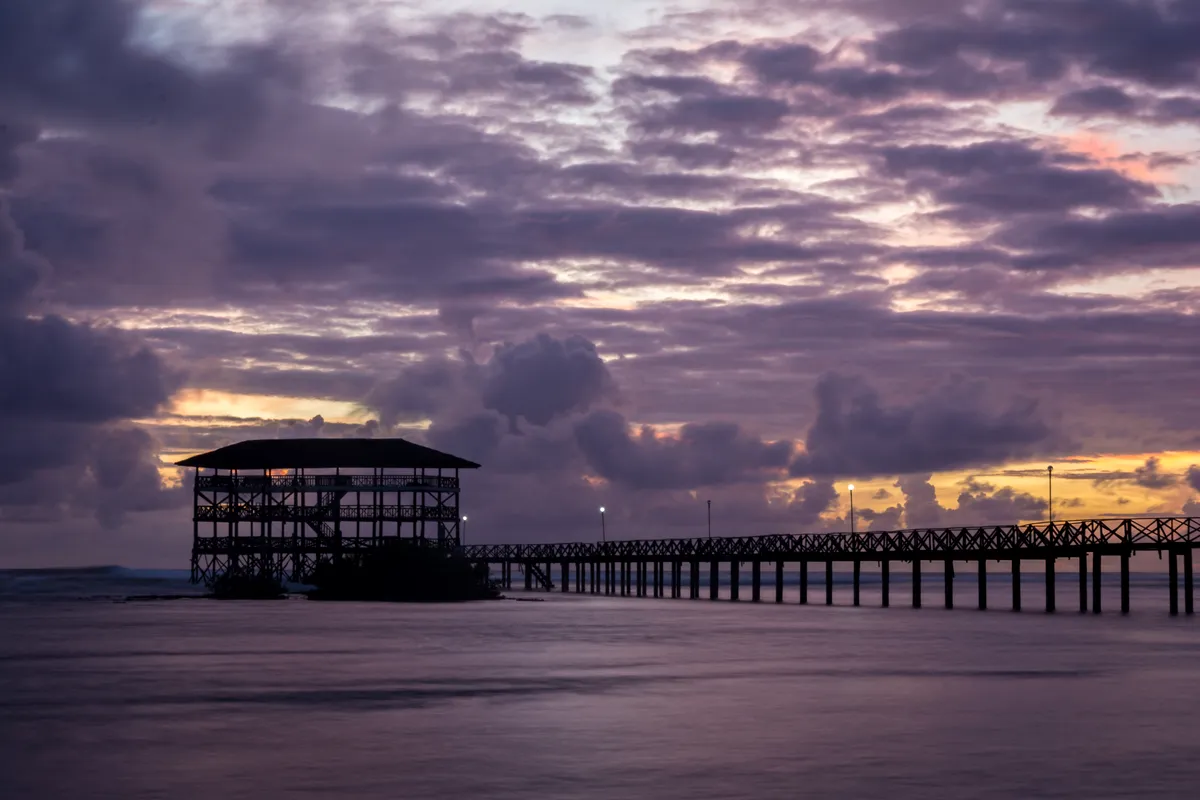
Siargao, off the north-east coast of Mindanao, is the Philippines' surf capital. Cloud 9 is a powerful right-hand reef break reached by a boardwalk, while Jacking Horse, Quicksilver and Stimpy's offer options for different levels. General Luna is the main surf town, and the island has lagoons, mangroves and island-hopping trips.
Known for: Siargao, Cloud 9, Jacking Horse, Stimpy's, Pacifico
La Union
La Union, on the west coast of northern Luzon, is the most accessible surf destination from Manila. San Juan's Urbiztondo beach has gentle beach breaks ideal for beginners and many surf schools. The area has a lively food and nightlife scene and is popular with weekend surfers from Manila. The best surf usually comes from around October to March.
Known for: La Union, San Juan (Urbiztondo), Monaliza Point
Baler and Aurora
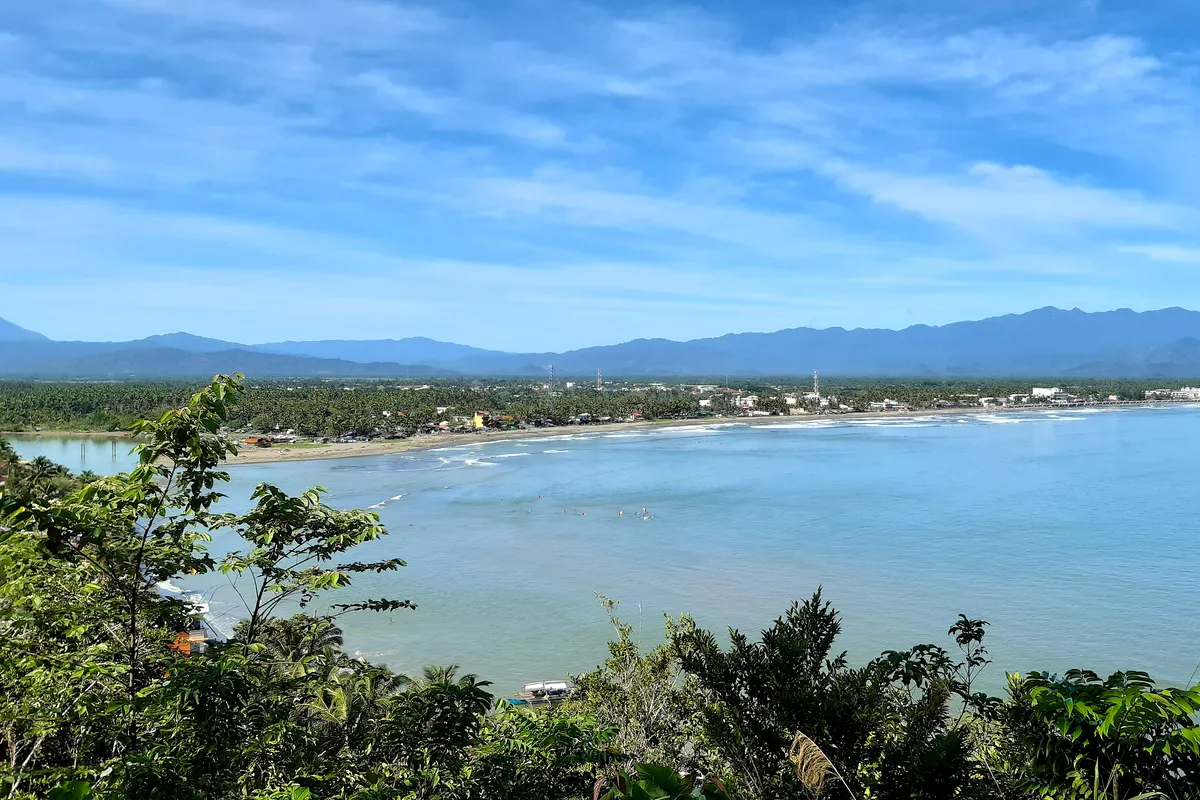
Baler, on the east coast of Luzon in Aurora province, is often called the birthplace of Philippine surfing, as surfing is said to have taken root there after the filming of Apocalypse Now in the 1970s. Sabang Beach offers beach breaks for beginners, while reef and point breaks such as Charlie's Point and Cemento suit more experienced surfers. Baler is a few hours' drive from Manila.
Known for: Baler, Sabang Beach, Charlie's Point, Cemento
Zambales
Zambales, on the west coast of Luzon north of Manila, has beach breaks around San Narciso and Liw-liwa that are popular with surfers from the capital. The area often works during the south-west monsoon and typhoon season, when other spots are flat. It has a relaxed, rustic atmosphere.
Known for: Liw-liwa, San Narciso
Bicol, Catanduanes and Samar
The Bicol region and the islands of Catanduanes and Samar face the Pacific and receive powerful typhoon swells. Puraran on Catanduanes is known for a reef break nicknamed Majestics, which works best from around July to October. Daet's Bagasbas Beach in Camarines Norte is a beginner-friendly beach. Calicoan Island in Eastern Samar has reef breaks with few surfers.
Known for: Puraran (Majestics), Bagasbas Beach, Calicoan Island
Mindanao
Beyond Siargao, Mindanao's Pacific coast has more surf spots, including Lanuza in Surigao del Sur and Dahican Beach near Mati in Davao Oriental. These areas see fewer visitors and offer uncrowded waves, but facilities are more basic and travel advice should be checked for some regions.
Known for: Lanuza, Dahican Beach
Learning to surf in the Philippines
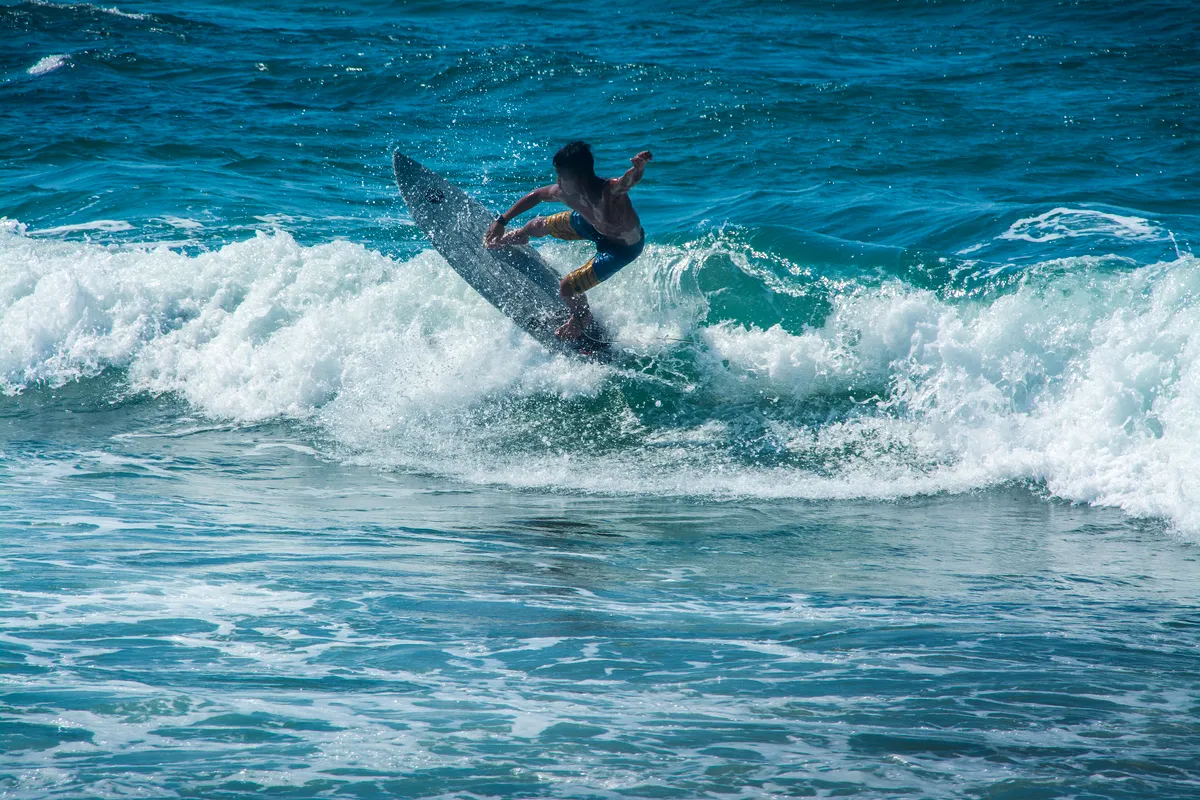
The Philippines is a great place to learn to surf in warm water. La Union's Urbiztondo beach is one of the most popular learning spots, with gentle beach breaks and many surf schools. Baler's Sabang Beach and Daet's Bagasbas Beach are also good for beginners. In Siargao, lessons usually take place at Jacking Horse and other gentle reef spots on smaller days.
Local instructors are often very hands-on, pushing beginners into waves and helping with positioning. Lessons are generally affordable. Ask about instructor experience, group size and safety procedures, especially at reef breaks.
Choose the season that suits the region: La Union from around October to March, Siargao's calmer months from April to July for complete beginners, or typhoon season for more experienced surfers.
Surfing in the Philippines: questions
When is the best time to surf in the Philippines?
It depends on the coast. On the Pacific-facing east coast, including Siargao, typhoon swells are most common from around August to November. La Union on the west coast is usually best from around October to March.
Where is the best place to learn to surf in the Philippines?
La Union's Urbiztondo beach, Baler's Sabang Beach and Daet's Bagasbas Beach are popular learning spots. In Siargao, lessons usually take place at Jacking Horse.
Do I need a wetsuit in the Philippines?
No. The water is warm all year. A rash vest and reef booties are useful.
Are typhoons dangerous for surf trips?
Typhoons bring swell but also dangerous weather. Monitor PAGASA forecasts, avoid travelling during major storms and follow official warnings.
What is the closest surf spot to Manila?
La Union and Zambales are the closest popular surf areas, a few hours by road from Manila. Baler is also within a few hours' drive.
Is Cloud 9 suitable for beginners?
No. Cloud 9 is a powerful, shallow reef break for experienced surfers. Beginners in Siargao usually learn at Jacking Horse.
Is the Philippines expensive for a surf trip?
It can be good value. Homestays, local food, tricycles and surf lessons are generally affordable. Domestic flights, island-hopping tours and boutique resorts add to the cost, especially in Siargao during peak season.
Can I combine Siargao with other islands?
Yes. Domestic flights connect Siargao with Manila and Cebu, making it easy to add destinations such as Bohol, Cebu or Palawan for diving, island-hopping and culture.
What is the surf like in La Union?
La Union's Urbiztondo beach in San Juan has gentle, sandy beach breaks ideal for beginners, with more challenging reef and point breaks nearby. The best season is usually from around October to March.
Why is Baler important to Philippine surfing?
Baler is often called the birthplace of Philippine surfing. Local stories link its surf culture to surfboards left behind after Apocalypse Now was filmed nearby in the 1970s, and it remains a symbolic surf town.
Is it safe to travel to Mindanao for surfing?
Siargao and many coastal areas are popular with visitors, but travel advice for parts of Mindanao varies. Check your government's current travel advice before planning a trip and follow local guidance.
What board should I bring to the Philippines?
Bring a board suited to reef breaks and warm water, or rent locally. Siargao and La Union have plenty of rental options, including soft-tops for beginners and shortboards for reefs.
Sources & editorial notes
Country context checked against the sources below. Regional summaries are Book & Surf editorial planning suggestions, not forecasts or safety assessments.