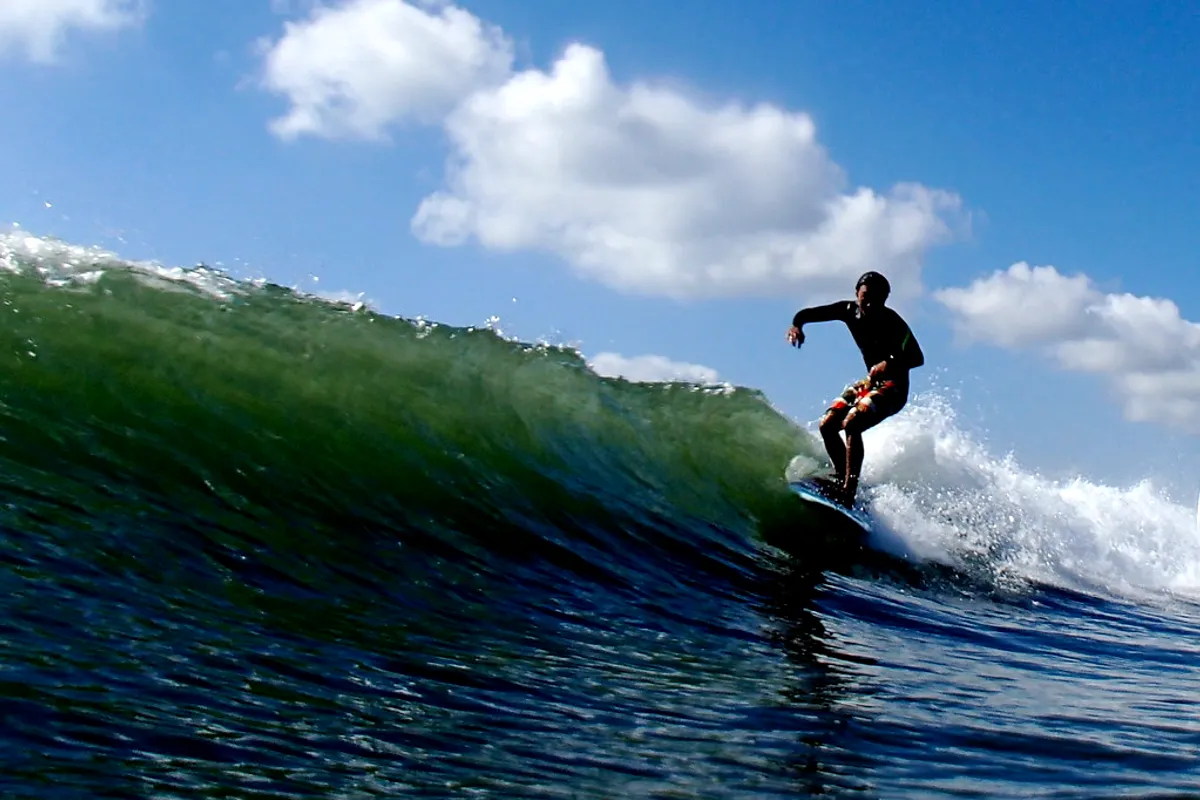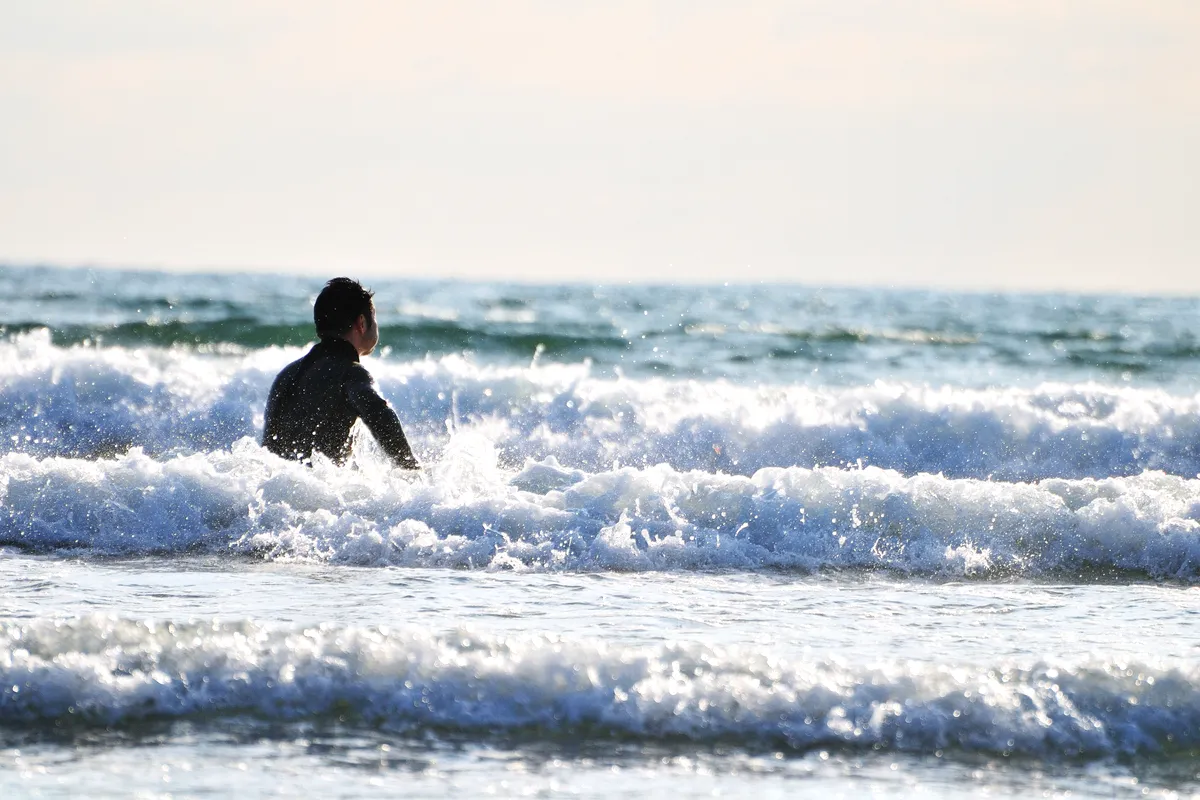
A surf culture hidden in plain sight
Surfing took hold in Japan after the Second World War, influenced by American servicemen and visitors, and grew rapidly from the 1960s onward. Today, Japan has one of Asia's largest surfing communities, with surf shops, shapers, magazines and competitions along much of its Pacific coast. Weekend traffic from Tokyo to the beaches of Chiba and Shonan is a familiar sight, with boards strapped to cars.
When surfing made its Olympic debut at the Tokyo Games, held in 2021 after a year's delay, the competition took place at Tsurigasaki Beach in Ichinomiya, Chiba. The event brought international attention to Japanese surfing and to surfers such as Kanoa Igarashi, who won a silver medal.
The Olympic moment
When surfing joined the Olympic programme, Japan hosted its debut. The competition took place at Tsurigasaki Beach in Ichinomiya, Chiba, during the Tokyo Games, which were held in 2021 after a year's delay. A passing tropical storm boosted the waves for the final days. Brazil's Italo Ferreira won the men's gold medal and the United States' Carissa Moore the women's gold, while Japan's Kanoa Igarashi won silver and Amuro Tsuzuki bronze, giving the host nation two medals.
The event raised the profile of Japanese surfing at home and abroad, and Ichinomiya has become a destination for surfers wanting to ride the Olympic waves.
Typhoons and seasonal swell
Japan's Pacific coast receives swell from typhoons that form in the western Pacific, mostly from around August to October. When a typhoon passes far enough offshore, it can send powerful, clean swell to the beaches of Chiba, Shonan, Shikoku and Kyushu, producing the best days of the year. Typhoons close to land, however, bring dangerous storms and should be avoided.
In winter, from roughly October to March, low-pressure systems and north-easterly winds bring swell to parts of the Pacific coast, while the Sea of Japan coast receives powerful but cold winter swells. Spring and early summer can be inconsistent, with the rainy season, known as tsuyu, in June and July.
Sea of Japan surf in winter
While most Japanese surfing takes place on the Pacific coast, the Sea of Japan coast, facing west towards the Asian mainland, receives powerful swells in winter when strong north-westerly winds blow across the sea. Prefectures such as Niigata, Ishikawa and Fukui have surf communities that ride these cold, often stormy waves.
Winter conditions on the Sea of Japan coast are harsh, with cold water, snow and strong winds, so thick wetsuits, boots, gloves and hoods are essential. Surf can be short-lived, arriving with storms and fading quickly.
Water temperature through the year
On the Pacific coast near Tokyo, water temperatures range from the mid-teens Celsius in winter to the mid-twenties in late summer. A 3/2 or 4/3 wetsuit is common in winter, a spring suit in early summer and boardshorts or a light top in August and September. Further north, in Tohoku and Hokkaido, and on the Sea of Japan coast in winter, the water is much colder, requiring thick wetsuits, boots, gloves and hoods. Okinawa, in the far south, is warm year-round.
Surfing etiquette, the Japanese way
Japanese surf culture places great importance on manners, both in and out of the water. In the line-up, this means waiting your turn, avoiding dropping in and apologising if you make a mistake. Out of the water, it means keeping car parks and beaches spotless, changing discreetly with a towel or poncho and not making noise early in the morning in residential areas.
Some beaches have local rules, such as designated surfing zones, restrictions during swimming season or rules about parking. Signs may be in Japanese only, so ask at local surf shops. Respecting these customs helps maintain good relations between surfers and local communities.
Etiquette, rules and respect
Japanese surf culture places a strong emphasis on etiquette. Line-ups can be crowded, especially on weekends near Tokyo, but they are generally orderly. Wait your turn, never drop in and follow local rules, which can include designated areas for surfing and swimming in summer and occasional restrictions during festivals or fishing activity.
Out of the water, keep beaches and car parks clean, change discreetly and respect local communities. If you plan to visit an onsen, a hot spring bath, be aware that many have traditionally restricted entry to people with visible tattoos, though policies vary and some are now more relaxed.
Trains, cars and getting to the coast
Tokyo's Narita and Haneda airports are the main international gateways for the Kanto surf regions, with Osaka, Fukuoka and Okinawa also served by international flights. Japan's rail network makes it possible to reach some beaches by train, including Shonan and parts of Chiba, though carrying a board on crowded trains can be difficult.
Most surfers drive, using expressways and coastal roads. Rental cars are widely available, and an international driving permit is required for many visitors. Parking near popular beaches can fill quickly on weekends.
Food, onsen and life beyond the beach
Surf towns in Japan combine waves with excellent food, from fresh seafood and ramen to local specialities. In Chiba, try the local fish and seasonal produce; in Miyazaki, try chicken nanban and mango; in Shikoku, sample udon in Kagawa or bonito in Kochi. Hot springs, shrines, temples and mountains are never far away.
Rest days might include a visit to Kamakura's temples and Great Buddha near Shonan, a hike in the mountains of Shikoku or a soak in a hot spring after a cold winter session.
Planning a Japan surf trip
For a first trip, Chiba is the most accessible area from Tokyo, with consistent beach breaks and many surf shops. Combine it with time in Tokyo for a city-and-surf experience. For warmer water and a slower pace, head to Miyazaki on Kyushu, which has surfed beaches and a mild climate. Shikoku offers quieter beaches and river mouths in a rural setting. Time your trip for typhoon season if you want the best chance of powerful swell, but stay flexible and follow weather warnings.
Surf regions of Japan
Chiba
Chiba, east of Tokyo, is the busiest surf region in Japan. Ichinomiya, on the long Kujukuri coastline, is home to Tsurigasaki Beach, the 2020 Olympic surf venue, and several consistent beach breaks. Further south, towns such as Onjuku and Kamogawa offer beaches and reefs. The region is about one and a half hours from Tokyo by car.
Known for: Ichinomiya, Tsurigasaki, Kujukuri, Onjuku, Kamogawa
Shonan
Shonan, along Sagami Bay south-west of Tokyo, is one of the birthplaces of Japanese surf culture. Beaches such as Kugenuma, Kamakura's Yuigahama and Shichirigahama offer gentle waves suitable for beginners and longboarders, though they need decent swell to work. The area is easily reached by train from Tokyo and has a relaxed beach-town atmosphere.
Known for: Kugenuma, Yuigahama, Shichirigahama
Ibaraki and Tohoku
North of Chiba, Ibaraki's coastline has beach breaks that can be less crowded. Further north, the Tohoku region, including Fukushima and Miyagi, has a growing surf scene, with beaches that were rebuilt after the 2011 tsunami. The water is colder, and facilities are more limited.
Known for: Oarai, Tohoku coast
Miyazaki, Kyushu
Miyazaki, on the east coast of Kyushu, has a mild climate and warmer water than the Kanto region, with beaches such as Kisakihama and Okuragahama. It has hosted international surfing events and is a popular destination for surf trips.
Known for: Kisakihama, Okuragahama
Shikoku
Shikoku, the smallest of Japan's four main islands, has quiet surf spots in Kochi and Tokushima prefectures, including Ikumi in Kochi and Kaifu in Tokushima, known for river-mouth and beach breaks. The rural setting and fewer crowds appeal to travelling surfers.
Known for: Ikumi, Kaifu
Okinawa and the south
Okinawa, in the far south, has coral reef breaks and warm water, but much of its surf breaks over shallow reef and is best for experienced surfers. Swells come mainly from typhoons and winter monsoon winds.
Known for: Okinawa reefs
Hokkaido
Japan's northernmost island, Hokkaido, has a small but dedicated surf community, riding cold-water waves on its Pacific and Sea of Japan coasts. Winter surfing here involves snow-covered beaches and very cold water, while summer is milder. The island is better known internationally for its skiing.
Known for: Hokkaido coast
Learning to surf in Japan
Japan has surf schools in most surf regions, particularly in Chiba and Shonan. Shonan's gentle beaches are popular with beginners and longboarders, while Chiba's beach breaks offer more consistent waves for improvers. Many schools provide wetsuits and soft-top boards, and some offer lessons in English.
Summer brings warm water and gentler conditions, while typhoon season can bring powerful waves that are too big for beginners. Ask schools about instructor qualifications, group sizes and where lessons take place.
Surfing in Japan: questions
When is the best time to surf in Japan?
Typhoon season, from about August to October, often brings the best swells to the Pacific coast. Winter can also be good, though the water is colder.
Where were the Olympic surfing events held in Japan?
At Tsurigasaki Beach in Ichinomiya, Chiba, during the Tokyo Games, which took place in 2021.
Is Japan good for beginners?
Yes. Shonan's gentle beaches and Chiba's surf schools are good places to learn, especially in summer.
Do I need a wetsuit in Japan?
On the Pacific coast near Tokyo, a 3/2 or 4/3 is common in winter, a spring suit in early summer and boardshorts in late summer. Northern Japan is much colder.
Can I get to Japanese surf beaches by train?
Some, including Shonan and parts of Chiba, are reachable by train, but most surfers drive, especially with boards.
Are tattoos a problem in Japan?
Many onsen have traditionally restricted entry to people with visible tattoos, though policies vary. Surfing itself is not affected.
Is it safe to surf during typhoons?
No. Typhoons far offshore can send good swell, but storms close to land are dangerous. Follow warnings from the Japan Meteorological Agency.
Is there surf on the Sea of Japan coast?
Yes, mainly in winter, when strong north-westerly winds generate swell. Conditions are cold and stormy, so thick wetsuits are essential.
Is Japan expensive for a surf trip?
Japan can be good value outside Tokyo, with affordable guesthouses and food in surf towns. Rental cars, expressway tolls and accommodation near popular beaches on weekends add to costs.
Can I surf in Okinawa?
Yes, mainly on typhoon swells and winter swells, but most waves break over shallow coral reef and suit experienced surfers.
What is the best surf spot in Japan for beginners?
Shonan beaches such as Kugenuma and Kamakura are good for beginners, as are the gentler peaks around Ichinomiya with a surf school.
Do Japanese surf shops rent boards?
Yes. Many surf shops in Chiba, Shonan and Miyazaki rent boards and wetsuits.
When is the rainy season in Japan?
The rainy season, called tsuyu, usually runs from June to July across much of Japan, bringing humid, wet weather and often inconsistent surf.
Sources & editorial notes
Country context checked against the sources below. Regional summaries are Book & Surf editorial planning suggestions, not forecasts or safety assessments.