The breaks
Recognised, publicly known surf spots around Costa da Caparica. Suitability depends on the day's swell, wind and tide, so treat the level as a guide, not a guarantee.
| Break | Type | Best for | Notes |
|---|---|---|---|
| São João da Caparica | Beach break by jetties | Beginner–Intermediate | Northern beaches near the estuary, with sandbanks shaped by the jetties and many surf schools. |
| Praia do CDS | Beach break by jetties | Beginner–Intermediate | One of the central jetty beaches, popular with local surfers and lessons. |
| Nova Praia | Beach break by jetties | Beginner–Intermediate | Central town beach with peaks between the rock jetties. Busy in summer. |
| Fonte da Telha | Beach break | Intermediate | A small beach village below the fossil cliffs to the south, more exposed and quieter, with fewer facilities. |
| Carcavelos | Beach break | Beginner–Intermediate | Busy beach on the Cascais train line west of Lisbon, about twenty minutes from Cais do Sodré. |
A surf beach on the capital's doorstep
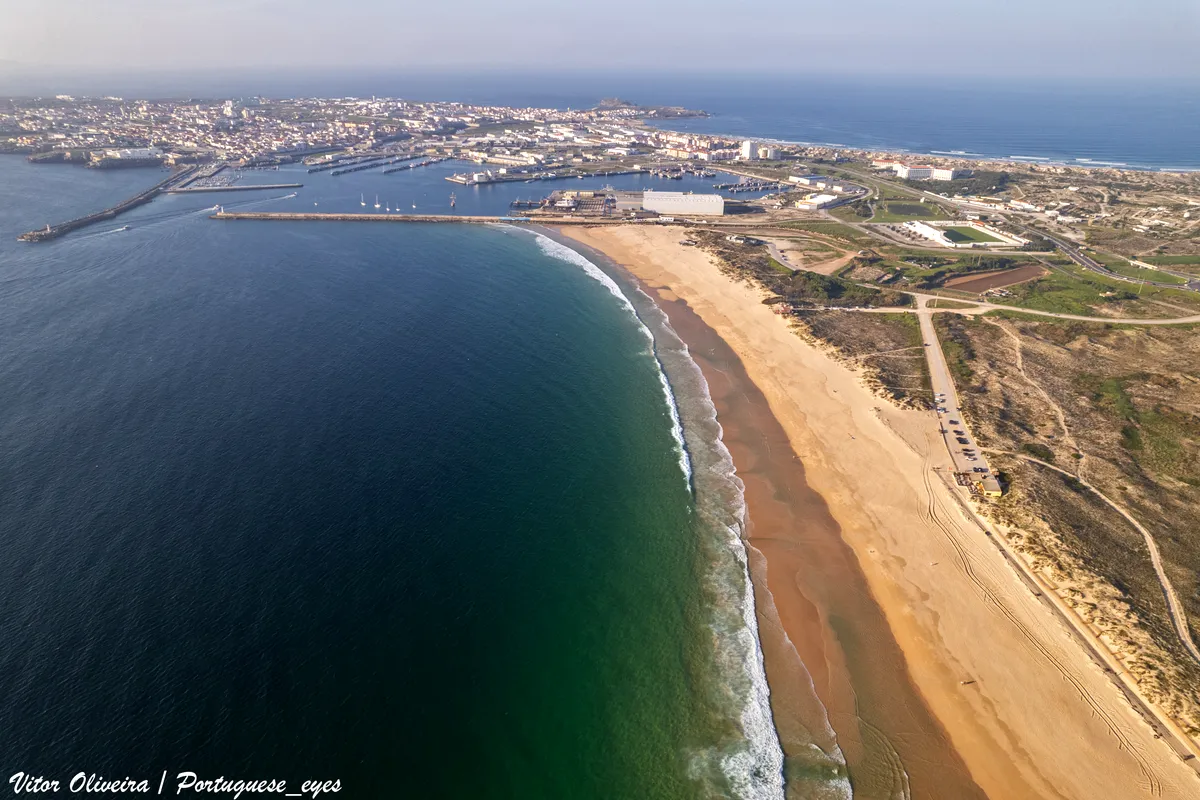
Costa da Caparica sits on the Setúbal Peninsula, south of the Tagus estuary, about half an hour from central Lisbon by road. Its coastline is a single, almost continuous beach running south for more than twenty kilometres, facing west into the Atlantic. That orientation means it catches most north-west swells, while the gentle slope of the sand keeps waves softer than on many exposed Portuguese beaches.
For Lisbon's surfers, it is the default after-work and weekend option, and for visitors it offers a way to combine city sightseeing with daily surf lessons. The town itself is a lively, somewhat built-up resort at the northern end, but the beach becomes progressively wilder and quieter as you head south past the dunes and pine woods.
The jetties and how they shape the waves
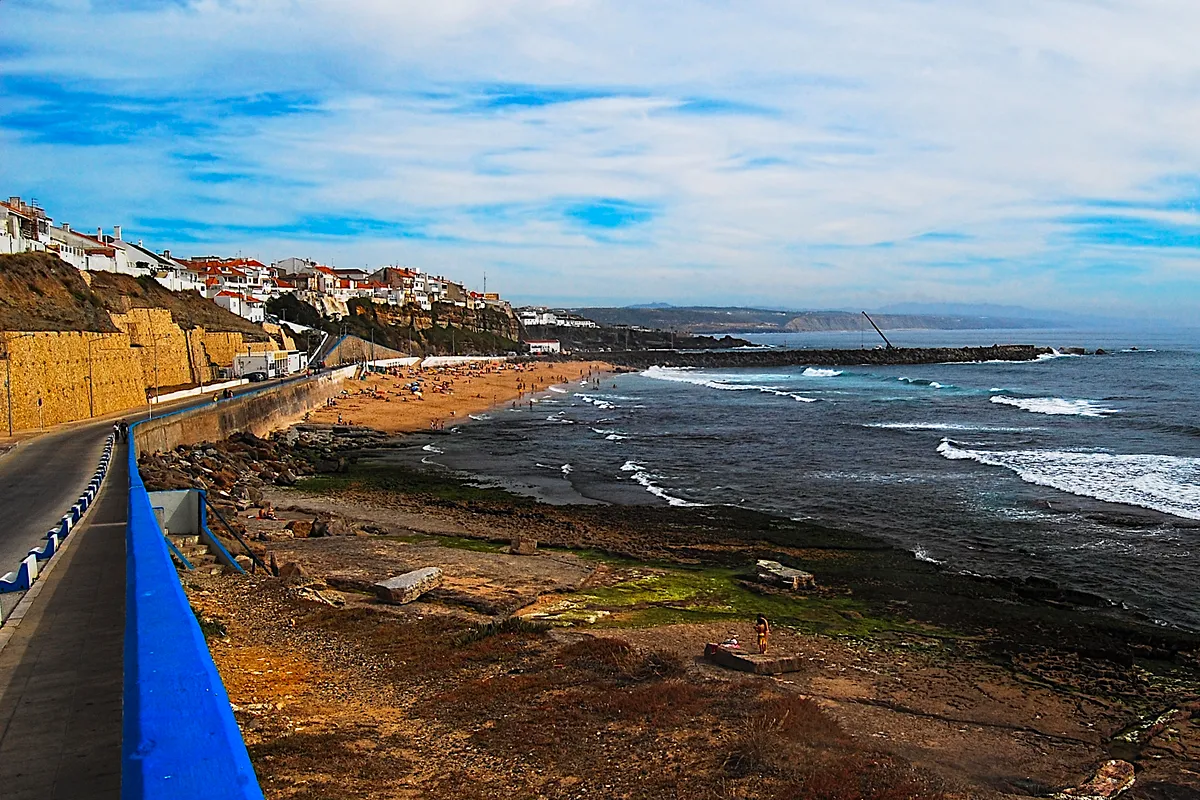
At the northern end, from São João da Caparica through the town centre, a series of rock jetties, built to protect the coast from erosion, run out into the sea at intervals. Sand builds up beside them, creating sandbanks that give the waves more shape than a featureless beach would. Each section of beach between the jetties has its own name and character, such as Praia do CDS, Praia da Saúde and Nova Praia, and local surfers know which ones work best on a given swell and tide.
The jetties also help to spread surfers out. When one peak is crowded, another a few hundred metres away may be quieter. Keep clear of the rocks themselves, where currents can pull along the jetty.
Fonte da Telha and the wilder south
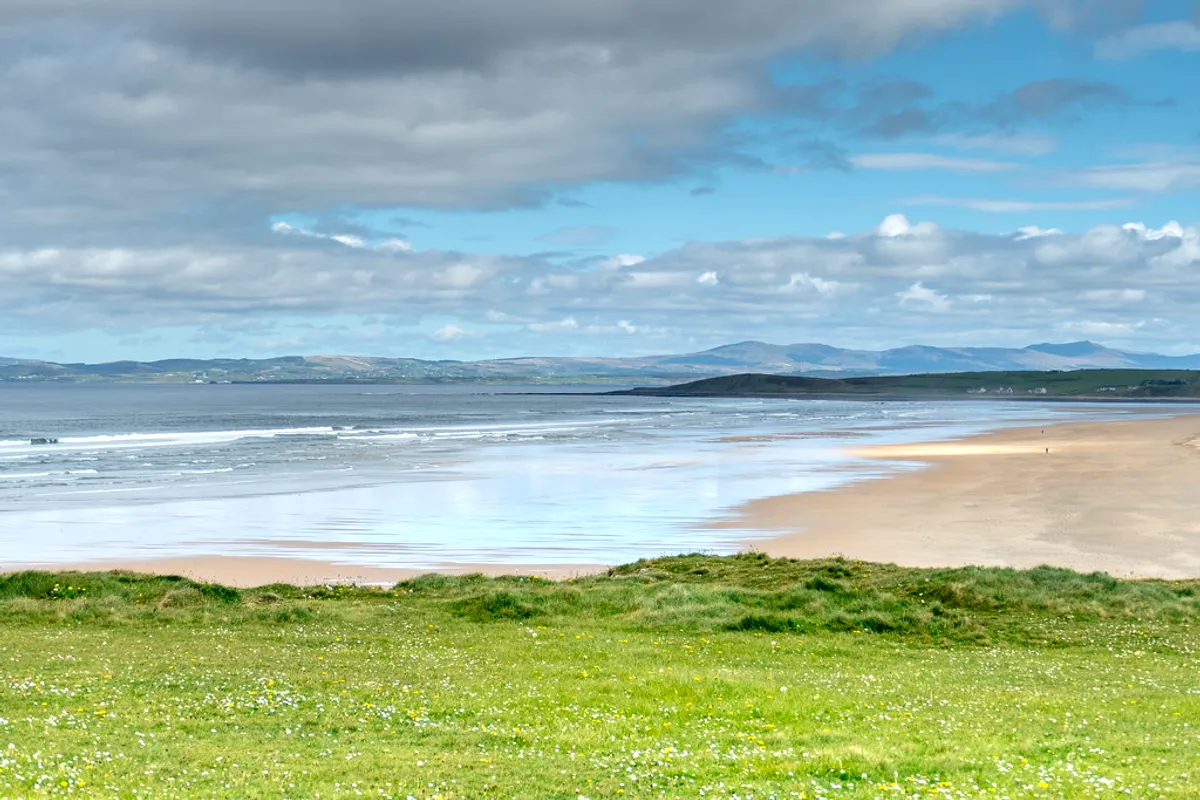
South of the town, the beach continues below the Arriba Fóssil, a line of ancient cliffs protected as a nature reserve. A small summer train, the Transpraia, runs along the dunes, stopping at a series of beaches with simple restaurants. Further south, Fonte da Telha is a small beach village at the foot of the cliffs, popular with surfers who want fewer people.
These southern beaches are more exposed, with fewer facilities and limited lifeguard cover outside summer. They can offer better waves on some swells, but currents can be stronger, so they suit surfers who are already confident.
When Caparica works best
The most consistent surf runs from September to April, when North Atlantic swells reach the coast regularly. Autumn often brings the best combination of swell, mild water and lighter winds. Winter can be excellent between storms, though the beach becomes too big and messy on the stormiest days. Summer is usually smaller, with afternoon northerly winds and crowded beaches, but it is the easiest time for complete beginners.
Because the beach is long and faces west, it rarely goes completely flat, which helps explain why so many schools teach here all year.
From Lisbon by bus, ferry or car
From central Lisbon, buses cross the 25 de Abril Bridge to Costa da Caparica, with regular services from several points in the city. Another option is the ferry from Cais do Sodré to Cacilhas, followed by a bus to the beach, which adds a scenic river crossing. Many surf schools offer pick-ups from central Lisbon, which is often the simplest choice for visitors with lessons booked.
By car, the drive takes around half an hour outside rush hour, but traffic on the bridge can be heavy, particularly on summer weekends. Parking near the town beaches fills quickly in summer.
Staying in Caparica or in Lisbon
Many visitors stay in Lisbon and travel to the beach each day for lessons, enjoying the city's food, nightlife and sights in the evening. Others prefer to stay in Costa da Caparica itself, where surf houses, guesthouses and apartments are within walking distance of the sand. Staying locally saves travel time and makes early-morning sessions easier.
The town is lively in summer and much quieter in winter. Accommodation in the south, near Fonte da Telha, is limited, so most surfers who want the quieter beaches drive there from the town.
Carcavelos and other Lisbon breaks
Costa da Caparica is not Lisbon's only option. Carcavelos, on the Cascais train line west of the city, is a busy beach break that can be very good on the right swell and is reachable in about twenty minutes by train from Cais do Sodré. Further west, Guincho is an exposed, windy beach inside the Sintra-Cascais Natural Park, better suited to experienced surfers and kitesurfers.
Ericeira, about forty-five minutes north of Lisbon, offers reefs and points for intermediate and advanced surfers. With a car, you can choose between these areas depending on swell and wind.
Lisbon between sessions
One of Caparica's greatest advantages is Lisbon itself. After a morning in the water, you can explore the Alfama and Mouraria neighbourhoods, ride the historic trams, visit the Belém Tower and Jerónimos Monastery or watch the sunset from one of the city's viewpoints. The Cristo Rei statue in Almada, near Caparica, offers views back across the river.
On the beach side, seafood restaurants along the sand serve grilled fish, clams and shellfish, and the beach bars are popular at sunset.
Costa da Caparica surf season month by month
A broad planning picture, not a forecast. Swell, wind and water temperature vary from year to year.
| January | Winter swells and cool water (a 4/3). Excellent between storms; too big and messy on the stormiest days. |
|---|---|
| February | Consistent swell and quiet beaches on weekdays. A good month for improvers with a school. |
| March | Still consistent, with lengthening days and some spring sunshine. |
| April | Swells ease and the weather warms. A good shoulder month for lessons. |
| May | Smaller, friendlier waves and warm days. Afternoon northerly winds begin to appear. |
| June | Summer conditions: small surf, warm weather and busier beaches, especially at weekends. |
| July | Peak season: crowded beaches, small waves and lively beach bars. Surf in the morning. |
| August | The busiest month, with the warmest water of the year (still cool). Great for first lessons. |
| September | The first autumn swells arrive, crowds thin and the water is still relatively mild. |
| October | Often the best month, with consistent swell and lighter winds. |
| November | Bigger swells and changeable weather. Good for intermediates; a 4/3 wetsuit returns. |
| December | Winter swells and cool water. Quieter town, with good days between weather fronts. |
Learning to surf at Costa da Caparica
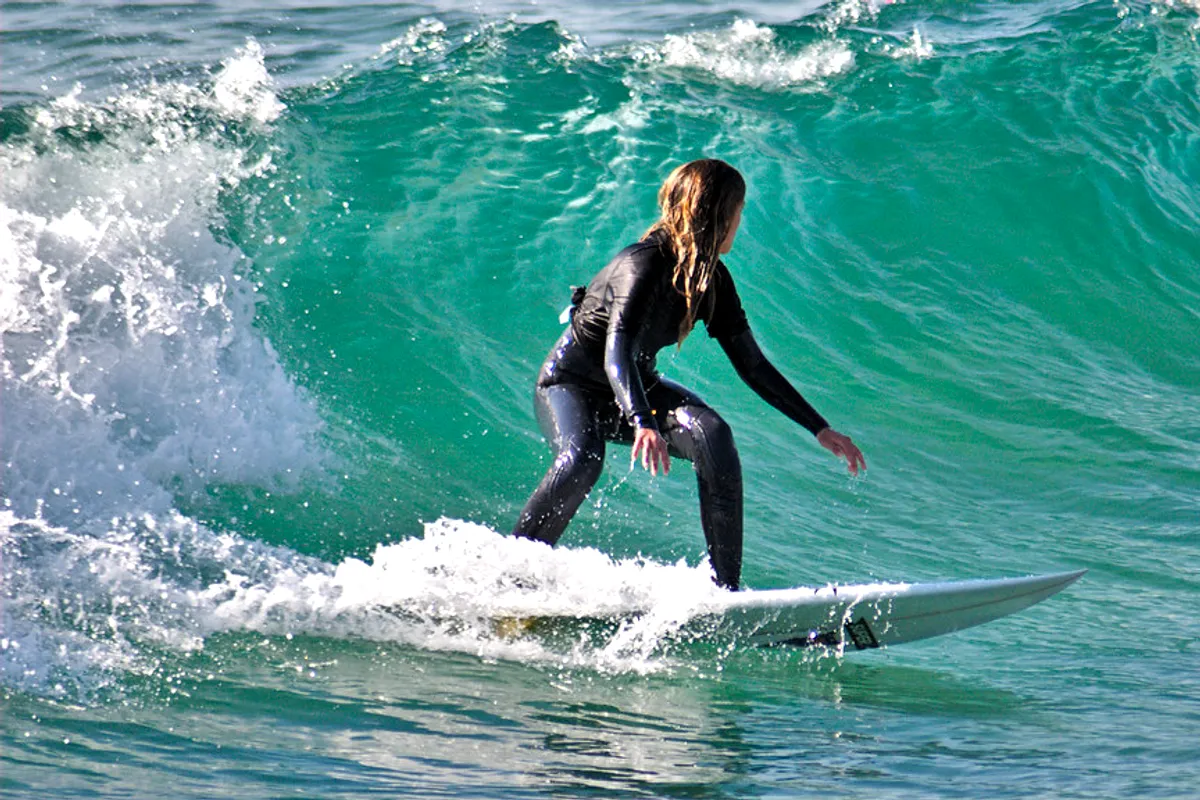
Costa da Caparica is one of the busiest learning beaches in Portugal. Dozens of schools operate along the jetty beaches, offering single lessons, multi-day courses and surf camps, often with transport from central Lisbon. The gently sloping sand and the variety of peaks between the jetties make it forgiving for first sessions.
When comparing schools, ask which beach they use, how many students share an instructor and whether pick-ups from the city are included. In summer, lessons usually run in the mornings before the wind picks up; in winter, schools choose the most sheltered section on big days. Many visitors build a trip around a few days of lessons here followed by a day trip to Ericeira or Peniche to see Portugal's more famous waves.
Comparing options across the country? Read our guide to surfing in Portugal.
Seasonal notes on this page describe typical patterns, not the conditions on a given day. Use the local forecast, lifeguard advice and a qualified instructor for water-safety decisions, and get a written breakdown of what any surf package includes before paying.
Costa da Caparica surf trip questions
Is Costa da Caparica good for beginners?
Yes. Its gently sloping beaches and jetty-shaped peaks are forgiving, and dozens of surf schools teach there, many with pick-ups from central Lisbon.
How do I get from Lisbon to Costa da Caparica?
Buses cross the 25 de Abril Bridge from several points in Lisbon, or you can take the ferry from Cais do Sodré to Cacilhas and then a bus. By car, it takes around half an hour outside rush hour.
When is the best time to surf Costa da Caparica?
September to April brings the most consistent swells, with autumn often best. Summer is smaller and busier but ideal for first lessons.
Costa da Caparica or Carcavelos?
Carcavelos is a single, busy beach on the train line west of Lisbon. Costa da Caparica is a much longer stretch of beach south of the river, with more peaks and space to spread out.
What is the Transpraia?
A small summer train that runs along the dunes south of Costa da Caparica, stopping at a series of beaches below the fossil cliffs.
Can I surf in Lisbon in winter?
Yes. Costa da Caparica and Carcavelos work through winter, with consistent swells and fewer people. Bring or rent a 4/3 wetsuit.
Is Costa da Caparica crowded?
The central jetty beaches get busy at weekends and in summer, with many schools and local surfers. Weekday mornings and the beaches further south are usually quieter.
Are there lifeguards at Costa da Caparica?
Yes, during the official bathing season, typically in summer, on the main beaches. Outside that season, most beaches are unpatrolled.
Sources & editorial notes
Destination context checked against the sources below. Base-selection and itinerary suggestions are Book & Surf editorial recommendations. Seasonal windows are broad planning suggestions, not measured forecasts or guarantees.
We do not claim to have personally surfed every break. Read our editorial standards.