Why Portugal is Europe's surf country
Portugal sits on the western edge of Europe, fully exposed to North Atlantic swell. Storms that form between Newfoundland and Iceland send long-period groundswell towards its coast throughout autumn, winter and spring, while smaller swells and gentler conditions arrive in summer. Almost any week of the year has surf somewhere along the coast.
What makes Portugal special is the variety. The coast changes direction several times, so there are beaches facing north-west, west and south. The geology changes too: long sandy beaches in the north and centre, limestone reefs around Ericeira, rugged cliffs and coves in the Alentejo and the south-west, and sheltered south-facing bays in the Algarve. That variety means you can usually find a wave that suits your level and the day's wind.
Add affordable travel by Western European standards, good food, safe and welcoming towns, short flights from much of Europe and a well-developed network of surf schools and camps, and it is easy to see why Portugal has become the continent's most popular surf destination.
When to go surfing in Portugal
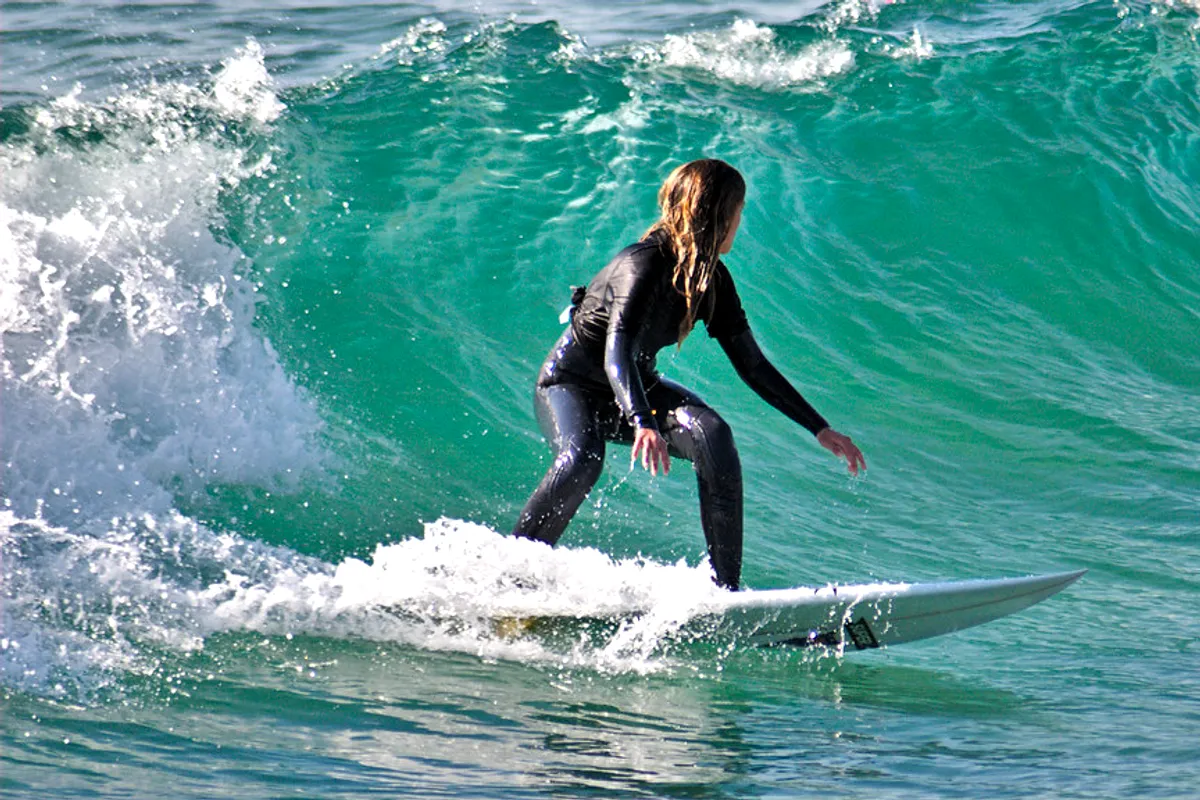
Autumn, from September to November, is the best all-round season. The first big Atlantic swells arrive, the water is still relatively mild after summer, winds are often lighter, and crowds thin out after the school holidays. It suits intermediate and advanced surfers, and beginners can still learn at sheltered beaches.
Winter, from December to February, brings the most powerful and consistent surf, along with rain, colder water and short days. This is when Nazaré's big waves break and when the reefs and points around Ericeira are at their best. Spring, from March to May, is a good shoulder season, with regular swell, longer days and fewer visitors.
Summer, from June to August, usually brings smaller waves, warm and sunny weather and strong northerly winds in the afternoons, known locally as the nortada. It is the best time for complete beginners and families, and the busiest season in beach towns. South-facing beaches in the Algarve can be very small in summer, while west-facing beaches still pick up some swell.
How cold is the water in Portugal?
The Atlantic off Portugal is cooler than many visitors expect, because of the Canary Current that flows south along the coast and upwelling in summer. In the north and centre, water temperatures are typically in the mid-teens Celsius for much of the year, reaching the high teens in late summer. The Algarve's south coast is a few degrees warmer.
Most surfers use a 4/3 wetsuit for much of the year, a 3/2 in summer and early autumn, and a 5/4 with boots in winter in the north. Surf schools and rental shops include wetsuits in their prices, so you do not need to bring your own if you are taking lessons.
Nazaré and Portugal's big waves
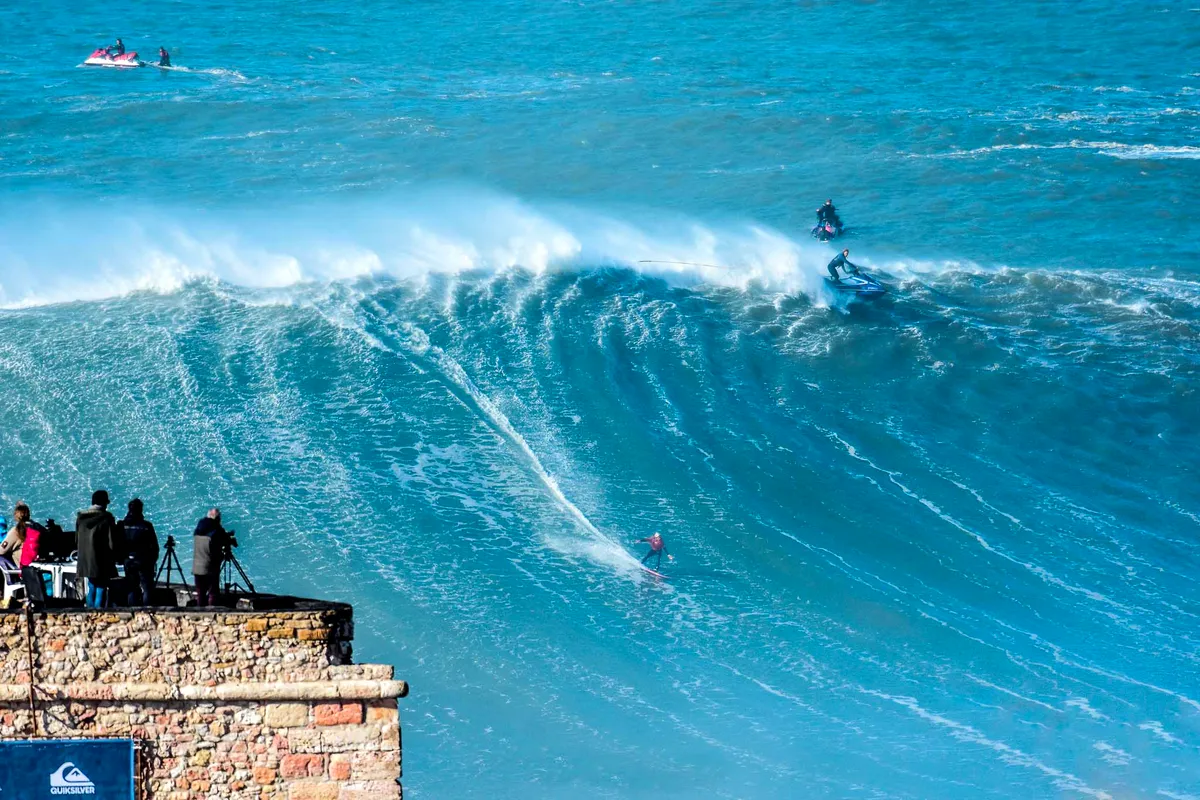
Nazaré's Praia do Norte became world-famous when surfers began riding giant waves there in the early 2010s. The reason is under the water: the Nazaré Canyon, a submarine canyon that runs close to the shore, focuses and amplifies swell energy, so waves at Praia do Norte can be far bigger than elsewhere on the same coast. On the biggest winter days, tow-in teams on jet skis pull surfers into waves that have set world records.
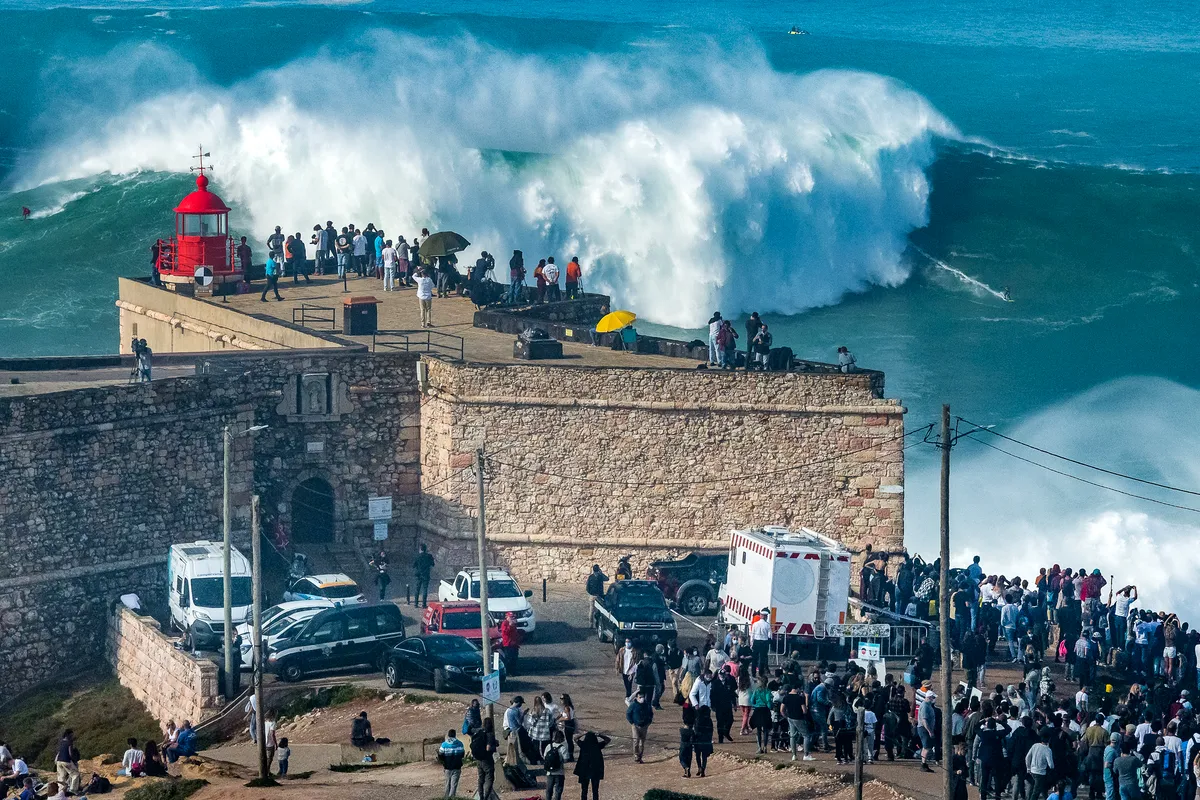
For visitors, Nazaré is a spectacle rather than a surf spot. The lighthouse at the Fort of São Miguel Arcanjo, on the headland above Praia do Norte, is the classic viewpoint, and on major swells thousands of people gather there. Check big-wave forecasts and local news, arrive early and stay behind barriers: the headland can be dangerous in storms. On smaller days, Praia do Norte is still a powerful beach break with strong currents, and Nazaré's main town beach is more sheltered. The town itself, with its traditional fishing culture, is worth a visit in any season.
Getting to and around Portugal
Portugal's main international airports are Lisbon, Porto and Faro, with frequent flights from across Europe and beyond. Lisbon is closest to Ericeira, Cascais, Costa da Caparica and Peniche. Porto is the gateway to the northern coast. Faro serves the Algarve.
Trains and express coaches link the main cities, and regional buses reach most surf towns. However, a rental car is by far the most flexible way to follow the swell and wind, especially in the Alentejo and the south-west, where public transport is limited. Many surf camps offer airport transfers and daily transport to the beaches.
Culture, etiquette and staying safe
Portuguese surfers are generally welcoming, but popular line-ups can be crowded and competitive, especially at reef and point breaks. Sit wide when you arrive, wait your turn and never drop in. Group lessons should stay in beginner areas rather than spreading into the main peaks.
Lifeguards patrol many beaches during the official bathing season, typically in summer, using flags to indicate conditions. Outside that season, many beaches are unpatrolled. Rip currents are common on exposed beaches; learn to recognise them and surf within your ability. The Portuguese Institute for Sea and Atmosphere (IPMA) issues marine warnings for big swells and strong winds.
Out of the water, Portugal's food culture is a highlight: grilled fish, seafood rice, pastéis de nata and regional wines. Many surf towns are working fishing communities, so respect harbours and local life.
Surf regions of Portugal
Porto and the north
The coast north and south of Porto has long sandy beaches that pick up plenty of swell, with a cooler climate and fewer international visitors than the south. Matosinhos, right next to Porto, is a popular city beach for lessons, while Espinho to the south has a well-known right-hand wave by the jetty. Further north, Póvoa de Varzim and Viana do Castelo offer quieter beaches and a strong local surf scene. Water here is the coldest in mainland Portugal, so a good wetsuit is essential.
Known for: Matosinhos, Espinho, Póvoa de Varzim, Viana do Castelo
The Silver Coast: Figueira da Foz, Nazaré and Peniche
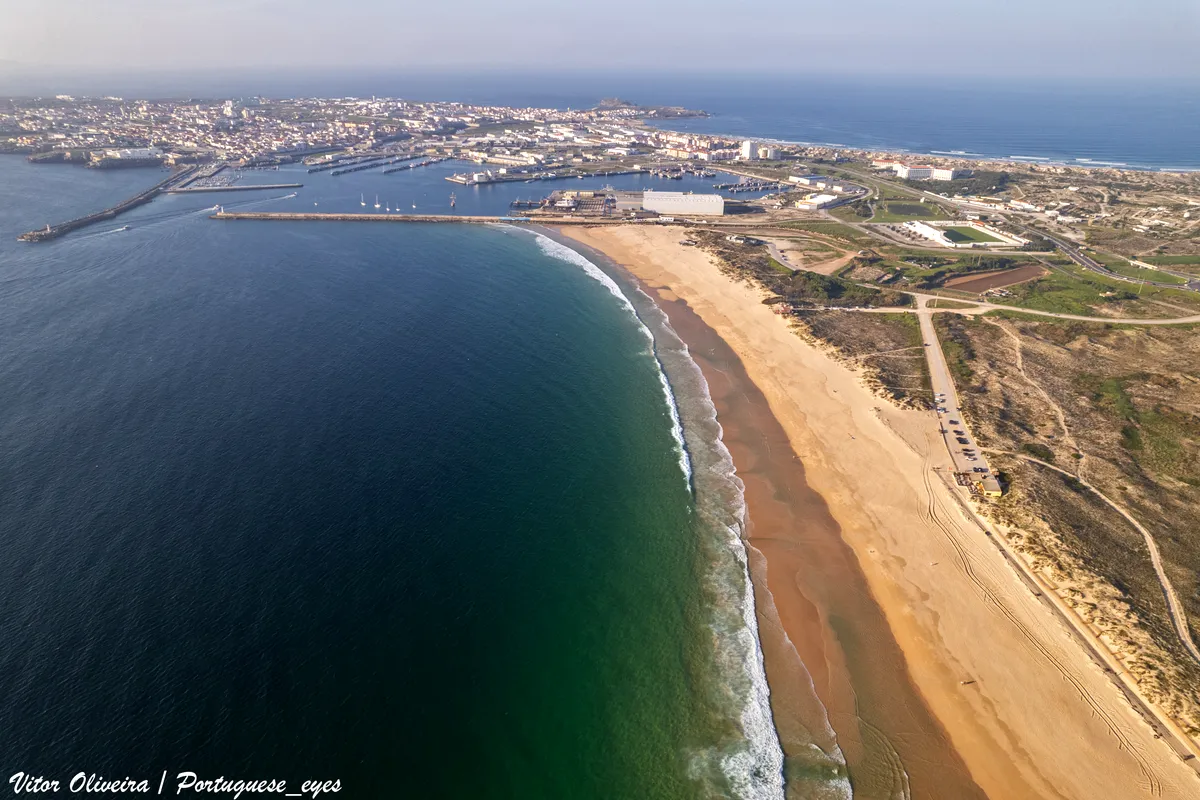
The central coast, sometimes called the Silver Coast, includes some of Portugal's most famous surf. Figueira da Foz has long right-hand point waves at Buarcos and Cabedelo. Nazaré's Praia do Norte, sitting above a deep submarine canyon, produces some of the biggest waves ever surfed, and on big winter days the fort above it becomes a viewing platform for the world. Further south, Peniche and Baleal offer beach breaks facing several directions, making it one of the most flexible surf areas in Europe and a hub for surf camps.
Lisbon and Ericeira
Ericeira, around 45 minutes north of Lisbon, is a World Surfing Reserve with a dense cluster of reef and point breaks, from Ribeira d'Ilhas to Coxos. Closer to the city, the Cascais coast has Carcavelos, a popular beach break reachable by train, and Guincho, an exposed, windy beach in a natural park. South of the Tagus, Costa da Caparica stretches for kilometres of sandy beaches with jetty-assisted peaks and many surf schools. You can surf and still enjoy Lisbon in the evening.
Known for: Ericeira, Carcavelos, Guincho, Costa da Caparica
The Alentejo coast
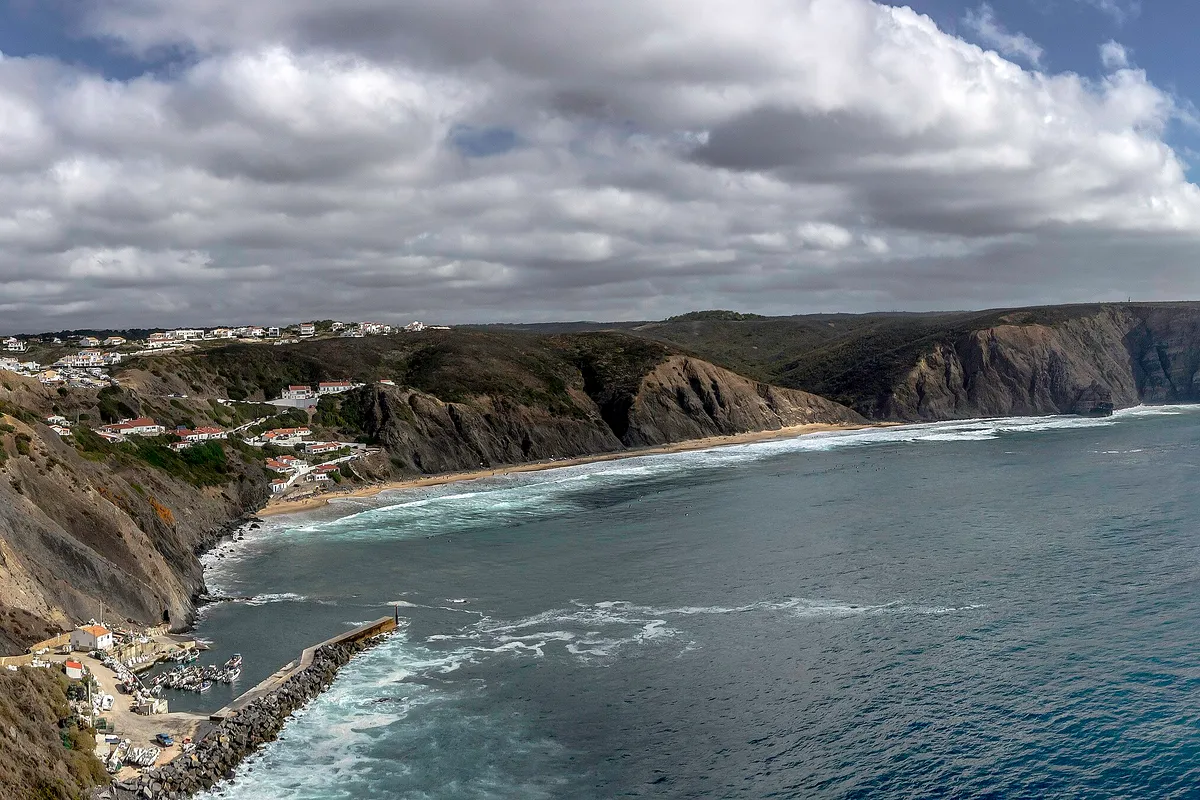
South of Lisbon, the Alentejo coast is wilder and less developed, protected within the Southwest Alentejo and Vicentine Coast Natural Park. Small towns such as Vila Nova de Milfontes, Zambujeira do Mar and Odeceixe sit above beaches framed by cliffs and river mouths. Waves are mostly beach breaks, often uncrowded outside summer. Facilities are more limited, so it suits independent travellers with a car who enjoy quiet coastlines.
Known for: Vila Nova de Milfontes, Zambujeira do Mar, Odeceixe
The Algarve and the south-west
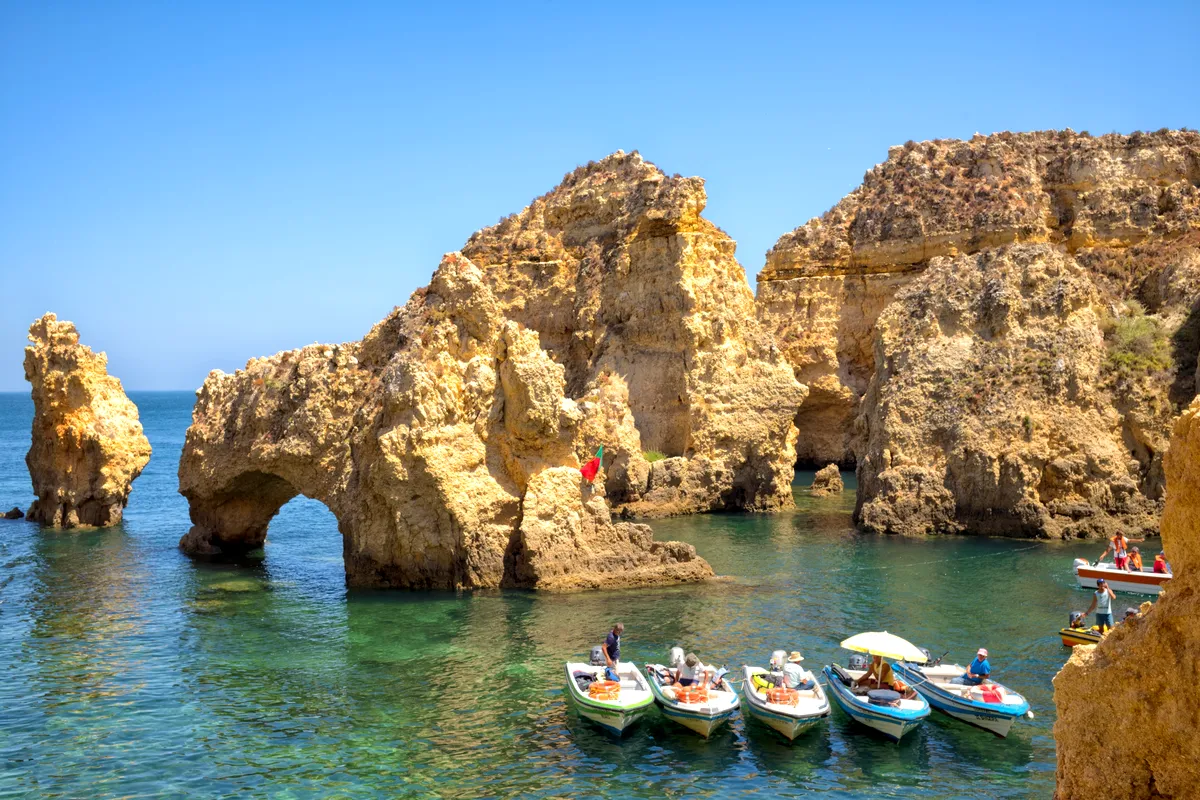
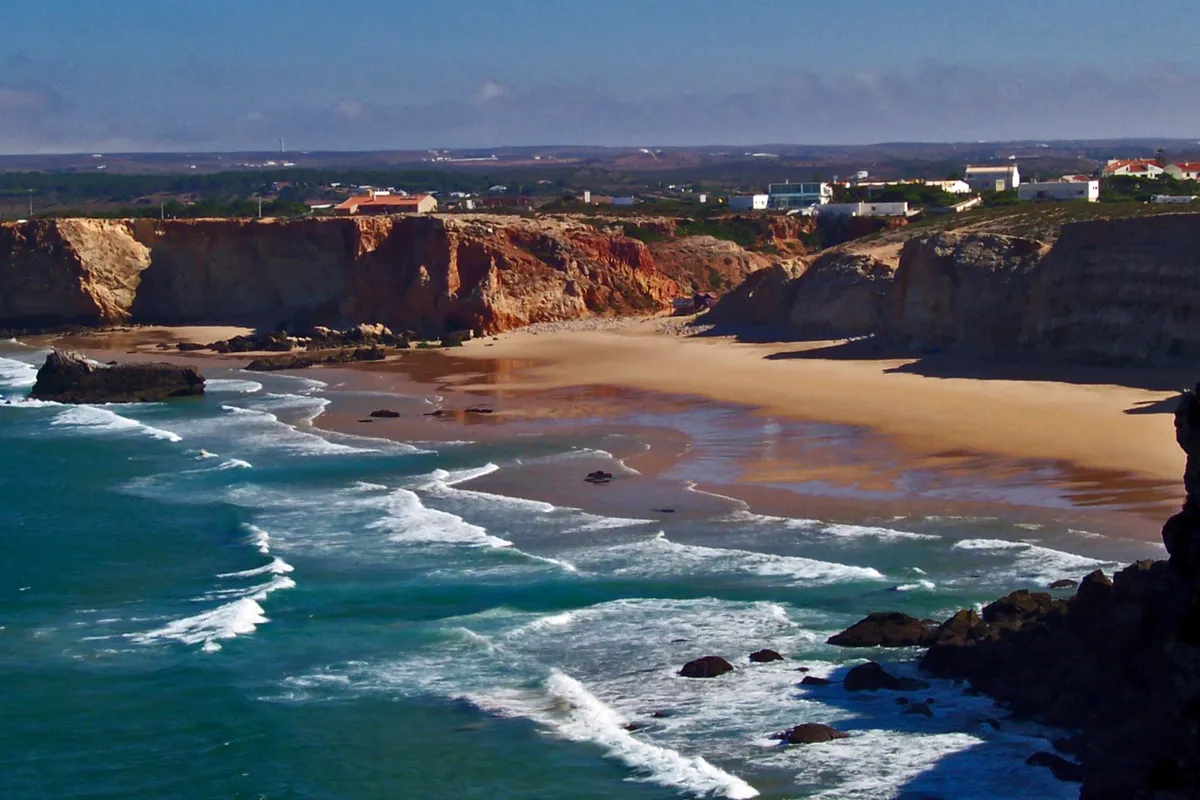
Portugal's southern tip is unusual because it has coastlines facing both west and south within a short drive. The west coast, around Aljezur, Arrifana and Amado, picks up most swells. Around Sagres, beaches such as Tonel and Beliche face different directions, giving options in almost any wind. The south coast, from Lagos to Faro, is more sheltered and only works in bigger swells or with southerly winds, but it is warmer and sunnier. The Algarve is popular with surf camps year-round.
Madeira and the Azores
Portugal's Atlantic islands offer very different surf. Madeira, off the coast of Morocco, has powerful right-hand point and reef breaks over boulders, such as Jardim do Mar and Paul do Mar, mainly for experienced surfers in winter. The Azores, in the mid-Atlantic, are exposed to swell from almost every direction, with volcanic reefs and black-sand beaches such as Santa Bárbara on São Miguel. Both are best for adventurous surfers who enjoy remote, uncrowded waves.
Known for: Jardim do Mar, Paul do Mar, Santa Bárbara (São Miguel)
Learning to surf and choosing a surf camp in Portugal
Portugal is one of the best countries in Europe to learn to surf. Schools and camps are concentrated around Peniche and Baleal, Ericeira, Costa da Caparica, Lisbon's Cascais coast, the Algarve's west coast and around Porto. Most offer packages that include accommodation, lessons, equipment and transport, with options from budget surf houses to boutique villas.
The best camps choose the beach each day based on the swell, wind and tide, rather than always using the same spot. Peniche and the Algarve's south-west are particularly good for this because they have beaches facing different directions. When comparing options, ask about instructor-to-student ratios, instructor qualifications, how many hours of lessons are included and what happens when conditions are unsuitable.
Summer brings smaller waves but busier beaches; spring and early autumn offer a good balance of manageable waves, fewer crowds and lower prices. If you are learning in winter, choose a school that is comfortable moving between beaches and provides thick wetsuits.
Surfing in Portugal: questions
What is the best month to surf in Portugal?
October is often the best month overall, with consistent swell, relatively mild water and fewer crowds. September and November are also excellent. Beginners may prefer June to September for smaller waves and warm weather.
Where is the best place to learn to surf in Portugal?
Peniche and Baleal, the Algarve's south-west around Sagres and Lagos, Costa da Caparica near Lisbon and Ericeira's sheltered beaches are all popular. Peniche and Sagres are especially flexible because they have beaches facing different directions.
Is the water cold in Portugal?
Cooler than many visitors expect. A 4/3 wetsuit is common for much of the year, a 3/2 in summer and a 5/4 with boots in winter in the north.
Can I watch the big waves at Nazaré?
Yes. On big winter swells, the fort above Praia do Norte in Nazaré is a popular viewing point. Check big-wave forecasts and arrive early on major days.
Do I need a car for a surf trip in Portugal?
It helps a lot, especially in the Alentejo and the south-west. Lisbon, Ericeira, Peniche and Costa da Caparica are reachable by public transport, and many surf camps include transport to the beaches.
Is Portugal good for a surf trip in winter?
Yes, for experienced surfers. Winter brings the most powerful and consistent swells, empty line-ups on weekdays and lower prices. Expect cold water, rain and short days. Beginners can still learn with a school that chooses sheltered beaches, particularly in Peniche and the Algarve.
Sources & editorial notes
Country context checked against the sources below. Regional summaries are Book & Surf editorial planning suggestions, not forecasts or safety assessments.