Why surf in Spain
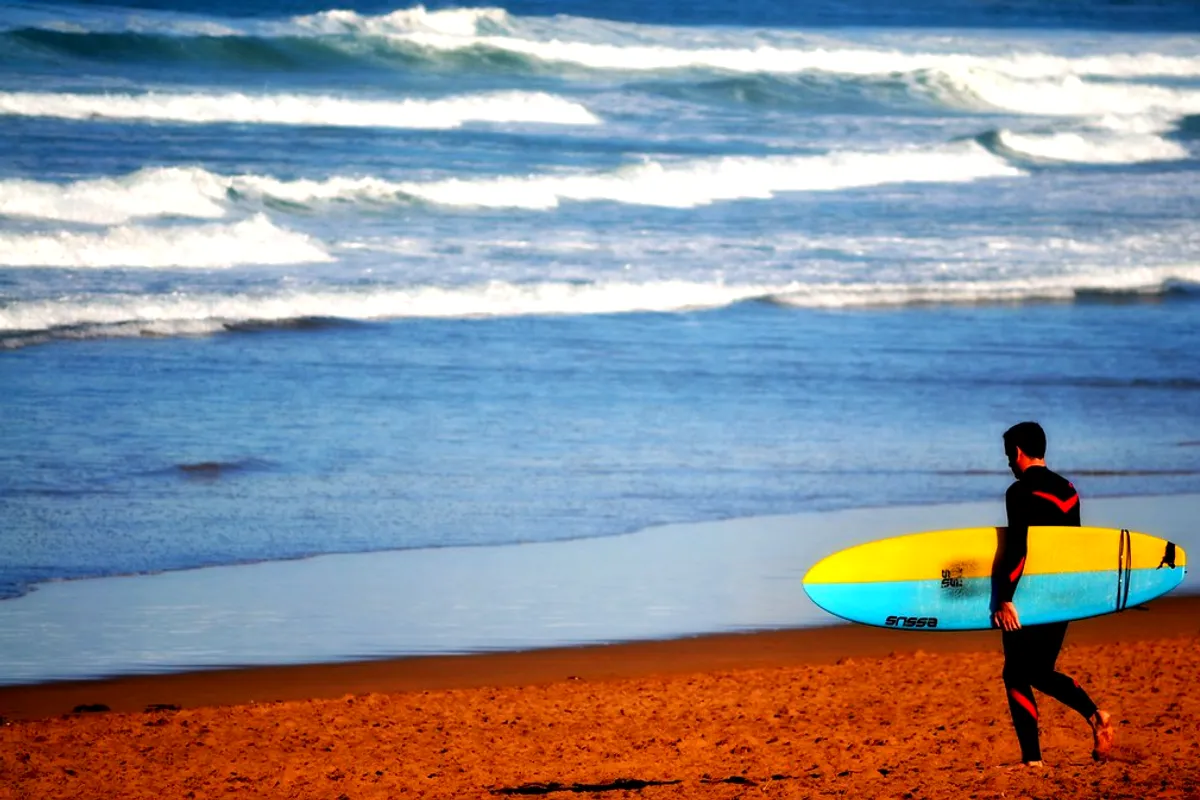
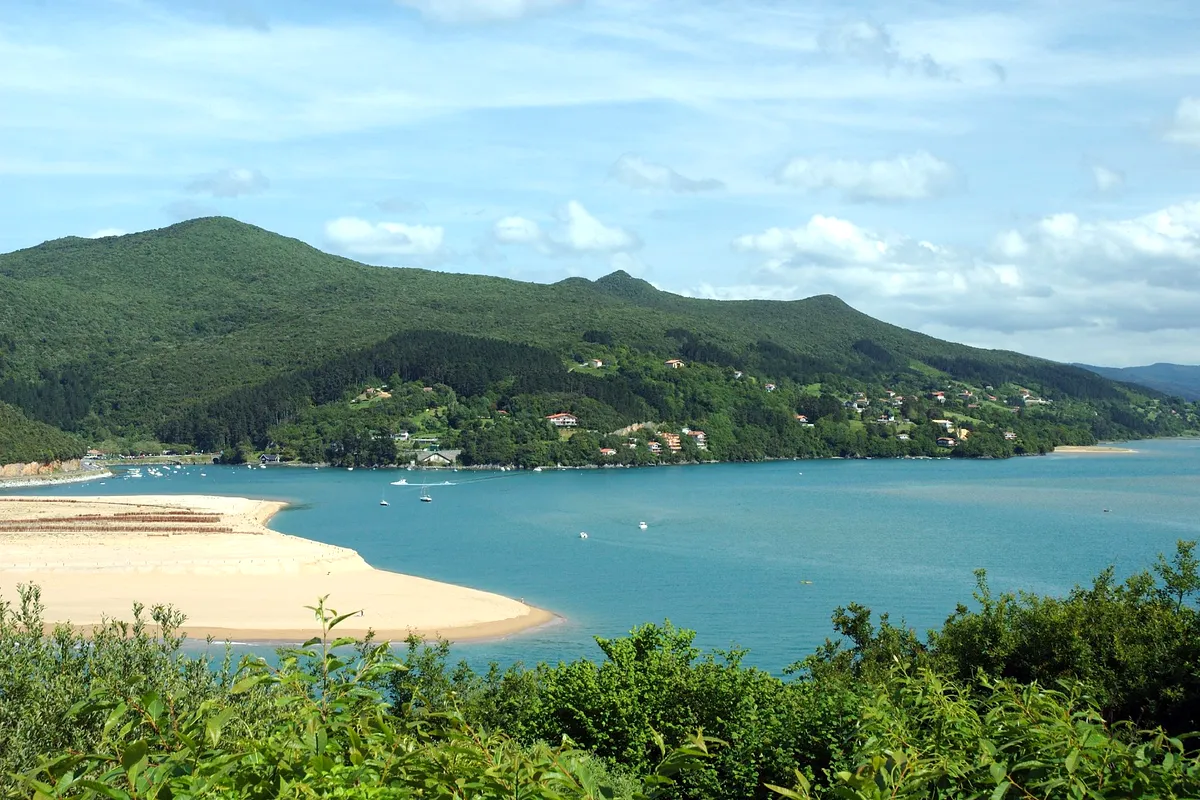
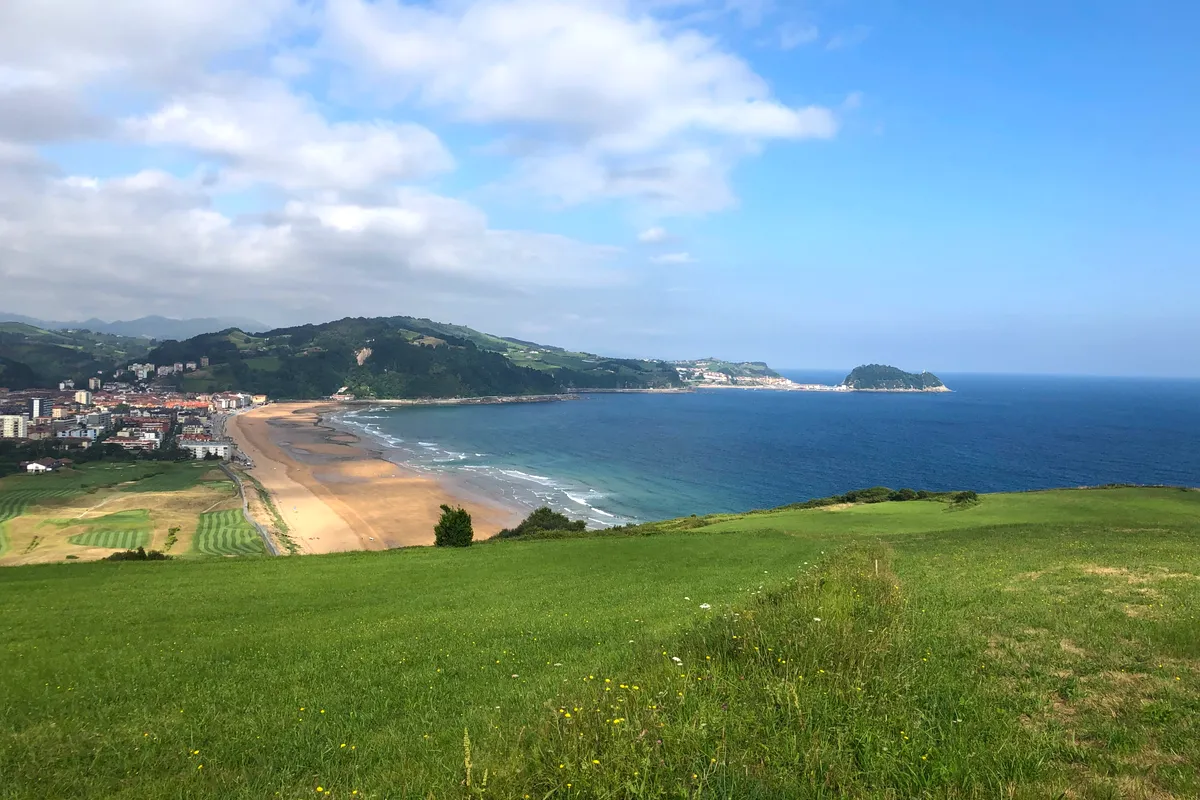
Spain's northern coastline, from the French border to Galicia, faces north and west into the Bay of Biscay and the North Atlantic. It receives consistent swells from autumn to spring and has a dramatic landscape of cliffs, river mouths, sandy bays and mountains that come right down to the sea. The surf culture here is strong, particularly in the Basque Country and Cantabria, with clubs, contests and shapers.
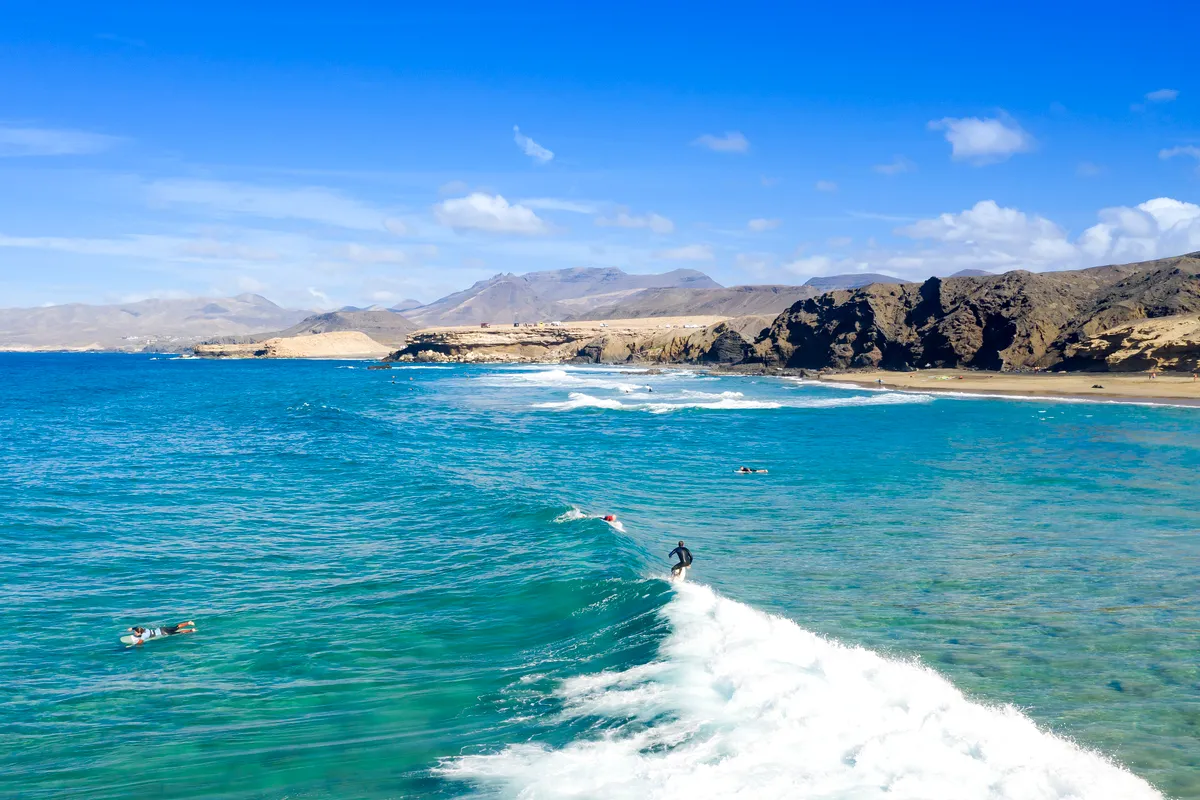
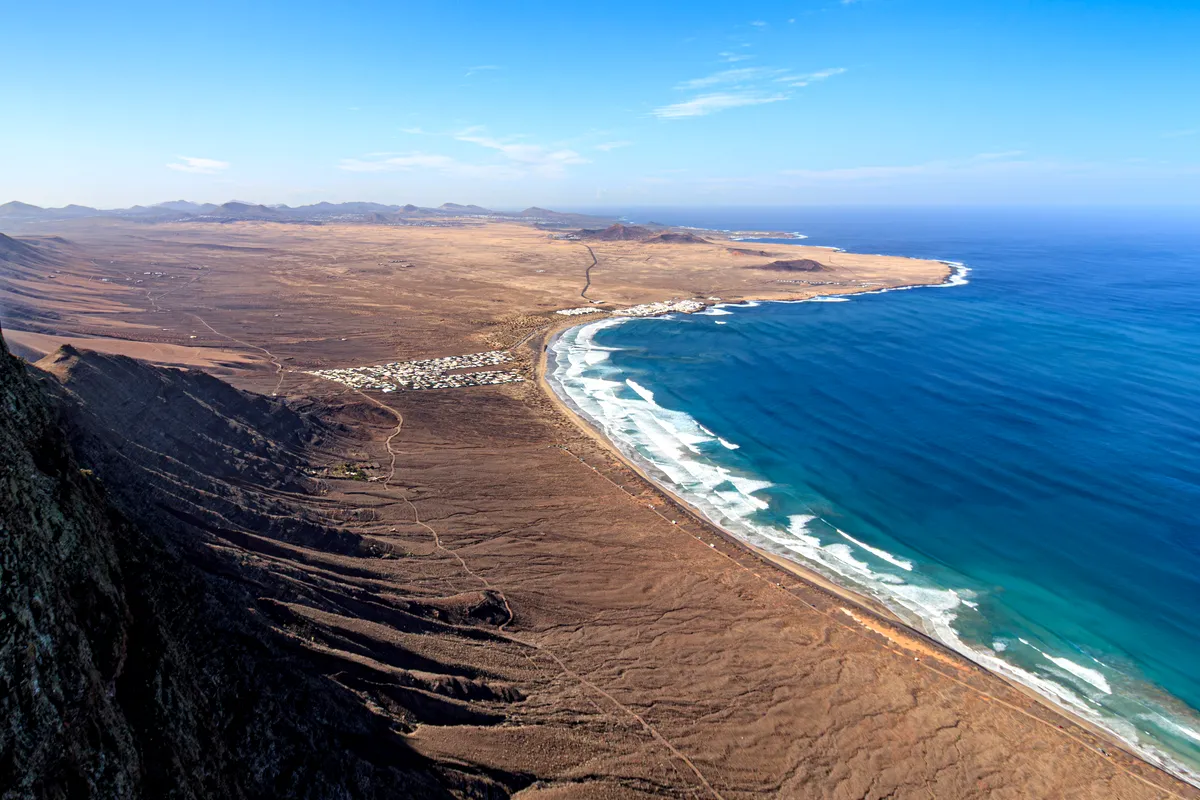
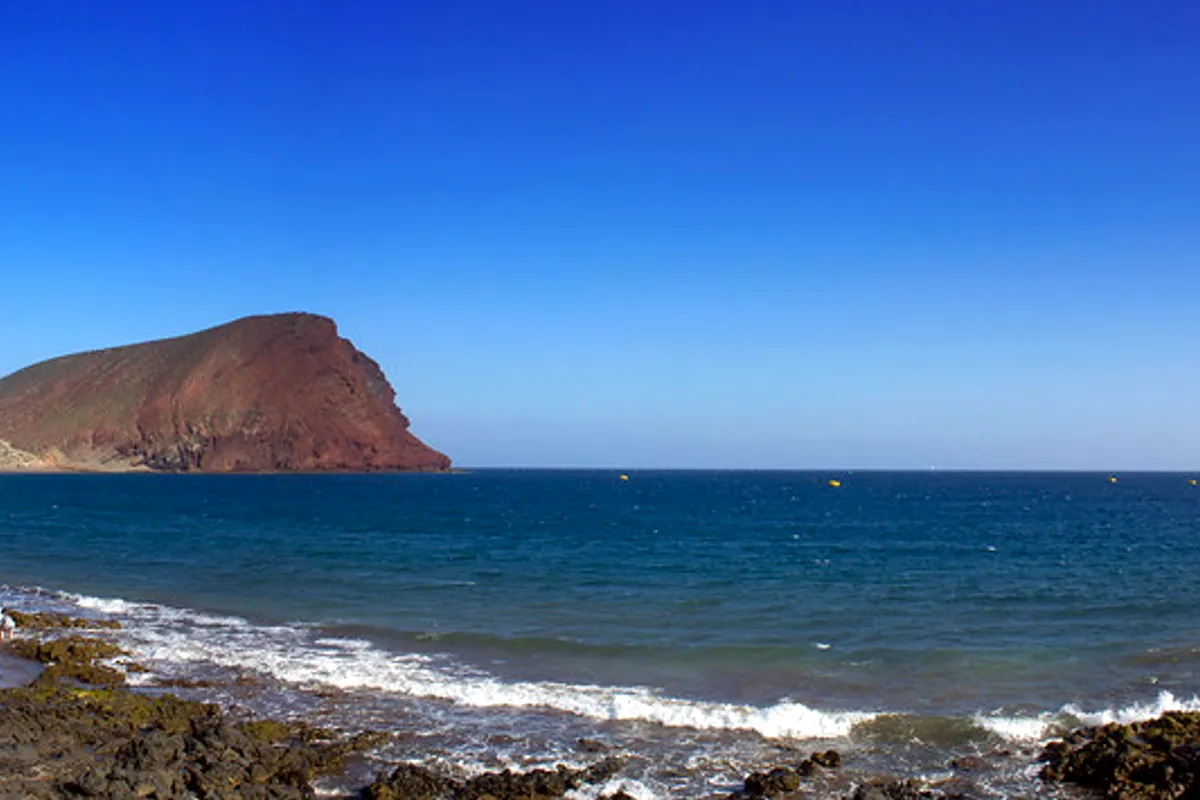
The Canary Islands, far to the south-west off the coast of Morocco, offer a completely different experience: volcanic reefs, desert landscapes, subtropical weather and winter sunshine. They are one of Europe's most popular winter surf destinations. Spain's southern coast, around Cádiz in Andalusia, has occasional surf but is better known for wind sports. The Mediterranean coast rarely gets surfable waves.
When to go surfing in Spain
On the north coast, autumn, from September to November, is often the best time, with consistent swells, water still relatively mild after summer and fewer crowds. Winter brings the most powerful swells, cold water and rain, and is the season when Mundaka and other big-wave spots break. Spring offers good swells and longer days. Summer is usually small, warm and busy, best for beginners.
In the Canary Islands, the main surf season runs from October to March, when North Atlantic swells arrive and trade winds are often lighter. Summer brings stronger trade winds and smaller swells, making it better for kitesurfing and windsurfing, although learners can still find waves.
How cold is the water in Spain?
The north coast of Spain is cool to cold for much of the year. Water temperatures range from the low teens Celsius in winter to around twenty in late summer. A 4/3 wetsuit with boots is common in winter, a 3/2 in late spring and autumn, and a 3/2 or shorty in late summer.
The Canary Islands are milder, with water around 18–19°C in late winter and 22–23°C in late summer. A 3/2 wetsuit is common in winter and a shorty in summer. Reef booties are useful on volcanic reefs.
Travelling around Spain
On the north coast, Bilbao, Santander, Asturias and Santiago de Compostela airports serve the main surf regions, with Biarritz in France also convenient for the Basque Country. Trains and buses connect coastal towns, but a car is the best way to explore the coast and follow the swell. Ferries connect the UK with Bilbao and Santander, popular with surfers bringing their own vehicles.
The Canary Islands have airports on each main island, with direct flights from across Europe. Ferries connect the islands, including frequent services between Fuerteventura and Lanzarote. A rental car is useful on each island.
Culture, food and etiquette
The north of Spain is known for its food, from pintxos in the Basque Country to seafood in Galicia and cider in Asturias. Surf trips here often revolve around long lunches and evening tapas. The Basque Country has its own language, Euskara, and a strong cultural identity.
In the water, popular breaks such as Mundaka and the best reefs can be crowded and competitive, with strong local crews. Respect local surfers, wait your turn and never drop in. In the Canary Islands, the reefs also have committed local communities. Support local businesses and respect the environment.
Mundaka: Europe's most famous left
Mundaka is a small fishing village at the mouth of the Urdaibai estuary, a UNESCO biosphere reserve in the Basque province of Bizkaia. When a solid north-west swell arrives and the tide is right, waves break over a sandbar formed at the river mouth and peel to the left for a long distance, often producing fast, hollow barrels. On its best days, it is regarded as one of the finest left-hand waves in the world and has hosted professional contests.
Mundaka is also notoriously fickle. The sandbar depends on river flow, dredging and storms, and the wave needs a particular combination of swell size, direction and tide. There are long periods when it barely breaks. When it does, the line-up is crowded with experienced local and visiting surfers, and the current from the estuary is strong. It is a wave to watch from the harbour wall unless you are an experienced surfer, and a reminder of how special conditions can create something extraordinary.
Safety and conditions
Spain's north coast can be powerful, particularly in winter, with strong currents around river mouths and headlands. Lifeguards patrol many beaches in summer, but most beaches are unpatrolled outside the holiday season. Check AEMET, the Spanish meteorological agency, for marine warnings.
In the Canary Islands, volcanic reefs are sharp and often shallow, and some waves are very powerful. Watch carefully before paddling out, wear booties where recommended and ask locally about entries and exits. Strong trade winds can make conditions choppy and affect drift.
Planning a Spanish surf trip
For the north coast, many surfers base themselves in the Basque Country or Cantabria and explore by car, combining surf with food, cities such as San Sebastián and Bilbao, and mountains such as the Picos de Europa. A road trip along the north coast from the French border to Galicia can take a week or more and passes dozens of surf spots.
For the Canary Islands, a week based in Corralejo on Fuerteventura or Famara on Lanzarote is popular, with the option to take a ferry between the two. Tenerife and Gran Canaria offer more urban surf scenes and a wider range of activities.
Surf regions of Spain
The Basque Country
The Spanish Basque Country has some of Europe's most famous waves. Mundaka, at the mouth of the Urdaibai estuary, is a world-renowned left-hand river-mouth wave that can produce long, hollow barrels on the right swell and tide. Zarautz has a long beach popular with surf schools, while San Sebastián's Zurriola beach offers city surfing. Sopelana, near Bilbao, and Bakio are popular with locals and visitors.
Known for: Mundaka, Zarautz, San Sebastián (Zurriola), Sopelana, Bakio
Cantabria
Cantabria's coast has beaches, reefs and river mouths, with Santander as its main city. Somo, across the bay from Santander, is a long beach with many surf schools and camps. Liencres, west of Santander, has dunes and beach breaks, while Santa Marina, an island reef near Somo, is known for powerful waves. The region has a strong surf culture and is a good base for exploring.
Known for: Somo, Liencres, Santa Marina, El Sardinero
Asturias
Asturias, known for its green mountains and cider, has a rugged coast with beaches and river mouths. Rodiles, at the mouth of the Villaviciosa estuary, is a left-hand river-mouth wave, and Salinas, near Avilés, is a long beach popular with locals. Tapia de Casariego, in the west, has a strong surf community and hosts contests.
Known for: Rodiles, Salinas, Tapia de Casariego
Galicia
Galicia, in Spain's north-west corner, faces the open Atlantic and receives the most swell in Spain. Its coastline of rías, headlands and beaches offers many uncrowded waves. Pantín, near Ferrol, hosts international contests, while Razo and Doniños are popular beaches. A Lanzada, further south, is a long beach with surf schools. Water is cold, and the weather can be wet.
Known for: Pantín, Razo, Doniños, A Lanzada
Andalusia
Spain's south coast, around Cádiz on the Atlantic side of the Strait of Gibraltar, has occasional surf, particularly in winter. El Palmar, near Vejer de la Frontera, is the best-known surf beach, with surf schools and a relaxed atmosphere. Nearby Tarifa is famous for kitesurfing and windsurfing due to strong winds. The Mediterranean coast rarely gets surfable waves.
Known for: El Palmar, Los Caños de Meca
The Canary Islands
The Canary Islands are Spain's winter surf destination. Fuerteventura has powerful volcanic reefs on its North Shore and sandy beaches around Corralejo and El Cotillo. Lanzarote has Famara's long learning beach and the heavy reefs of La Santa. Tenerife has reef breaks around Las Américas and the south, while Gran Canaria has city surf in Las Palmas, including El Confital.
Known for: Fuerteventura, Lanzarote, Tenerife, Gran Canaria
Learning to surf in Spain
Spain has many surf schools and camps. On the north coast, popular learning beaches include Zarautz in the Basque Country, Somo and Liencres in Cantabria, Salinas in Asturias and A Lanzada in Galicia. Summer and early autumn offer the gentlest conditions, while spring and late autumn can be good with a school that chooses carefully.
In the Canary Islands, Famara on Lanzarote and the beaches around Corralejo on Fuerteventura are popular for learning, with many surf camps offering packages with accommodation. Winter brings more consistent swell, while summer can be windy.
When choosing a school, ask about instructor qualifications, group size and how they choose beaches. Many Spanish surf schools are affiliated with regional or national surfing federations.
Surfing in Spain: questions
When is the best time to surf in Spain?
On the north coast, autumn from September to November is often best. In the Canary Islands, the main season runs from October to March. Summer is small on the north coast and windy in the Canaries.
Where is the best place to learn to surf in Spain?
Zarautz, Somo, Liencres, Salinas and A Lanzada on the north coast, and Famara and Corralejo in the Canary Islands, are all popular learning spots with many surf schools.
What is Mundaka?
Mundaka is a world-famous left-hand river-mouth wave in the Spanish Basque Country, known for long, hollow barrels on the right swell and tide. It is for experienced surfers.
What wetsuit do I need in Spain?
On the north coast, a 4/3 with boots in winter and a 3/2 in summer and autumn. In the Canary Islands, a 3/2 in winter and a shorty in summer.
Can I surf in Spain in winter?
Yes. The north coast has powerful winter swells and cold water, ideal for experienced surfers. The Canary Islands offer warmer, sunnier winter surf for all levels.
Is there surf on Spain's Mediterranean coast?
Rarely. The Mediterranean only occasionally gets surfable waves during storms. For reliable surf, head to the north coast, Andalusia's Atlantic coast or the Canary Islands.
Where can I surf near San Sebastián?
San Sebastián's Zurriola beach is a city surf beach with surf schools, and Zarautz, about half an hour west, has a long beach popular with learners. Further west, the Bizkaia coast offers Sopelana, Bakio and, on the right days, Mundaka.
Is the north of Spain good for a surf road trip?
Yes. The coast from the French border to Galicia has dozens of beaches, reefs and river mouths, with excellent food and dramatic scenery. A car or campervan lets you follow the swell and wind.
Tenerife or Gran Canaria for surfing?
Both have year-round surf and plenty of amenities. Tenerife has reef breaks around Las Américas and the south, while Gran Canaria offers city surfing in Las Palmas, including Las Canteras and El Confital. Fuerteventura and Lanzarote are generally more surf-focused.
Do I need a car to surf in northern Spain?
It helps a lot. Trains and buses connect the main towns, but many beaches and river mouths are easiest to reach by car.
Sources & editorial notes
Country context checked against the sources below. Regional summaries are Book & Surf editorial planning suggestions, not forecasts or safety assessments.