Why surf in Ireland
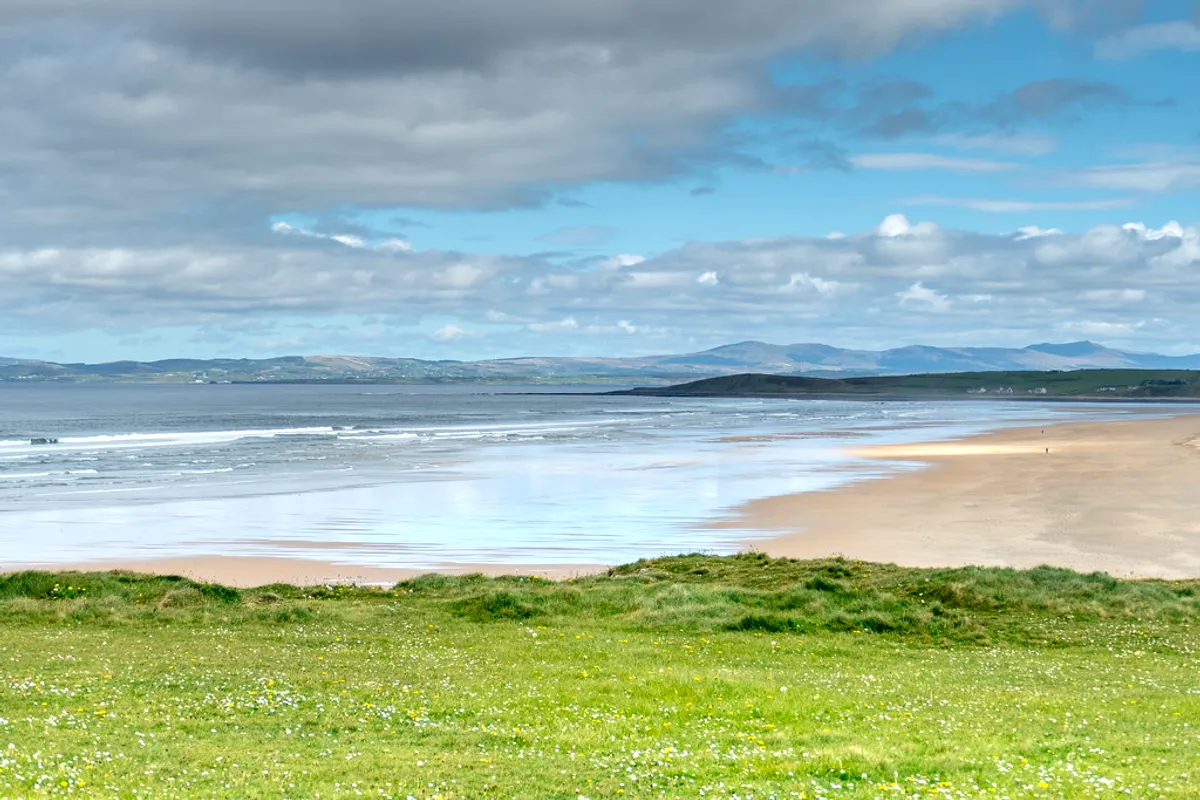
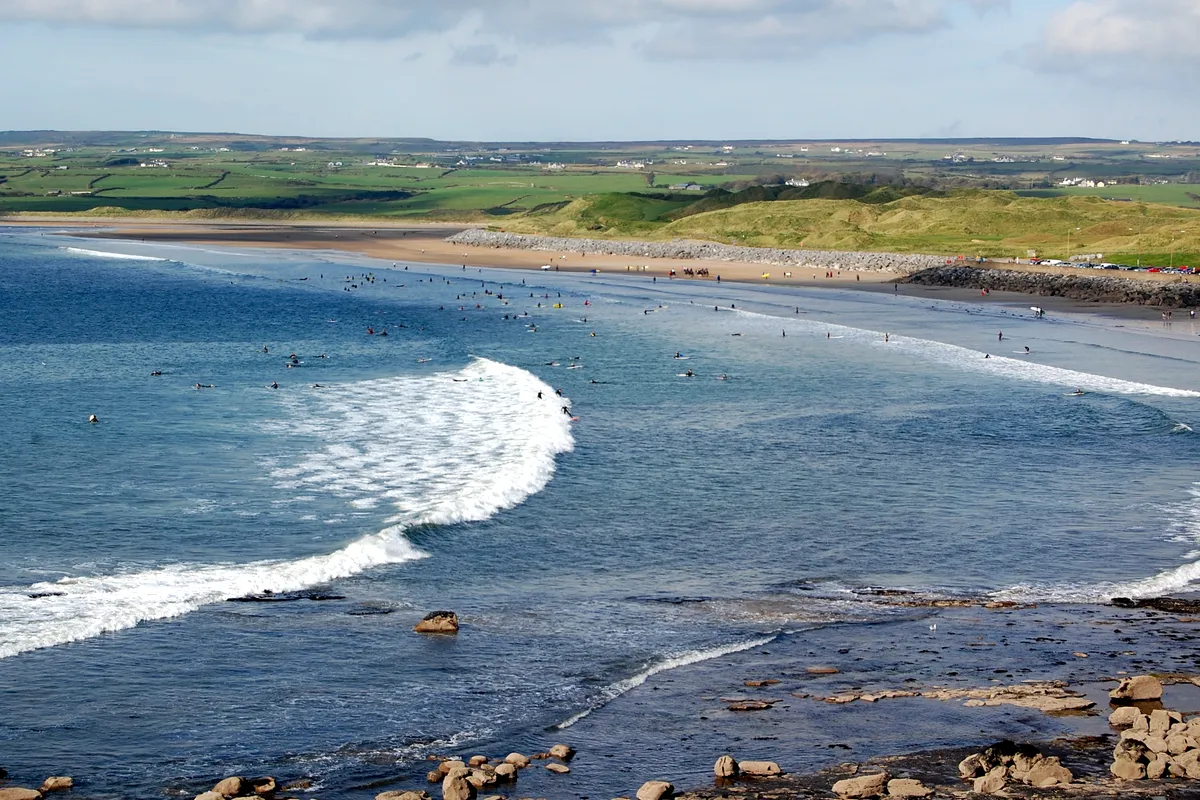
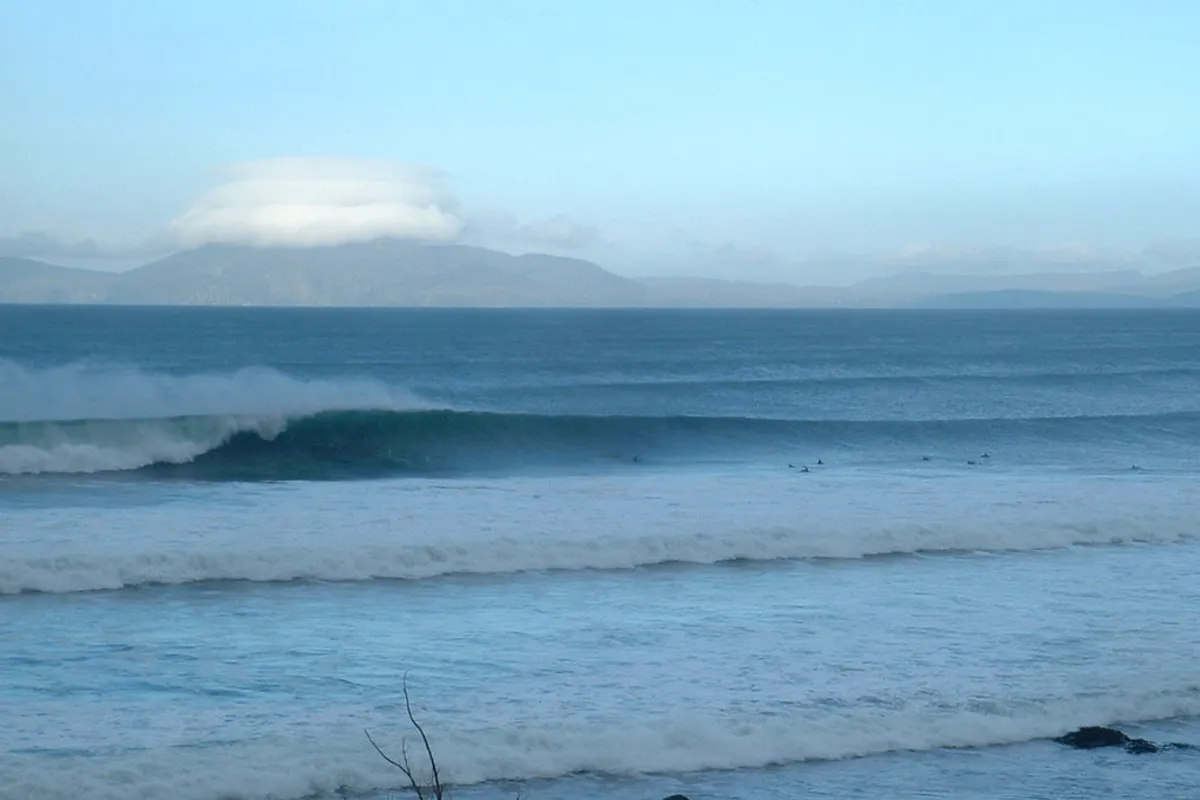
Ireland sits on the edge of the North Atlantic, in the direct path of storms that form between Newfoundland and Iceland. Its west coast receives powerful, long-period swells, particularly in autumn and winter. The coastline is varied, with limestone reefs, sandy bays, headlands and cliffs, offering waves for every level.
Irish surfing has grown from a handful of pioneers into a thriving community, with surf schools, shops and shapers along the west coast. The country has gained international recognition for its big-wave spots, such as Mullaghmore Head and Aileen's, as well as its reef breaks. Outside the water, Ireland's landscapes, music, pubs and friendly people make it a memorable surf destination.
When to go surfing in Ireland
Autumn, from September to November, is often the best time to surf in Ireland. Swells become more consistent, the water is still relatively mild after summer and winds can be lighter. Winter, from December to February, brings the most powerful swells, cold water and short days, ideal for experienced surfers.
Spring, from March to May, can bring good swells and longer days, although weather is changeable. Summer, from June to August, usually brings smaller waves, long days and the warmest water of the year, making it the best time for beginners. Ireland's weather can change quickly at any time of year, so pack for rain and wind.
Cold-water surfing and wetsuits
Ireland's water is cold all year. In summer, water temperatures are typically in the mid-teens Celsius, dropping to around 10°C in winter. A 4/3 wetsuit with boots is common in summer, while a 5/4 or 6/5 with boots, gloves and a hood is needed in winter.
Surf schools provide thick wetsuits and boots for lessons. A changing robe, warm clothes and a hot drink after your session make cold-water surfing much more enjoyable. Keep sessions shorter in winter, surf with others and be aware that cold water affects stamina and decision-making.
Flights, roads and ferries in Ireland
Dublin is the main international airport, with Shannon on the west coast and Belfast in Northern Ireland also offering international flights. Ireland West Airport Knock in County Mayo serves the north-west, and Kerry Airport serves the south-west. Ferries connect Ireland with the UK and France.
A car is the best way to explore Ireland's surf coast, as many breaks are in rural areas with limited public transport. The Wild Atlantic Way, a long coastal touring route along the west coast, passes many surf spots and makes a great road trip. Roads can be narrow and winding, so allow plenty of time.
Safety on the Irish coast
Ireland's Atlantic coast can be powerful and dangerous, especially in winter. Lifeguards patrol some beaches in summer, but many beaches are unpatrolled for much of the year. Rip currents are common, so learn to recognise them and surf within your ability.
Reef breaks such as Bundoran's Peak are shallow and powerful, and big-wave spots such as Mullaghmore and Aileen's are only for experts with safety support. Check Met Éireann's marine forecasts and warnings, tell someone where you are going and avoid surfing alone in remote areas.
Big waves: Mullaghmore and Aileen's
Ireland has become one of the world's big-wave destinations. Mullaghmore Head in County Sligo produces huge, powerful waves on the biggest winter swells, breaking over a reef just off the headland. Aileen's, beneath the Cliffs of Moher in County Clare, is a giant wave that breaks below some of Europe's most famous cliffs. Both have been surfed by Irish and international big-wave surfers using tow-in teams with jet skis, and both have featured in surf films and big-wave events.
For visitors, these are spectacles rather than surf spots. On big days, Mullaghmore's headland becomes a viewing area, while Aileen's is best seen from the Cliffs of Moher or by boat with an experienced operator. Stay well back from cliff edges in storms, follow local guidance and check forecasts if you hope to see the waves breaking.
A short history of Irish surfing
Surfing in Ireland began in the 1960s, when a small group of pioneers started riding waves on the west and south coasts. The Irish Surfing Association was founded soon after, and Ireland hosted the European Surfing Championships at Lahinch in the early 1970s. For decades, Irish surfing remained a small, close-knit community, with surfers exploring a coastline that was largely unknown to the rest of the world.
From the 1990s, travelling surfers and surf media began to reveal the quality of Ireland's reefs, especially around Bundoran, Sligo and Clare. The growth of surf schools in the 2000s introduced many more people to the sport, and today surfing is part of life in many west-coast towns. Ireland's big-wave spots brought further international attention in the 2010s, but the surf community retains its friendly, grounded character.
Irish surf culture
Ireland's surf community is friendly but proud, and the best-known reefs have experienced local crews. Respect local surfers, wait your turn and never drop in. Out of the water, Irish pubs often serve as social hubs for surfers, with traditional music, food and conversation.
The Irish Surfing Association, the national governing body, approves surf schools and runs national competitions. Many surf towns host festivals and events that celebrate surf culture, music and the ocean.
Planning an Irish surf trip
A popular approach is to base yourself in one region, such as Bundoran in Donegal or Lahinch in County Clare, and explore the surrounding coast. With more time, a road trip along the Wild Atlantic Way lets you surf several regions and follow the swell.
Combine surfing with walking, cycling, castles, music and Ireland's dramatic landscapes, such as the Cliffs of Moher, Slieve League and the Dingle Peninsula. Pack waterproof clothing, layers and a positive attitude to changeable weather.
Surf regions of Ireland
Donegal: Bundoran and beyond
Donegal, in the north-west, is home to Bundoran, Ireland's surf capital. The Peak in Bundoran is a world-class reef break, while Tullan Strand and Rossnowlagh offer sandy beaches for learners. Further north, the Donegal coast has many quieter beaches and reefs, including Marble Hill near Dunfanaghy and beaches around the Inishowen Peninsula.
Known for: Bundoran, The Peak, Tullan Strand, Rossnowlagh, Marble Hill
Sligo
County Sligo has a strong surf scene, with Strandhill near Sligo town offering a powerful beach break and a lively surf village. Easkey is known for its reef breaks, while Enniscrone has a long sandy beach. Mullaghmore Head, near the Donegal border, is one of the world's most famous big-wave spots.
Known for: Strandhill, Easkey, Enniscrone, Mullaghmore Head
Mayo
County Mayo has remote beaches and reefs, with Achill Island and Carrowniskey among the best-known spots. The area sees fewer surfers than Donegal or Clare, making it attractive for those looking for quieter line-ups. Facilities are more limited, so a car and self-sufficiency are useful.
Known for: Achill Island, Carrowniskey
Clare: Lahinch and the Cliffs of Moher
County Clare's Lahinch is one of Ireland's busiest surf towns, with a sandy beach popular for lessons and a lively village. Nearby Spanish Point and Doolin have reef breaks, while Aileen's, beneath the Cliffs of Moher, is a famous big-wave spot. The region combines surfing with Ireland's traditional music scene and dramatic coastal scenery.
Known for: Lahinch, Spanish Point, Doolin, Aileen's
Kerry
County Kerry, in the south-west, has long sandy beaches such as Inch Strand on the Dingle Peninsula and Brandon Bay and Castlegregory, which offer options in different winds. The Dingle Peninsula is known for its scenery, music and food, making it a popular destination for surf trips.
Known for: Inch Strand, Brandon Bay, Castlegregory
Cork, Waterford and the south coast
Ireland's south coast faces south and receives less swell than the west, but it can work well on big swells or with northerly winds. Inchydoney and Garretstown in County Cork and Tramore in County Waterford have beach breaks and surf schools, and they are popular with surfers from nearby cities.
Known for: Inchydoney, Garretstown, Tramore
Learning to surf in Ireland
Ireland has many surf schools along the west and south coasts, many approved by the Irish Surfing Association. Popular learning spots include Bundoran's Tullan Strand, Rossnowlagh, Strandhill, Lahinch, Inch Strand and Tramore.
Schools provide thick wetsuits, boots and soft-top boards. Summer and early autumn are usually best for beginners, with smaller swells and slightly warmer water, although schools operate year-round when conditions allow.
When choosing a school, ask about instructor qualifications, group size and safety procedures. Learning about rip currents and cold-water safety is an essential part of surfing in Ireland.
Surfing in Ireland: questions
When is the best time to surf in Ireland?
Autumn, from September to November, often brings consistent swells and relatively mild water. Winter is powerful and cold, while summer is smaller and better for beginners.
Where is the best place to learn to surf in Ireland?
Bundoran, Rossnowlagh, Strandhill, Lahinch, Inch Strand and Tramore all have surf schools and sandy beaches suitable for learning.
How cold is the water in Ireland?
Water temperatures range from around 10°C in winter to the mid-teens in summer. A 4/3 wetsuit with boots is common in summer, and a 5/4 or 6/5 with boots, gloves and hood in winter.
Where can I see big-wave surfing in Ireland?
Mullaghmore Head in County Sligo and Aileen's beneath the Cliffs of Moher are famous big-wave spots, breaking on the biggest winter swells. Watch from safe vantage points and follow local guidance.
What is the Wild Atlantic Way?
The Wild Atlantic Way is a long coastal touring route along Ireland's west coast, passing many surf spots, towns and scenic landmarks. It is popular for surf road trips.
Do I need a car to surf in Ireland?
A car makes it much easier, because many breaks are rural and public transport is limited. Bundoran, Lahinch and Strandhill are reachable by bus, and surf schools often meet at the beach.
Is Lahinch or Bundoran better for a surf trip?
Both are excellent. Bundoran has more reef breaks and a bigger surf scene in the north-west, while Lahinch combines a learner-friendly beach with nearby reefs and County Clare's music and scenery. Beginners will be well looked after in either.
Can I surf in Ireland in winter?
Yes, if you have a thick wetsuit, boots, gloves and a hood. Winter brings the most powerful swells and empty line-ups, but also storms, short days and cold water. Beginners should go with a school that chooses sheltered beaches.
Are there surf schools in Ireland for children?
Yes. Many Irish surf schools run lessons and summer camps for children, with small groups, qualified instructors and thick wetsuits provided. Summer is the main season for family lessons, particularly at gentle beaches such as Rossnowlagh, Lahinch and Tramore.
What should I pack for a surf trip to Ireland?
Pack a thick wetsuit or plan to hire one, boots, waterproof clothing, warm layers, a changing robe and a flask for hot drinks. The weather can change quickly, so be ready for rain and wind in any season.
Sources & editorial notes
Country context checked against the sources below. Regional summaries are Book & Surf editorial planning suggestions, not forecasts or safety assessments.