The breaks
Recognised, publicly known surf spots around Lahinch. Suitability depends on the day's swell, wind and tide, so treat the level as a guide, not a guarantee.
| Break | Type | Best for | Notes |
|---|---|---|---|
| Lahinch beach | Beach break | Beginner–Intermediate | Wide, gently sloping beach with peaks along its length. The main learning beach, lifeguarded in summer. |
| The Left | Reef break | Intermediate–Advanced | Reef at the northern end of the beach near the promenade, working on the right swell and tide. |
| Crab Island (Doolin) | Right-hand reef | Advanced | Heavy, shallow right off a small island near Doolin, reached by paddling across a channel. |
| Spanish Point | Reef breaks | Intermediate–Advanced | A series of reefs south of Lahinch that work on different swells. |
| Aileen's | Big-wave reef | Expert | Giant right-hand wave beneath the Cliffs of Moher on large winter swells. Watch from the cliffs or a boat. |
| Doughmore | Beach break | Intermediate–Advanced | Exposed beach near Doonbeg that can be powerful. |
Ireland's west-coast surf hub
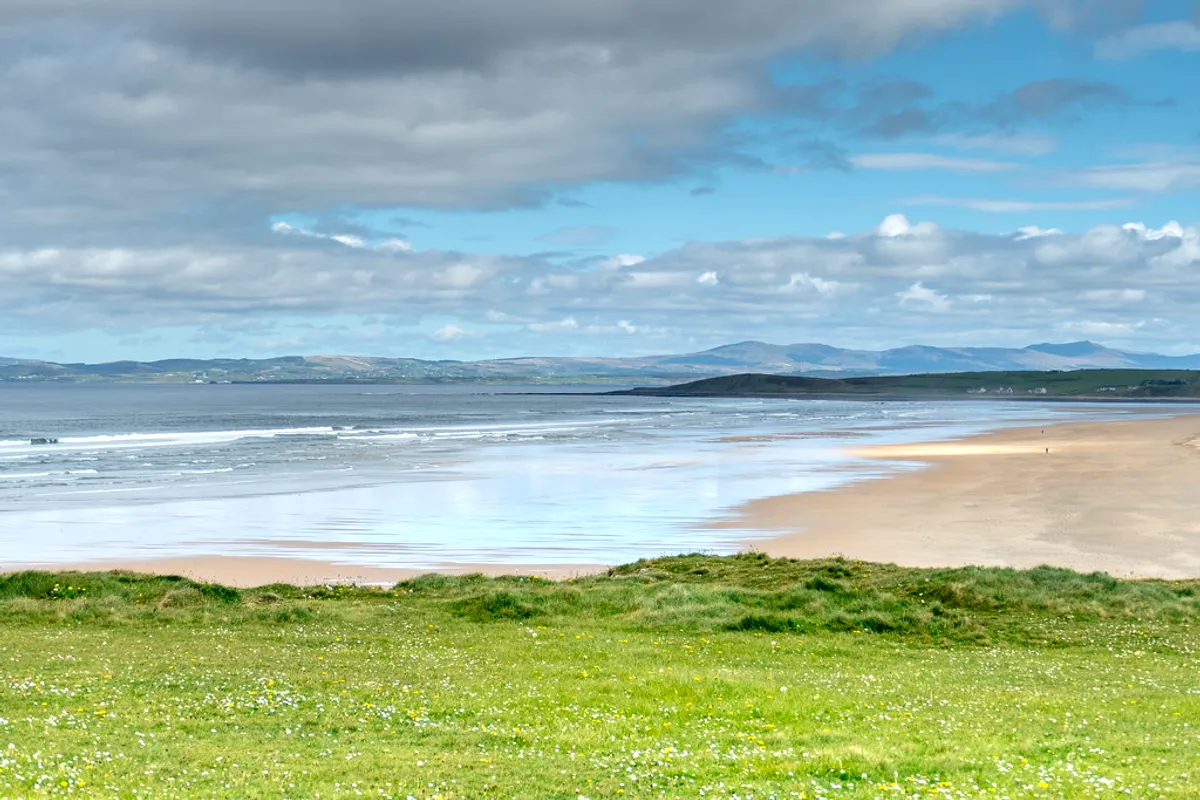
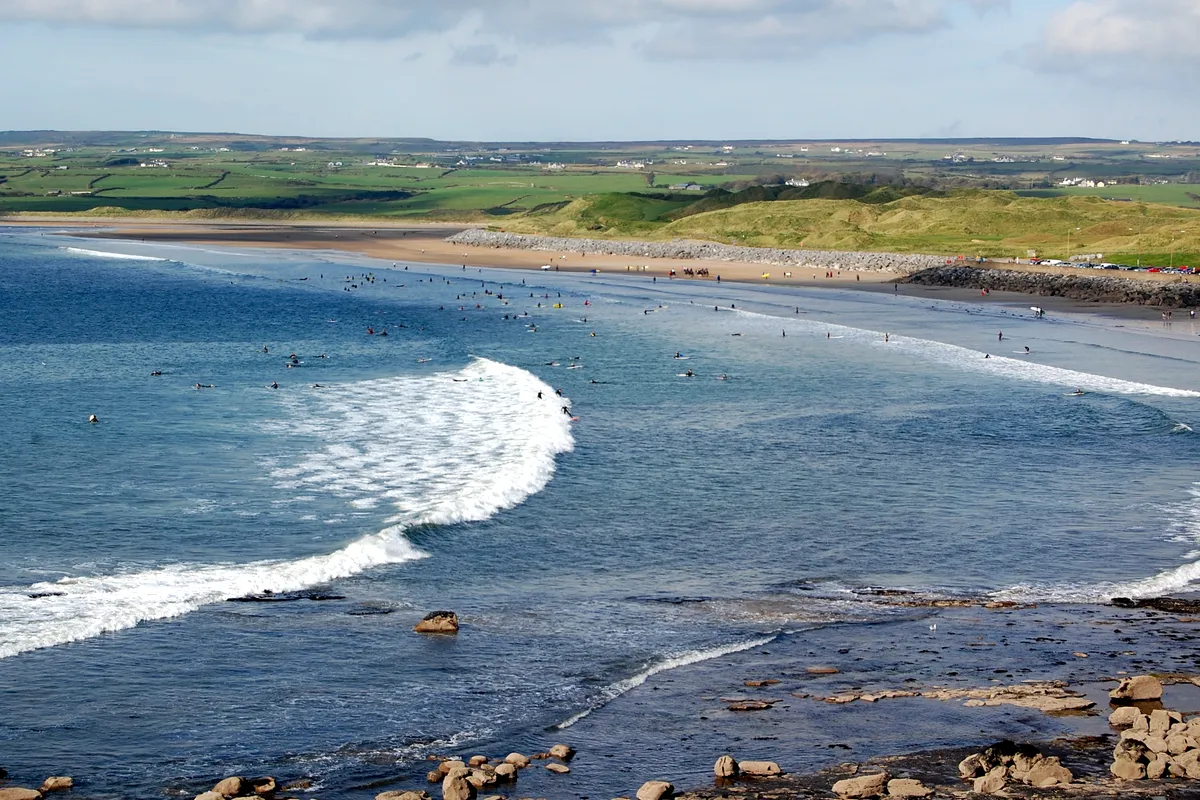
Lahinch sits at the head of Liscannor Bay, where a wide, sandy beach faces west into the Atlantic. The beach catches a lot of swell but is gently sloping, which makes it one of the best places in Ireland to learn, while the surrounding coastline of limestone reefs and headlands offers more challenging waves for experienced surfers.
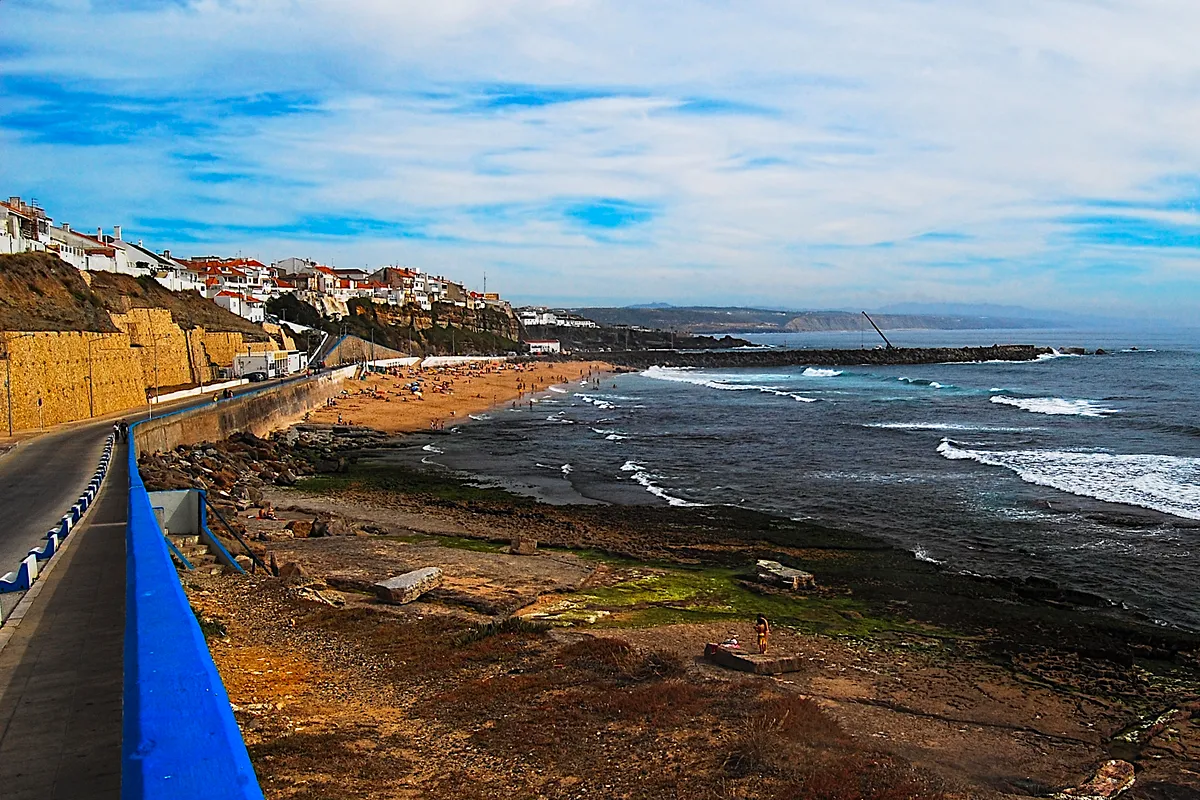
The town has grown into a busy surf centre, with surf schools, shops and cafés along the promenade, and it hosted the European Surfing Championships in the early 1970s, an early milestone for Irish surfing. It is also famous for its links golf course, one of the oldest in Ireland, and for its position between two of Clare's great landscapes: the limestone Burren to the north and the Cliffs of Moher to the north-west.
Lahinch beach and the Left
The main beach is the heart of Lahinch surfing. It offers peaks along its length, with smaller, softer waves on the inside that suit lessons, and more power further out on bigger swells. It is lifeguarded in summer, and the surf schools set up along the promenade.
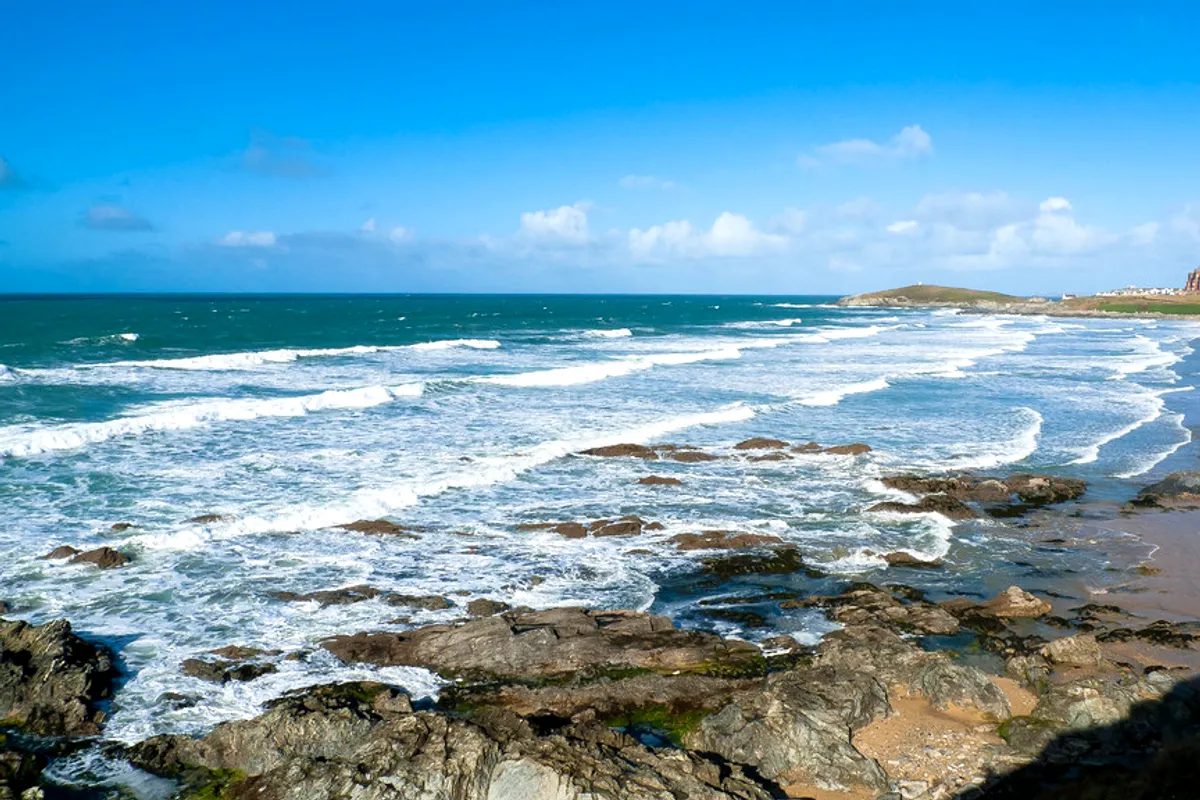
At the northern end of the beach, near the promenade wall, a reef break known as the Left can produce quality waves on the right swell and tide. It is a step up from the beach, suiting intermediate and advanced surfers, and can be crowded with locals on good days. The tide range on this coast is large, so the beach and the reef change character through the day.
Crab Island, Spanish Point and Doughmore
North of Lahinch, near the village of Doolin, Crab Island is a heavy right-hand reef breaking off a small island, reached by paddling across a channel. It is powerful and shallow, strictly for experienced surfers. South of Lahinch, Spanish Point has a series of reefs, often referred to as the Inside, Middle and Outside Point, that work on different swells and suit intermediate and advanced surfers.
Further south, Doughmore, near Doonbeg, is an exposed beach break that can be powerful. With a car, you can check several spots in a morning and choose the one that suits the swell and wind.
Aileen's and the Cliffs of Moher
Beneath the Cliffs of Moher, just a few kilometres north of Lahinch, Aileen's is one of Europe's most famous big-wave spots. On large winter swells, a giant right-hand wave breaks below the towering cliffs, ridden by experienced big-wave surfers, usually with jet-ski support.
For most visitors, Aileen's is a spectacle to watch from the cliff paths or from a boat tour out of Liscannor or Doolin. The Cliffs of Moher, rising more than two hundred metres above the sea, are among Ireland's most visited natural attractions. Stay well back from the edges, especially in wind and rain.
Seasons, swell and cold water
Autumn, from September to November, is usually the best time to surf Lahinch, with consistent Atlantic swells and water that is still relatively mild after summer. Winter brings powerful swells, cold water and frequent storms, with Aileen's coming to life on the biggest days. Spring can be good, and summer is generally smaller and busier, which suits beginners.
The water is cold year-round, typically ranging from around 10°C in winter to the mid-teens in late summer. A 4/3 wetsuit with boots is common in summer and early autumn, and a 5/4 with boots, gloves and a hood in winter.
Getting to Lahinch from Shannon and Galway
Shannon Airport is about an hour's drive from Lahinch, with flights from the UK, Europe and North America. Galway is around ninety minutes north, and Dublin is roughly three hours away by road. Buses connect Lahinch with Ennis, Galway and other towns, but a car is the most practical way to explore the coast.
The Wild Atlantic Way, Ireland's coastal touring route, passes through Lahinch, making it a natural stop on a road trip.
Pubs, music and where to stay
Lahinch has hotels, guesthouses, B&Bs, holiday homes and surf hostels, many within walking distance of the beach. It gets busy in summer and on bank-holiday weekends, so book ahead. Ennistymon, a few minutes inland, has more traditional pubs, a waterfall known as the Cascades and a quieter atmosphere.
County Clare is known for traditional Irish music, and many pubs in Lahinch, Ennistymon and especially Doolin host live sessions in the evenings.
Respecting the reefs and the locals
Lahinch's beach is welcoming to visitors, but the reefs around it, especially the Left, Crab Island and the Spanish Point reefs, have tight-knit local line-ups. Surfers who arrive in large groups or ignore the order of priority quickly feel unwelcome. Watch first, sit wide, take your turn and never drop in.
Also respect the coast itself. Access to some reefs crosses farmland or private property, so use established paths, close gates behind you and park considerately on narrow roads. The large tidal range can cut off access below cliffs, so check tide times before heading to remote breaks.
The Burren and rest days
The Burren, north of Lahinch, is a striking landscape of limestone pavement, with rare wildflowers, ancient tombs and caves. The Poulnabrone dolmen, a portal tomb thousands of years old, and the Aillwee Cave are popular visits. Ferries from Doolin run to the Aran Islands, where the culture and landscape feel a world away.
On a rest day, play a round of golf on the famous links, walk the cliff path from Doolin towards the Cliffs of Moher or simply enjoy a long lunch of seafood chowder in town.
Lahinch surf season month by month
A broad planning picture, not a forecast. Swell, wind and water temperature vary from year to year.
| January | Powerful winter swells and cold water (around 10°C). Aileen's may break on the biggest days; a 5/4 with boots, gloves and hood. |
|---|---|
| February | Stormy and cold, with good days between fronts for experienced surfers. |
| March | Consistent swells and lengthening days. Water at its coldest. |
| April | Spring swells and more settled spells. Easter brings visitors. |
| May | Smaller waves, long evenings and flowering Burren landscapes. |
| June | Gentle summer surf and long days. Good for beginners on the main beach. |
| July | Peak season, busy beach and surf schools in full swing. A 4/3 with boots. |
| August | Busy and lively, with the warmest water of the year (still cool). |
| September | Autumn swells return, crowds thin and the water is still relatively mild. |
| October | Often the best month, with consistent Atlantic swells. |
| November | Bigger swells and colder water. The reefs come alive. |
| December | Winter storms, short days and cosy pubs. Powerful surf for experienced surfers. |
Learning to surf in Lahinch
Lahinch beach is one of the best places in Ireland to learn. Several surf schools operate along the promenade, many approved by the Irish Surfing Association, providing thick wetsuits, boots and soft-top boards. The gently sloping beach and the inside white water give beginners plenty of space.
Summer and early autumn offer the gentlest conditions and the least cold water. Schools also run lessons in spring and late autumn when conditions allow. Ask about group size and instructor qualifications, and make sure your school explains rip currents and the large tidal range, which can change conditions quickly.
Comparing options across the country? Read our guide to surfing in Ireland.
Seasonal notes on this page describe typical patterns, not the conditions on a given day. Use the local forecast, lifeguard advice and a qualified instructor for water-safety decisions, and get a written breakdown of what any surf package includes before paying.
Lahinch surf trip questions
Is Lahinch good for beginners?
Yes. Lahinch beach is wide and gently sloping, with several surf schools and lifeguards in summer.
When is the best time to surf in Lahinch?
September to November usually brings consistent swells and relatively mild water. Summer is smaller and better for learning.
What is Aileen's?
Aileen's is a big-wave reef break beneath the Cliffs of Moher, producing giant right-hand waves on large winter swells.
How far is Lahinch from Shannon Airport?
About an hour by car. Buses also run via Ennis, though services are less frequent than in larger towns.
What wetsuit do I need in Lahinch?
A 4/3 with boots in summer and early autumn, and a 5/4 with boots, gloves and hood in winter.
Lahinch or Bundoran?
Both are excellent. Lahinch has a beginner-friendly beach and is close to the Cliffs of Moher and the Burren. Bundoran, further north, has the famous reef at The Peak and nearby Sligo breaks.
Can I see Aileen's from Lahinch?
Not from the town itself. Aileen's breaks beneath the Cliffs of Moher, a short drive north, where it can be seen from the cliff paths or from boat tours out of Liscannor and Doolin.
Is there nightlife in Lahinch?
Yes. Lahinch has lively pubs, especially in summer, and nearby Doolin and Ennistymon are known for traditional music sessions.
Sources & editorial notes
Destination context checked against the sources below. Base-selection and itinerary suggestions are Book & Surf editorial recommendations. Seasonal windows are broad planning suggestions, not measured forecasts or guarantees.
- Wikipedia: Lahinch ↗
- Wikipedia: Cliffs of Moher ↗
- Wikipedia: The Burren ↗
- Met Éireann: marine forecasts ↗
We do not claim to have personally surfed every break. Read our editorial standards.