The breaks
Recognised, publicly known surf spots around Strandhill. Suitability depends on the day's swell, wind and tide, so treat the level as a guide, not a guarantee.
| Break | Type | Best for | Notes |
|---|---|---|---|
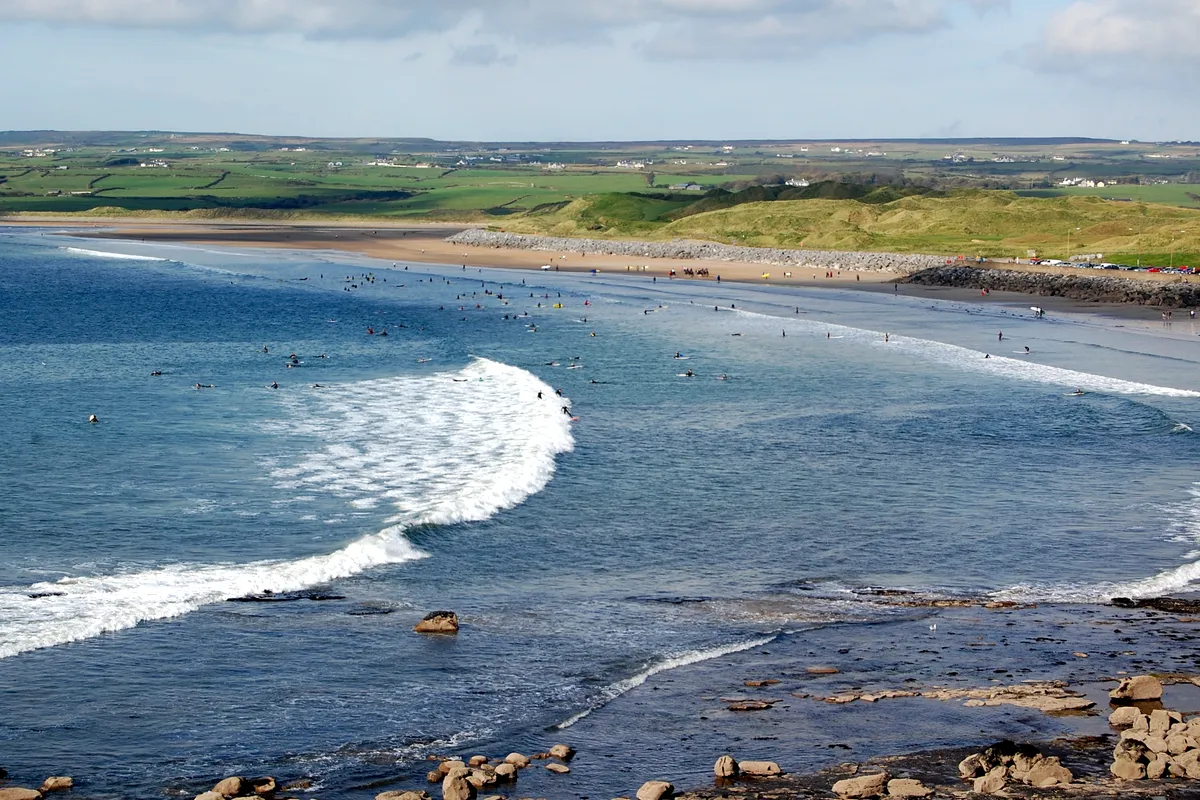
| Strandhill beach | Beach break | Intermediate–Advanced | Powerful beach break with shifting peaks. Swimming is prohibited due to dangerous currents; learn with a school. |
| Easkey Left | Left-hand reef | Advanced | Quality reef on one side of Easkey village, about forty-five minutes west. |
| Easkey Right | Right-hand reef | Advanced | Reef on the other side of Easkey, a national and European competition venue. |
| Enniscrone | Beach break | Beginner–Intermediate | Long sandy beach west of Easkey, popular with families and surf schools. |
| Streedagh | Beach break | Intermediate | Wild beach north of Sligo, site of Spanish Armada shipwrecks in 1588. |
A surf village on the Wild Atlantic Way
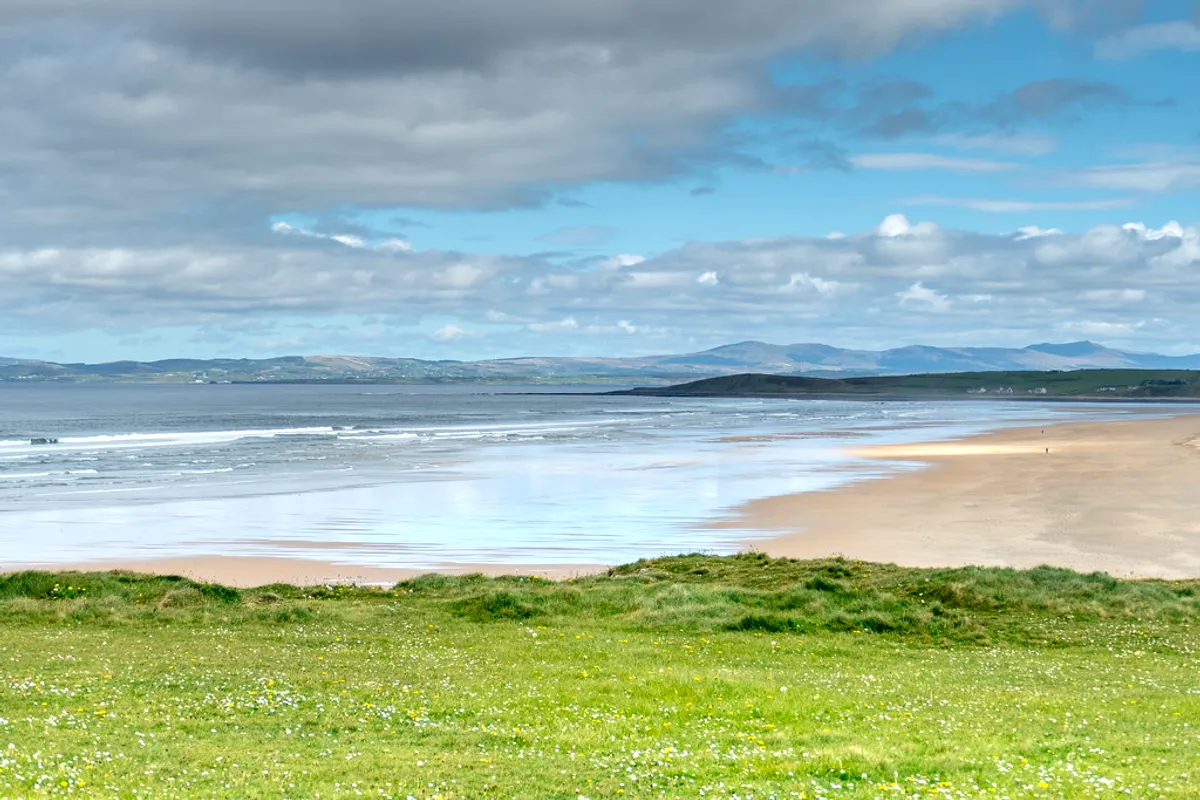
Strandhill sits on a peninsula west of Sligo town, where the Atlantic meets Sligo Bay. Its long beach faces west into the ocean, catching North Atlantic swells, and behind it rises Knocknarea, a flat-topped mountain crowned by a huge stone cairn traditionally linked to the legendary Queen Maeve. The village is small, with a seafront promenade, cafés, pubs and surf shops.
Strandhill has become a centre of Irish surfing, with several surf schools, a strong local community and a laid-back atmosphere. It is a short drive from Sligo town, making it easy to combine surfing with the town's restaurants, music and culture.
The Strandhill beach break
Strandhill's main beach is a powerful beach break, with peaks along its length that shift with the sandbanks. On small to medium days, it can suit improvers and intermediates, and surf schools teach on the gentler sections. On bigger swells, it becomes powerful, with strong currents, and suits experienced surfers.
Swimming is prohibited at Strandhill because of dangerous currents, and signs along the beach warn visitors. Surfers should take this seriously: rips can be strong, especially around the rocks and on bigger days. Learn with a school and stay within your ability.
The reefs and points of Sligo
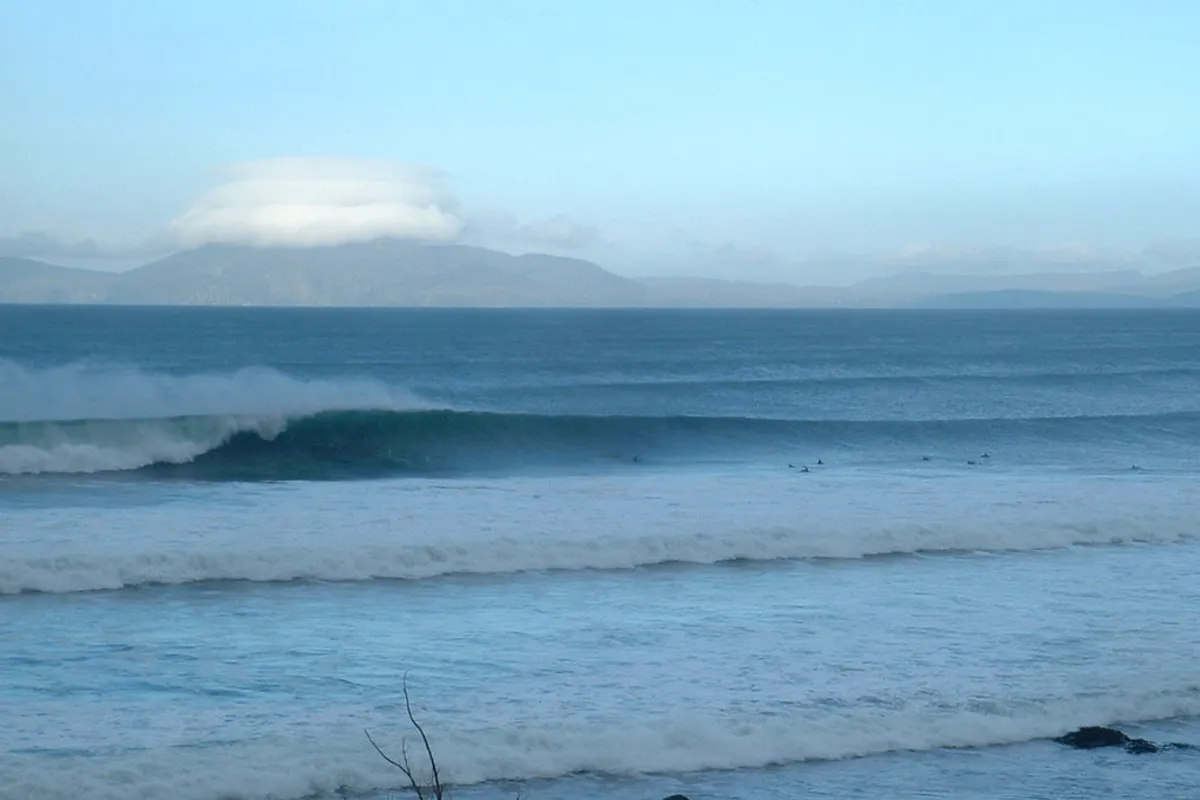
Around Strandhill, several reef breaks work on different swells and tides, though many are best approached with local knowledge. Further west along the Sligo coast, Easkey, about forty-five minutes away, is known for two quality reef breaks either side of the village, a left and a right, which can produce excellent waves on the right swell. Easkey has hosted national and European competitions.
The Sligo coast also has big-wave spots, including Mullaghmore Head in the north of the county, which only breaks on the biggest winter swells and is for professional big-wave surfers.
Enniscrone, Streedagh and the beaches
West of Easkey, Enniscrone has a long sandy beach, popular with families and surf schools, that can be gentler than Strandhill. North of Sligo town, Streedagh is a wild, exposed beach where ships of the Spanish Armada were wrecked in 1588, and Rosses Point has beaches that occasionally pick up swell. Further north, Bundoran and Mullaghmore are within an hour's drive.
Sligo through the seasons
Autumn, from September to November, is usually the best time to surf Strandhill, with consistent Atlantic swells and water still relatively mild after summer. Winter brings powerful swells, storms and cold water, with good days between fronts for experienced surfers. Spring offers decent swells and longer days, while summer is generally smaller and busier, the best time for beginners.
Cold water and wetsuits
The water off Sligo is cold all year, ranging from around 10°C in winter to the mid-teens in late summer. A 4/3 wetsuit with boots is common in summer and early autumn, and a 5/4 with boots, gloves and a hood in winter. Surf schools provide thick wetsuits, and a changing robe and warm drink make a big difference after a session.
Seaweed baths and the village
Strandhill is known for its seaweed baths, a long Irish seaside tradition. Hot seawater baths with fresh seaweed are said to soothe muscles after a cold surf, and the village's bathhouse is a popular stop for surfers and visitors alike. The village also has cafés, a lively pub scene with traditional music and a weekend market.
Getting to Strandhill
Strandhill is about ten minutes' drive from Sligo town. Ireland West Airport Knock is roughly an hour away, and Dublin is about three hours by road. Trains run from Dublin to Sligo, and local buses connect Sligo with Strandhill. A car is the easiest way to explore the wider coast, including Easkey and Mullaghmore.
Strandhill was once home to Sligo Airport, next to the village, which no longer has regular scheduled passenger flights.
Where to stay in Strandhill
Strandhill has guesthouses, B&Bs, surf hostels, holiday homes and a caravan park, many within walking distance of the beach. Sligo town, nearby, has more hotels, restaurants and nightlife. Book ahead for summer weekends and festival dates.
Knocknarea, Yeats and rest days
On a flat day, hike Knocknarea for views over Sligo Bay and the Atlantic, ending at the great cairn on the summit. Carrowmore Megalithic Cemetery, nearby, is one of the largest collections of ancient tombs in Ireland. Sligo is known as Yeats Country, after the poet W. B. Yeats, who is buried at Drumcliffe beneath Ben Bulben, a striking flat-topped mountain north of the town.
Reading the Sligo coast: swell, wind and tide
Strandhill's beach faces west into the Atlantic, so it picks up most swells from the west and north-west generated by low-pressure systems crossing the North Atlantic. Easterly and south-easterly winds blow offshore, cleaning up the waves, while strong westerlies make it messy and dangerous. Because the weather in the west of Ireland changes quickly, conditions can switch from stormy to clean within a day as a front passes.
The value of the Sligo coast lies in its range of orientations. When Strandhill is too big or blown out, sheltered beaches and reefs elsewhere in the county may be working, and the reefs around Easkey respond to winds from different directions. Tide matters too: many reefs only work on part of the tide, and the beach banks change through the season. Local surf schools and shops are the best source of daily advice.
Sligo town and evenings
Sligo town, ten minutes away, is one of the liveliest small towns in the north-west, with traditional music sessions in its pubs, restaurants serving local seafood and lamb, and a strong arts scene, including the Model arts centre. The town sits on the Garavogue River between Ben Bulben and Knocknarea, and it makes a good base for anyone who wants more evening options than the village offers.
Respecting the line-up
Strandhill and the Sligo reefs have a tight-knit local surf community. On good days, especially at Easkey and other reefs, respect local surfers, wait your turn and avoid dropping in. Use designated parking, close farm gates when crossing fields to reach breaks and take litter home.
Strandhill surf season month by month
A broad planning picture, not a forecast. Swell, wind and water temperature vary from year to year.
| January | Powerful winter swells and cold water (around 10°C). A 5/4 with boots, gloves and hood. |
|---|---|
| February | Stormy and cold, with good days between fronts. |
| March | Late winter swells and lengthening days. |
| April | Spring swells, lengthening days and more settled spells. |
| May | Smaller, friendlier waves and long evenings. |
| June | Gentle summer surf; good for beginners with a school. |
| July | Busy summer season with small to medium waves. |
| August | Warmest water of the year (still cool) and lively village. |
| September | Autumn swells return as the summer crowds thin. |
| October | Often the best month, with consistent Atlantic swells. |
| November | Bigger swells and colder water; the reefs come alive. |
| December | Winter storms, short days and cosy pubs. |
Learning to surf in Strandhill
Strandhill has several established surf schools that teach on the gentler sections of the beach or move to more sheltered beaches such as Enniscrone when conditions are too powerful. Lessons include thick wetsuits, boots and soft-top boards, and many schools are approved by the Irish Surfing Association.
Summer and early autumn usually bring the best learning conditions. Because Strandhill's currents can be strong, always learn with a school and never swim at the beach.
Comparing options across the country? Read our guide to surfing in Ireland.
Seasonal notes on this page describe typical patterns, not the conditions on a given day. Use the local forecast, lifeguard advice and a qualified instructor for water-safety decisions, and get a written breakdown of what any surf package includes before paying.
Strandhill surf trip questions
Is Strandhill good for beginners?
With a surf school, yes, on smaller days. The beach can be powerful with strong currents, so beginners should not surf alone.
Can you swim at Strandhill?
No. Swimming is prohibited at Strandhill because of dangerous currents.
When is the best time to surf Strandhill?
September to November usually brings consistent swells and relatively mild water. Summer is better for beginners.
How far is Easkey from Strandhill?
About forty-five minutes by car west along the Sligo coast, making it an easy day trip when the reefs are working.
What are seaweed baths?
A traditional Irish seaside treatment of hot seawater baths with fresh seaweed, popular in Strandhill after a cold surf.
What wetsuit do I need in Strandhill?
A 4/3 with boots in summer and early autumn, and a 5/4 with boots, gloves and hood in winter.
Which wind is offshore at Strandhill?
Easterly and south-easterly winds blow offshore at Strandhill, which faces west into the Atlantic. Strong westerly winds make the beach messy and the currents stronger.
Is Strandhill busy in summer?
Summer weekends and school holidays bring families, day-trippers from Sligo and surf school groups, so the beach and village are busiest then. Autumn and spring are quieter, with better waves for experienced surfers.
Sources & editorial notes
Destination context checked against the sources below. Base-selection and itinerary suggestions are Book & Surf editorial recommendations. Seasonal windows are broad planning suggestions, not measured forecasts or guarantees.
We do not claim to have personally surfed every break. Read our editorial standards.