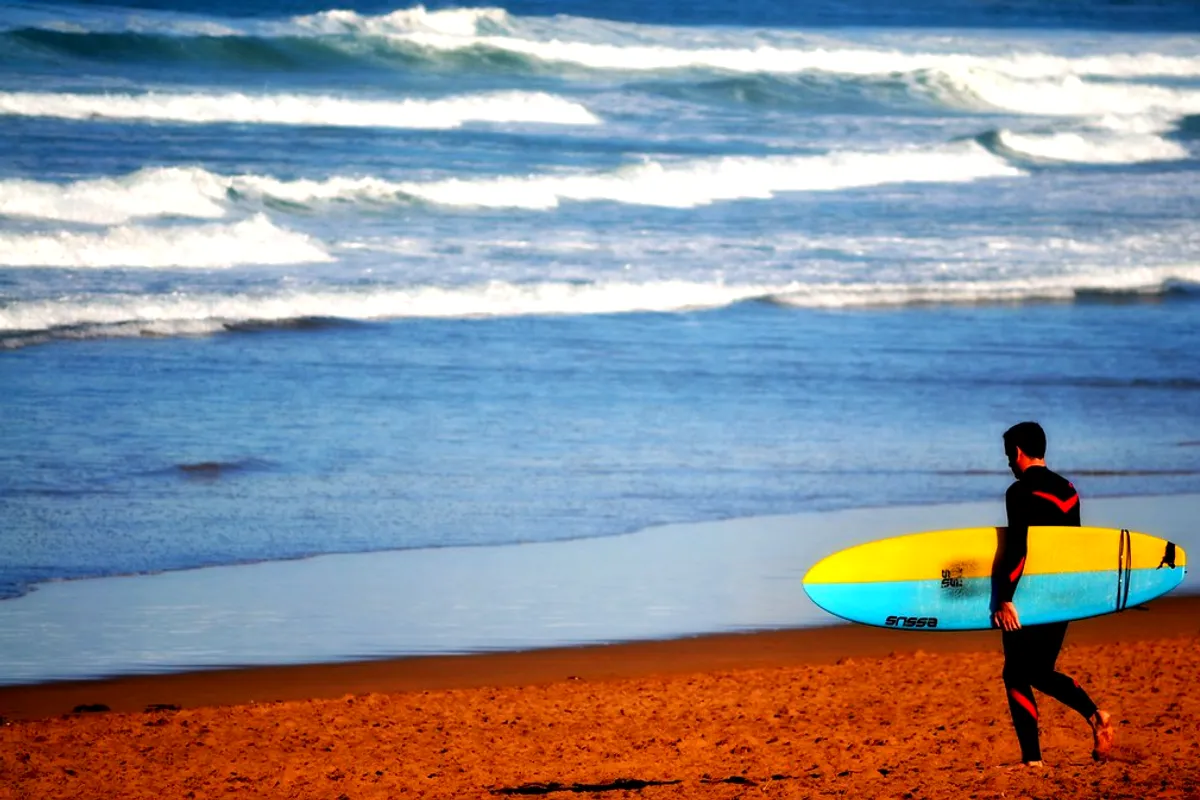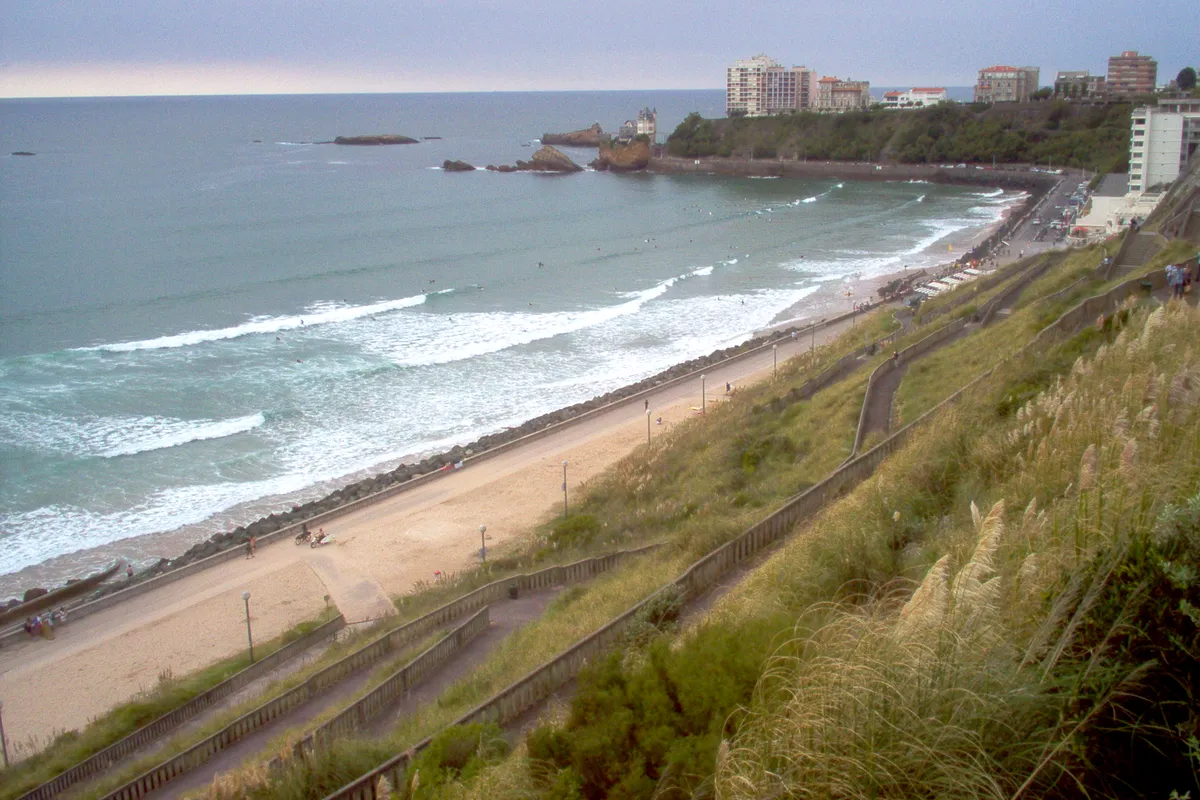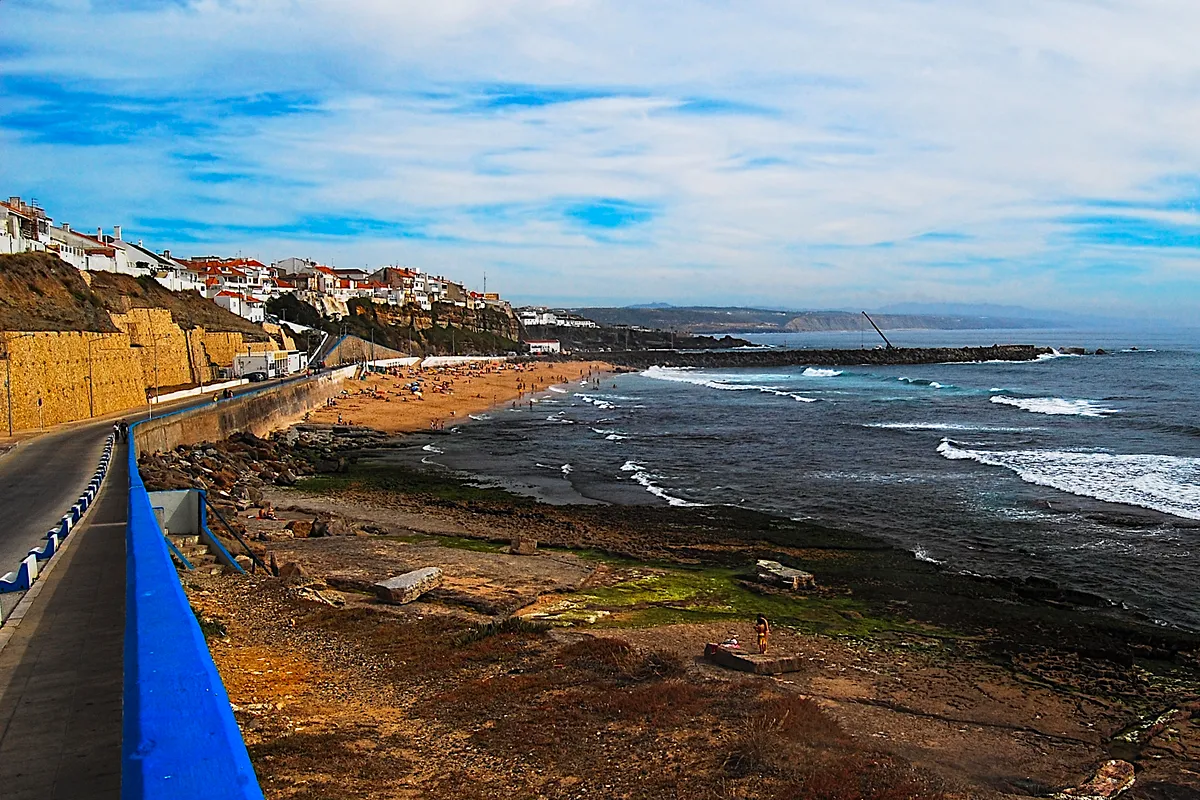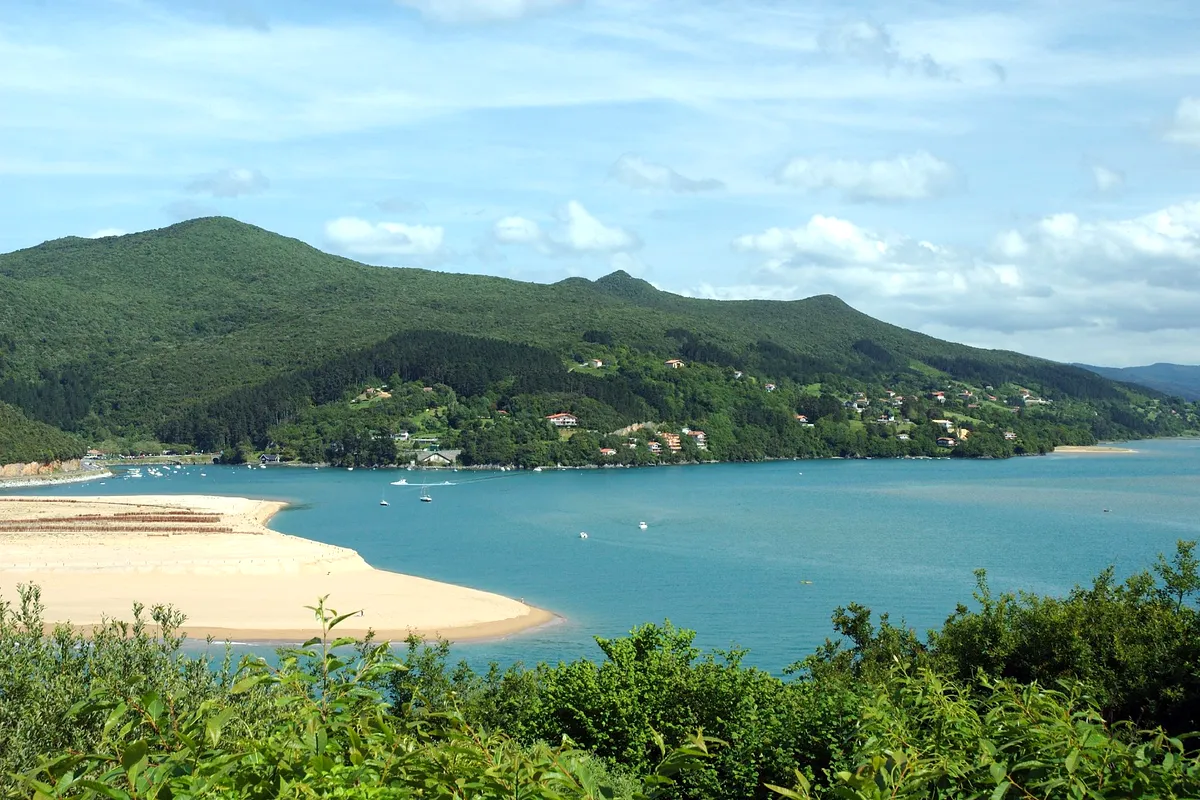
The breaks
Recognised, publicly known surf spots around Mundaka. Suitability depends on the day's swell, wind and tide, so treat the level as a guide, not a guarantee.
| Break | Type | Best for | Notes |
|---|---|---|---|
| Mundaka | River-mouth sandbar left | Advanced | Long, fast, hollow left over a sandbar at the estuary mouth. World-class on its day, but needs a precise mix of swell, tide, wind and sandbar. |
| Laida | Sheltered beach | Beginner | Inside the estuary across from Mundaka, with small waves on bigger swells. Reached by summer passenger boat. |
| Laga | Beach break | Beginner–Intermediate | Wide sandy beach below the Ogoño headland, popular with surf schools and families. |
| Bakio | Beach break | Intermediate | Long beach west of Mundaka that picks up plenty of swell, near San Juan de Gaztelugatxe. |
| Sopelana | Beach break | Beginner–Advanced | Bilbao's main surf beaches, below cliffs, with peaks for a range of levels. |
A wave made by a river
Mundaka's wave depends on the estuary of the Oka river, which flows through the Urdaibai Biosphere Reserve into the Bay of Biscay. Sand carried by the river and the tides builds a sandbar along the mouth of the estuary, right in front of the village harbour. When a solid north-west swell arrives at the right tide, waves wrap around and break along this sandbar, peeling to the left for a long distance and often producing fast, hollow barrels.
The quality of the wave depends on the shape of the sandbar, which changes with river flow, storms and human activity. When the bank is well formed, Mundaka is world-class. When it is not, the wave can be disappointing or absent, even with good swell.
Why Mundaka is so fickle
Mundaka needs a particular combination of conditions: a sizeable, long-period swell from the right direction, light winds or southerly offshores, a good sandbar and the right stage of the tide. That combination happens on relatively few days each year, mostly in autumn and winter.
The wave's fragility was demonstrated in the early 2000s, when dredging in the estuary to serve a shipyard upstream altered the sandbar and the wave largely disappeared for a period. It gradually recovered, but the episode is a reminder of how delicate natural surf breaks can be. Mundaka hosted an elite professional contest for several years, which was sometimes affected by the lack of waves. For visitors, the lesson is simple: plan to surf the wider coast and treat Mundaka as a bonus if it breaks while you are there.
The line-up on a good day
When Mundaka is working, the line-up fills with experienced local surfers and visitors from across Europe. The take-off is critical, the wave is fast and the current from the estuary can be strong, particularly on the outgoing tide, so getting back into position takes effort. Many surfers enter from the harbour area and let the current help them out.
This is a wave for confident, experienced surfers who can handle hollow waves and crowded conditions. Watch from the harbour wall or the church terrace above the village, where you get a front-row view of the line-up.
Spotting a good Mundaka day
Even if you are not going to surf it, learning to recognise when Mundaka might work is part of the fun of visiting. Look for a forecast with a solid, long-period swell from the north-west, little wind or a southerly breeze and a tide that is dropping towards the lower half of its range, then head to the harbour wall to watch. Lines of swell should be wrapping cleanly into the river mouth, with waves peeling in long, even sections rather than closing out.
When it all comes together, the village changes: the harbour fills with spectators, cars with foreign plates line the road and the bars buzz with talk of the session. On those days, find a spot on the church terrace above the harbour, which offers one of the best natural grandstands in European surfing.
Laga, Laida and the learner beaches
Across the estuary, Laida beach sits inside the river mouth and is sheltered, with small waves on bigger swells that suit beginners. In summer, a small passenger boat crosses from Mundaka to Laida. Further east, Laga is a wide, sandy beach below the dramatic Ogoño headland, picking up more swell and popular with surf schools and families.
These beaches give beginners and improvers a good alternative while experienced surfers wait for Mundaka. Strong currents can occur near the estuary, so follow lifeguard advice in summer and ask schools where to surf.
Bakio, Sopelana and the Bizkaia coast
West of Mundaka, Bakio is a beach town with a long sandy beach that picks up plenty of swell, popular with surfers from Bilbao. Nearby, the hermitage of San Juan de Gaztelugatxe, perched on an islet connected to the shore by a stone bridge and stairway, is one of the most photographed places on the Basque coast.
Closer to Bilbao, Sopelana's beaches are the city's main surf spots, with beach breaks below cliffs. Zarautz and San Sebastián are about an hour east. With a car, you can check several of these spots in a day.
Bilbao, the Euskotren and getting to Mundaka
Bilbao airport is around forty minutes away by road, with international flights. The Euskotren regional railway runs from Bilbao to Bermeo, stopping at Mundaka, which makes the village reachable without a car. The journey passes through the Urdaibai reserve and the town of Gernika.
Mundaka itself is small and walkable. A car is useful for reaching Laga, Bakio and Sopelana, but parking in the village is limited, especially on good-wave weekends.
Staying in a small fishing village
Mundaka has a handful of hotels, guesthouses, apartments and a campsite above the village. Accommodation is limited and fills up quickly when a good swell is forecast, as surfers from across Europe arrive. Bermeo, a larger fishing town a few minutes away, and Gernika, inland, offer more choice.
The village has bars, restaurants and a small harbour with views of the wave. Evenings are quiet outside summer.
Urdaibai, Gernika and flat days
The Urdaibai Biosphere Reserve, recognised by UNESCO, protects the estuary, marshes, beaches and forests around Mundaka. It is excellent for birdwatching, kayaking and walking. Gernika, at the head of the estuary, is a symbol of Basque identity and of the devastation of the 1937 bombing depicted in Picasso's famous painting; its peace museum and the historic Tree of Gernika are worth visiting.
Bilbao, with the Guggenheim Museum and a lively old town full of pintxos bars, is under an hour away.
Mundaka surf season month by month
A broad planning picture, not a forecast. Swell, wind and water temperature vary from year to year.
| January | Winter swells give Mundaka some of its best chances, between storms. Cold water and short days; a 5/4 with boots. |
|---|---|
| February | Still powerful Atlantic swells, though stormy weather often blows the wave out. |
| March | Late-winter swells and lengthening days. Mundaka occasionally works; Laga and Bakio more reliable. |
| April | Swells ease. Mundaka rarely breaks; spring is better spent at the beaches. |
| May | Smaller, friendlier surf at Laga and Bakio. Green landscapes and fewer visitors. |
| June | Summer conditions: small surf, warm days and a summer boat to Laida. |
| July | Busy beaches and small waves. Good for learning at Laga and Laida. |
| August | Peak holiday month, with the warmest water. Mundaka is usually flat. |
| September | Autumn swells return. Mundaka may start to show on the first solid north-west swells. |
| October | One of the best months for Mundaka, with consistent swells and often lighter winds. |
| November | Powerful swells and more chances for Mundaka, with cooler water and more rain. |
| December | Winter swells; when the sandbar is good and the wind cooperates, Mundaka can be exceptional. |
Learning to surf around Mundaka
Mundaka itself is not a place to learn, but the surrounding area has good options. Surf schools teach at Laga, a wide sandy beach with room for lessons, and at Laida, inside the estuary, on suitable days. Bakio and Sopelana also have schools and are popular with beginners from Bilbao.
Summer and early autumn usually offer the gentlest conditions. Ask schools which beach they use and how they deal with currents near the estuary. Once you can ride green waves confidently, watching Mundaka from the harbour on a good day is an education in itself.
Comparing options across the country? Read our guide to surfing in Spain.
Seasonal notes on this page describe typical patterns, not the conditions on a given day. Use the local forecast, lifeguard advice and a qualified instructor for water-safety decisions, and get a written breakdown of what any surf package includes before paying.
Mundaka surf trip questions
When does Mundaka break?
Mundaka needs a solid north-west swell, light or offshore winds, a good sandbar and the right tide, which happens on relatively few days, mostly from October to January.
Is Mundaka good for beginners?
No. Mundaka is a fast, hollow wave for experienced surfers. Beginners can learn at nearby Laga and Laida beaches or at Bakio and Sopelana.
Why did the wave at Mundaka disappear?
In the early 2000s, dredging in the estuary to serve a shipyard upstream altered the sandbar, and the wave largely disappeared for a period before gradually recovering.
How do I get to Mundaka from Bilbao?
By car in around forty minutes, or by the Euskotren regional train from Bilbao towards Bermeo, which stops in Mundaka.
What is the Urdaibai Biosphere Reserve?
A UNESCO-recognised reserve protecting the estuary, marshes, beaches and forests around Mundaka and Gernika, rich in birdlife.
Where can I surf if Mundaka is flat?
Laga, Bakio and Sopelana pick up more swell and work on many more days. Zarautz and San Sebastián are about an hour east.
Sources & editorial notes
Destination context checked against the sources below. Base-selection and itinerary suggestions are Book & Surf editorial recommendations. Seasonal windows are broad planning suggestions, not measured forecasts or guarantees.
- Wikipedia: Mundaka ↗
- Wikipedia: Urdaibai ↗
- Wikipedia: San Juan de Gaztelugatxe ↗
- AEMET: Spanish State Meteorological Agency ↗
We do not claim to have personally surfed every break. Read our editorial standards.