The breaks
Recognised, publicly known surf spots around Lagos. Suitability depends on the day's swell, wind and tide, so treat the level as a guide, not a guarantee.
| Break | Type | Best for | Notes |
|---|---|---|---|
| Meia Praia | Beach break | Beginner–Intermediate | Long sandy beach east of the marina. Needs a decent south-west or southerly swell; gentle peaks when it works, often flat in summer. |
| Porto de Mós | Beach break | Intermediate | Cliff-backed cove west of town that wakes up on bigger swells, with punchy, fun waves. |
| Zavial | Reef & beach | Intermediate–Advanced | South-facing bay between Lagos and Sagres that works on winter swells and northerly winds. A classic Algarve winter spot. |
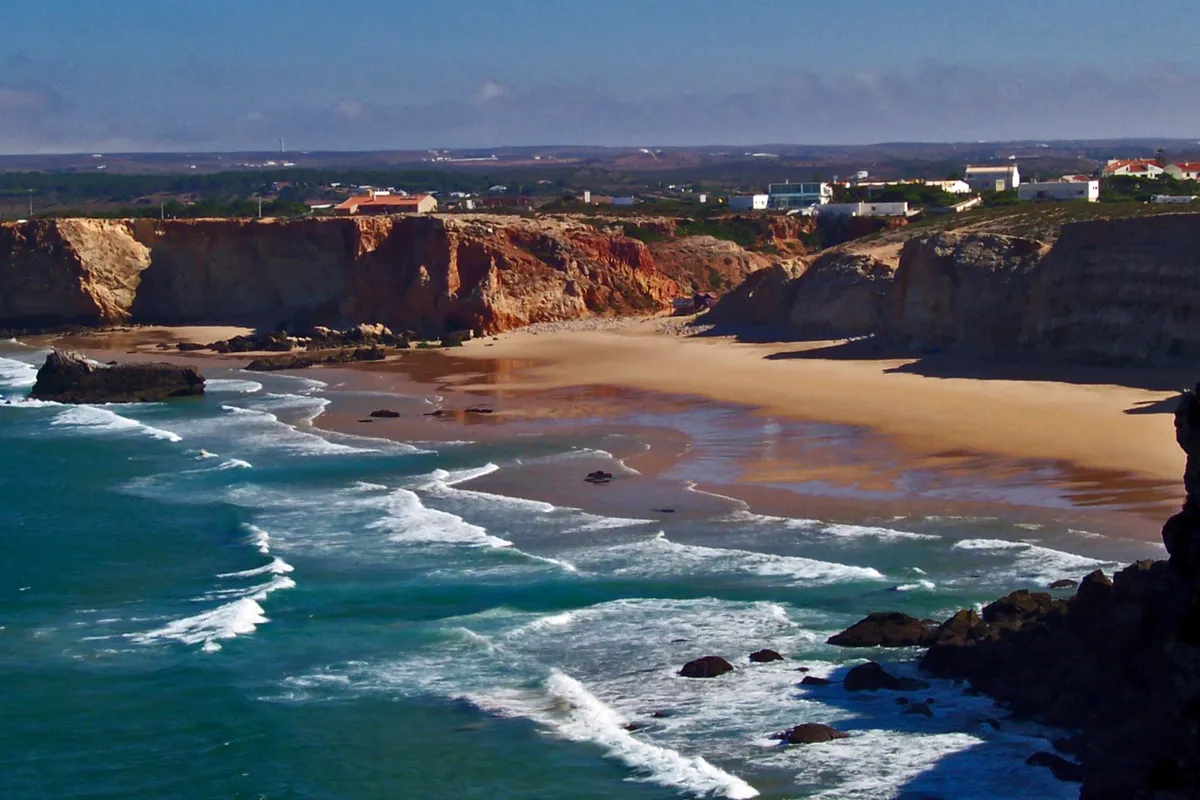
| Arrifana | Beach & reef | Beginner–Advanced | Dramatic west-coast bay below cliffs, with beach peaks for learners and a reef by the harbour for experienced surfers. |
| Amado | Beach break | Beginner–Intermediate | Wide west-coast beach with several peaks, very popular with surf schools. Handles a range of swells. |
| Castelejo | Beach break | Intermediate | Long, exposed beach below steep cliffs near Vila do Bispo, best on medium swells. |
Why surfers base themselves in Lagos
Lagos sits on the south coast of the Algarve, facing roughly south into the Atlantic. For most of the year, that coast is sheltered from the dominant north-west swells, so the beaches near town are often small or flat. What makes Lagos work as a surf base is what lies within an easy drive: the west coast around Aljezur and Vila do Bispo, which faces directly into the swell, and the south-west tip around Sagres, where beaches face several directions.
On a typical day, surf schools and camps in Lagos drive their students to whichever beach suits the conditions, then return to town for the afternoon. When winter storms send big swells, or when the wind blows from the west or south-west, the south coast near Lagos comes to life and the drive becomes unnecessary. The combination gives Lagos one of the most reliable set-ups in Europe for learners and improvers, with sunshine, warm afternoons and a lively town to come back to.
The south-coast beaches near town
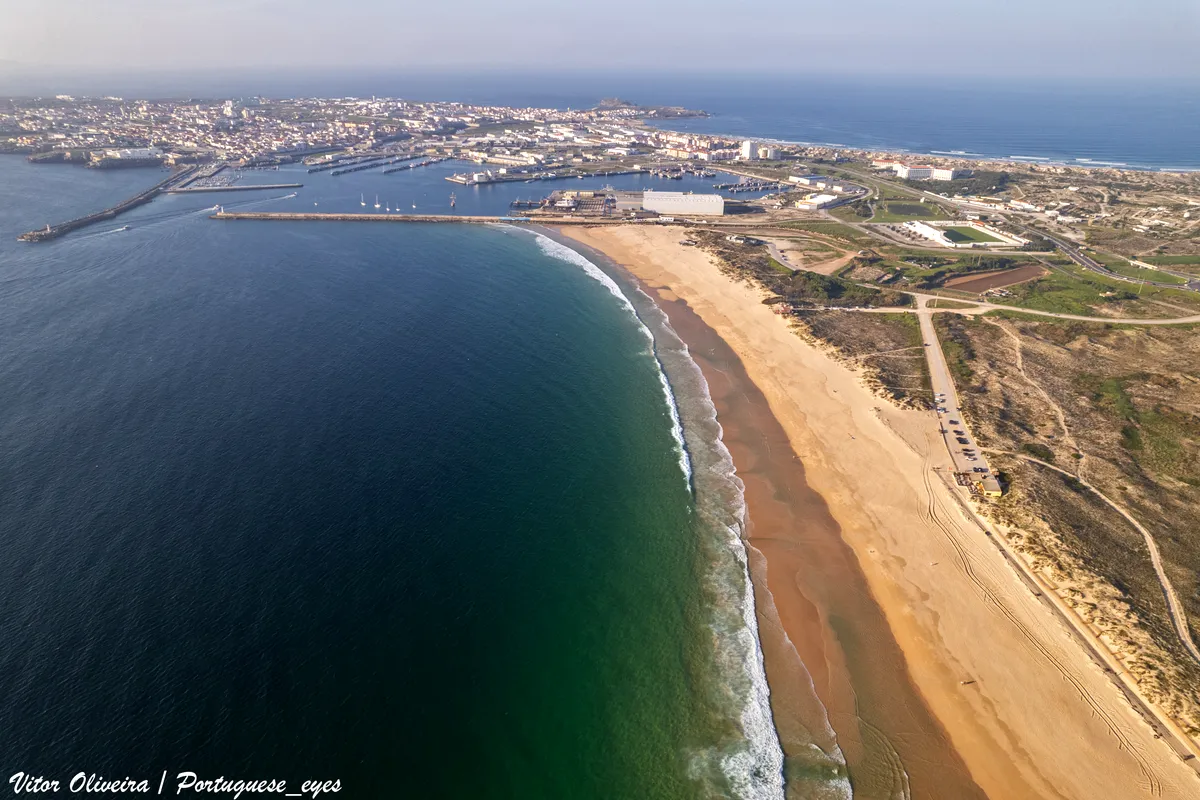
Meia Praia, the long sandy beach that stretches east from the marina, is the main local surf beach. It needs a decent south-west or southerly swell to work, which most often happens in autumn and winter, and it then offers gentle, forgiving peaks ideal for beginners. On flat days, it is a swimming and paddleboarding beach.
West of town, Porto de Mós is a sandy cove backed by cliffs that also needs a bigger swell to break. When it works, it can produce fun, punchy waves for intermediates. Further west, Praia da Luz has a reef that occasionally breaks on big winter swells, mainly for experienced surfers. These local breaks are the bonus, not the core, of a Lagos surf trip: most days, you will drive west.
Day trips to the west coast
About forty-five minutes to an hour north-west of Lagos, the Costa Vicentina faces the open Atlantic and picks up most swells. Arrifana, a dramatic bay below cliffs with a small fishing harbour, offers beach-break peaks and a right-hand reef near the harbour for experienced surfers. Amado, near Carrapateira, is a wide beach with several peaks that is hugely popular with surf schools; it handles a range of swells and is often busy with lessons. Castelejo and Cordoama, near Vila do Bispo, are long, exposed beaches below steep cliffs, better for intermediates on medium days.
These beaches are inside the Southwest Alentejo and Vicentine Coast Natural Park, with limited development and spectacular scenery. Bring water, food and sun protection, as facilities can be basic outside summer.
Zavial, Sagres and the south-west corner
Between Lagos and Sagres, Zavial is a south-facing bay with a reef and beach set-up that comes alive on winter swells and northerly winds, often producing quality waves for intermediates and advanced surfers. It is a classic winter spot for Algarve surfers.
Around Sagres itself, beaches such as Tonel, Beliche, Mareta and Martinhal face west, south-west and south. Because they face different directions, at least one is often working with suitable wind. Sagres is about thirty minutes from Lagos, so many camps include it in their daily rotation. Our Sagres guide covers these beaches in more detail.
Where to stay in Lagos
Lagos old town, inside its historic walls, has cobbled streets, restaurants, bars and a lively atmosphere, especially in summer. Staying here puts you within walking distance of dining and nightlife, with surf camps typically picking you up for daily transfers.
The areas around Meia Praia and Porto de Mós have more resort-style accommodation and apartments, closer to the beaches. Villages to the west, such as Luz, Burgau and Salema, are quieter, smaller and slightly closer to the west coast. If you want to be right next to the west-coast surf, consider staying in Aljezur, Carrapateira or Sagres instead, but you will give up some of Lagos's town life.
Faro to Lagos: getting there and around
Faro airport is about an hour's drive east of Lagos, with frequent flights from across Europe. Trains and buses connect Faro and Lagos, and many surf camps offer airport transfers. Lisbon airport is around three hours away by road, an option if flights are cheaper.
A rental car gives you the freedom to chase conditions across both coasts and visit quieter beaches. Roads are generally good, though parking at popular west-coast beaches can be tight in summer. If you are taking lessons, most surf schools and camps include transport to the beach, so a car is not essential.
Water, weather and what to pack
The Algarve is one of the sunniest regions in Europe, and its water is a little warmer than Portugal's north and centre. Expect water temperatures in the mid-teens Celsius in winter and around the high teens to low twenties in late summer, although the west coast is often cooler than the south because of upwelling. A 4/3 wetsuit is common from late autumn to spring, and a 3/2 in summer and early autumn.
Pack sun protection all year, as winter sunshine is strong. Evenings can be cool in winter, so bring a warm layer. Surf schools provide wetsuits and boards; if you are surfing independently, board rental is widely available in Lagos and on the west coast.
Planning your days in Lagos
Plan your surfing around the forecast. On days with north-west swell and northerly winds, head west to Arrifana or Amado, or try Zavial if the swell is big. When the wind turns west or south-west and the swell is large, check Meia Praia and Porto de Mós before driving anywhere.
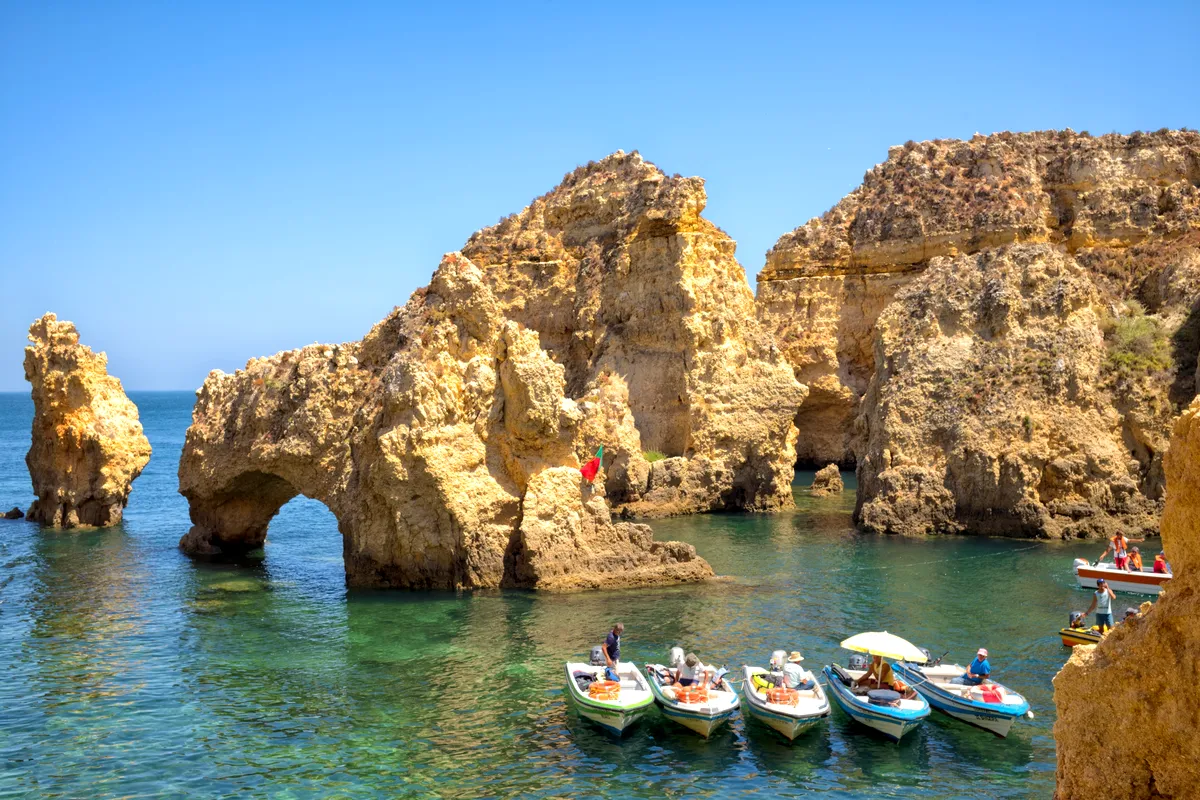
On a flat or rest day, walk the cliff paths at Ponta da Piedade, just south of Lagos, where golden rock arches and grottoes rise from turquoise water; boat and kayak tours explore the caves. Visit Sagres Fortress and Cabo de São Vicente, the south-western tip of mainland Europe, at sunset. Lagos's old town has a slave market museum, churches and a busy restaurant scene, and the town is a good base for exploring the wider Algarve.
Lagos surf season month by month
A broad planning picture, not a forecast. Swell, wind and water temperature vary from year to year.
| January | Winter swells make the west coast powerful and can light up Zavial and the south coast. Mild, sunny days and cool water: a 4/3 wetsuit. |
|---|---|
| February | Consistent swell and quiet beaches. A great month for intermediates, with sunshine more often than not. |
| March | Still consistent, with spring warmth arriving. Good for all levels with a school that moves between beaches. |
| April | Swells start to ease. The west coast offers manageable waves; Easter brings more visitors. |
| May | Smaller swells and warm days. Good for beginners on the west coast; the south coast is usually flat. |
| June | Early summer: small, gentle waves on the west coast and busy beaches. Northerly winds in the afternoons. |
| July | Peak holiday season. Small surf on the west coast, crowded lessons and a lively town. The south coast is mostly flat. |
| August | Similar to July, with the warmest water. Ideal for complete beginners and families; book ahead. |
| September | The first autumn swells arrive, water is at its warmest and crowds thin. A great month for all levels. |
| October | Consistent swells and pleasant weather. One of the best months for intermediates on the west coast. |
| November | Bigger swells and more mixed weather. Zavial and the south coast can start to work. |
| December | Winter swells, quiet beaches and mild days. Experienced surfers can find excellent conditions. |
Learning to surf in Lagos
Lagos is one of the most popular places in Portugal to learn to surf, with many surf schools and camps offering lessons and packages. Most use the west-coast beaches around Arrifana and Amado or the Sagres beaches, choosing the best spot each day, and occasionally Meia Praia when the south coast is working.
Packages usually include accommodation, daily lessons, equipment and transport, and some camps add yoga, coaching or excursions. Ask how many students share an instructor, how the school chooses beaches and how long the daily drive is. A camp that adapts to conditions is worth more than one with fixed spots.
The Algarve's mild climate means you can learn comfortably for much of the year. Summer offers the gentlest waves, while spring and autumn bring more consistent surf and fewer crowds. Winter is fine for learners with a school that knows where to find sheltered waves.
Comparing options across the country? Read our guide to surfing in Portugal.
Seasonal notes on this page describe typical patterns, not the conditions on a given day. Use the local forecast, lifeguard advice and a qualified instructor for water-safety decisions, and get a written breakdown of what any surf package includes before paying.
Lagos surf trip questions
Is Lagos good for surfing?
Lagos is an excellent base rather than a surf spot in itself. Its local beaches only work on bigger swells, but the west coast and Sagres are within an hour, and surf schools drive students to the best beach each day.
When is the best time to surf near Lagos?
October to April brings the most consistent swells, with mild, sunny weather. Summer is small but suits complete beginners. Autumn offers warm water and good waves.
Is Lagos good for beginners?
Yes. Many surf schools and camps operate from Lagos and take beginners to gentle west-coast beaches such as Amado and Arrifana, or to Meia Praia when it works.
How far is Lagos from Faro airport?
About an hour by car. Trains and buses also connect the two, and many surf camps offer airport transfers.
What wetsuit do I need in the Algarve?
A 4/3 wetsuit from late autumn to spring and a 3/2 in summer and early autumn. The west coast is often cooler than the south.
Lagos or Sagres: where should I stay?
Lagos has more restaurants, nightlife and services, with a short drive to the surf. Sagres is smaller and quieter but right next to several beaches facing different directions.
Sources & editorial notes
Destination context checked against the sources below. Base-selection and itinerary suggestions are Book & Surf editorial recommendations. Seasonal windows are broad planning suggestions, not measured forecasts or guarantees.
- Visit Portugal: Surfing ↗
- Wikipedia: Lagos, Portugal ↗
- Wikipedia: Ponta da Piedade ↗
- Wikipedia: Southwest Alentejo and Vicentine Coast Natural Park ↗
We do not claim to have personally surfed every break. Read our editorial standards.