The breaks
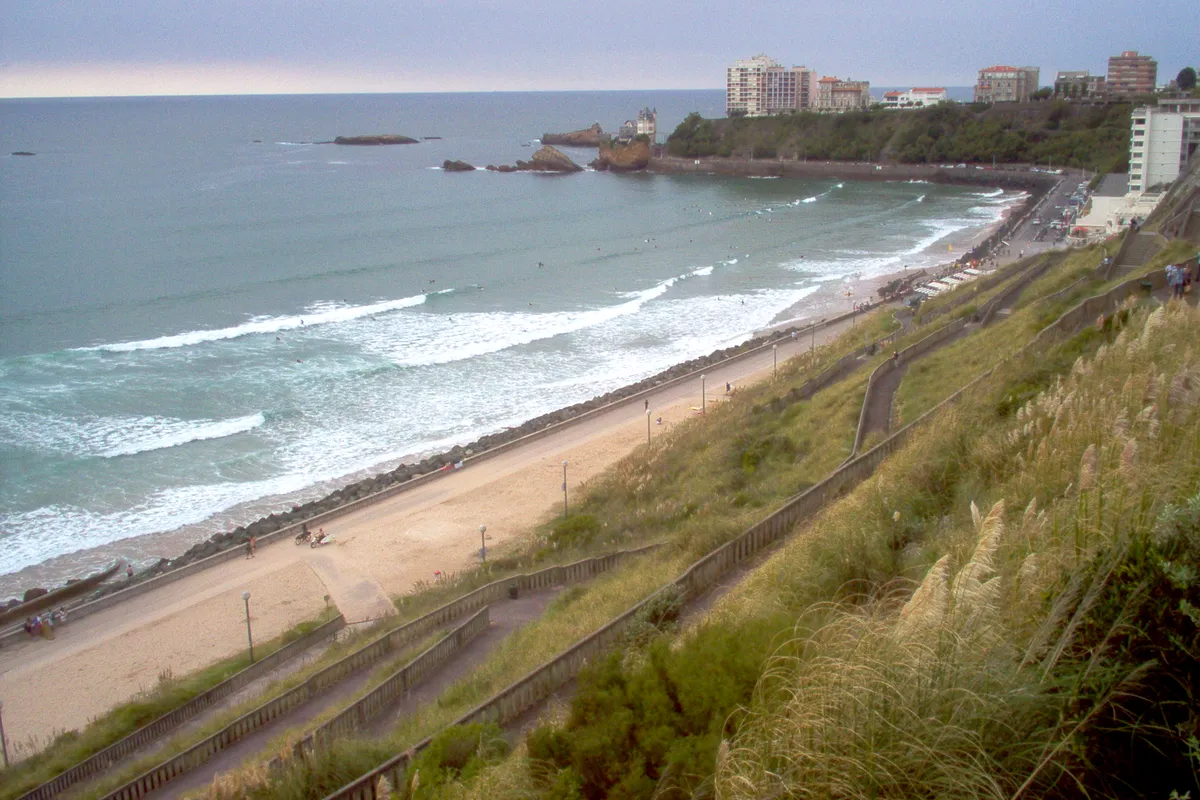
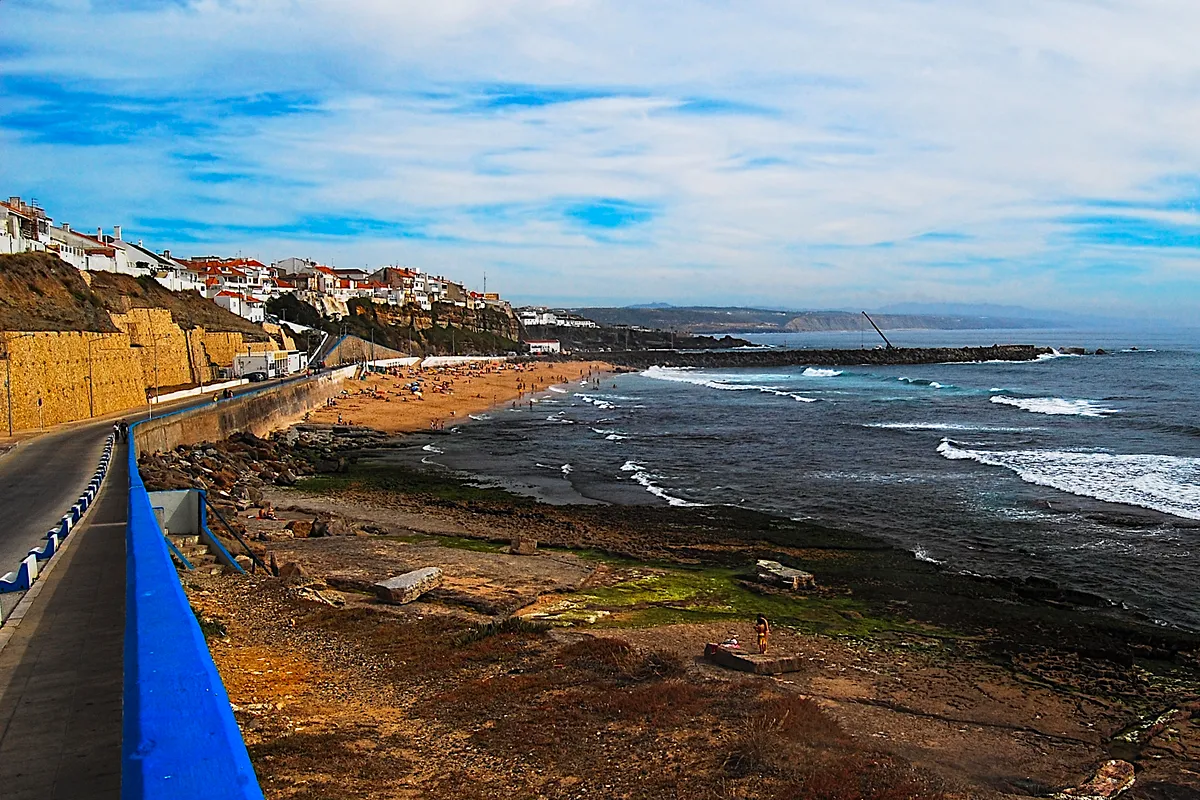
Recognised, publicly known surf spots around Hossegor. Suitability depends on the day's swell, wind and tide, so treat the level as a guide, not a guarantee.
| Break | Type | Best for | Notes |
|---|---|---|---|
| La Gravière | Beach break | Expert | Heavy, hollow and fast. One of the world's best beach-break barrels and one of Europe's most dangerous shore breaks. |
| La Nord | Beach break | Advanced | Handles bigger swells and can produce big, powerful waves in autumn and winter. |
| La Centrale & La Sud | Beach break | Intermediate | Central town beaches, generally a little more manageable, with lifeguards in summer. |
| Les Estagnots (Seignosse) | Beach break | Intermediate | Seignosse beach with quality peaks, popular with surf schools and intermediates. |
| Le Penon (Seignosse) | Beach break | Beginner–Intermediate | Seignosse beach with peaks that can suit learners and intermediates, depending on the banks. |
| La Piste (Capbreton) | Beach break | Intermediate | Capbreton beach with old bunkers and jetty-shaped sandbanks. Can be more forgiving than central Hossegor. |
Why Hossegor's beach breaks are so powerful
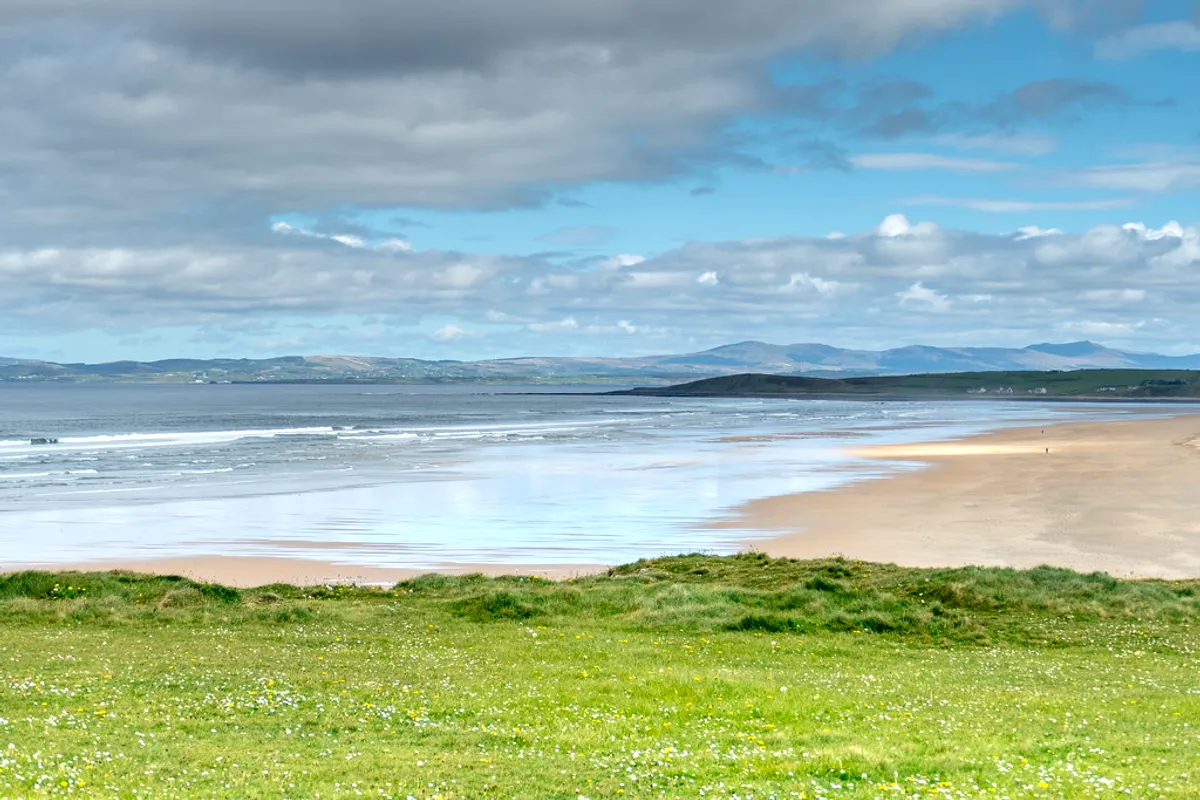
Hossegor sits on the Landes coast, a stretch of almost unbroken sandy beach that runs for more than two hundred kilometres along the Bay of Biscay. Most beach breaks lose power over gently sloping sand, but Hossegor has a secret: just offshore, the Gouf de Capbreton, a deep submarine canyon, allows swells to arrive with little loss of energy. Combined with shifting sandbanks, this produces beach breaks that can be as powerful and hollow as many reef breaks.
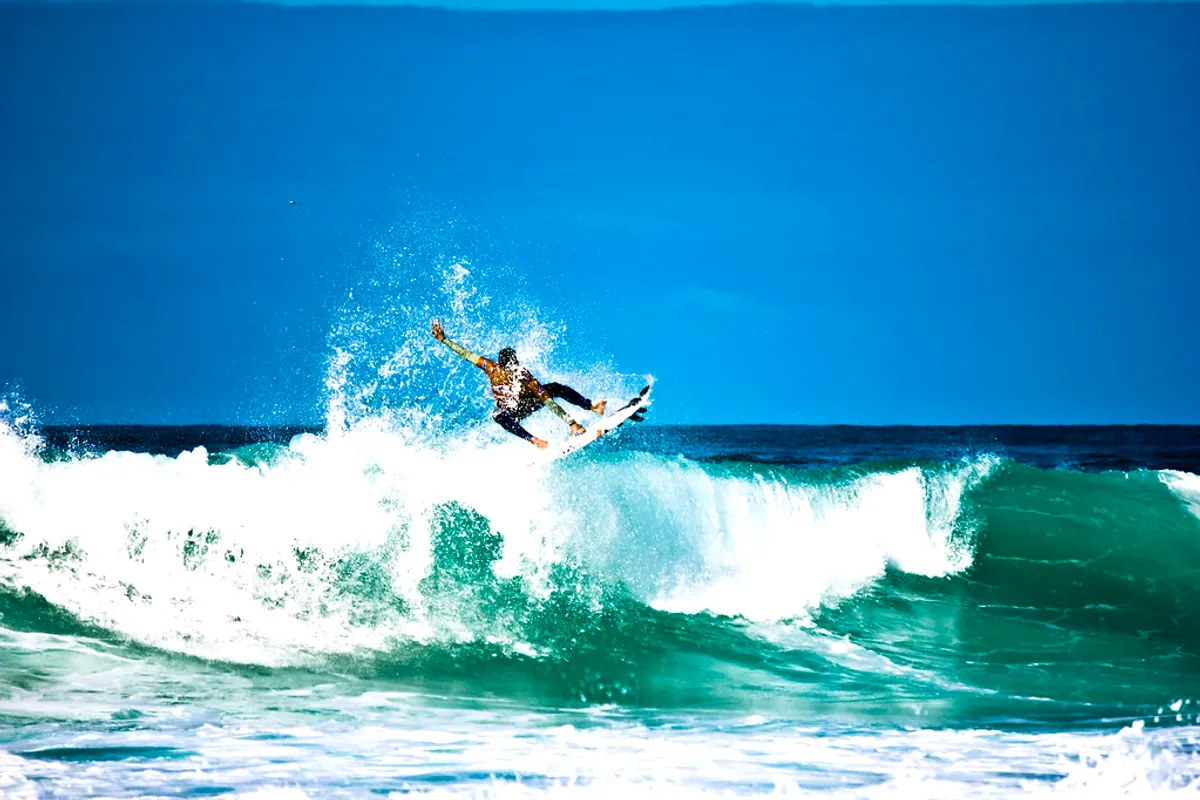
On its best days, Hossegor produces thick, fast barrels that have made it a regular stop on the professional surfing circuit. It is also a place where conditions change quickly: sandbanks move with storms and seasons, so a peak that was perfect last year may be different now. Local knowledge and daily checks are part of surfing here.
La Gravière, La Nord and the central beaches
La Gravière is Hossegor's most famous wave, a heavy, hollow beach break that can produce world-class barrels. It breaks close to shore with real power, and on bigger days it is one of the most dangerous beach breaks in Europe. It is strictly for experienced surfers comfortable in heavy, crowded conditions.
La Nord, just to the north, is known for handling bigger swells and can produce big, powerful waves in autumn and winter. The central beaches in front of town, including La Centrale and La Sud, are generally a little more sheltered and can be more manageable, though still powerful on bigger days. Lifeguards patrol the main beaches in summer.
Seignosse and Capbreton
North of Hossegor, Seignosse has a series of beaches, including Les Estagnots, Les Bourdaines and Le Penon, each with its own sandbanks and character. They can offer excellent beach-break peaks, often a little less intense than La Gravière, and are popular with intermediates and surf schools.
South of Hossegor, Capbreton has a harbour and a series of jetties that help to shape the sandbanks. Beaches such as La Piste and Santocha offer peaks that can be more forgiving, and the town has a slightly more relaxed, family-friendly feel. Capbreton's harbour also offers fishing boats, restaurants and markets.
Picking a base around Hossegor
Hossegor town is spread through pine forest between the ocean and a saltwater lake, with surf shops, restaurants, bars and a lively summer atmosphere. Staying near the beaches puts you within walking distance of La Gravière and La Centrale. Seignosse, to the north, has campsites, apartments and surf camps closer to its beaches. Capbreton, to the south, is more family-oriented with a harbour and a range of accommodation.
Campsites and surf camps are popular, especially in summer. Accommodation books up early for July and August, and prices are lower in autumn.
Reaching Hossegor and moving between breaks
Biarritz airport is the closest, about half an hour to forty minutes by road. Bordeaux airport, with more international connections, is about two hours away. Trains run to Bayonne and Dax, from where buses and taxis connect to Hossegor.
A car or bicycle is useful for checking different beaches. The Landes has an extensive network of cycle paths through the pine forests, connecting Hossegor, Seignosse and Capbreton, which makes cycling with a board rack a popular way to get around.
Beach-break safety
Hossegor's power comes with real hazards. Waves break close to shore and can dump heavily on shallow sandbanks, and strong rip currents form between banks. Many serious injuries happen in the shore break. Watch carefully before paddling out, choose beaches suited to your level and do not underestimate even moderate swells.
In summer, lifeguards patrol the main beaches and mark swimming zones with flags; surfing is often restricted inside those zones. Outside the summer season, most beaches are unpatrolled. Check local forecasts and warnings, and surf with others.
Water, weather and what to pack
The water off the Landes ranges from cool in winter and spring to mild in summer, typically from the low teens Celsius in winter to around twenty in late summer. A 3/2 wetsuit is common in summer and early autumn, a 4/3 in late autumn and spring, and a 5/4 with boots in winter.
Summer is warm and busy, autumn often brings clear days and offshore winds, and winter is cool and wet. Pack layers, sun protection in summer and a warm changing robe for cold sessions.
Flat days and a better week in Hossegor
Check several beaches each morning: sandbanks change, and the best peak can vary from day to day. Autumn often brings the best combination of swell, offshore winds and fewer crowds.
On a flat or rest day, walk or cycle around the Lac d'Hossegor, a saltwater lake connected to the ocean, known for oysters and calm water. Explore the pine forests of the Landes, or visit the Basque Country's towns, such as Biarritz, Bayonne and Saint-Jean-de-Luz, all within an hour's drive. Hossegor's markets, bakeries and restaurants offer a taste of south-west French cuisine.
Hossegor surf season month by month
A broad planning picture, not a forecast. Swell, wind and water temperature vary from year to year.
| January | Winter storms bring big, powerful swells and cold water (a 5/4 with boots). Quiet beaches; best for experienced surfers. |
|---|---|
| February | Powerful and often stormy. Short windows of clean conditions between storms. |
| March | Still consistent, with lengthening days. Sandbanks can be shaped by winter storms. |
| April | Spring swells and more variable winds. A 4/3 wetsuit; fewer crowds. |
| May | Smaller, friendlier swells and warmer weather. Good for intermediates. |
| June | Generally small and increasingly busy. Good for learners. |
| July | Peak holiday season: busy beaches, small surf and lifeguard-patrolled swimming zones. |
| August | Busy and warm, with the warmest water of the year. Small to medium waves; occasional early autumn swells. |
| September | The start of the prime season: autumn swells, warm water and fewer crowds after the holidays. |
| October | Often the best month, with powerful swells, offshore winds and La Gravière at its best. |
| November | Bigger swells and cooler water. Excellent for experienced surfers. |
| December | Winter swells, cold water and stormy weather. Quiet and powerful. |
Learning to surf in Hossegor
Despite its reputation for heavy waves, the Hossegor area has many surf schools and camps, especially in Seignosse and Capbreton. Lessons usually take place in summer and early autumn, when waves are smaller, at beaches chosen for the day's conditions.
Schools are typically accredited by the French Surfing Federation and provide wetsuits and soft-top boards. Ask about group size, instructor qualifications and how they choose beaches. Learning about shore break and rip currents is especially important on this coast.
From late autumn to spring, waves are often too powerful for beginners, and many schools operate on a reduced schedule. For learning, summer and early September are usually best.
Comparing options across the country? Read our guide to surfing in France.
Seasonal notes on this page describe typical patterns, not the conditions on a given day. Use the local forecast, lifeguard advice and a qualified instructor for water-safety decisions, and get a written breakdown of what any surf package includes before paying.
Hossegor surf trip questions
When is the best time to surf in Hossegor?
September to November is the prime season, with powerful autumn swells, offshore winds and fewer crowds. Summer is smaller and busier, while winter is powerful and cold.
Is Hossegor good for beginners?
In summer, yes, with many surf schools in Hossegor, Seignosse and Capbreton. Outside summer, waves are often too powerful for beginners. La Gravière is only for experts.
Why are Hossegor's waves so powerful?
A deep submarine canyon offshore, the Gouf de Capbreton, allows swells to reach the coast with little loss of energy, and shifting sandbanks create hollow, powerful beach breaks.
What wetsuit do I need in Hossegor?
A 3/2 in summer and early autumn, a 4/3 in late autumn and spring, and a 5/4 with boots in winter.
How far is Hossegor from Biarritz?
About half an hour to forty minutes by car. Biarritz airport is the closest airport to Hossegor.
Hossegor or Biarritz: where should I stay?
Hossegor has more powerful beach breaks and a relaxed surf-town feel in the pine forest. Biarritz is a larger, elegant seaside town with gentler beaches, more culture and nightlife. They are close enough to surf both.
Can I watch professional surfing in Hossegor?
Hossegor and Seignosse have long hosted professional surfing events, usually in autumn when swells are most consistent. Check the current contest calendar before you travel, as schedules and venues change from year to year.
Is it dangerous to surf in Hossegor?
It can be. The beach breaks are powerful, the shore break can be heavy and rip currents form between sandbanks. Choose beaches that suit your level, watch before paddling out and respect lifeguard flags in summer.
Sources & editorial notes
Destination context checked against the sources below. Base-selection and itinerary suggestions are Book & Surf editorial recommendations. Seasonal windows are broad planning suggestions, not measured forecasts or guarantees.
- Wikipedia: Soorts-Hossegor ↗
- Wikipédia (French): Gouf de Capbreton submarine canyon ↗
- Météo-France: marine forecasts ↗
We do not claim to have personally surfed every break. Read our editorial standards.