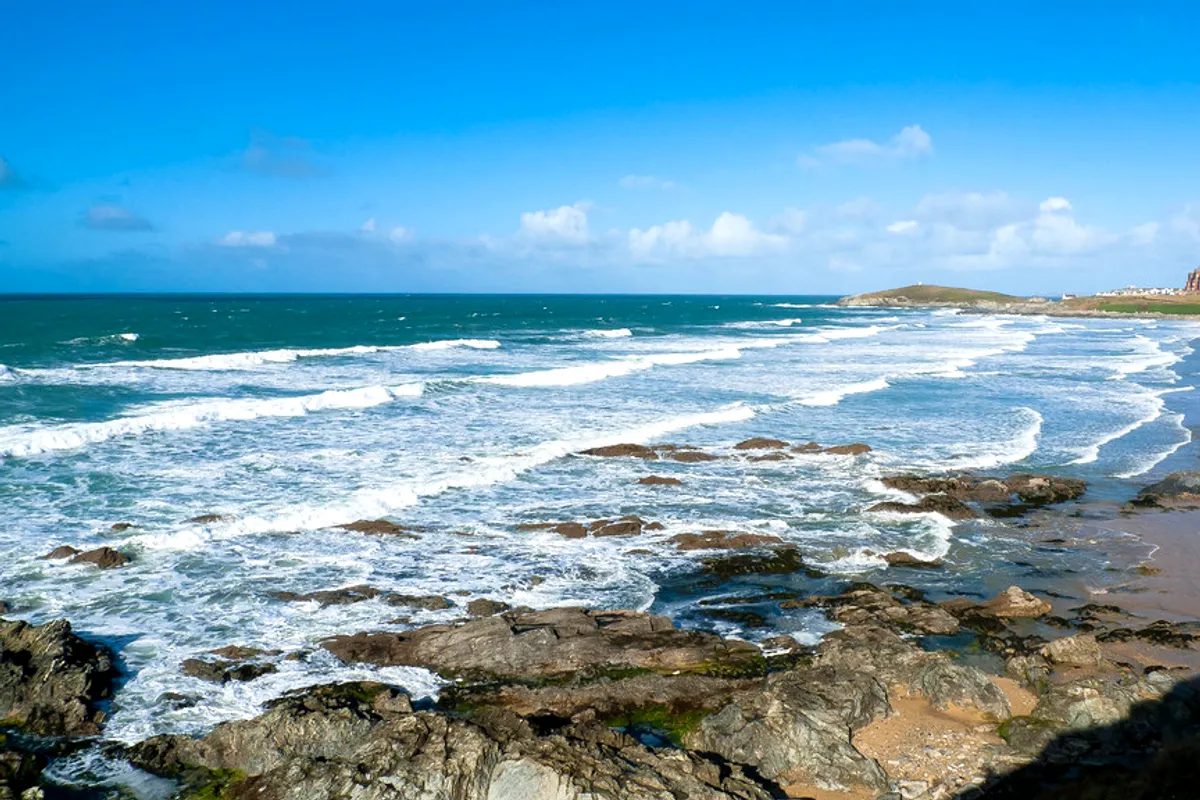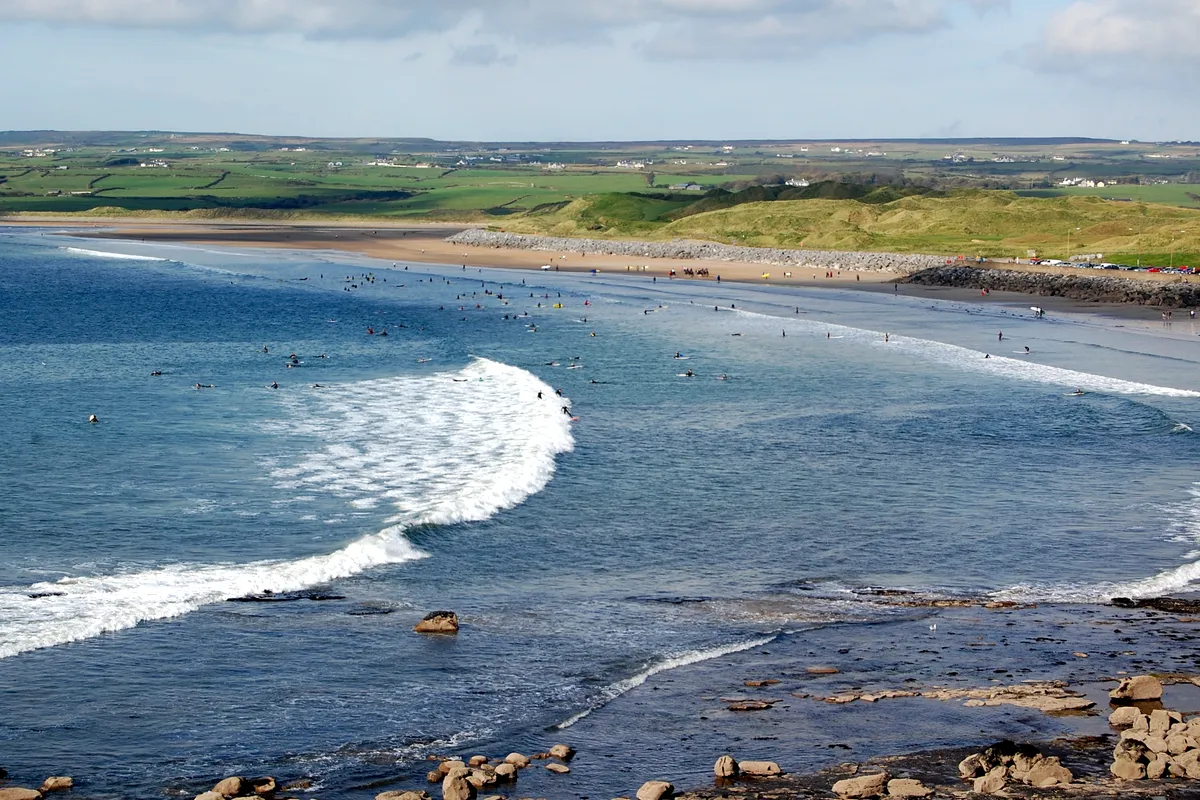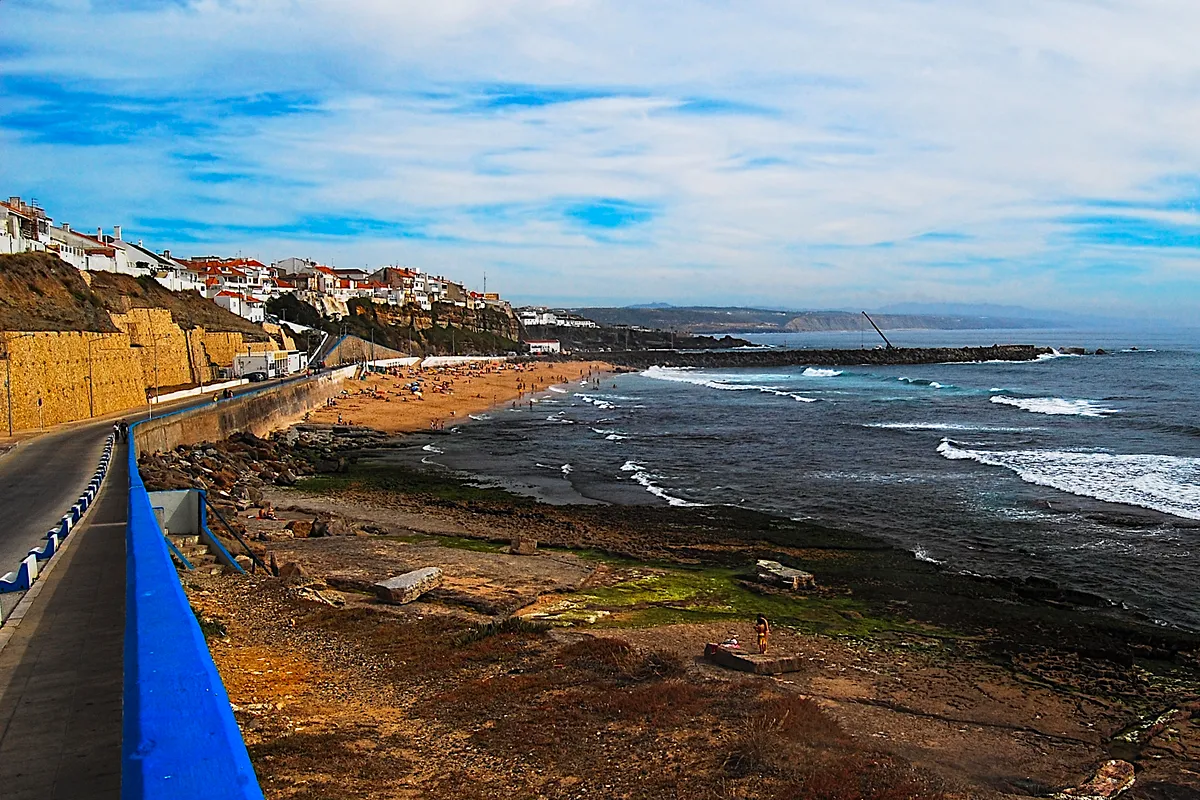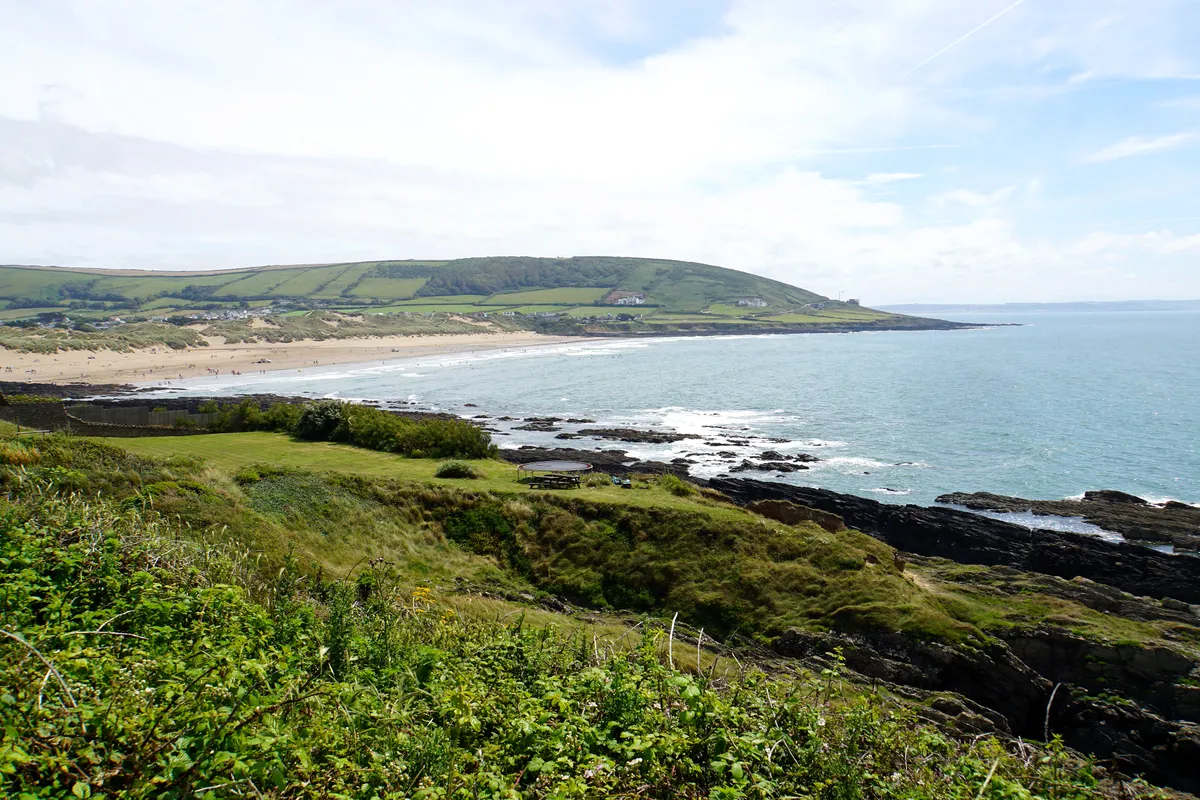
The breaks
Recognised, publicly known surf spots around Croyde. Suitability depends on the day's swell, wind and tide, so treat the level as a guide, not a guarantee.
| Break | Type | Best for | Notes |
|---|---|---|---|
| Croyde Bay | Beach break | Intermediate–Advanced | Punchy beach break that can be fast and hollow at low tide. More forgiving at mid tide; can become a shore break at high tide. |
| Downend Point | Reef & point | Advanced | Rocky reef and point at the southern end of the bay that works on the right swell and tide. |
| Saunton Sands | Beach break | Beginner–Intermediate | Vast beach backed by Braunton Burrows with long, gentle waves. One of the UK's best longboard and learning spots. |
| Woolacombe | Beach break | Beginner–Intermediate | Long sandy beach with many peaks and surf schools north of Baggy Point. |
| Putsborough | Beach break | Beginner–Intermediate | Sheltered southern end of Woolacombe beach, a good option in south-westerly winds. |
A village built around a bay
Croyde is a small village of thatched cottages, pubs and surf shops, tucked behind a sandy bay on the North Devon coast, between Baggy Point to the north and Downend Point to the south. The bay faces west into the Atlantic and the Bristol Channel, catching swells from the North Atlantic, and its sandbanks can produce some of the punchiest beach-break waves in England.
The village has been a surf destination since the 1960s, and today it has a busy summer season, with campsites, holiday cottages and surf schools. In autumn and winter, it becomes quieter, and local surfers have the waves largely to themselves.
Croyde Bay and the low-tide waves
Croyde Bay's beach break is famous for changing dramatically with the tide. At low tide, the waves can become fast, steep and hollow, breaking over shallow sandbanks with real power, and this is when the bay attracts experienced surfers. At mid tide, the waves are generally more forgiving, and at high tide, the bay can become a shore break or lose its shape.
The Bristol Channel has one of the largest tidal ranges in the world, so the beach can change completely within a few hours. Check the tide times before you go and ask locals which stage of the tide suits the day's swell.
Downend Point and the reefs
At the southern end of the bay, Downend Point has reef and point breaks over rock that can produce good waves on the right swell and tide, suiting experienced surfers. Baggy Point, at the northern end, is a dramatic headland owned by the National Trust, with reefs that occasionally work on big swells. Both are rocky and require care.
Saunton Sands
South of Croyde, Saunton Sands is a vast beach backed by the sand dunes of Braunton Burrows, one of the largest dune systems in Britain and part of a UNESCO Biosphere Reserve. The waves at Saunton are long, slow and gentle, peeling across a shallow, gently sloping beach, which makes it one of the best longboard waves in the UK and a great place for beginners.
Saunton is also popular with families and has a large beach car park and café. Its dunes have been used as a film location.
Woolacombe and Putsborough
North of Baggy Point, Woolacombe has a long sandy beach with many peaks, a lively summer atmosphere and surf schools. Putsborough, at the southern end of the same beach, is more sheltered from south-westerly winds and can be a good option when Croyde is blown out. Together, Croyde, Saunton and Woolacombe give North Devon surfers plenty of options within a few minutes' drive.
Croyde season by season
Autumn, from September to November, is usually the best time to surf Croyde, with consistent Atlantic swells, offshore easterly winds on some days, water still relatively mild after summer and quieter beaches. Winter brings powerful swells, cold water and storms, with good days between fronts. Spring offers decent swell and longer days.
Summer is usually small and very busy, with lifeguarded swimming zones and crowded line-ups, but it is the best time for beginners, especially at Saunton and Woolacombe.
Wetsuits and water temperature
The water off North Devon ranges from around 9–10°C in late winter to about 16–17°C in late summer. A 4/3 wetsuit with boots is common in summer and early autumn, and a 5/4 with boots and gloves in winter. Surf shops in Croyde, Braunton and Woolacombe rent and sell wetsuits.
Lifeguards and safety
RNLI lifeguards patrol Croyde, Saunton and Woolacombe during the summer season, marking swimming zones with red and yellow flags and areas for surfboards with black and white chequered flags. Rip currents are common, especially on bigger days and around the headlands, and the large tidal range can cut off access at the base of cliffs.
At low tide, Croyde's waves can break heavily onto shallow sand, so beginners should avoid the bay on powerful low-tide days and head to Saunton instead.
Getting to Croyde
Exeter Airport is about an hour and a quarter away, and Bristol Airport around two hours. Trains run to Barnstaple, about twenty minutes from Croyde, from where buses and taxis connect to the village. A car is the most practical way to explore the area, though Croyde's narrow lanes and car parks become congested in summer.
The Tarka Trail, a long-distance walking and cycling route, passes nearby along the Taw estuary.
Where to stay in Croyde
Croyde has holiday cottages, B&Bs, pubs with rooms and several large campsites near the beach, which are very popular in summer. Braunton, a few minutes inland, is a larger village with more shops, restaurants and surf shops. Woolacombe also has a range of accommodation. Book well ahead for the summer holidays and festival weekends.
Pubs, cream teas and rest days
Croyde's thatched pubs are a big part of the village's charm, serving local ales and food. On flat days, walk the South West Coast Path around Baggy Point, explore the Braunton Burrows dunes, cycle the Tarka Trail or visit the harbour town of Ilfracombe. Exmoor National Park, with its moorland and wild ponies, is within easy reach.
The local line-up
Croyde has a strong local surf community, and on good low-tide days, the line-up can be competitive. Respect local surfers, wait your turn and avoid dropping in. In summer, the bay is busy with visitors and surf school groups, so board control and awareness are important. If the bay is crowded, Saunton and Woolacombe offer more space.
Croyde surf season month by month
A broad planning picture, not a forecast. Swell, wind and water temperature vary from year to year.
| January | Powerful winter swells and cold water (around 9–10°C). Good days between storms for experienced surfers. |
|---|---|
| February | Still stormy and cold. A 5/4 with boots and gloves. |
| March | Late winter swells and lengthening days. Coldest water of the year. |
| April | Spring swells and some settled weather. Easter holidays bring visitors. |
| May | Smaller, friendlier waves and long evenings. Good for improvers. |
| June | Generally small. Good for beginners at Saunton; lifeguards on duty. |
| July | Peak holiday season: busy beaches, small surf and surf schools in full swing. |
| August | The busiest month, with the warmest water (around 16–17°C). |
| September | Often the best month: warm water, autumn swells and quieter beaches. |
| October | Consistent swells and still-mild water. Excellent at Croyde on the right tide. |
| November | Bigger swells and cooling water. Empty line-ups on weekdays. |
| December | Winter swells, cold water and short days. |
Learning to surf in Croyde and Saunton
Croyde has several surf schools, but beginners are often taken to Saunton Sands or Woolacombe, where the waves are gentler and the beaches wider. Croyde Bay itself suits improvers at mid tide and experienced surfers at low tide. Schools provide thick wetsuits, boots and soft-top boards, and many are approved by Surfing England.
Summer and early autumn are usually best for beginners. Ask schools about group sizes, instructor qualifications and how they plan lessons around the tide, which strongly affects conditions.
Comparing options across the country? Read our guide to surfing in the UK.
Seasonal notes on this page describe typical patterns, not the conditions on a given day. Use the local forecast, lifeguard advice and a qualified instructor for water-safety decisions, and get a written breakdown of what any surf package includes before paying.
Croyde surf trip questions
When is the best time to surf Croyde?
September to November usually brings consistent swells, mild water and fewer crowds. Summer is small and busy, and winter is powerful and cold.
Is Croyde good for beginners?
Croyde Bay can be powerful at low tide. Beginners are usually better off at Saunton Sands or Woolacombe, which have gentler waves.
What is the best tide for Croyde?
Low tide often brings the fastest, most hollow waves for experienced surfers, while mid tide is more forgiving. High tide can turn the bay into a shore break.
What wetsuit do I need in Croyde?
A 4/3 with boots in summer and early autumn, and a 5/4 with boots and gloves in winter.
Is Saunton good for longboarding?
Yes. Saunton Sands has long, slow, gentle waves and is one of the best longboard spots in the UK.
How do I get to Croyde?
By car via North Devon's roads, or by train to Barnstaple followed by a bus or taxi. Exeter Airport is about an hour and a quarter away.
Is Croyde crowded?
In summer and on good autumn days, Croyde Bay can be busy, especially at low tide. Saunton and Woolacombe nearby usually offer more space.
Can I surf Croyde at high tide?
Croyde Bay often becomes a shore break at high tide. Mid and low tide are usually better, depending on swell size.
What is there to do in Croyde when it is flat?
Walk the coast path around Baggy Point, explore the Braunton Burrows dunes, cycle the Tarka Trail or visit Exmoor National Park and the harbour at Ilfracombe.
Sources & editorial notes
Destination context checked against the sources below. Base-selection and itinerary suggestions are Book & Surf editorial recommendations. Seasonal windows are broad planning suggestions, not measured forecasts or guarantees.
- Wikipedia: Croyde ↗
- Wikipedia: Saunton Sands ↗
- Wikipedia: Braunton Burrows ↗
- Met Office: coast and sea forecasts ↗
We do not claim to have personally surfed every break. Read our editorial standards.