The breaks
Recognised, publicly known surf spots around Lobitos. Suitability depends on the day's swell, wind and tide, so treat the level as a guide, not a guarantee.
| Break | Type | Best for | Notes |
|---|---|---|---|
| Lobitos main point | Left-hand point | Intermediate–Advanced | Long, rippable lefts along a rocky point into the bay. The town's signature wave; busy in peak season. |
| Piscinas | Left-hand reef | Advanced | Fast, sometimes hollow left over reef, for experienced surfers. |
| Baterías | Left-hand point | Intermediate–Advanced | Another left-hand point that works on different swells and tides. |
| Muelle (the pier) | Point & reef | Beginner–Intermediate | Waves near the old pier that can suit a range of levels depending on conditions. |
| Máncora | Left-hand point | Beginner–Intermediate | Livelier beach town about an hour and a half north, with gentle waves and many surf schools. |
Why surfers come to Lobitos
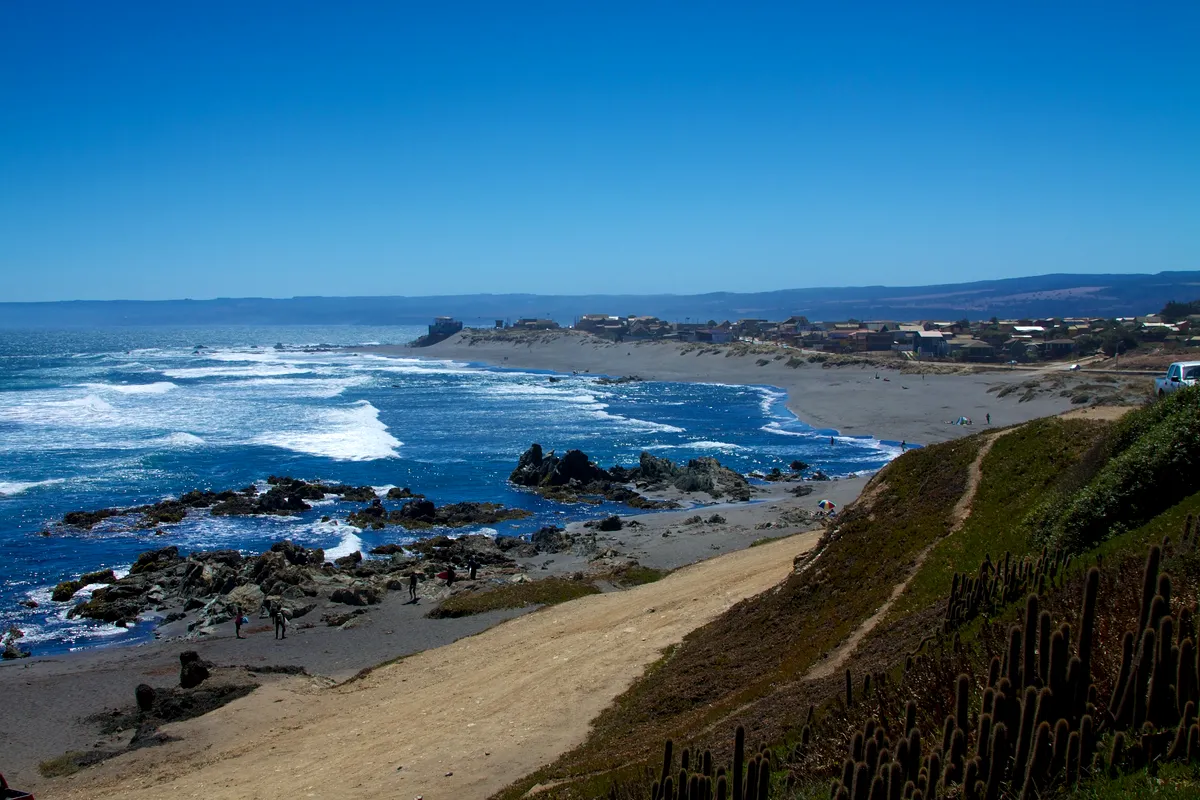
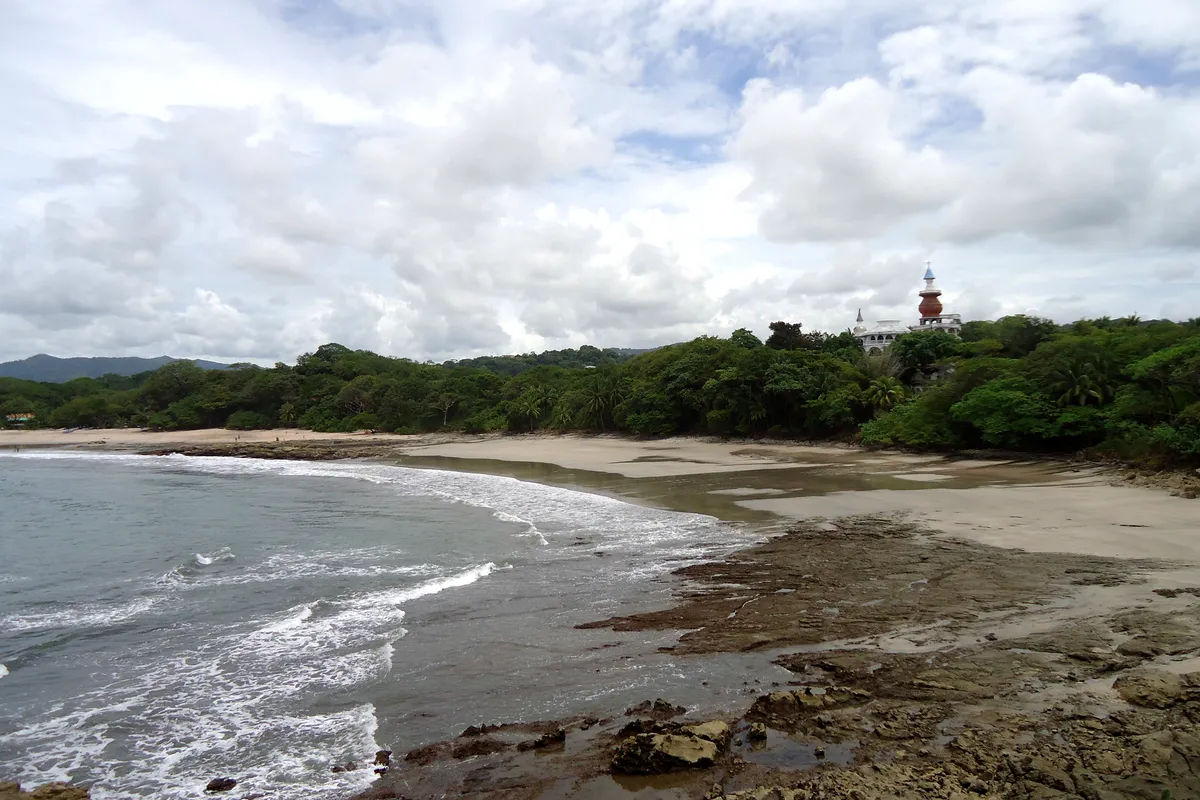
Lobitos sits on a stretch of Peru's northern coast where the desert meets the Pacific. The coastline here is shaped into a series of rocky points and reefs that face slightly different directions, each turning south and west swells into left-hand waves. Because the breaks are so close together, surfers can walk or take a short ride between them and choose the one that best suits the swell, tide and wind.
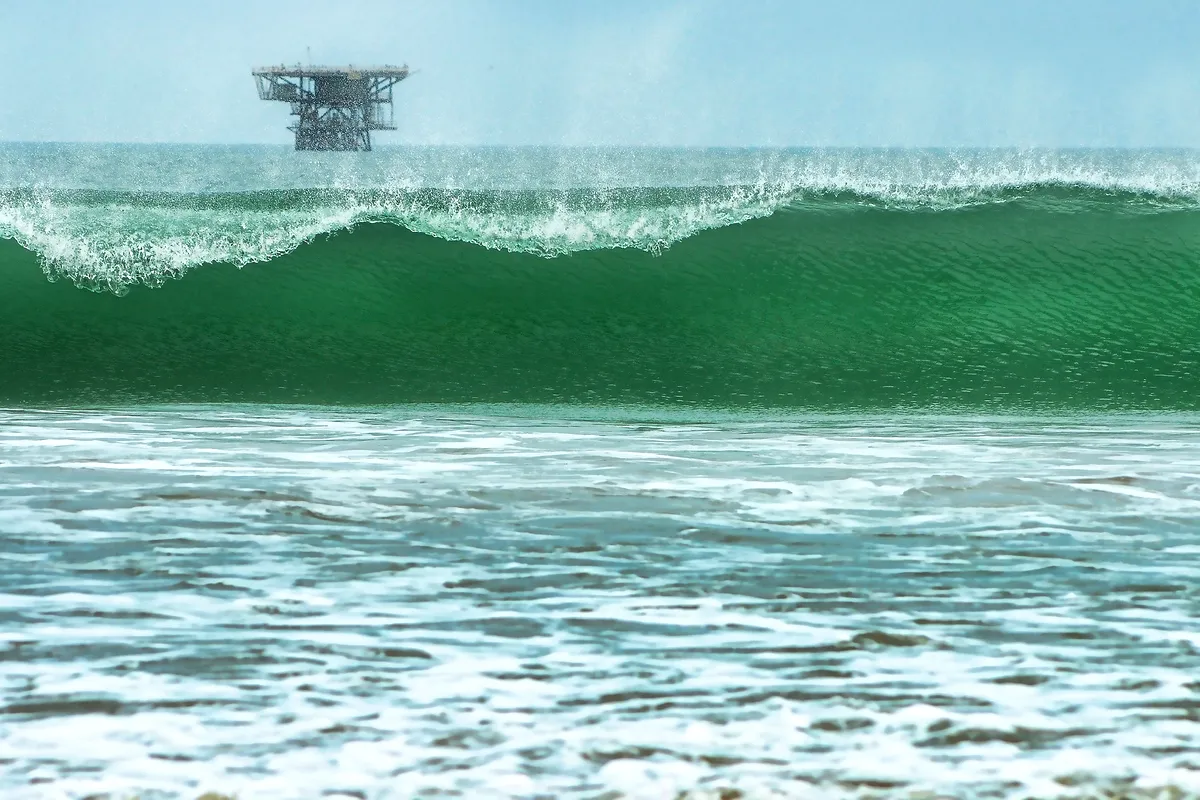
The town itself has an unusual history. It was developed as an oil town in the early twentieth century, and wooden houses from that era, along with oil platforms offshore and pumpjacks on land, are still visible. Today, Lobitos is a quiet, dusty village with a growing number of surf camps, hostels and cafés, attracting surfers who want consistent waves without the busier scene of Máncora further north.
The main point
The main Lobitos point is a left-hand wave that peels along a rocky point into a bay, producing long, rippable walls on the right swell. It is the area's signature wave and suits intermediate and advanced surfers, with a well-defined take-off and a line-up that can get busy in peak season.
On smaller days, the inside sections can be more forgiving. Watch how local surfers enter and exit over the rocks, and be careful of sea urchins.
Piscinas, Baterías and the pier
Several other breaks are within easy reach. Piscinas is a left-hand reef that can produce fast, hollow sections and is best for experienced surfers. Baterías is another left-hand point that works on different swells and tides. The area near the old pier, known locally as Muelle, offers waves that can suit a range of levels depending on the conditions.
Because these breaks face slightly different directions and respond differently to tide, there is usually something to surf. Local surf guides and camp staff can help you choose the best spot for the day.
Learner waves
Although Lobitos is best known for its points, some sections and beaches around the town are suitable for learners on smaller days, particularly on the inside of the bays. Surf schools choose these carefully. Máncora, about an hour and a half to the north, also has gentle waves and many surf schools if you want a more learner-focused environment.
Seasons, swell and wind
Lobitos has surf all year, receiving both south swells, most consistent from roughly April to October, and north-west swells from roughly November to March. The variety of breaks means you can usually find a wave.
Wind is a major factor. Strong winds often blow in the afternoons, sometimes making conditions choppy. Morning sessions are usually best, and some breaks handle the wind better than others. The desert climate means very little rain and lots of sunshine.
Lobitos: which area to stay in
Most visitors stay in surf camps, hostels or guesthouses in Lobitos itself, many within walking distance of the breaks. Facilities are basic compared with larger towns: there are a few small shops and restaurants, and ATMs may not be available, so bring cash.
If you want more nightlife and services, Máncora is about an hour and a half north. Talara, the nearest city, has supermarkets, banks and the airport.
Travel to Lobitos, and getting about
Talara's airport, with flights from Lima, is about half an hour to an hour from Lobitos by road. Piura's airport is further, around two hours away. Many surf camps arrange transfers. Long-distance buses run from Lima and other cities to Talara or Piura, followed by a taxi or shared transport.
In Lobitos, most breaks are within walking distance or a short mototaxi ride.
Etiquette and the local community
Lobitos is a small community, and the growth of surf tourism has brought both opportunities and pressures. Many local residents work in fishing or the oil industry, and some have built livelihoods in surf camps, guiding and hospitality. Supporting locally owned businesses, eating in local restaurants and treating the village as a home rather than a resort all help.
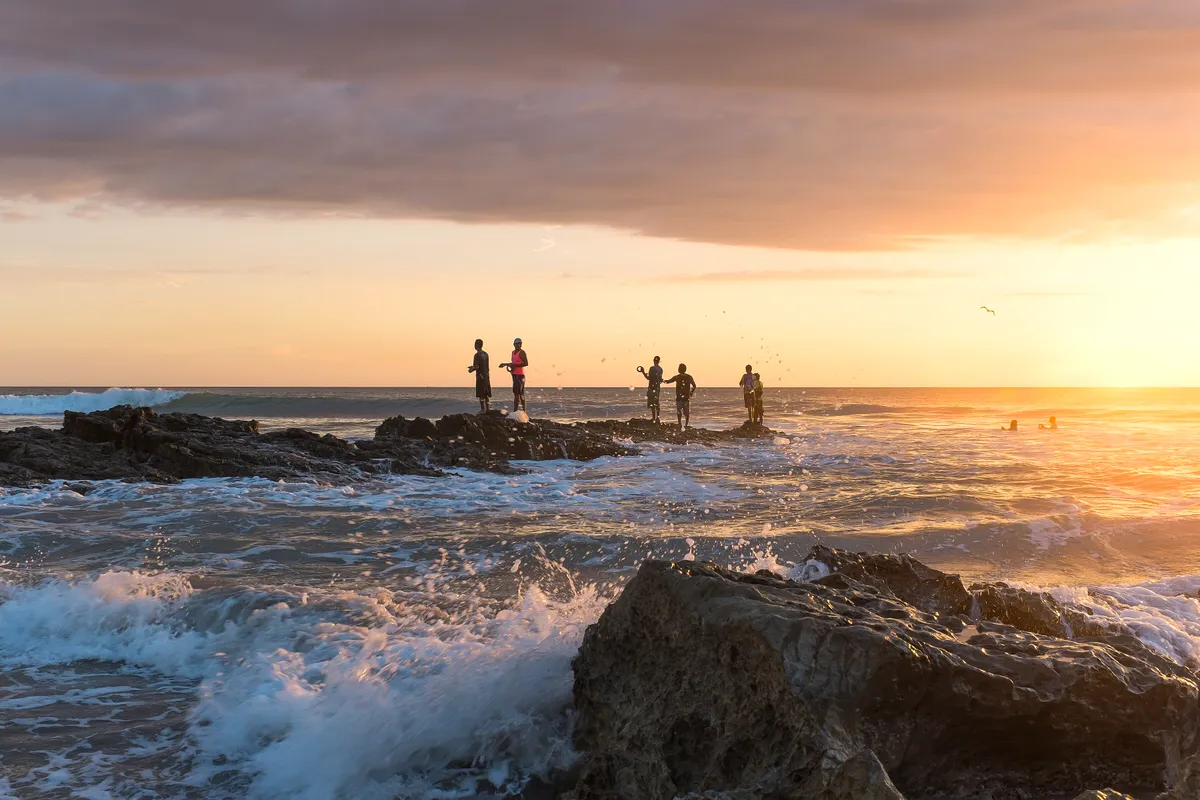
In the water, the main point and Piscinas can get busy, particularly when international surfers arrive in peak season. Peruvian surfers are generally welcoming, but respect the line-up: wait your turn, avoid paddling around others to the inside and never drop in. On a long left-hand point, several surfers may be spread along the wave, so look down the line before taking off. Keep the beaches and desert clean; there is limited waste collection, so take rubbish with you where possible.
Water, sun and what to pack
The water around Lobitos is warmer than in Lima, typically in the high teens to low twenties Celsius depending on the season. A 2mm or 3/2 wetsuit is common in the cooler months, and a shorty or boardshorts may be enough at other times.
The desert sun is intense and there is little shade, so pack high-protection sunscreen, a hat and sunglasses. Reef booties are useful for rocky entries and sea urchins. A windproof layer helps on breezy afternoons.
Making the most of a week in Lobitos
Surf early, before the wind picks up, and plan sessions around the tide for each break. Explore the different points to see how they respond to the day's swell.
On a rest day, visit Máncora for its restaurants and nightlife, take a boat trip to see sea lions or whales in season, or explore the coastal desert. The fresh ceviche in local restaurants is a highlight.
Lobitos surf season month by month
A broad planning picture, not a forecast. Swell, wind and water temperature vary from year to year.
| January | North-west swells and warm water. Hot, sunny days and windy afternoons. |
|---|---|
| February | Still north-west swells with the warmest water of the year. Morning sessions best. |
| March | A mix of north and early south swells. Warm and sunny. |
| April | South swells become more consistent. A good month for all levels. |
| May | Consistent south swells and cooling water. The points start to fire. |
| June | Peak south-swell season. Strong afternoon winds; surf early. |
| July | Consistent, often excellent conditions. A 3/2 wetsuit may be needed. |
| August | Still consistent south swells. Busy with international surfers. |
| September | Good swells continue, with windy afternoons. |
| October | The tail of the south-swell season; still reliable. |
| November | Transition to north-west swells, with warming water. |
| December | North-west swells and warm water. Holiday season brings more visitors. |
Learning to surf in Lobitos
Lobitos is best known for intermediate and advanced waves, but surf camps and schools can find suitable learner waves on smaller days, often on the inside of the bays. For complete beginners, Máncora's gentle waves and many surf schools may be a better starting point, with Lobitos as a step up once you can catch waves.
Ask camps about group size, instructor qualifications and which spots they use for lessons. Mornings are best for learning before the wind picks up.
Comparing options across the country? Read our guide to surfing in Peru.
Seasonal notes on this page describe typical patterns, not the conditions on a given day. Use the local forecast, lifeguard advice and a qualified instructor for water-safety decisions, and get a written breakdown of what any surf package includes before paying.
Lobitos surf trip questions
When is the best time to surf Lobitos?
Lobitos has surf all year, with consistent south swells from April to October and north-west swells from November to March. Mornings are usually best before the wind picks up.
Is Lobitos good for beginners?
It is better suited to intermediate and advanced surfers, but surf schools can find learner waves on smaller days. Máncora is a good alternative for complete beginners.
How do I get to Lobitos?
Fly from Lima to Talara, about half an hour to an hour away by road, or to Piura, around two hours away. Many surf camps arrange transfers.
Do I need a wetsuit in Lobitos?
A 2mm or 3/2 wetsuit is common in the cooler months, while a shorty or boardshorts may be enough at other times.
Are there shops and ATMs in Lobitos?
There are a few small shops and restaurants, but facilities are basic and ATMs may not be available. Bring cash; Talara has banks and supermarkets.
Lobitos or Máncora: where should I stay?
Lobitos is quieter, with a cluster of quality left-hand points. Máncora is livelier, with more restaurants, nightlife and beginner waves. They are about an hour and a half apart.
Is Lobitos windy?
Yes. Strong winds are common, especially in the afternoons, which is why most surfers go out early in the morning. Some breaks handle the wind better than others.
What is the history of Lobitos?
Lobitos developed as an oil town in the early twentieth century, and wooden houses from that era, pumpjacks and offshore oil platforms are still visible. Surf tourism has grown there in recent decades.
What board should I bring to Lobitos?
A shortboard or step-up suits the faster points on good days, while a mid-length or longboard works on smaller days and at the Muelle area.
Sources & editorial notes
Destination context checked against the sources below. Base-selection and itinerary suggestions are Book & Surf editorial recommendations. Seasonal windows are broad planning suggestions, not measured forecasts or guarantees.
We do not claim to have personally surfed every break. Read our editorial standards.