Why surf in Peru
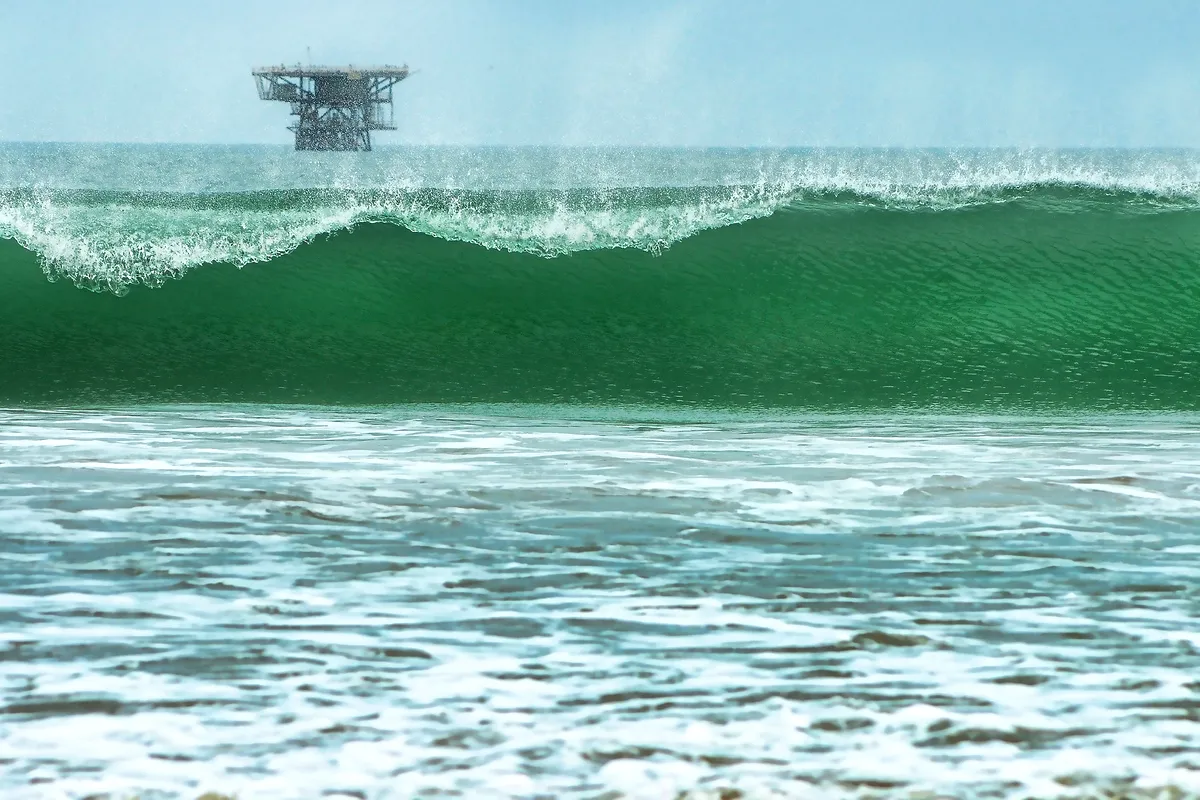
Peru's long Pacific coastline faces west and south-west, catching swells from the South Pacific all year. The coast is a desert, broken by river valleys, with headlands that bend swell into long, peeling left-hand points. The most famous is Chicama, where on the right swell a single wave can run for a remarkable distance along the point. Other points in the north, such as Pacasmayo and Lobitos, are also known for their length and quality.
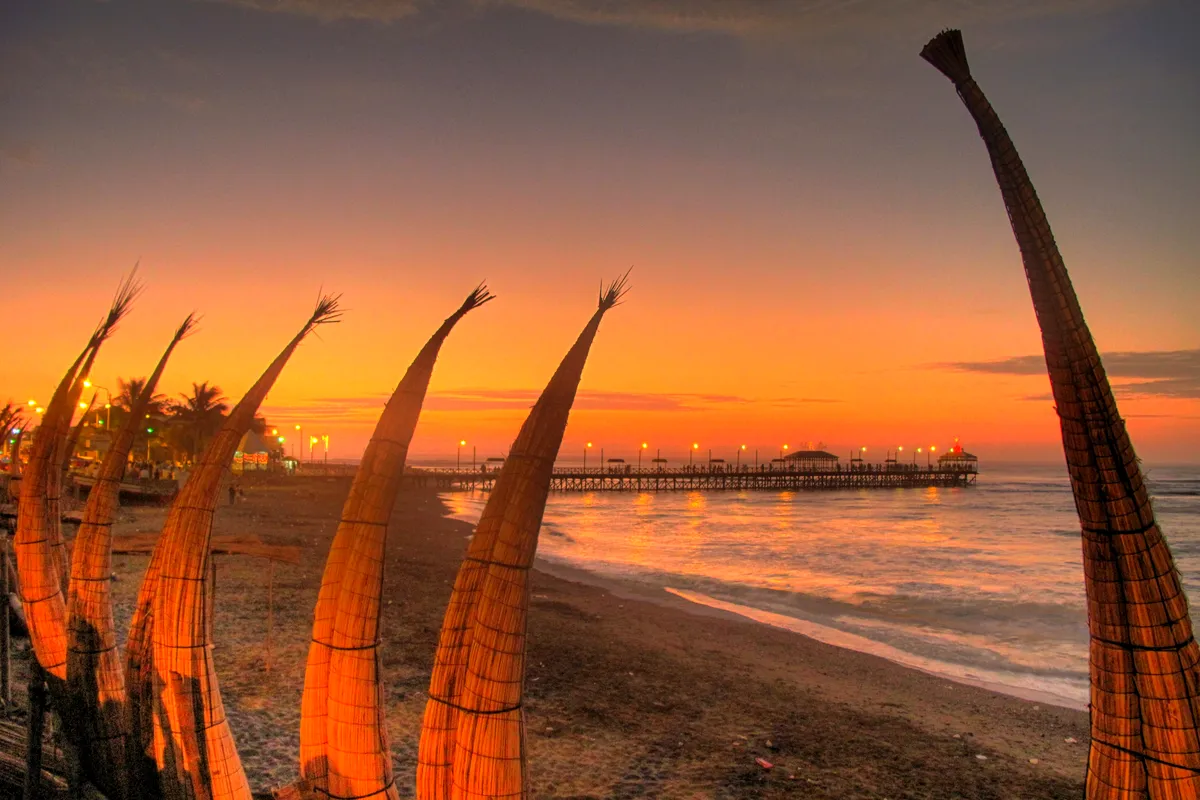
Peru also has one of the oldest wave-riding traditions in the world. Fishermen in Huanchaco and other northern villages have ridden waves on caballitos de totora, small reed boats, for centuries. Modern surfing is hugely popular, particularly in Lima, and Peru has produced world champions. Add Peru's food, one of the world's great cuisines, and its archaeological sites, and a surf trip here is about much more than waves.
Chicama in depth
Chicama, at the fishing town of Puerto Malabrigo in the La Libertad region, is often described as one of the longest left-hand waves in the world. The point is long and gently curved, and when a big south swell arrives from the right angle, waves peel along it in several sections. On rare days, these sections can link together into a single, very long ride.
Chicama is best from roughly April to October, when south swells are most consistent. Even on smaller days, it offers long, fun waves for intermediates. Because the walk back up the point can be long, local operators offer boat or jet-ski pick-ups that take surfers back to the top. Accommodation in Puerto Malabrigo is limited but includes surf lodges overlooking the point. The area is also windy, so mornings are usually best.
Swell seasons in Peru
Peru has surf all year. The central and southern coast, including Lima, and the long points of the north such as Chicama, receive their most consistent and powerful south swells from roughly April to October, during the Southern Hemisphere winter. The far north, around Máncora, also receives north-west swells from roughly November to March, during the Northern Hemisphere winter.
Wind is an important factor. Many northern points experience strong winds in the afternoons, so mornings are usually best. The Peruvian coast is also affected by El Niño and La Niña events, which can change water temperatures and swell patterns in some years.
El Niño and the Peruvian coast
Peru's coast is strongly influenced by the El Niño-Southern Oscillation. During El Niño years, warmer water spreads along the coast, changing sea temperatures, marine life and weather, sometimes bringing heavy rain and flooding to the normally dry north. Swell patterns can also change, with some breaks working more or less often than usual.
During La Niña years, the water is often colder than normal. If you are planning a trip, check current conditions and forecasts, as they can make a noticeable difference to water temperature and what wetsuit you need.
How cold is the water in Peru?
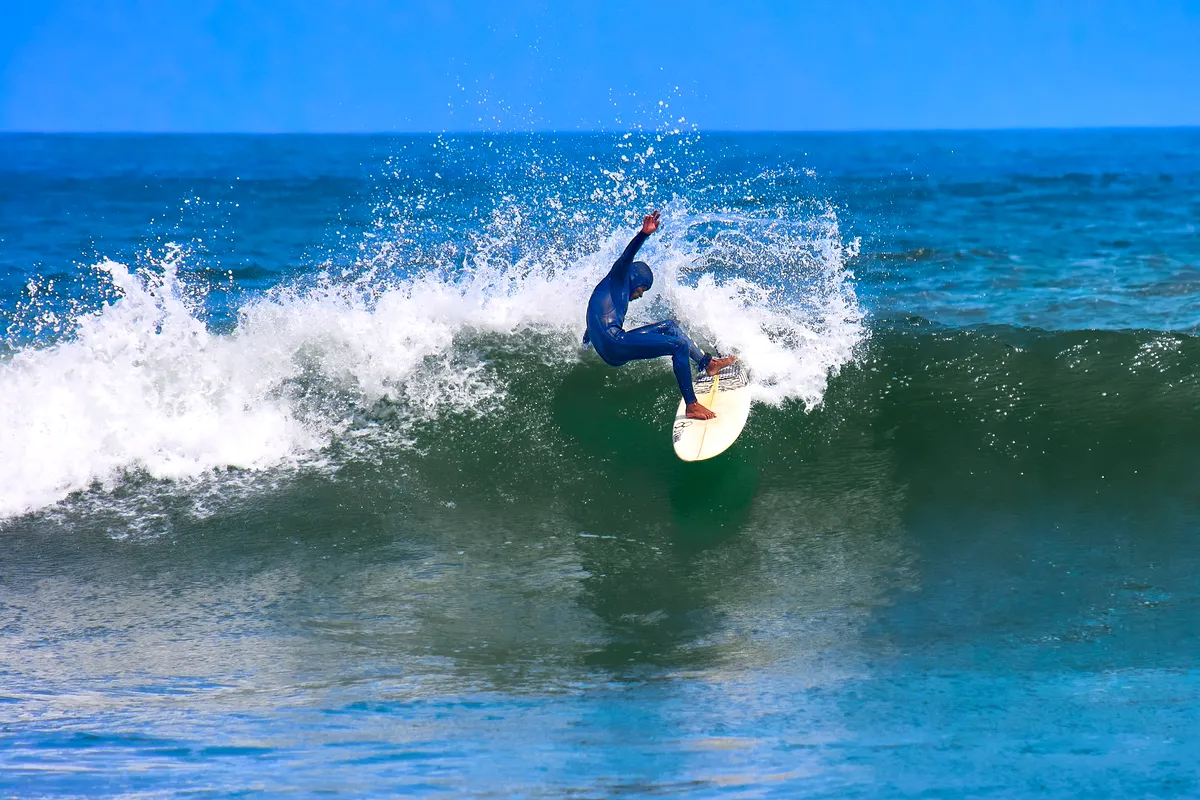
The Humboldt Current keeps much of Peru's coast cool. In Lima, water temperatures are typically in the mid to high teens Celsius, so a 3/2 or 4/3 wetsuit is common, especially in winter. Further north, around Chicama and Pacasmayo, a 3/2 is usual. In the far north, around Máncora and Lobitos, the water is warmer, often in the low twenties, and a shorty or boardshorts may be enough for part of the year.
Morning fog, known locally as garúa, is common along the central coast in winter. Pack sun protection all the same, as the sun is strong when it breaks through.
Travelling around Peru
Lima's international airport is the main gateway. Domestic flights connect Lima with Trujillo (for Huanchaco and Chicama), Piura and Talara (for Lobitos and Máncora) and Tumbes. Long-distance buses are comfortable and widely used along the coast.
Within surf regions, taxis, mototaxis and private drivers are common. Renting a car is possible but requires confidence on busy roads. Many surf camps and hostels arrange transfers.
Planning a north-coast road trip
Many surfers explore Peru's north coast on a road trip, flying from Lima to Trujillo or Piura and travelling between surf towns by bus, private driver or rental car. A typical route might start in Huanchaco, continue to Chicama and Pacasmayo for the long lefts, then travel north to Lobitos, Cabo Blanco and Máncora for warmer water and more waves.
The journey passes desert landscapes, fishing villages and archaeological sites. Distances are large, so allow plenty of time, travel during the day and keep valuables secure. The best time for this route is often April to October for the long points, although the far north offers waves all year.
Safety and etiquette
Take normal travel precautions in cities and avoid leaving valuables on beaches or in cars. Some point breaks have rocky entries and exits, sea urchins and strong currents, so watch carefully before paddling out.
In the water, Peruvian surfers are generally friendly, but popular points can be crowded and competitive. Respect local surfers, wait your turn and avoid dropping in, especially on long point waves where one wave may be shared by several surfers at different sections.
Food, culture and flat days
Peruvian food is a highlight of any trip, from ceviche and tiradito on the coast to lomo saltado, ají de gallina and Lima's world-famous restaurant scene. Coastal towns serve fresh fish daily.
On flat days, explore archaeological sites such as Chan Chan, the vast adobe city near Huanchaco, and the Huacas del Sol y de la Luna near Trujillo. In Lima, visit the historic centre and the clifftop parks of Miraflores. Many visitors combine a surf trip with Cusco and Machu Picchu.
Planning a Peru surf trip
For warm water and a variety of waves, the far north around Lobitos and Máncora is a popular choice, with surf camps and options for all levels. For long lefts, head to Chicama and Pacasmayo in the south-swell season. Lima suits travellers who want city life with daily surf. Beginners can learn in Máncora, Huanchaco and Lima, while experienced surfers can chase the long points.
Surf regions of Peru
The far north: Máncora, Lobitos and Cabo Blanco
The far north has warmer water, sunshine and consistent waves. Máncora is a lively beach town with a left-hand point and many surf schools. Lobitos, a former oil town further south, has a cluster of left-hand points and reefs and a strong surf-camp scene. Cabo Blanco, between them, is a powerful left-hand barrel for experienced surfers.
Tumbes and Punta Sal
North of Máncora, near the border with Ecuador, the Tumbes region has warm water, sandy beaches and some point and beach breaks, including the area around Punta Sal. It is quieter than Máncora and better known for beaches and fishing than surf, but it can offer uncrowded waves on the right swell.
Known for: Punta Sal
Chicama and Pacasmayo
Chicama, at Puerto Malabrigo, is one of the world's longest left-hand waves, with several sections that can link on a big south swell. Pacasmayo, further north, is another long left-hand point known for its quality and strong winds. Both are best from April to October and suit intermediate and advanced surfers.
Known for: Chicama, Pacasmayo
Huanchaco and Trujillo
Huanchaco, near the city of Trujillo, is a historic fishing village where fishermen still ride waves on reed boats called caballitos de totora. Its beach and point breaks suit learners and intermediates, and it was recognised as a World Surfing Reserve. The area is close to the archaeological site of Chan Chan.
Known for: Huanchaco
Lima
Lima has a large urban surf scene along the Costa Verde, the beaches below the cliffs of Miraflores, Barranco and Chorrillos, with waves for all levels. South of the city, Punta Hermosa, Punta Rocas and San Bartolo are popular surf towns with reef and point breaks, including big-wave spots such as Pico Alto.
Known for: Costa Verde, Punta Hermosa, Punta Rocas, San Bartolo, Pico Alto
The south
South of Lima, the coast continues with beaches and points such as Cerro Azul, a left-hand point near a fishing town, and more remote waves further south. Water is cool, and facilities are more limited.
Known for: Cerro Azul
Learning to surf in Peru
Peru has surf schools in Máncora, Lobitos, Huanchaco and Lima. Máncora's warm water and gentle waves make it popular for beginners, while Huanchaco's beach and Lima's Costa Verde beaches also suit learners. Surf camps in Lobitos and Máncora often include accommodation, lessons and equipment.
Wetsuits are needed in Lima and much of the coast, but the far north is warm enough for boardshorts at times. Ask about group size, instructor qualifications and safety. Mornings are usually best before the wind picks up.
Surfing in Peru: questions
When is the best time to surf in Peru?
April to October brings the most consistent south swells to Lima and the long northern points. The far north also gets north-west swells from November to March.
Is Chicama really the longest wave in the world?
Chicama is often described as one of the longest left-hand waves in the world. On the right swell, its sections can connect into a very long ride.
Where should beginners surf in Peru?
Máncora, Huanchaco and Lima's Costa Verde beaches are good for beginners, with surf schools and gentle waves.
Do I need a wetsuit in Peru?
In Lima and the central coast, yes, typically a 3/2 or 4/3. In the far north around Máncora and Lobitos, the water is warmer and a shorty or boardshorts may be enough.
What are caballitos de totora?
They are small reed boats used by fishermen in Huanchaco and other northern villages for centuries, ridden through the surf in one of the world's oldest wave-riding traditions.
How do I get to Lobitos?
Fly to Talara or Piura from Lima, then travel by road. Talara is closest, about half an hour to an hour away.
How do I get to Chicama?
Fly from Lima to Trujillo, then travel by road to Puerto Malabrigo, usually around one and a half to two hours away. Many surf lodges arrange transfers.
Does El Niño affect surfing in Peru?
Yes. El Niño can warm the water, change swell patterns and bring heavy rain to the north, while La Niña can bring colder water. Check conditions before you travel.
Is Lima good for surfing?
Yes. Lima's Costa Verde beaches offer waves for all levels in the city, and Punta Hermosa, Punta Rocas and San Bartolo to the south have quality reef and point breaks.
What wetsuit do I need for Chicama?
A 3/2 wetsuit is common at Chicama and Pacasmayo, especially in the winter months, when the Humboldt Current keeps the water cool.
Is Peru good for beginners?
Yes, in places such as Máncora, Huanchaco and Lima, which have surf schools and gentle waves.
Sources & editorial notes
Country context checked against the sources below. Regional summaries are Book & Surf editorial planning suggestions, not forecasts or safety assessments.