The breaks
Recognised, publicly known surf spots around Máncora. Suitability depends on the day's swell, wind and tide, so treat the level as a guide, not a guarantee.
| Break | Type | Best for | Notes |
|---|---|---|---|
| Máncora point | Left-hand point | Intermediate | Long, rippable lefts at the southern end of the town beach, often best on north-west swells from November to March. |
| Máncora beach | Beach break | Beginner | Gentle waves in front of town on smaller days, used by surf schools. |
| Los Órganos | Point & pier | Intermediate | Fishing town south of Máncora with a point break; boat trips to swim with turtles. |
| Cabo Blanco | Left-hand reef | Advanced | Powerful left barrel over rock about forty minutes south, one of Peru's heaviest waves. |
| Lobitos | Left-hand points | Intermediate–Advanced | Cluster of quality lefts about an hour and a half south. |
Peru's sunny north coast
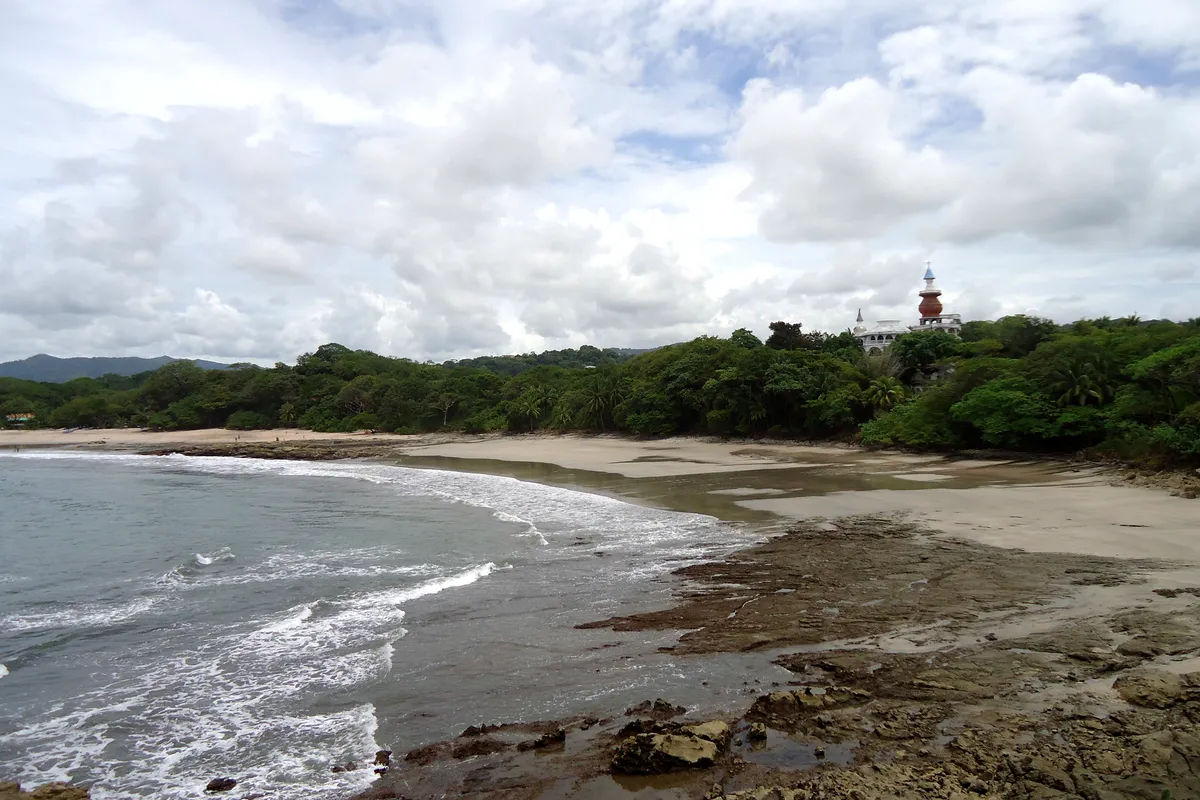
Máncora sits on Peru's far northern coast, in the Piura region, about a hundred and fifty kilometres south of the border with Ecuador. Here, the cold Humboldt Current that cools most of Peru's coast begins to give way to warmer waters, and the climate is sunnier and drier than further south. The landscape is desert, with dry hills meeting long beaches.
Máncora has grown from a small fishing village into one of Peru's most popular beach destinations, with hotels, hostels, restaurants and a busy nightlife. It attracts Peruvian holidaymakers, backpackers and surfers, and it is a good base for exploring the north coast's waves.
The Máncora point
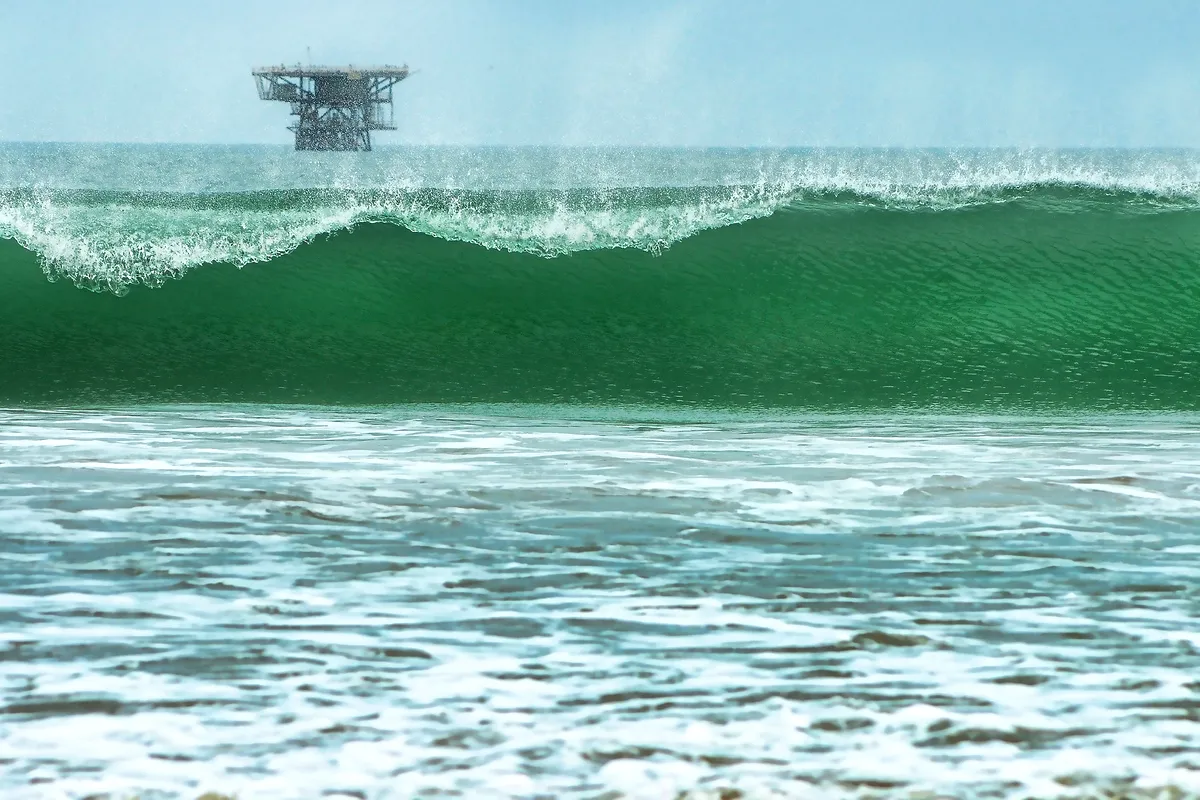
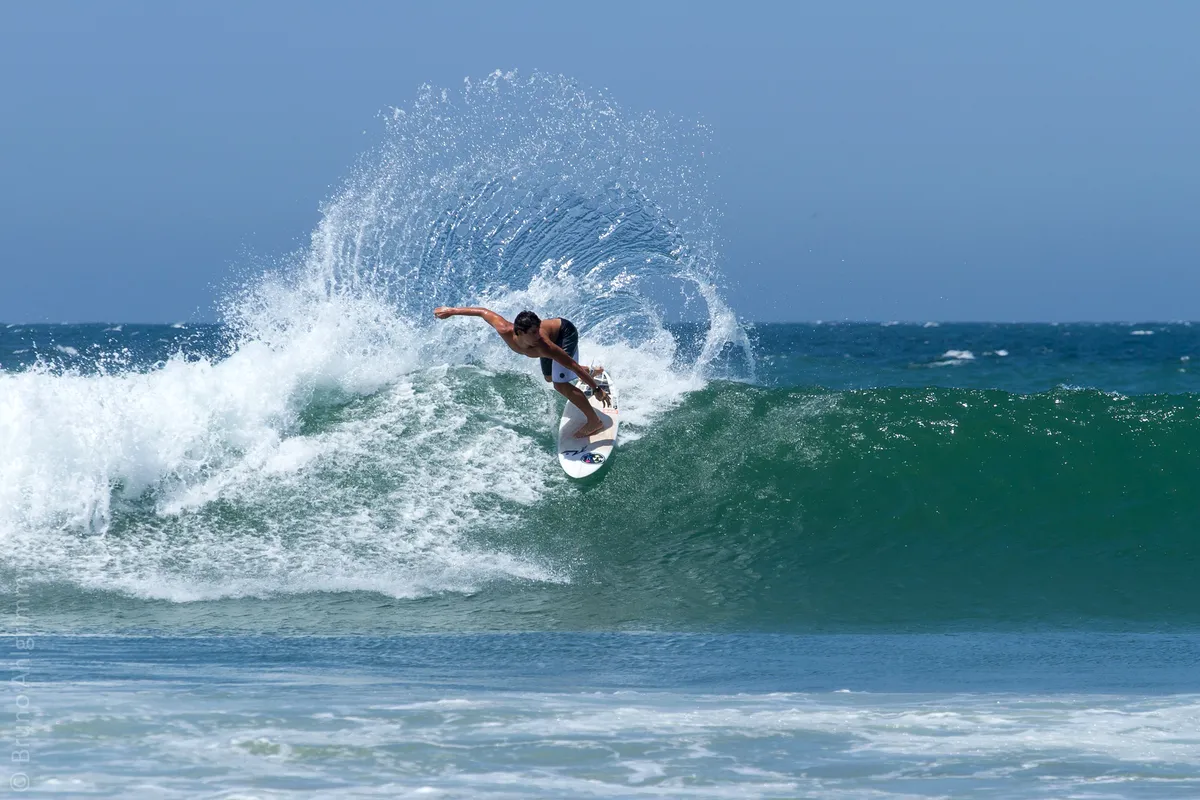
Máncora's main wave is a left-hand point break at the southern end of the town beach, breaking over a mix of rock and sand. On a good swell, it produces long, rippable lefts that suit intermediate surfers, and on smaller days, the inside sections are gentle enough for improvers. The point works on both north and south swells, but it is often at its best from November to March, when north-west swells arrive.
The point can be crowded, especially during Peruvian holidays, so early mornings are usually best.
The town beach and beginners
The beach in front of Máncora has gentle waves on smaller days and is used by surf schools for lessons. The warm water makes learning comfortable, and boards can be rented along the beach. On bigger days, the beach can become more powerful, so beginners should check with schools.
Los Órganos, Vichayito and Las Pocitas
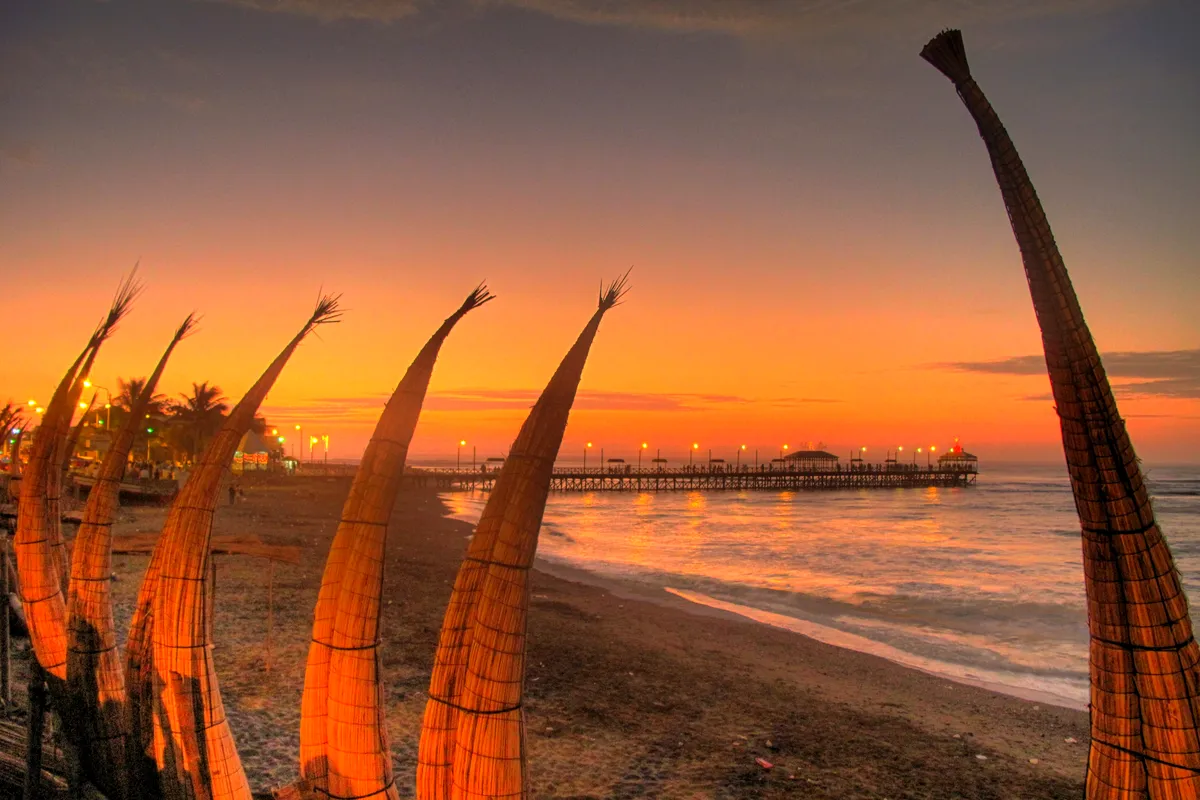
South of Máncora, the beaches of Las Pocitas and Vichayito have a quieter, more upmarket feel, with boutique hotels and calm sections for swimming, and some waves on the right swell. Further south, Los Órganos is a fishing town with a point break and a pier, where boat trips to swim with sea turtles depart.
These areas offer alternatives to Máncora's busy centre and are within a short drive.
Cabo Blanco and Lobitos
About forty minutes south of Máncora, Cabo Blanco is a powerful left-hand barrel over rock, one of the heaviest waves in Peru, best for experienced surfers on solid swells. Cabo Blanco is also famous for big-game fishing: in the 1950s, it attracted celebrities, including the writer Ernest Hemingway, who fished there.
Further south, about an hour and a half from Máncora, Lobitos has a cluster of left-hand points and reefs that work on a range of swells, popular with intermediate and advanced surfers.
The Máncora year: sun and swell
Máncora has surf all year, but the point is often best from roughly November to March, when north-west swells from the North Pacific arrive and the weather is sunny and hot. From April to October, south swells reach the coast and benefit spots further south, such as Lobitos and Cabo Blanco, though Máncora can still have waves.
The water is warm by Peruvian standards, typically ranging from around twenty to the mid-twenties Celsius, and the sun shines for much of the year. December to March is also the peak tourist season.
Getting there
Talara's airport, with flights from Lima, is about an hour and a half from Máncora by road, and Tumbes airport, further north, is about two hours away. Piura's airport is further still. Long-distance buses run from Lima and other cities to Máncora, a journey of many hours. Many hotels and surf camps arrange transfers.
In Máncora, mototaxis are the main way to get around, and the town is walkable.
Where to stay in Máncora
Máncora has accommodation for all budgets, from party hostels and surf camps to boutique beach hotels. The centre is lively and can be noisy at night, while Las Pocitas and Vichayito, south of town, offer quieter, more upmarket stays. Book ahead for Peruvian holidays, such as Christmas, New Year and Easter.
Food, nightlife and rest days
Máncora's restaurants serve excellent seafood, including ceviche, tiradito and grilled fish, alongside international food. The town has a lively nightlife, especially in summer. On rest days, take a boat to swim with turtles at Los Órganos, go whale watching in season, relax at the mud baths of Poza de Barro inland or visit the mangroves near Tumbes.
Safety and what to pack
Take normal precautions with valuables, especially in the busy centre and at night. The sun is strong, so pack high-protection sunscreen and a hat. A shorty or boardshorts is usually enough for the water, though a thin wetsuit can help in the cooler months. Booties are useful at rocky points such as Cabo Blanco.
North swells, south swells and Peru's tip
Máncora sits close to the point where Peru's coast turns, near the Gulf of Guayaquil, which gives it access to swells from two directions. In the southern summer, from roughly November to March, north-west swells generated by winter storms in the North Pacific reach the coast and wrap into the Máncora point. In the southern winter, south swells from the Southern Ocean dominate, and spots that face south-west, such as Lobitos and Cabo Blanco, benefit most.
That means a trip in either season can find waves, as long as you are willing to travel along the coast. Winds are often light in the morning and pick up through the afternoon, so dawn sessions are usually cleanest. The warm, sunny climate makes Máncora a year-round destination, but the best surf at the point itself tends to coincide with the busy summer holidays.
Máncora or Lobitos?
Máncora is livelier, with more restaurants, nightlife and gentler waves for beginners, plus its own left-hand point. Lobitos is quieter, with a cluster of quality points and reefs better suited to intermediate and advanced surfers. Many surfers combine them, staying in Máncora for its atmosphere and taking day trips to Lobitos and Cabo Blanco.
Máncora surf season month by month
A broad planning picture, not a forecast. Swell, wind and water temperature vary from year to year.
| January | Peak season: north-west swells, sunshine and warm water. Busy with Peruvian holidaymakers. |
|---|---|
| February | Consistent north swells and hot weather. A great month for the point. |
| March | Still good swells and warm water; Easter can be busy. |
| April | Transition to south swells; Máncora still has waves. |
| May | South swells benefit Lobitos and Cabo Blanco; Máncora quieter. |
| June | South-swell season; water cools slightly. |
| July | Consistent south swells further south; Máncora variable. |
| August | Cooler water and grey mornings; whales offshore. |
| September | South swells continue further down the coast; a quieter town. |
| October | Transition back towards north swells and warmer weather. |
| November | North swells return and the season begins. |
| December | Sunny, warm and busy, with north swells at the point. |
Learning to surf in Máncora
Máncora is one of the best places in Peru to learn to surf, thanks to its warm water, gentle beach waves and many surf schools. Lessons usually include soft-top boards and rash vests. The point's inside sections on smaller days are a good next step. Ask schools about group sizes, instructor experience and which spots they use.
Comparing options across the country? Read our guide to surfing in Peru.
Seasonal notes on this page describe typical patterns, not the conditions on a given day. Use the local forecast, lifeguard advice and a qualified instructor for water-safety decisions, and get a written breakdown of what any surf package includes before paying.
Máncora surf trip questions
When is the best time to surf Máncora?
The point is often best from November to March, when north-west swells arrive. Máncora has surf all year.
Is Máncora good for beginners?
Yes. The town beach has gentle waves on smaller days and many surf schools, and the water is warm.
Do I need a wetsuit in Máncora?
Usually not. The water is warmer than in the rest of Peru, though a thin wetsuit can help in the cooler months.
How far is Máncora from Lobitos?
About an hour and a half south by road, close enough for a day trip when the south swells are running.
What is Cabo Blanco?
A powerful left-hand barrel over rock about forty minutes south of Máncora, also famous for big-game fishing in the 1950s.
How do I get to Máncora?
Fly from Lima to Talara or Tumbes, then drive about one and a half to two hours, or take a long-distance bus.
Why does Máncora have warmer water than the rest of Peru?
Máncora lies near Peru's northern tip, where the cold Humboldt Current turns away from the coast and warmer equatorial waters take over, so the sea is noticeably warmer than around Lima or Huanchaco.
Is Máncora busy?
It can be very busy during Peruvian summer holidays from late December to February, at Easter and on long weekends. Outside those dates, the beach and the point are noticeably quieter, though the town is lively most of the year.
Sources & editorial notes
Destination context checked against the sources below. Base-selection and itinerary suggestions are Book & Surf editorial recommendations. Seasonal windows are broad planning suggestions, not measured forecasts or guarantees.
We do not claim to have personally surfed every break. Read our editorial standards.