The best time to surf in Portugal, month by month
When to go for big swell, warm water, empty line-ups or your first lesson, from Porto to the Algarve.
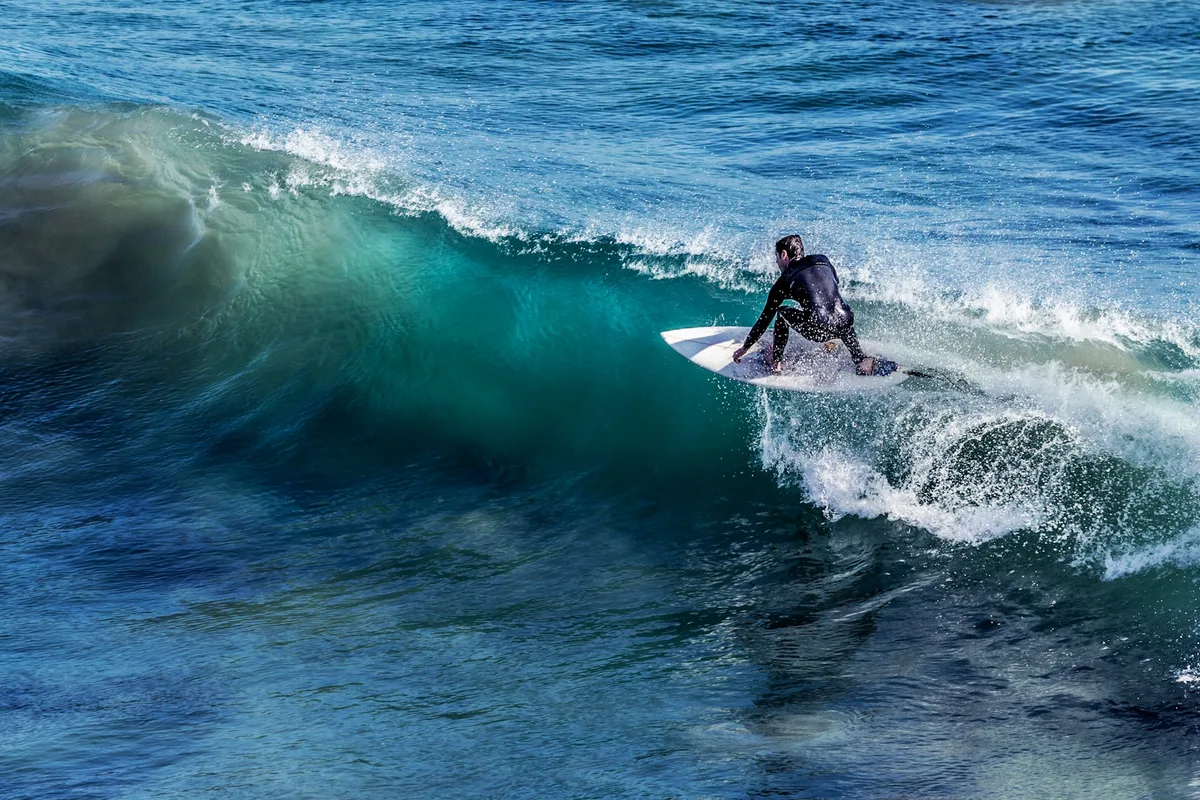
The quick answer
For most surfers, the best time to surf in Portugal is autumn, from September to November. The first big Atlantic swells arrive, the water is still relatively mild after summer, winds are often lighter and the summer crowds have gone. October is often the standout month.
Beginners and families often prefer summer, from June to September, when waves are usually smaller, the weather is warm and surf schools are in full swing. Experienced surfers looking for powerful waves and empty line-ups love winter, while spring is a good shoulder season for everyone. Portugal has surf all year, so the right time depends on what you want from your trip.
Why Portugal has surf all year
Portugal faces the North Atlantic, where storms form throughout the year. In autumn, winter and spring, powerful low-pressure systems between Newfoundland and Iceland generate long-period groundswell that travels to Portugal's west coast. In summer, storms are weaker and further away, so swells are smaller, though rarely completely absent on west-facing beaches.
Portugal's coastline also faces several directions. The west coast catches most swells, while the Algarve's south coast is sheltered and only works on bigger swells or with southerly winds. Peninsulas such as Peniche and the Sagres area have beaches facing different directions within a short distance. That variety means you can usually find a wave somewhere, whatever the season.
Autumn: September to November
Autumn is Portugal's prime surf season. Swells become more consistent and powerful, often with lighter winds and offshore mornings. Water temperatures are at their warmest of the year in September, cooling gradually through November. The summer crowds thin out after the school holidays, and accommodation prices fall.
This is the best time for intermediate and advanced surfers, when the reefs and points around Ericeira and the beach breaks of Peniche are at their best. Beginners can still learn at sheltered beaches with a school that adapts to conditions. November brings bigger swells and more mixed weather.
Winter: December to February
Winter brings the most powerful and consistent surf, along with colder water, rain and short days. This is when Nazaré's giant waves break and when Ericeira's reefs, such as Coxos, come alive. Line-ups can be quiet on weekdays, and there are excellent days between storms.
Winter suits experienced surfers with good wetsuits. Beginners can still learn, particularly in Peniche and the Algarve, where schools use sheltered beaches, but sessions may be shorter and some days will be too big. A 4/3 or 5/4 wetsuit with boots is common in the north.
Spring: March to May
Spring is a good shoulder season, with regular swell, lengthening days and fewer visitors than summer. March can still feel wintry, with powerful swells, while May brings smaller, friendlier waves and warmer weather. Northerly winds start to appear in the afternoons, so morning sessions are often best.
Spring suits intermediates looking for consistent waves without autumn crowds, and beginners who want quieter beaches and lower prices than summer.
Summer: June to August
Summer brings small to moderate waves, warm and sunny weather and busy beaches. Strong northerly winds, known as the nortada, often blow in the afternoons on the west coast, so mornings are usually best. The Algarve's south coast is often flat, while west-facing beaches still pick up some swell.
Summer is the best time for complete beginners and families, with gentle conditions and many surf schools. Experienced surfers may find it small and crowded, although there are occasional good swells. Water temperatures peak in late summer, though upwelling can make the west coast cooler than expected.
North, centre and south: regional differences
Portugal's regions behave slightly differently. The north, around Porto and Viana do Castelo, has the coldest water and the most rain, with powerful swells in winter and a shorter warm season. The centre, including Nazaré, Peniche and Ericeira, has the widest range of breaks and is the most popular area for surf trips all year.
The Lisbon coast, from Cascais to Costa da Caparica, combines city convenience with consistent beach breaks, particularly from autumn to spring. The Alentejo coast is wilder and quieter, best explored by car in spring and autumn. The Algarve is the sunniest region: its west coast works year-round, while its south coast comes alive mainly on big winter swells. If you want to surf in winter but prefer milder weather, the Algarve is a good choice.
Whatever the region, wind is as important as swell. Light winds or offshore breezes in the morning often give the best conditions, while afternoon sea breezes can spoil the surf, particularly in summer.
| Month | Swell | Crowds | Best for |
|---|---|---|---|
| January | Big and frequent | Low | Experienced surfers |
| February | Big and frequent | Low | Experienced surfers |
| March | Consistent | Low | Intermediate and advanced |
| April | Consistent, easing | Moderate | Improvers |
| May | Moderate | Moderate | Beginners and improvers |
| June | Small to moderate | Rising | Beginners |
| July | Small | High | Beginners and families |
| August | Small | Very high | Beginners and families |
| September | Building | Falling | All levels |
| October | Consistent | Moderate | All levels; prime month |
| November | Bigger | Low | Intermediate and advanced |
| December | Big | Low | Experienced surfers |
Water temperature and wetsuits through the year
Portugal's water is cooler than many visitors expect because of the Canary Current and summer upwelling. In the north and centre, water ranges from the low to mid-teens Celsius in winter to the high teens in late summer. The Algarve's south coast is a little warmer. Most surfers wear a 4/3 for much of the year, a 3/2 in summer and early autumn, and a 5/4 with boots in winter in the north. Surf schools include wetsuits in their lessons.
Questions
What is the best month to surf in Portugal?
October is often the best overall, with consistent swell, mild water and fewer crowds. September and November are also excellent.
When should beginners surf in Portugal?
June to September usually brings smaller waves and warm weather, ideal for beginners. Spring and autumn can also work with a school that chooses sheltered beaches.
Is there surf in Portugal in summer?
Yes, although waves are usually smaller. West-facing beaches pick up most swell, while the Algarve's south coast is often flat. Afternoon winds are common, so surf in the morning.
When are the big waves at Nazaré?
Nazaré's giant waves usually break in winter, roughly from October to March, during powerful North Atlantic swells.
Is Portugal good for surfing in winter?
Yes, for experienced surfers. Winter brings the most powerful swells and quiet line-ups, especially around Ericeira and Peniche. Beginners can still learn with schools that use sheltered beaches, particularly in Peniche and the Algarve.
What is the nortada?
The nortada is a strong northerly wind that often blows in the afternoons along Portugal's west coast in summer. It can make conditions choppy, so surfers usually go out in the morning.
When is the Algarve best for surfing?
The Algarve's west coast works year-round, with the most consistent swell from autumn to spring. The south coast near Lagos needs bigger swells and usually works best in winter.
Is October a good time to learn to surf in Portugal?
Yes, with a good school. Swells are more consistent than in summer, but schools in Peniche, the Algarve and around Lisbon can find sheltered beaches for beginners, and the water is still relatively mild.
Plan the trip
Sources
- Visit Portugal: Surfing ↗
- IPMA: Portuguese Institute for Sea and Atmosphere ↗
- Wikipedia: Nazaré, Portugal ↗
These are editorial planning suggestions, not a substitute for local instruction or current conditions. How we write our guides.